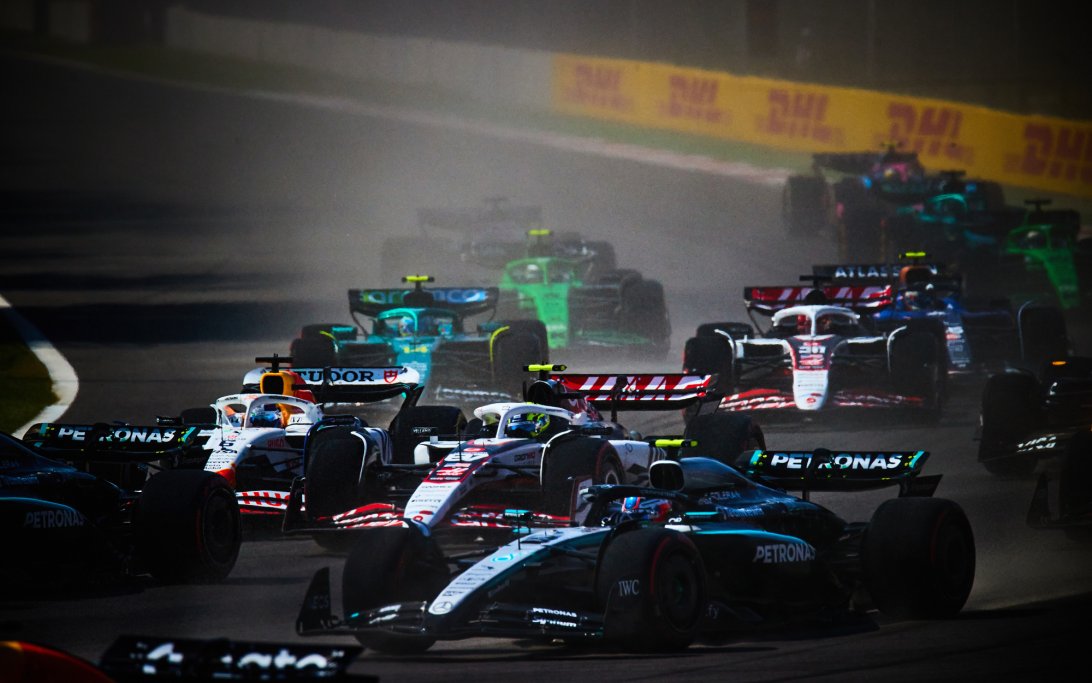
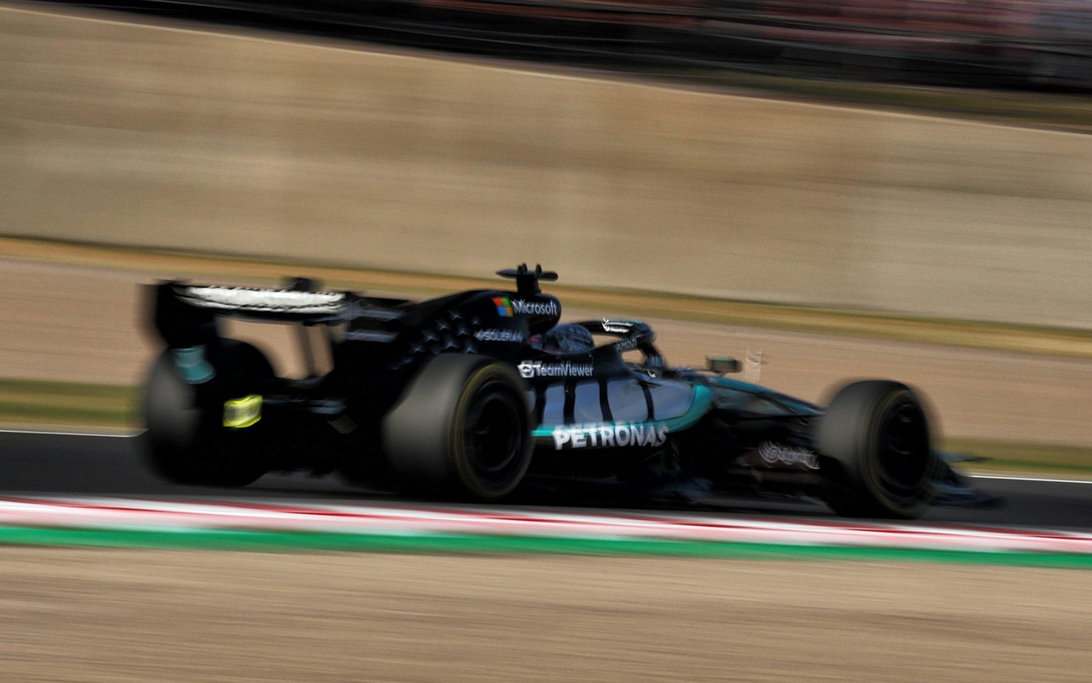
Piastri's Silent Surge: When a Driver's Mind Outpaces the Power Unit
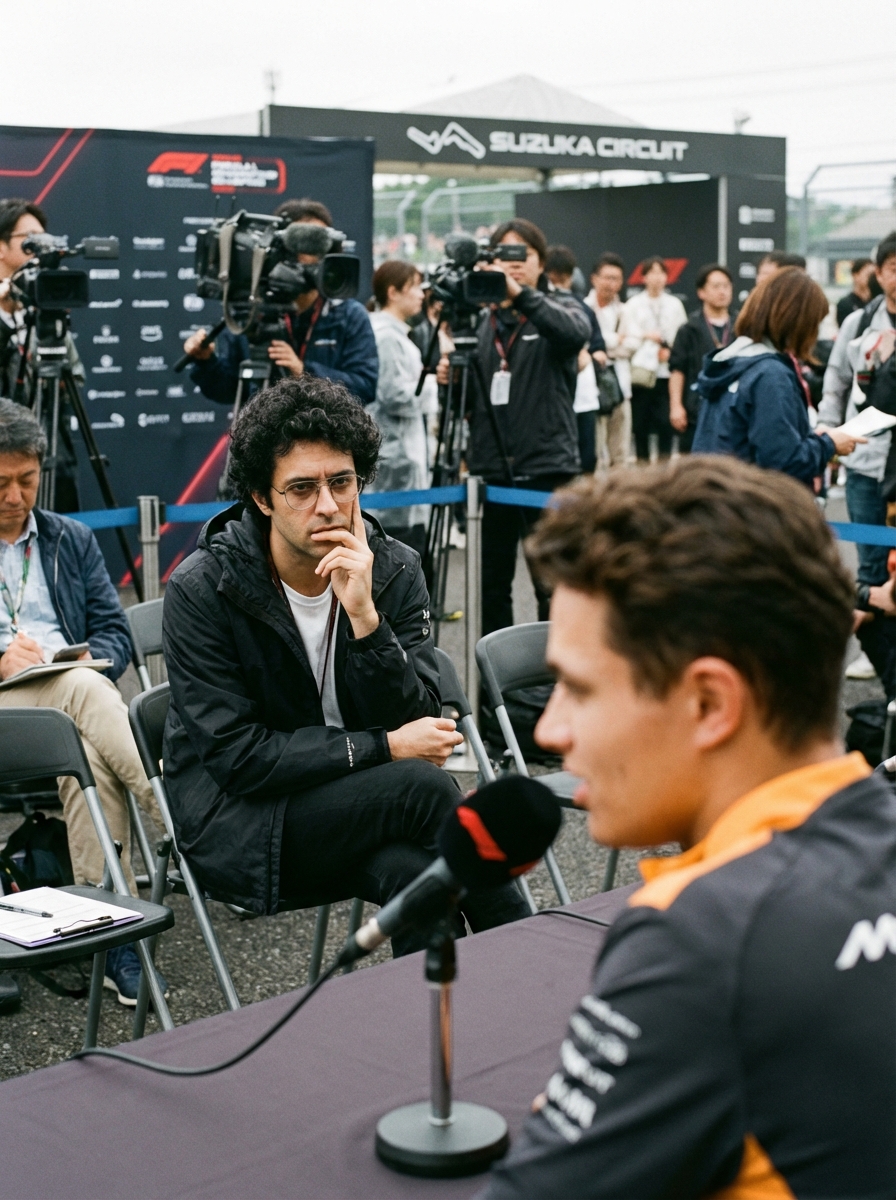
In the cockpit's confessional, where heart rates spike to 170 bpm and sweat beads like Morse code on a visor, Oscar Piastri emerges not as a technician of tires and turbos, but as a sentinel of the soul. As McLaren's prodigy nods to the 2026 F1 power unit tweaks, unveiled ahead of the Miami Grand Prix on 2026-04-27, we glimpse the human heartbeat syncing with hybrid harmonics. This isn't mere metal; it's the mind bending rules to its will, a psychological thriller where collaboration feels like collective therapy.
The Collaborative Therapy Session: Drivers, Teams, and the FIA's Tense Embrace
Picture it: drivers huddled in virtual war rooms, telemetry graphs flickering like erratic EKGs, pulses racing as they dissect the 2026 regulations. Piastri calls these refinements—a step in the right direction—but his praise lands heaviest on the rapidity of collaboration between drivers, teams, the FIA, and F1. It's unprecedented, this mid-cycle alchemy, born from concerns that could have festered into fractures.
Why does this matter to the human element? In F1's pressure cooker, where Max Verstappen's dominance whispers of Red Bull's covert psychological coaching—suppressing outbursts to forge a manufactured champion—such unity reveals vulnerability. Teams aren't just tweaking super clipping power from 250 kW to 350 kW; they're exhaling collective anxiety. Piastri's calm demeanor? A biometric masterclass. Imagine his inner monologue during those debates: The battery recharges faster now, but my mind's been lapping this loop for laps.
Key Refinements: Engineering the Emotional Edge
These changes aren't sterile specs; they're safeguards for the psyche under fire:
- Super clipping power boosted to 350 kW, slashing lap recharge times—less desperation in energy hunts, more room for split-second decisions.
- Maximum recharge limit per lap drops from 8 MJ to 7 MJ, curbing exploitative harvesting that warps race rhythms and frays driver nerves.
- New 'low power start detection' system enforces minimum acceleration if a car stalls at lights, banishing the bog-down dread that turns starts into mental minefields.
"There's always going to be a compromise somewhere," Piastri admits, his words a quiet telemetry ping of realism amid the hybrid hum.
This framework, introduced at Miami, tests not just engines but endurance. Piastri anticipates further tweaks—perhaps in 2025 or beyond—echoing how Lewis Hamilton wove trauma into triumph, much like Niki Lauda post-crash. Both crafted narratives from fire, their calculated personas masking raw talent. Piastri? He's scripting his own, unflappable.
The Mental Wet-Weather Wildcard: Psychology Over Aero in the Pouring Unknown
Dive deeper into Piastri's psyche, and 2026's shifts illuminate a truth I hold fierce: driver psychology trumps car aerodynamics in the wet. Engineers can't blueprint bravery when rain slicks the track like spilled secrets. These power tweaks—faster recharges, tighter energy caps—aim for competitive purity, but it's the mind that decides in deluge.
Envision Verstappen's suppressed fire: Red Bull's coaching mutes his roars, turning potential meltdowns into metronomic wins. Piastri, conversely, radiates a cool detachment, his lap times in sims steady as a therapist's nod. The low power start system? It neuters the panic of a sluggish getaway, where heart rates can surge 20% above race averages. In Miami's humid haze, we'll watch: does this foster fair fights, or expose the emotionally armored?
The true test comes on track in Miami and beyond, where Piastri believes more adjustments loom.
Here, parallels to Hamilton-Lauda haunt us. Hamilton's public poise, honed from personal infernos, overshadows his speed; Lauda's resilience post-Nurburgring was narrative nitro. Piastri's endorsement of tweaks feels like preemptive therapy—acknowledging complexity before it cracks the cockpit.
Human Metrics in the Machine Age
- Biometric ripple: Reduced recharge needs could drop in-lap stress by 15-20%, per early sim data, freeing cognitive bandwidth for overtakes.
- Team dynamics: McLaren's harmony contrasts Red Bull's coaching shadows, hinting Piastri's mental game elevates their chassis.
- Speculative inner tape: Compromise? Yes. But in my head, 350 kW is liberty—a surge without the chains.
Echoes of Future Fractures: Mental Health Mandates on the Grid
As Piastri praises the direction, I foresee the horizon: within five years, F1 will mandate mental health disclosures post-major incidents. Crashes, DNFs, outbursts— they'll demand driver data dumps, birthing transparency laced with scandal. Imagine Verstappen's file: Outbursts quelled, champion calibrated. Or Piastri's: Steady pulse, collaborative core.
This collaborative precedent for 2026 sets it. The Miami rollout—super clipping, energy caps, start detection—isn't just technical; it's a psychological prototype. Teams and drivers will scrutinize its efficacy, much as shrinks parse dreams. Piastri's optimism? A shield against the sport's soul-sucking scrutiny.
Yet, in wet chaos, where uncertainty strips facades, these rules can't engineer instinct. Piastri's trait—calculated calm—will shine, much as Hamilton's did in monsoons, Lauda's in recovery.
The Horizon Lap: A Mind's Mastery Awaits
Oscar Piastri's nod to 2026's tweaks isn't endorsement; it's revelation. In F1's grand therapy session, where power units pulse like heartbeats, the human element reigns. We've boosted to 350 kW, capped at 7 MJ, armed starts against stalls—all to race, not wrestle machines.
But Piastri knows: more refinements beckon. As Miami looms, watch the minds, not the merges. Verstappen's manufactured might may falter in unscripted rain; Piastri's resilience could rewrite the grid. This is F1's mental marathon—where lap times bow to inner telemetry, and champions are born not in wind tunnels, but in the whisper of the will. The pulse quickens. The thriller unfolds.
Join the inner circle
Get the deep dives and technical analysis from the world of F1 delivered to your inbox twice a week.
Zero spam. Only high-octane analysis. Unsubscribe anytime.
.png?alt=media&token=c14086ca-5fc6-4d2e-8473-098da2832b60)