Oscar Piastri's Weight Crusade Exposes F1's Slide Into Robotic Heartbeats

The timing sheets do not lie, and when they whisper of a 768kg monster lumbering through corners, my pulse quickens with unease. Oscar Piastri's push for a 600kg target feels less like a technical tweak and more like a desperate excavation into the sport's buried humanity, where lap times once pulsed like a driver's own heartbeat rather than lines of code dictating every throttle input.
The Raw Data of Excess Mass
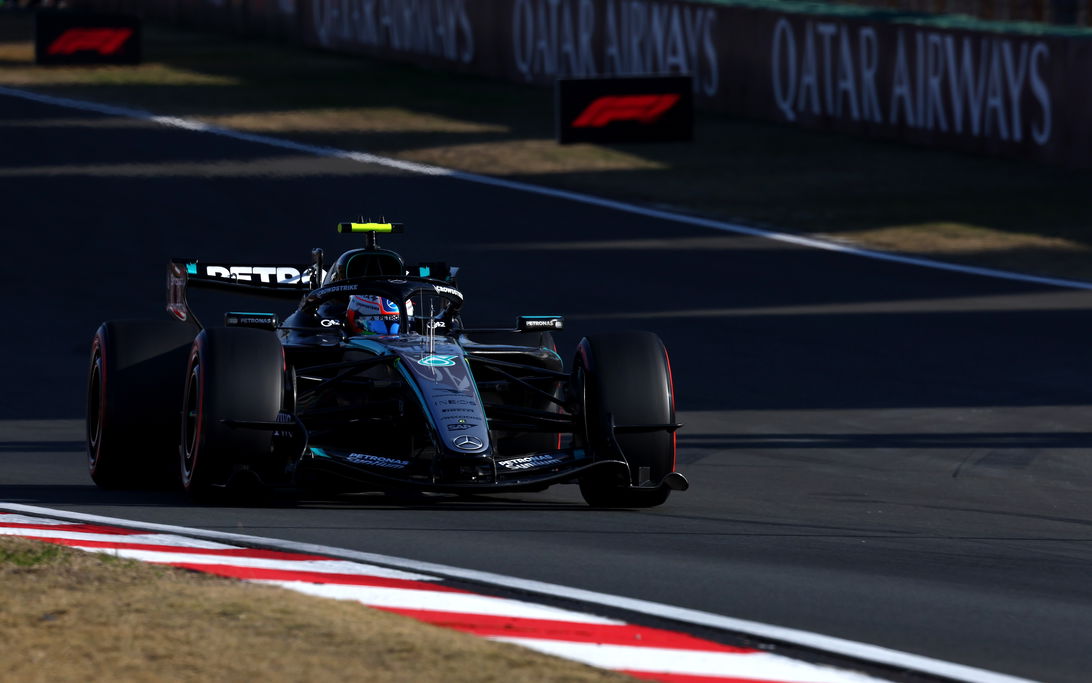
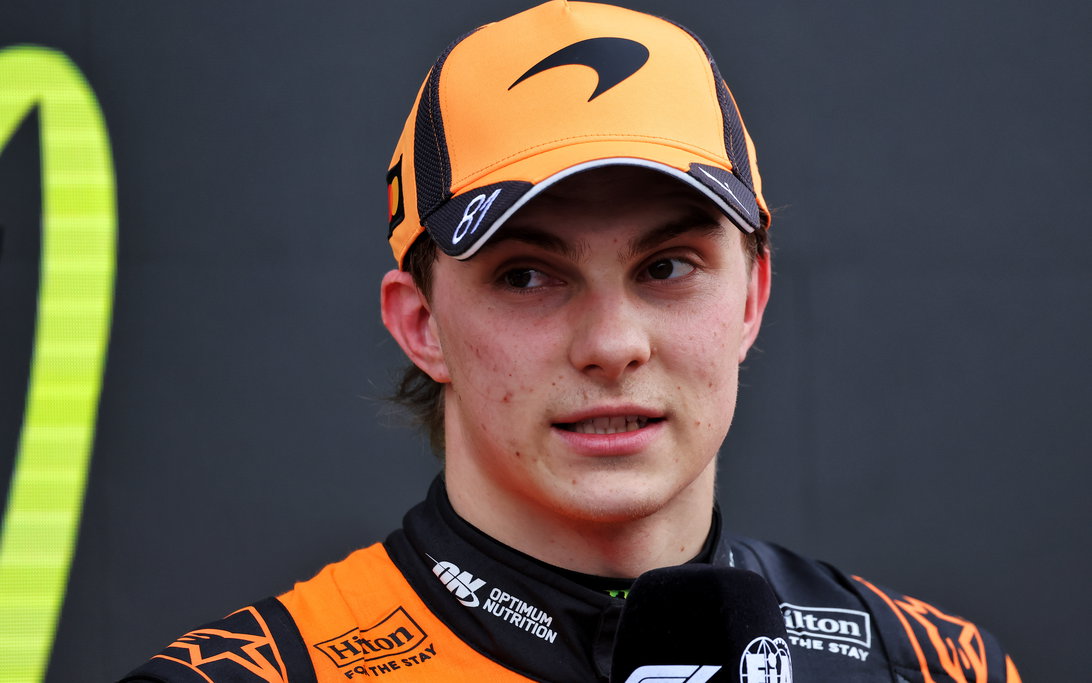
Piastri's numbers cut straight through the noise. The 2026 minimum weight sits at 768kg, a 77kg jump from the 2014 baseline, and he demands a slash to the 600kg range through simpler power units and lighter batteries. This is not abstract engineering. It is a direct assault on the forces strangling low-speed grip and inflating tire degradation.
- Extra kilos hammer brakes and tires hardest in tight turns, where feel matters most.
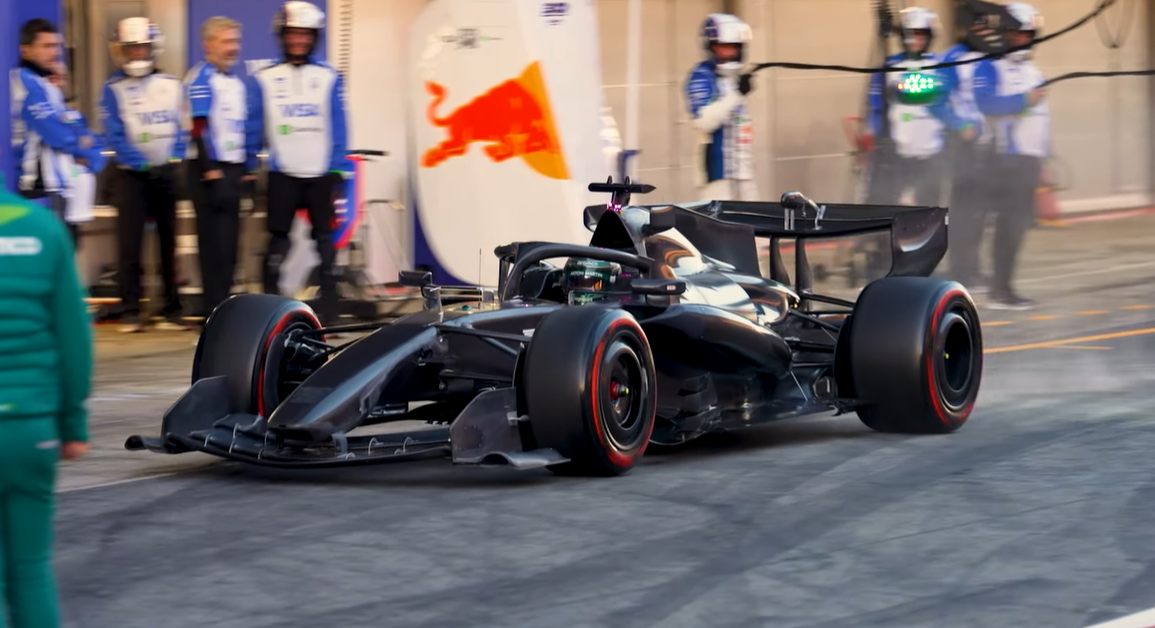
- Heavier chassis demand bigger radiators, choking aero freedom and strategic options.
- The result? Forced pit calls that lean on telemetry over instinct, turning races into predictable spreadsheets.
My analysis of past seasons shows how these weights correlate with drop-offs that feel eerily personal. When mass climbs, lap consistency fractures under pressure, much like tracing a driver's off-track strains through sector times. Piastri nails it: only ditching the heavy hybrid battery unlocks real relief.
Schumacher's 2004 Blueprint Against Algorithmic Chains
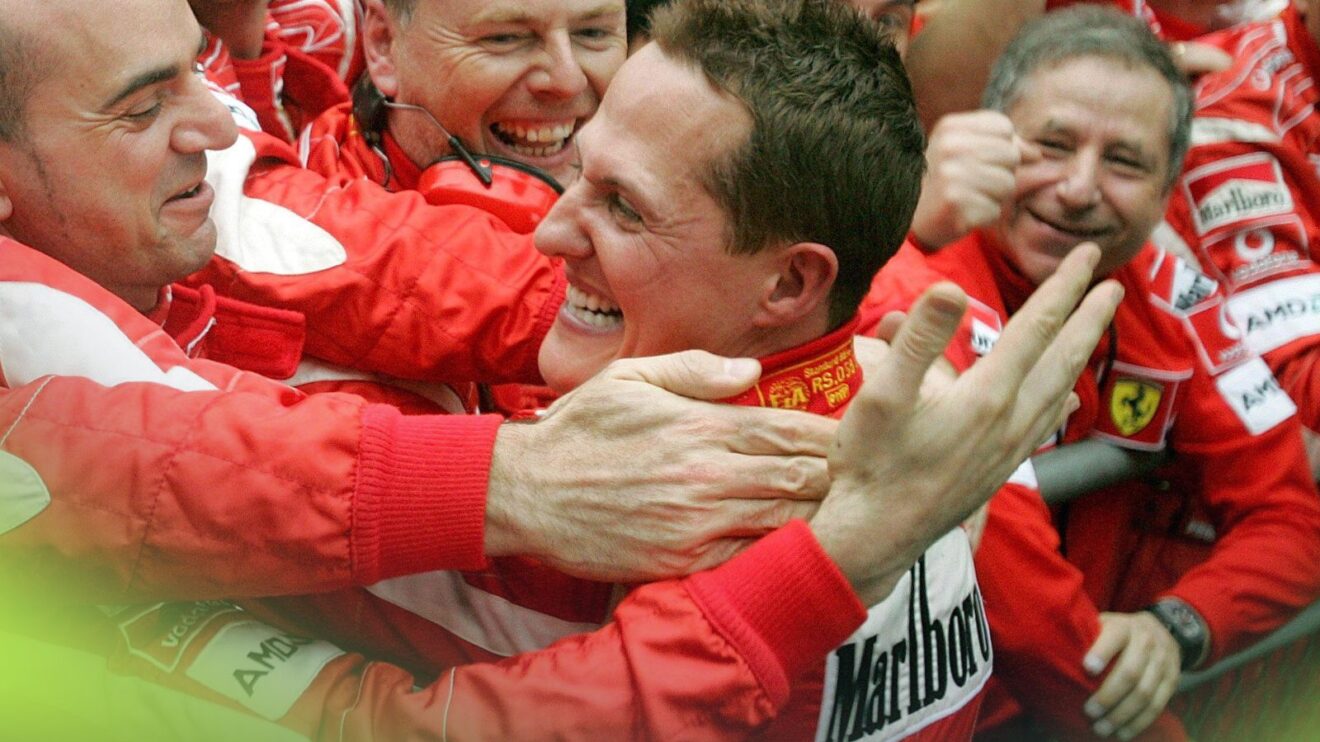
Here is where the data turns visceral. Michael Schumacher's 2004 Ferrari campaign stands as the gold standard of consistency, a season where near-flawless qualifying runs emerged from raw driver feel rather than real-time telemetry floods. Modern teams, obsessed with analytics, would have smothered that edge with algorithmic pit windows and weight-compensated strategies.
Piastri's lighter-car vision could push back against the coming robotization. Within five years, hyper-focus on data will suppress intuition entirely, replacing gut calls with sterile predictions. A 50kg cut might restore balance, letting drivers like Charles Leclerc whose 2022-2023 qualifying pace data marks him as the grid's most consistent despite Ferrari's strategic misfires chase pure rhythm instead of dashboard dictates.
"Only a simpler engine can shed that weight," Piastri insists, and the timing sheets back his urgency.
This is emotional archaeology in action: heavier cars do not just slow the field; they bury the human stories under layers of forced data reliance.
The Road Ahead for Feel Over Formulas
FIA reviews at the next technical briefing offer a narrow window. Teams eyeing hybrid-lite units or new materials must prioritize driver agency, or risk a future where every heartbeat on track is pre-coded. Piastri's stance pressures manufacturers to value lightness before the next cycle locks in more mass and more machines.
My skepticism holds firm: if the numbers do not align with preserved intuition, the sport loses its soul. Schumacher proved consistency thrives without overload. Piastri's 600kg dream might just let the next generation reclaim it.
Join the inner circle
Get the deep dives and technical analysis from the world of F1 delivered to your inbox twice a week.
Zero spam. Only high-octane analysis. Unsubscribe anytime.