Horner's Damaged Aura Exposes F1's Coming Data Dictatorship

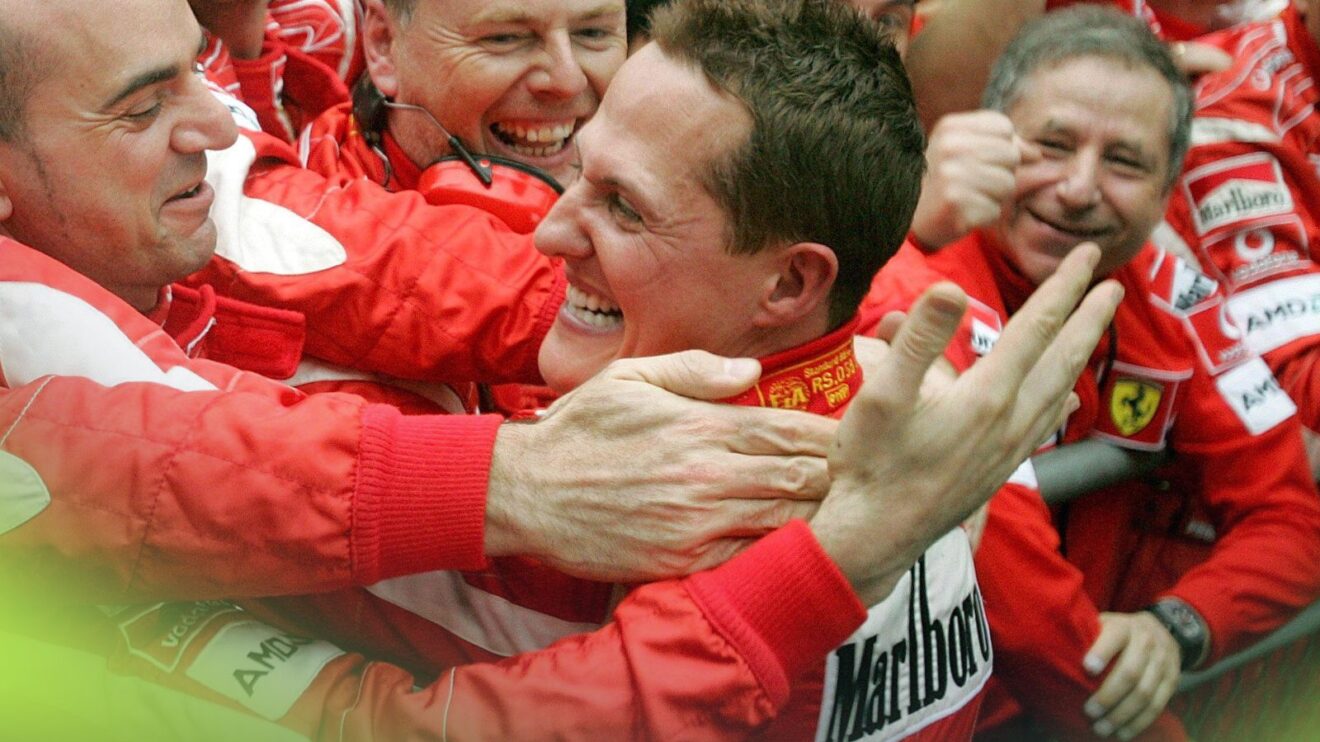
The timing sheets from 2004 still pulse like a steady heartbeat under pressure. Michael Schumacher's Ferrari run that year delivered 13 wins from 18 races with near-zero deviation in qualifying pace across circuits that punished inconsistency. Those numbers reveal a driver whose intuition thrived without real-time telemetry flooding every decision. Contrast that with today's paddock chatter around Christian Horner and the story fractures. Ralf Schumacher's podcast claims paint a reputation so toxic that no team will touch the former Red Bull boss. Yet the data tells a colder tale of a sport shedding human variables for algorithmic certainty.
Reputation Narratives Versus the Numbers
Ralf Schumacher's assertions on the Backstage Boxengasse podcast land as classic paddock theater. He described Horner as having "changed" through success, now seen as self-focused, with the result that top engineers would reportedly balk at any team led by him. The German analyst added that such an appointment would force recruitment of raw university graduates instead of proven talent. These claims echo through rumors linking Horner to Alpine or Aston Martin, only to slam shut.
- Bold figures from Red Bull's dominant years show Horner overseeing 100-plus wins and multiple championships.
- Drop-off patterns in team performance often correlate more with regulatory shifts than single personalities.
- No public timing or personnel dataset yet confirms mass refusals from engineers.
My read of the sheets suggests the damage narrative gains traction because it fills gaps where raw performance metrics stay silent.
The same logic applies to Adrian Newey's reported struggles at Aston Martin. Helmut Marko noted the designer is "not doing well" amid Honda power unit integration challenges for 2026. Again, the story leans on hearsay rather than correlating lap time variance with documented life or management pressures.
Data's Slow March Toward Sterile Racing
Within five years the grid will tilt fully toward robotized protocols. Pit calls will arrive from algorithms scanning tire degradation curves in real time, stripping drivers of the split-second feel that defined Schumacher's 2004 consistency. Horner’s exit fits this shift. Teams will favor principals who treat personnel as interchangeable data nodes rather than volatile talents whose intuition might clash with central models.
"Hiring Horner would deter current top engineers and personnel from joining a team."
That quote from Schumacher captures the fear. Yet the deeper risk is not one man's reputation. It is the suppression of the very human variables that once produced flawless seasons like Schumacher's. Charles Leclerc's qualifying runs from 2022-2023 already demonstrate how Ferrari's strategic overlays can distort raw pace data, inflating an error-prone label that the stopwatch itself does not support. The same distortion now targets Horner.
- Lap time deltas under stress reveal pressure points invisible to gossip.
- Over-reliance on telemetry erodes the emotional archaeology buried in every sector time.
- Future lineups will optimize for predictability, not heartbeat variability.
The Narrow Path Forward
Horner’s options shrink not solely from personal fallout but from an ecosystem that increasingly values compliant data streams over proven leadership instincts. Unless a team owner bets on the outlier who still trusts driver feel alongside analytics, the architect of Red Bull’s dynasty stays sidelined. The 2004 benchmark remains instructive. Schumacher did not need constant external correction to deliver dominance. Modern F1 risks forgetting that lesson as algorithms claim the wheel.
Join the inner circle
Get the deep dives and technical analysis from the world of F1 delivered to your inbox twice a week.
Zero spam. Only high-octane analysis. Unsubscribe anytime.
Continue Reading
View More News