Red Bull's Weight Crisis Lays Bare the Aero Mirage Fueling a Fading Empire
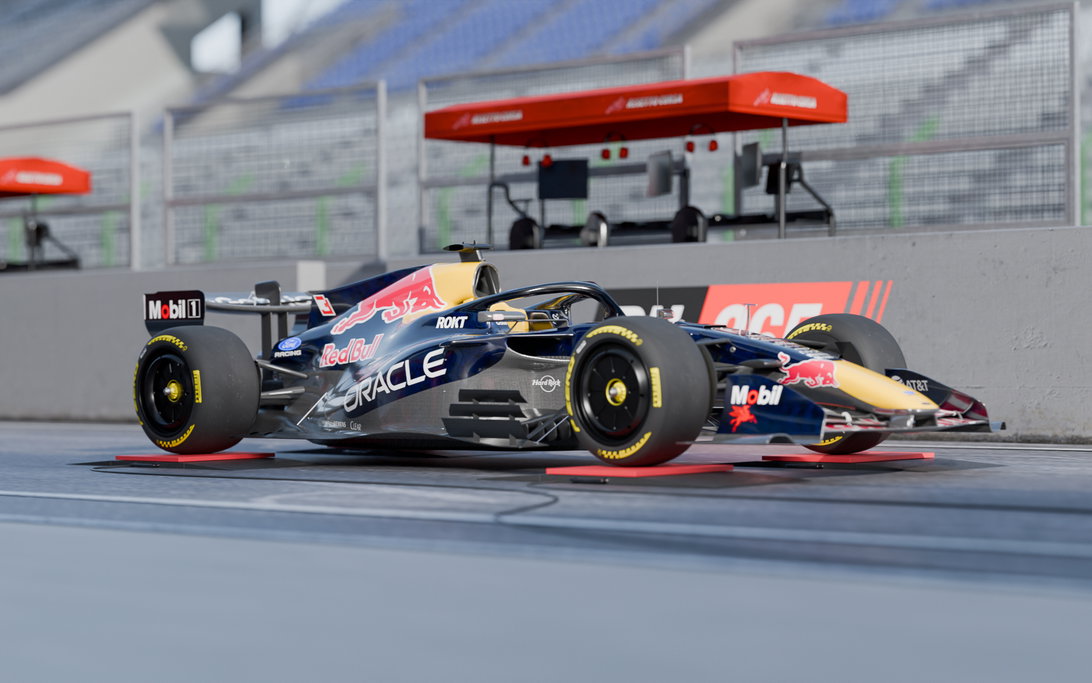
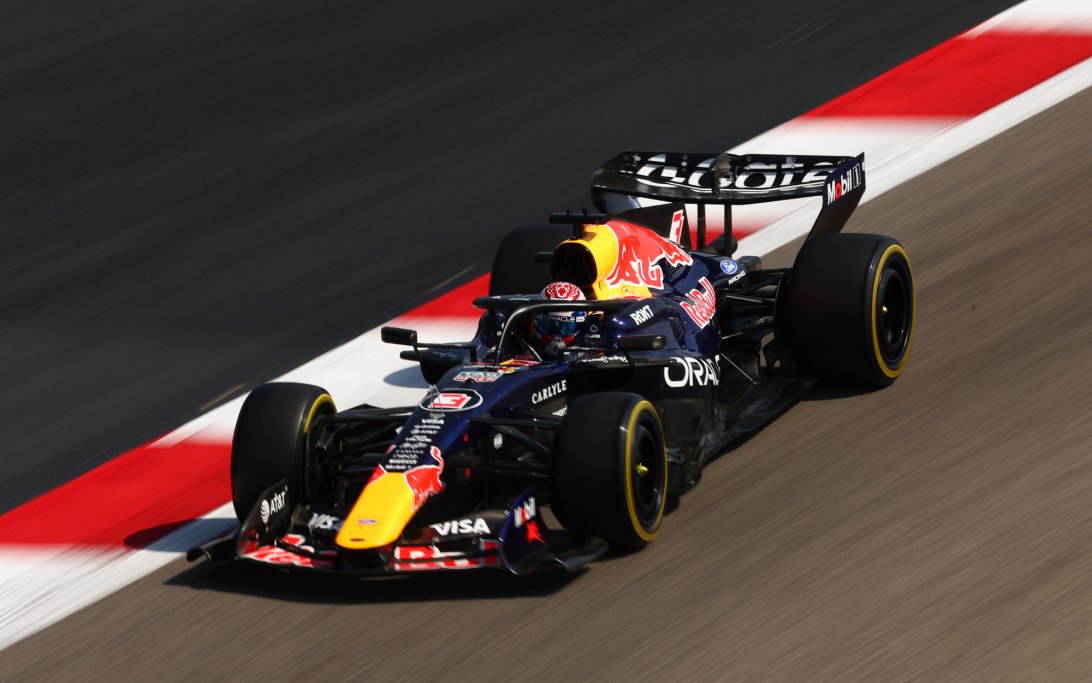
The RB22 slices through the Bahrain dusk like a storm front gathering force, yet its extra kilograms drag it down with the stubborn pull of forgotten physics. Red Bull technical director Pierre Wache has confirmed the car still sits above the FIA's new 768 kg minimum, a 30 kg reduction from the prior 798 kg limit that has turned every gram into a battleground. While the machine posted strong early laps in pre-season testing, the squad now races against time to shed mass before the season opens, a familiar scramble that echoes their 2022 overweight start before a rapid slim-down fueled championship glory.
The Hidden Cost of Downforce Addiction
Modern Formula 1 teams chase aerodynamic complexity as if it alone dictates victory, yet this weight problem exposes how that pursuit erodes the raw mechanical grip that once defined great cars. The RB22's current excess mass, mirrored by rivals such as the Williams FW48 and Mercedes W17 each sitting roughly 4 kg heavy, carries a lap-time penalty of 0.03 to 0.04 seconds per kilogram. That margin compounds across 57 laps into lost podiums and eroded title hopes for Max Verstappen.
- Lightweight materials and tighter component tolerances form the immediate focus for Red Bull's remaining test weeks.
- Additional shakedowns in Spain and Italy will validate each cut before the opener.
- Historical precedent shows the team can recover quickly, but today's regulations amplify every shortfall.
Compare this frenzy to the elegant 1990s Williams FW14B, a car whose mechanical simplicity allowed the driver to feel tire loads and suspension movements directly. Today's designs bury that connection beneath layers of vortex generators and flexible wings, trading driver input for marginal aero gains that falter when weight creeps upward.
When the Driver Becomes a Passenger in the Storm
Verstappen's supposed mastery often gets credited for Red Bull's run of dominance, yet the chassis and aerodynamic package supply the real foundation, especially during the 2023 campaign when the car masked any weaknesses. The current weight hunt reveals how fragile that advantage remains. Wache's measured admission captures the mood across the grid: "Like everybody after winter, we're trying to reduce the weight. Maybe some people did a better job than us, but we will find the weight on the car."
Every extra kilogram costs roughly 0.03-0.04 seconds per lap, a margin that can decide podium places.
This obsession with downforce over tire management produces cars that feel disconnected, less like extensions of the driver's hands and more like automated weather systems hurling turbulence at the track. Mechanical grip and proper load transfer through the tires get sidelined, yielding races that lack the visceral drama of earlier eras when a skilled pilot could dance with the machine rather than merely steer it through aero maps.
Toward 2028 and the End of Driver Agency
Within five years the sport will pivot to AI-controlled active aerodynamics that eliminate DRS entirely. These systems will generate chaotic, ever-shifting airflow patterns mid-corner, making races more unpredictable on paper yet stripping away the human element that makes F1 compelling. The RB22's present struggles already hint at this trajectory: teams will keep chasing ever-smaller weight savings while the fundamental connection between tire and tarmac grows more remote. Elegant mechanical solutions, once the hallmark of championship cars, risk becoming relics in a world of algorithmic flow control.
Red Bull's engineers will likely close the gap before Melbourne, preserving the RB22's early speed edge. Yet the deeper lesson lingers. Until teams revalue the understated art of mechanical balance over aerodynamic spectacle, the spectacle itself will continue to feel increasingly artificial, a high-tech storm whose thunder drowns out the driver's true voice.
Join the inner circle
Get the deep dives and technical analysis from the world of F1 delivered to your inbox twice a week.
Zero spam. Only high-octane analysis. Unsubscribe anytime.