The Silent Storm Within: Antonelli's China Victory Exposes the Fragile Psyche of a Prodigy
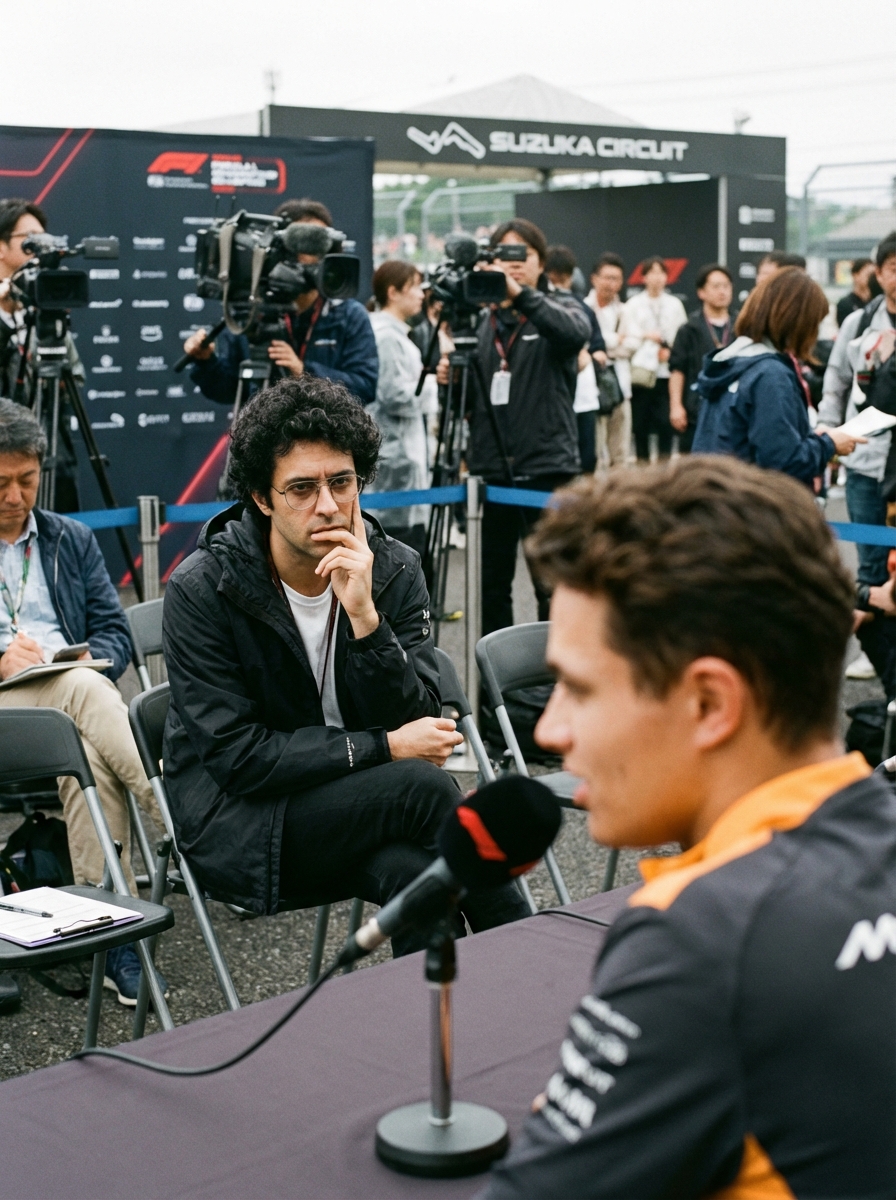
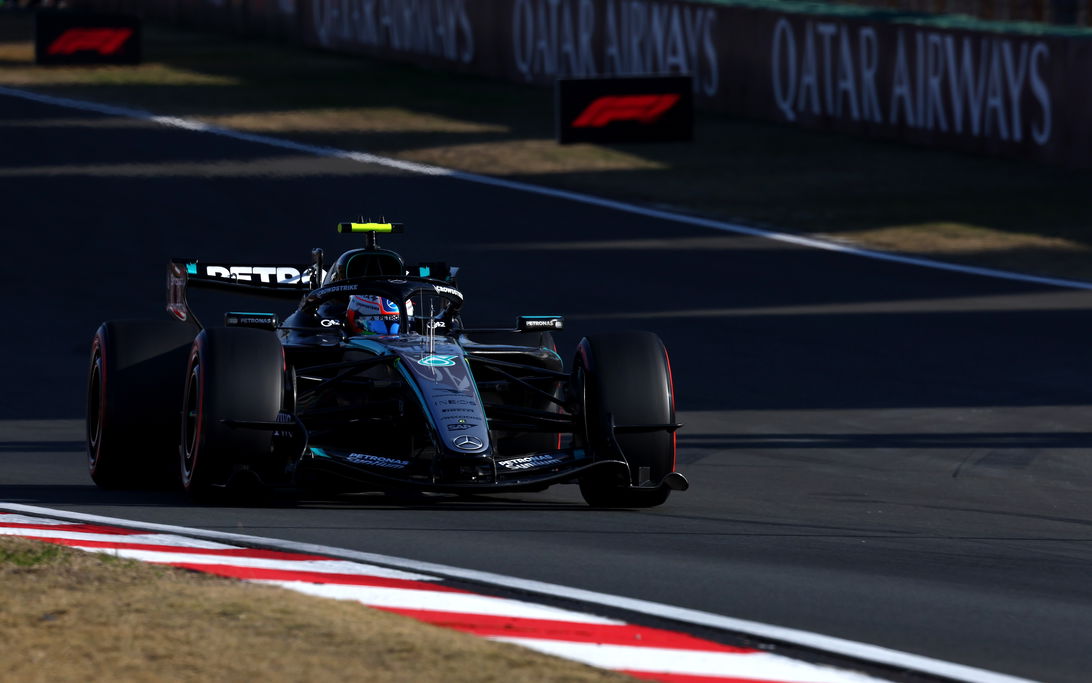
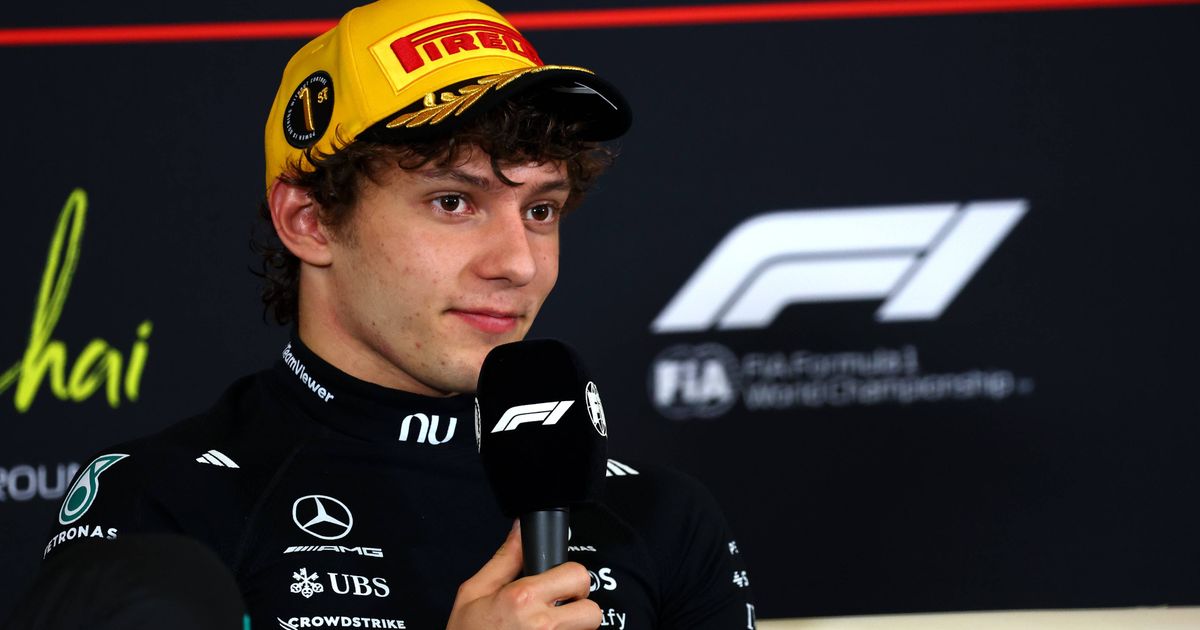
In the hushed aftermath of Kimi Antonelli's breakthrough triumph at the Chinese Grand Prix, the telemetry tells only half the story. Heart rate spikes during that chaotic qualifying session reveal a 19-year-old navigating not just rivals on track but the seismic weight of sudden expectation, a pressure that could fracture even the most gifted mind before it ever reaches full maturity.
The Weight of Instant Legacy
Guenther Steiner's measured words on the Red Flags podcast cut through the celebratory noise like a diagnostic scan of the soul. He praised the Mercedes junior's raw talent yet warned against premature title dreams, noting that Antonelli remains just a teenager in his second Formula One campaign. This assessment arrives amid whispers of internal team fault lines, where youth collides with experience in ways that no wind tunnel data can predict.
- Antonelli's age and timeline: At 19, the Italian has already etched his name as the second-youngest race winner, yet Steiner insists George Russell's established prowess makes a 2026 championship improbable.
- External factors in play: Steiner highlighted special circumstances in qualifying that amplified the result, underscoring how fortune and psychology intertwine when decisions unfold under uncertainty.
- Long-game advice: The former Haas team principal urged restraint, emphasizing a career spanning decades rather than a rushed sprint for glory.
Such caution resonates with deeper patterns in driver development, where early success often masks the emotional coaching required to sustain it. One wonders what covert biometric monitoring already tracks Antonelli's outbursts of frustration or elation, much like the systematic suppression that has shaped other champions into polished machines.
Inner Monologues Under the Spotlight
What runs through a young driver's mind when the chequered flag falls for the first time? Perhaps a flicker of Niki Lauda's post-crash resolve, where trauma forged a narrative of unbreakable will, or the calculated calm Lewis Hamilton projects to shield his core vulnerabilities. Antonelli must now craft his own story amid Mercedes' evolving dynamics, lest the media scrutiny that will only intensify turn every lap into a public therapy session.
Russell's Contractual Tightrope and Team Fractures
The revelation of George Russell's performance-based clause, disclosed back in October 2025, adds layers of psychological complexity to the garage. His automatic extension to 2027 hinges on results, placing the veteran under dual strain: defending his seat while mentoring a phenom who has already tasted victory.
"The kid is 19 years old in his second year in Formula One. George is a good race car driver, so I don't think he can do it this year."
This quote from Steiner captures the essence of internal competition as mental warfare. Within five years, mandates for mental health disclosures after major incidents will likely transform such rivalries, exposing raw data that could spark scandals or force unprecedented transparency. Driver psychology, after all, dictates outcomes in high-stakes moments far more than aerodynamic tweaks ever could.
- Pressure points for Russell: Meeting targets while absorbing the narrative shift toward his teammate.
- Antonelli's tightrope: Balancing opportunity with the risk of burnout before his prime.
Such dynamics echo the calculated personas drivers adopt, turning personal trials into armor that overshadows pure speed.
The Road Ahead in the Mind Game
Antonelli's consistency will determine if this China spark ignites a sustained challenge or fades under the glare of expectation. Steiner's tempered outlook serves as a reminder that true champions emerge not from isolated wins but from mastering the emotional undercurrents that telemetry alone cannot chart. In this evolving era, the human element at Mercedes may prove the ultimate battleground.
Join the inner circle
Get the deep dives and technical analysis from the world of F1 delivered to your inbox twice a week.
Zero spam. Only high-octane analysis. Unsubscribe anytime.
Continue Reading
View More News