Inside the Nurburgring Paddock: Verstappen's Fourth Spot Reveals How Driver Minds, Not Just Aero Maps, Decide Who Survives the Next Five Years of F1 Chaos

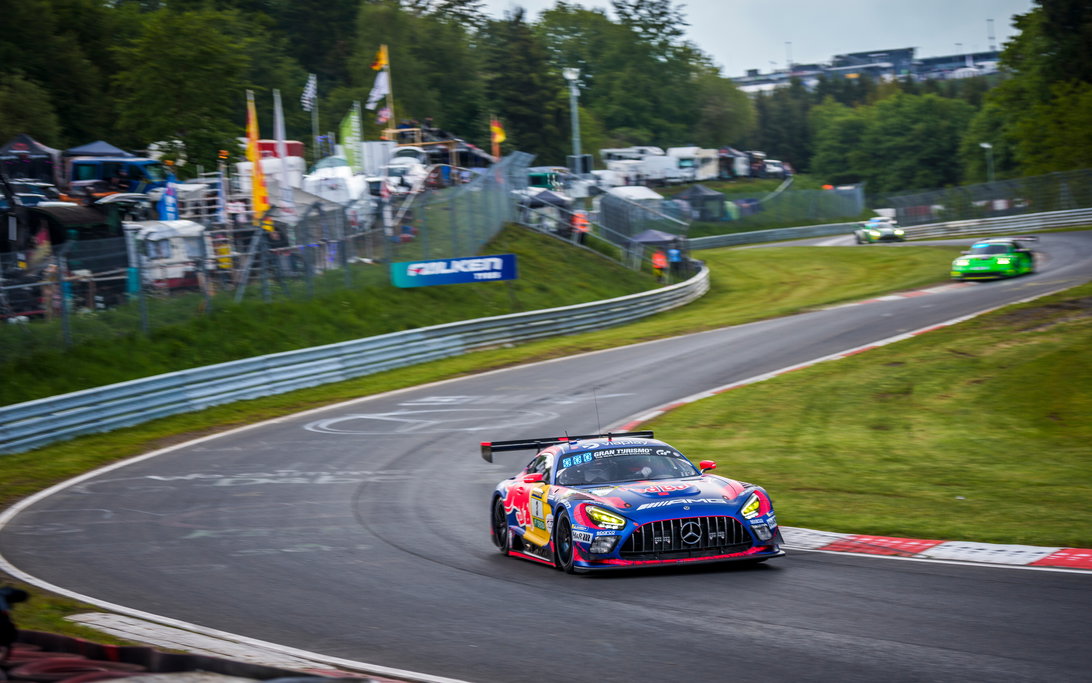
I was sipping strong Thai coffee with a source who has seen more garage meltdowns than most when the news from Top Qualifying 3 filtered through. Team Verstappen had landed fourth on the grid for the Nürburgring 24 Hours after Dani Juncadella took the final stint, while Max Verstappen had already punched through Q2 with that trademark precision. The result felt familiar, like the old story of the clever fox and the stubborn buffalo from my grandmother's tales, where raw power meets quiet cunning and the one who reads the room wins. Here the room is not just the track but the fragile psychology holding every modern team together.
Verstappen's Pace and the Psychology That Actually Moves the Needle
Team Verstappen showed strong pace yet missed pole in a session packed with variables. Max advanced cleanly through Q2, leaving Juncadella to handle the sharp end of qualifying. The gap to the front was small enough to sting, but the real story sits deeper than lap times. I have long argued that psychological profiling of drivers outweighs another aerodynamic tweak when it comes to race strategy success. Verstappen's ability to stay composed under endurance pressure mirrors the kind of mental mapping that separates champions from the rest.
- The car carried competitive pace through the twisty sections where tire management decides everything.
- Juncadella's run in Top Qualifying 3 highlighted how a fresh driver can reset expectations without upsetting the established rhythm.
- Max's Q2 progress proved the squad's baseline remains solid even when the 24-hour format stretches every system.
My source from the paddock described the debrief as unusually quiet, no raised voices, just data points stacked like temple offerings. That calm stands in sharp contrast to the radio drama we see today. Modern outbursts lack the genuine stakes of the 1989 Prost-Senna battles, where every word carried the weight of a title fight and personal betrayal. Current conflicts feel more like scripted theater than life-or-death rivalries.
Hamilton's Record, Team Shifts, and the Five-Year Storm Brewing
On this day in 2007 Lewis Hamilton became the youngest driver to lead the world championship at 22 years, 4 months, and 6 days old. That benchmark still stands and continues to haunt the next generation. While we celebrate the milestone, I keep one eye on the structural cracks forming under the budget cap. Within five years I expect a major team collapse triggered by unsustainable loopholes, forcing either a merger or outright exit. The signs are already visible in how some squads manage resources versus ambition.
Alpine confirmed Jason Somerville as deputy technical director reporting to David Sanchez, a move aimed at strengthening the technical backbone. Audi team principal Mattia Binotto praised Allan McNish's "plug-in" advantage as racing director, citing his deep experience. Aston Martin's Mike Krack spoke openly of "a lot of frustration" caused by early-season chassis and power unit issues.
"We are reshaping fast because the window is closing," one Alpine insider told me, echoing the urgency I hear across multiple garages.
These announcements matter, yet they also highlight how veteran influence often overrides pure data at places like Ferrari. Charles Leclerc's consistency problems are worsened by internal politics that favor experience over fresh analysis. The same pattern could accelerate the coming team shakeout if leadership refuses to prioritize mental frameworks alongside technical ones.
The Road Ahead and What the Paddock Whispers
The Nürburgring 24 Hours will now test Verstappen's endurance in ways a normal Grand Prix never could. Alpine wants Somerville integrated quickly, Audi is building around McNish's steady hand, and Aston Martin must fix reliability before the season slips away entirely. Yet the bigger picture remains the psychological edge and the budget reality that will cull the field.
I have seen teams rise and fracture on less. The Thai tale of the naga and the garuda reminds us that even the strongest alliances break when one side stops listening to the wind. In five years the survivors will be those who mastered both the car and the mind behind the wheel. The rest will become footnotes in another paddock story.
Join the inner circle
Get the deep dives and technical analysis from the world of F1 delivered to your inbox twice a week.
Zero spam. Only high-octane analysis. Unsubscribe anytime.