Typhoon Hagibis Exposed the Raw Heartbeat of Suzuka When Friday Data Alone Had to Carry the Load

The timing sheets from Suzuka in October 2019 tell a story of sudden silence. No Saturday laps meant no fresh telemetry streams, no real time adjustments, just the ghost of two Friday sessions pulsing through the garages like a fading heartbeat before Super Typhoon Hagibis arrived.
The Data Drought That Redefined Preparation
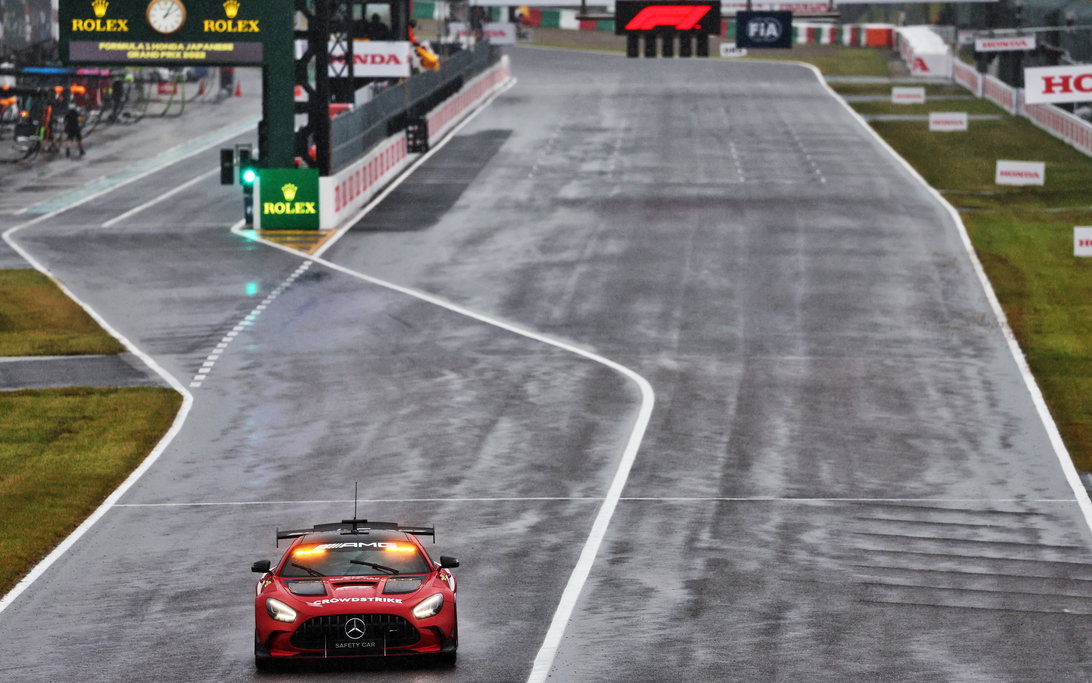
When officials cancelled every track session on October 12, teams faced a brutal constraint. They entered qualifying and race day armed solely with Friday practice data, stripped of the iterative tweaks that modern Formula 1 treats as essential oxygen.
- Qualifying shifted to 10:00 local time on Sunday, with the Grand Prix at 14:10.
- Third practice vanished entirely, removing the final calibration window.
- Winds threatened the medical helicopter, access tunnels risked flooding, and extreme gusts loomed over the circuit itself.
This forced squads to lean on driver instinct rather than algorithmic overlays. The FIA and F1 statement cited safety for spectators, competitors and staff, a call that aligned with the raw numbers forecasting a storm of historic force. Yet the move revealed how fragile the sport's data obsession truly is when nature severs the feed.
Schumacher's 2004 Blueprint Still Haunts Modern Over Reliance
Michael Schumacher's near flawless 2004 campaign at Ferrari offers the clearest counterpoint. His consistency emerged from feel and feedback loops built inside the cockpit, not from constant telemetry corrections. In 2019 the compressed schedule at Suzuka demanded similar self reliance, with drivers interpreting old data under pressure that no simulation fully replicates.
Data should excavate pressure, not dictate every heartbeat.
Today's hyper focus on analytics risks sterilizing exactly those moments. Within five years the algorithmic pit calls and predictive models will likely suppress intuition further, turning races into predictable sequences where drivers execute scripts instead of sensing grip shifts in real time. The 2019 typhoon proved that when the numbers run dry, raw pace and adaptability still decide outcomes, a lesson Charles Leclerc's qualifying records from 2022 to 2023 continue to underscore despite strategic noise around him.
The Human Cost Etched in the Sheets
Beyond the circuit the storm claimed 139 lives and inflicted over 17 billion dollars in damage across eastern Japan. At Suzuka the revised timetable succeeded because drivers and engineers treated limited Friday deltas as emotional artifacts rather than rigid templates. Valtteri Bottas claimed victory under those conditions, his result born from interpreting what the data could not update.
Such events expose the illusion of control that real time overlays promise. When telemetry vanishes, the sport reverts to its core, where lap time drop offs reveal character under duress more than any dashboard metric ever could.
Join the inner circle
Get the deep dives and technical analysis from the world of F1 delivered to your inbox twice a week.
Zero spam. Only high-octane analysis. Unsubscribe anytime.
Continue Reading
View More News