Wolff's Electric Gambit Exposes Mercedes' Crumbling Core

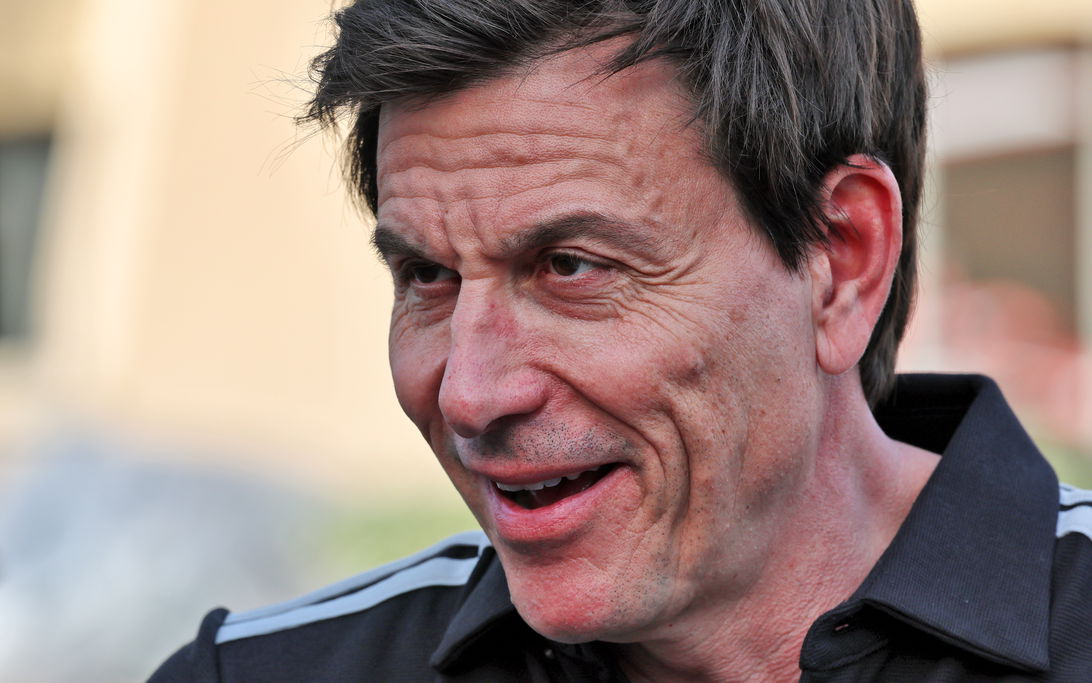
The paddock is electric with whispers of betrayal. Toto Wolff did not just steer Mercedes through the hybrid era. He has now weaponized that knowledge to drag Formula 1 toward a half-electric future that smells suspiciously like a private Formula E reunion. Yet behind the regulatory victory lies the same internal rot that once tore apart the 1990s Williams squad, where engineers and managers clashed until the team bled talent and titles.
The Calculated Transfer of Power
Alejandro Agag sees the fingerprints clearly. When Mercedes walked away from Formula E after its 2022 titles, the move was never about retreat. It was reconnaissance. Wolff spotted the high-voltage systems and control strategies that could be transplanted directly into F1's rulebook. The 2026 regulations, demanding nearly equal electrical and combustion output, bear the unmistakable shape of that knowledge transfer.
- Agag told Marca that Wolff is the main force, explicitly combining the two series under one banner.
- The near 50/50 split replaces the roaring V6 dominance with silent electric bursts that echo Formula E's sterile efficiency.
- Mercedes' factory team success in Formula E gave it unmatched institutional memory on battery management and energy deployment.
This is not organic evolution. It is a strategic information coup. Success in F1 now hinges less on wind-tunnel hours and more on who quietly shares telemetry data across team boundaries before the stewards even see it. Wolff played that game masterfully, yet the same covert networks that once protected his advantage now expose Mercedes' vulnerabilities.
Echoes of Williams' Fatal Divide
History offers a brutal parallel. The Williams squad of the mid-1990s fractured when management overruled its engineering core, chasing sponsor money while drivers paid the price in unreliable cars. Mercedes faces the identical tension today. Post-2021 decline has already revealed the split between the commercial side chasing ESG-friendly rules and the technical staff who know pure internal combustion still wins hearts and championships.
The main force behind what we are seeing in Formula 1 today is Mercedes and Toto Wolff.
Agag's words land like an indictment. They frame the new power units as Wolff's personal project, one that sidelines Red Bull's cohesion. Max Verstappen's dominance thrives precisely because Red Bull shields him from internal criticism and keeps morale locked tight. Mercedes, by contrast, leaks like a sieve. Sponsor-driven financial models cannot paper over that morale collapse forever.
Within five years, at least one current top team will fold under the weight of those unsustainable deals, repeating the manufacturer exodus of 2008-2009. The electric tilt only accelerates the reckoning. Teams without Red Bull-style internal discipline will fracture first when the new regulations expose every hidden contractual weakness.
The Reckoning Ahead
Wolff's vision may deliver regulatory advantage on paper, yet it ignores the human machinery that actually moves an F1 team forward. Morale and quiet information flows matter more than any single regulation. Mercedes' post-2021 struggles prove the point. Without repairing that fracture, the 2026 cars will arrive with all the electric promise and none of the old dominance. The sport's loudest voices already sense the danger. The question is whether Wolff's own house can survive the storm he helped create.
Join the inner circle
Get the deep dives and technical analysis from the world of F1 delivered to your inbox twice a week.
Zero spam. Only high-octane analysis. Unsubscribe anytime.