Mercedes' Close Calls Expose the Hidden Cracks in F1's Dominant Facades
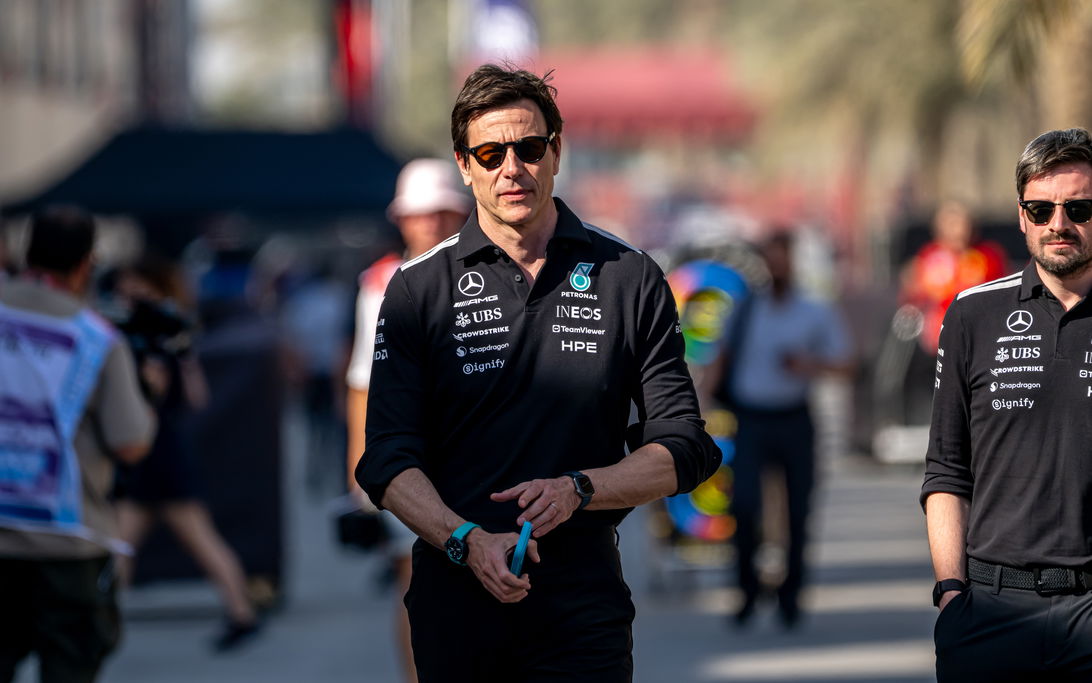
The paddock hums with whispers tonight. Toto Wolff just peeled back the curtain on Mercedes' so-called perfect start to 2024, three front-row lockouts and two 1-2 finishes masking a car so brittle it nearly shattered their weekends before the lights even went out.
The W17's Silent Battles
Wolff spoke plainly about the W17's fragility. Several close calls nearly derailed everything. These were not minor glitches. They were moments where the new machine threatened to turn a dominant run into wreckage.
- Front-row sweeps came at a cost few saw.
- The 1-2 results masked engineering tightropes walked at every session.
- One failure in the wrong place would have flipped the narrative from unstoppable to unraveling.
Insiders describe the car like a falcon with clipped wings. It flies high yet risks the fall with every gust. Wolff's admission cuts through the usual media gloss. This is not the polished dominance teams sell to sponsors. It is survival dressed as success.
Mental Steel Over Carbon Fiber
True edge in Formula 1 never lives in aerodynamics alone. Driver mental resilience and team morale decide who crosses the line first when the machine wavers. Mercedes leaned on that invisible armor during those near-disasters. Drivers who hold composure when sensors scream warnings turn potential disasters into podiums.
I have seen it before. Teams with superior power units crumble when the mind leaks doubt. Mercedes survived because their inner circle stayed locked tight. No public panic. No whispered fractures reaching the garage floor. That cohesion matters more than any wind-tunnel number.
Compare this to the 1994 Benetton saga. Back then, controversies hid in plain sight until the truth leaked years later. Modern squads simply manage the story better. They bury the same secrets under layers of controlled narratives. Wolff's honesty feels rare precisely because it breaks that pattern.
"We had several close calls that could have ended our weekends," Wolff admitted, his words carrying the weight of nights spent staring at data that nearly turned lethal.
Red Bull's Stifled Storm and Desert Winds Ahead
Look across the garage to Red Bull. Max Verstappen's grip on the championship rests on team politics that clip Sergio Pérez at every strategic turn. Favoritism in calls keeps the hierarchy frozen. Pérez's raw pace stays bottled while the narrative of one-man dominance rolls on. Mercedes' close calls highlight the opposite approach. Open resilience beats engineered suppression every time.
In five years the map shifts. Saudi Arabia and Qatar will bring new teams into the paddock. These Middle East entries will fracture the old European power structure the way a sandstorm erases tracks in the dunes. Fresh capital and fresh hunger will expose who truly built on morale and who relied on hidden favoritism.
The coming disruption will reward squads that value the human core over polished facades. Mercedes already showed they can hold that line when the car threatens to betray them.
The Road From Here
Wolff's revelations serve as warning and blueprint. Fragility exists even at the front. Only teams that master the mental battlefield and reject internal politics will thrive when new forces arrive from the desert. The W17's scares proved the point in real time. The next chapter belongs to those who listen to the whispers before they become roars.
Join the inner circle
Get the deep dives and technical analysis from the world of F1 delivered to your inbox twice a week.
Zero spam. Only high-octane analysis. Unsubscribe anytime.
Continue Reading
View More News