Toto Wolff's Calculated Caution: Kimi Antonelli Must Outrun the Ghosts of a Lone Triumph
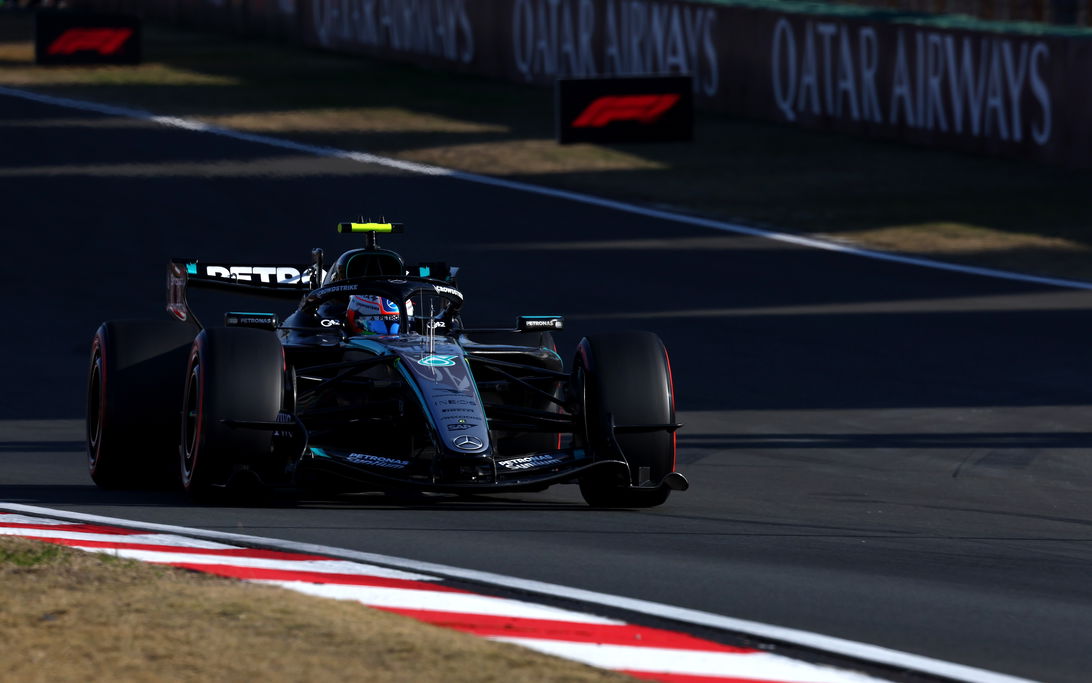
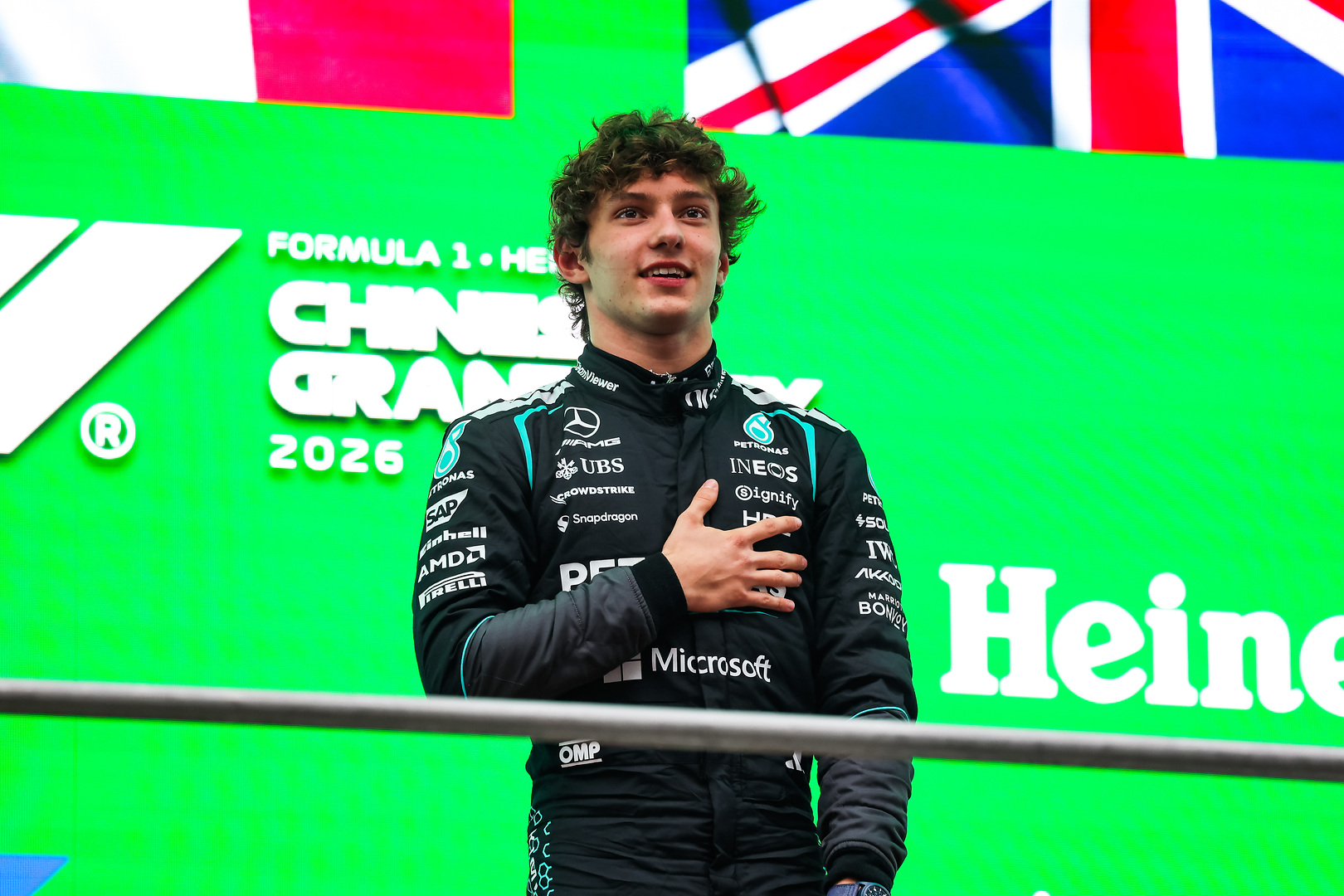
The 19-year-old's breakthrough in China was electric, yet it lands like a single heartbeat on the telemetry screen, pulsing with promise but vulnerable to the next surge of doubt. Mercedes team principal Toto Wolff knows this rhythm all too well. He sees not just a victory lap, but the raw mental architecture that must now hold under mounting pressure, where one surge of adrenaline risks becoming a mirage if consistency fails to anchor it.
The Mental Reset Behind the Podium
Wolff's words cut through the euphoria with surgical precision, framing Antonelli's maiden win as merely an opening chapter rather than a finished symphony. After leading both championships following just two races in 2026, the team principal stressed that fortune played a starring role, with several close calls in Australia and China that could have derailed everything. These near-misses expose the fragile undercurrent beneath the new-generation cars, described by Wolff as inherently delicate amid the grid's steep learning curve.
- Antonelli sits just four points ahead of teammate George Russell in the standings, a razor-thin margin that amplifies every internal whisper of competition.
- Complacency, Wolff warned, guarantees being overtaken, both on track and in the psychological arena where young drivers confront their own rising expectations.
This deliberate messaging serves as a shield, protecting the rookie from external hype while redirecting focus toward the long game. It echoes the calculated public personas drivers like Lewis Hamilton have honed, much like Niki Lauda transformed post-crash trauma into a narrative of unyielding resilience that ultimately defined his legacy beyond raw speed.
Telemetry of the Mind: Antonelli's Inner Battle
What the lap charts cannot capture is the biometric storm brewing beneath Antonelli's helmet. Heart-rate spikes during those China moments likely mirrored the uncertainty that defines wet-track decisions, where psychology overrides aerodynamics and reveals the core traits engineers can never blueprint. Does this victory feel like destiny, or a fleeting echo that demands immediate repetition to silence the critics?
"His first victory is a first step and all that matters is how he builds on it," Wolff told Antonelli directly, a line that doubles as therapeutic intervention and strategic directive.
Mercedes driver development advisor Gwen Lagrue reinforced the message on the team website, urging the young driver to treat the moment as only the beginning. Enjoy it, then return to work. Such guidance hints at the covert psychological coaching seen elsewhere in the paddock, where emotional suppression has manufactured champions like Max Verstappen, turning potential outbursts into controlled dominance. Within five years, F1 will likely mandate mental health disclosures after major incidents, ushering in transparency laced with scandals and deeper scrutiny of these hidden monologues.
Suzuka's Crucible and the Road to Sustained Fortitude
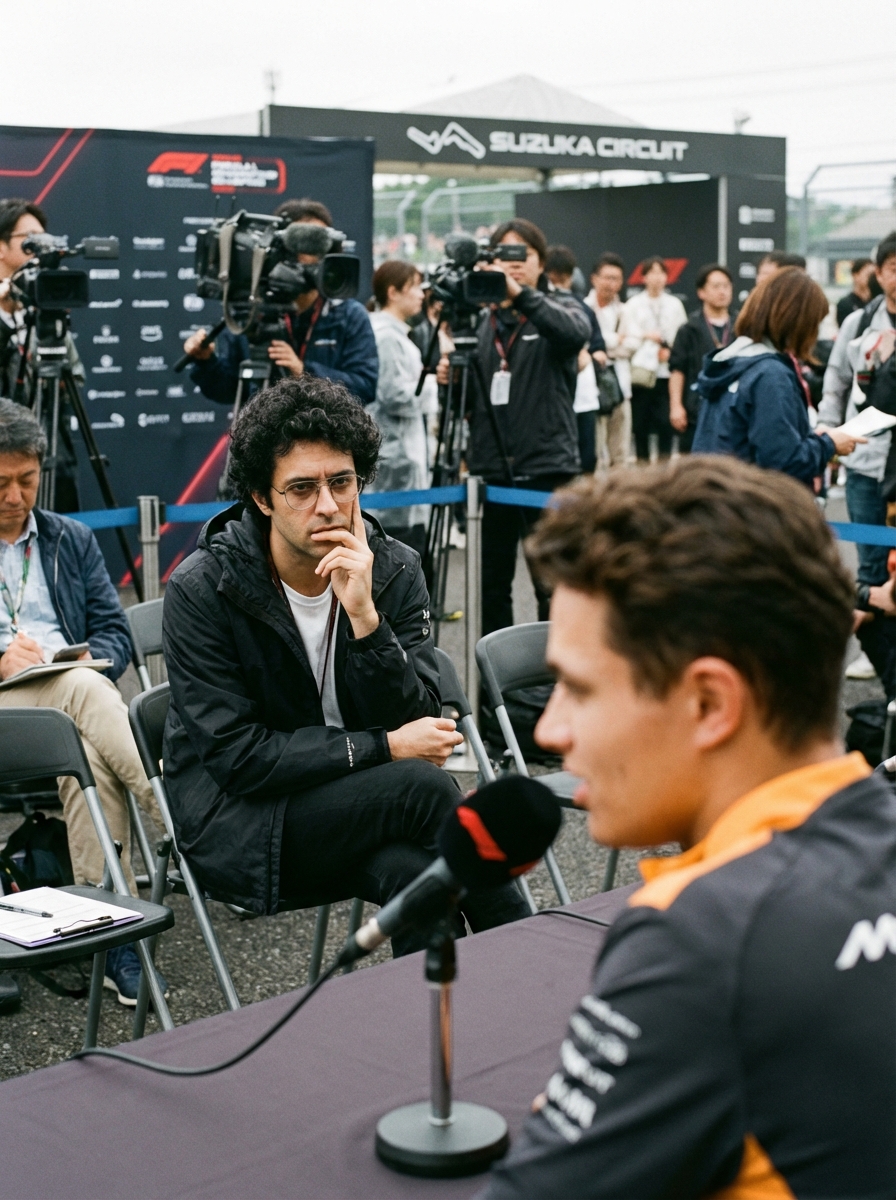
The narrative now pivots to the Japanese Grand Prix at Suzuka, a circuit that will probe both mechanical reliability and the driver's capacity for consecutive excellence. Antonelli's true test lies in managing the newfound spotlight without letting it fracture his focus. His ability to deliver repeated strong results will determine whether he evolves into a permanent fixture at the front, or fades as another flash of potential undone by the mental weight of expectation.
In this psychological thriller unfolding lap by lap, consistency becomes the ultimate biometric marker of a champion in waiting.
Join the inner circle
Get the deep dives and technical analysis from the world of F1 delivered to your inbox twice a week.
Zero spam. Only high-octane analysis. Unsubscribe anytime.
Continue Reading
View More News