Cadillac's Aero Tempest Lays Bare the F1 Myth of Downforce Over Mechanical Connection
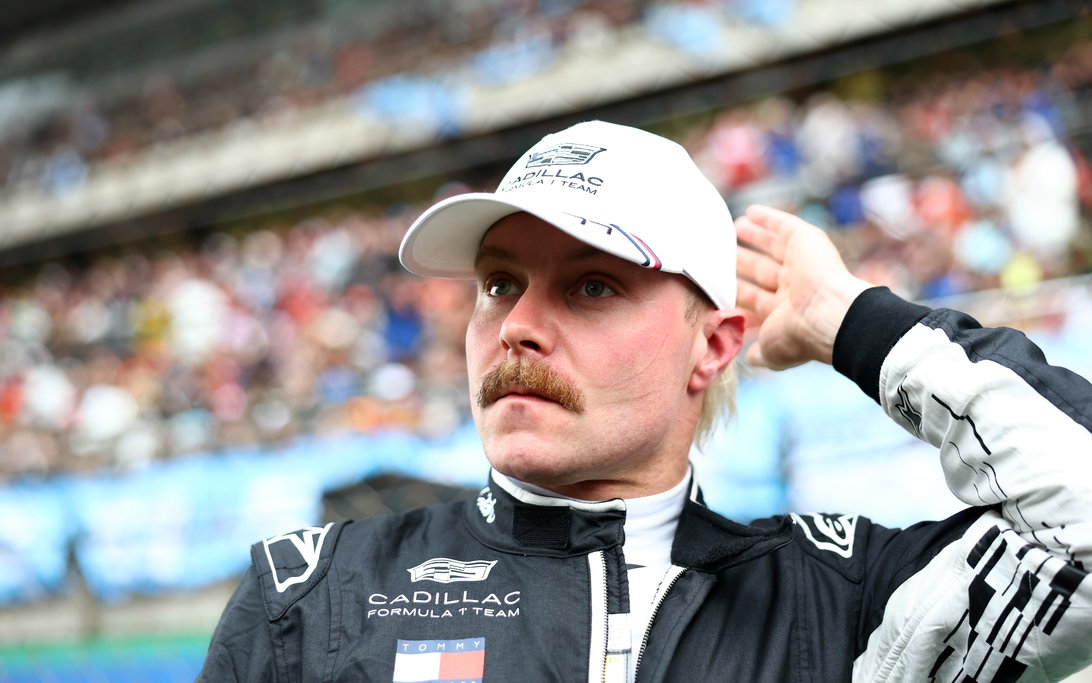
Bottas stands calm in the eye of Cadillac's early storm, yet the MAC-26's struggles in high-to-medium speed corners expose a deeper engineering folly that has gripped Formula 1 for too long. The American team's tenth-place championship position after four races feels less like a surprise and more like the inevitable result of chasing aerodynamic complexity while neglecting the raw tire-to-tarmac dialogue that once defined great cars. His thirteenth in China flickers as a reminder that hidden pace gains matter little if the fundamentals remain unbalanced.
The Cornering Weakness That Defines Modern F1 Illusions
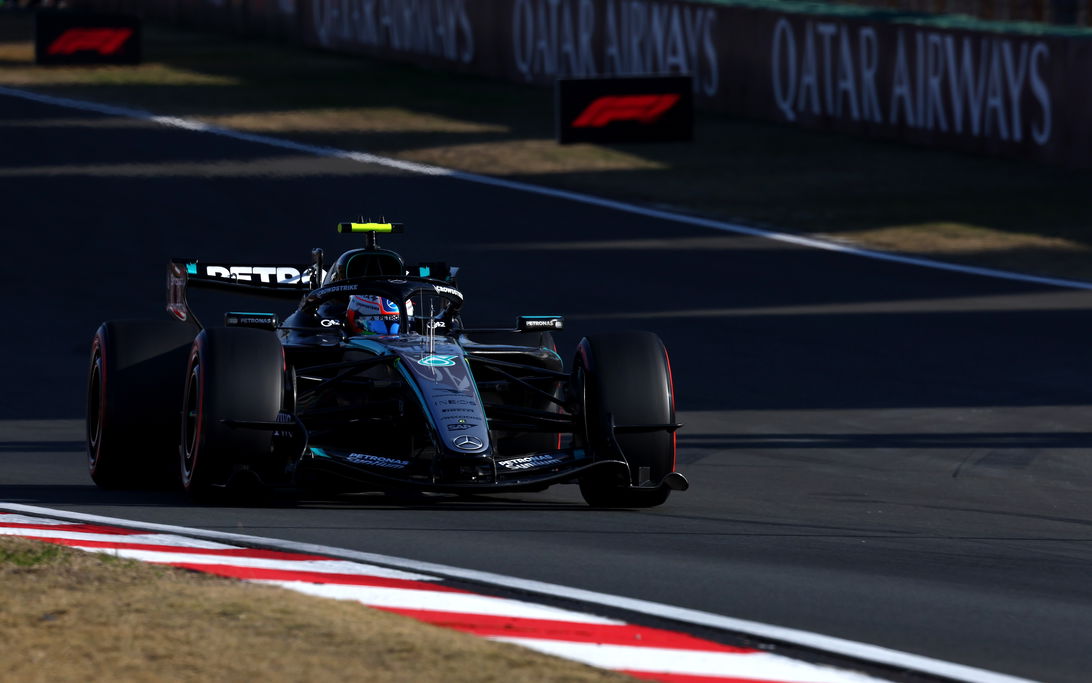
Valtteri Bottas has identified the MAC-26's clear shortfall in high-to-medium speed turns with the precision of an engineer who has seen it all. This is no marketing setback dressed up as progress. It stems from an obsession with downforce that leaves mechanical grip and tire management starved of attention, turning what should be a driver's dialogue with the car into a one-sided battle against turbulent airflow.
- The chassis falters precisely where balance and throttle control should shine.
- Montreal's low-to-medium layout offers a temporary reprieve, but the underlying issue lingers.
- Current designs pile on aero layers at the expense of the elegant simplicity seen in classics like the 1990s Williams FW14B.
That FW14B harnessed active suspension and mechanical harmony to let drivers feel every nuance. Today's machines bury that connection beneath wings and vortices, producing less exciting racing even as lap times drop. Bottas's experience highlights how this trade-off reduces human input, leaving even seasoned hands wrestling inconsistent behavior rather than exploiting a car's natural strengths.
Upgrades and the Slow Grind Toward Consistency
The Miami developments delivered mixed signals, working in patches yet exposing the same aerodynamic inconsistencies that plague the car. Bottas refuses frustration, viewing the process as exactly what the new team signed up for.
There is no frustration. I knew there were going to be difficult times, but there are many hidden areas where we are improving the pace.
His measured tone cuts through the hype surrounding Cadillac's arrival. Real advancement requires smoothing the chassis without adding more aero bandaids. Tire management remains the undervalued art here. When downforce dominates design priorities, drivers lose the ability to manage degradation through feel alone, leading to the erratic pace swings observed so far.
Montreal as a Test Bed and the Road to 2028
Circuit Gilles Villeneuve's profile should suit the MAC-26 better, allowing clearer evaluation of whether upgrades have truly tamed the medium-speed demons. A points finish would mark meaningful progress, yet it would not resolve the sport's larger trajectory.
Within five years, active aerodynamics under AI control will sweep away DRS and static wing elements entirely. Races will grow more chaotic, yes, but also less dependent on individual driver skill as algorithms juggle surfaces in real time. Cadillac's current growing pains preview that shift. Teams still fixated on passive downforce will find themselves even further behind once mechanical grip regains its rightful emphasis.
The Bottas approach, patient and technically grounded, offers the only sane path forward amid this transition. Marketing narratives promise instant relevance, yet engineering reality demands the kind of deliberate refinement that values tire connection over storm-chasing wings.
Join the inner circle
Get the deep dives and technical analysis from the world of F1 delivered to your inbox twice a week.
Zero spam. Only high-octane analysis. Unsubscribe anytime.
Continue Reading
View More News