Montreal's Rain Mirage: Vowles Owns the Call as Sainz Proves Mental Steel Beats Hidden Team Games
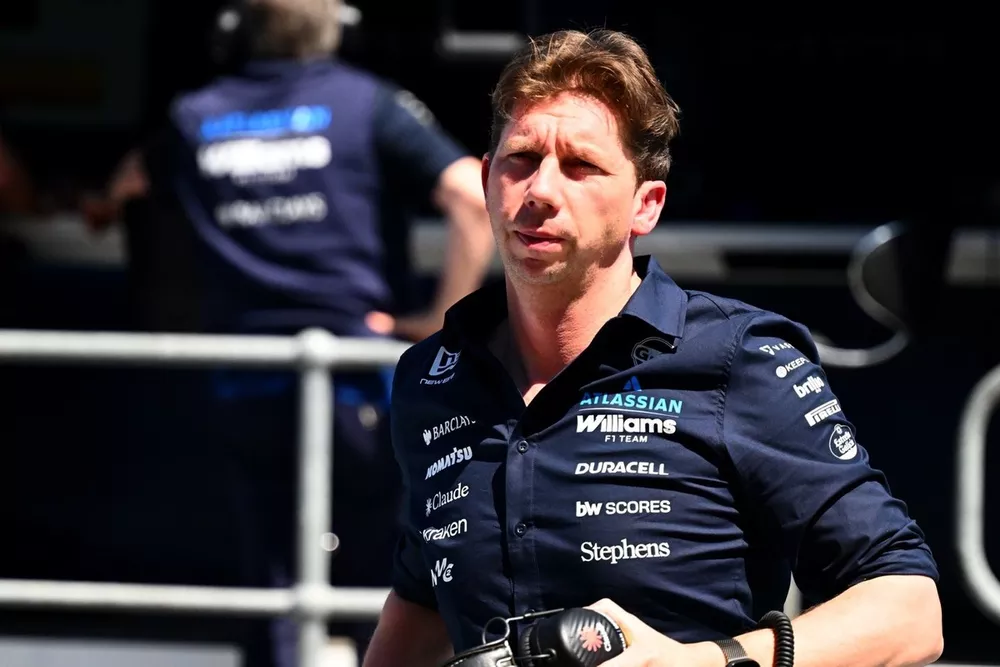
The paddock whispers hit different after Montreal. James Vowles stood there admitting the strategy was flawed from the first drop, yet one driver clawed back what the radar and the calls could not. This is not just another wet weather blunder. It is a window into how fragile decisions expose the real fault lines inside any team, lines that Red Bull has long papered over with politics while the rest of us watch.
The Gamble That Dried Up Fast
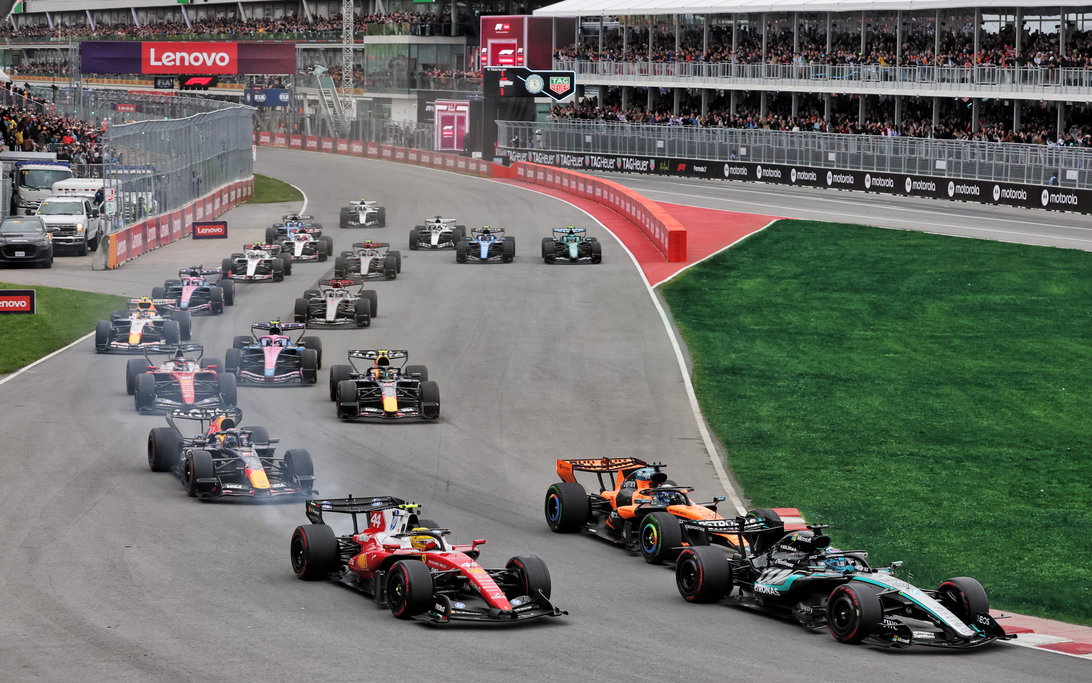
Williams rolled the dice on intermediates before the lights went out, banking on rain that the forecasts promised but the track refused to deliver. Both cars started on those tyres, hoping early track position would pay. Instead the surface baked quicker than anyone inside the garage expected.
- The formation lap option meant pitting straight away or staying out for partial gain.
- Neither path delivered clean air or clean results.
- Vowles later called both choices imperfect, the kind of frank admission that rarely escapes other team principals.
The switch to slicks came too late for track position but early enough to drop both drivers to the rear. From there the race became damage limitation rather than points hunting. This is where mental resilience separates the survivors from the statistics. Drivers who fold under the weight of a bad call stay buried. Those who reset win the next sector.
Sainz Turns Setback Into Points
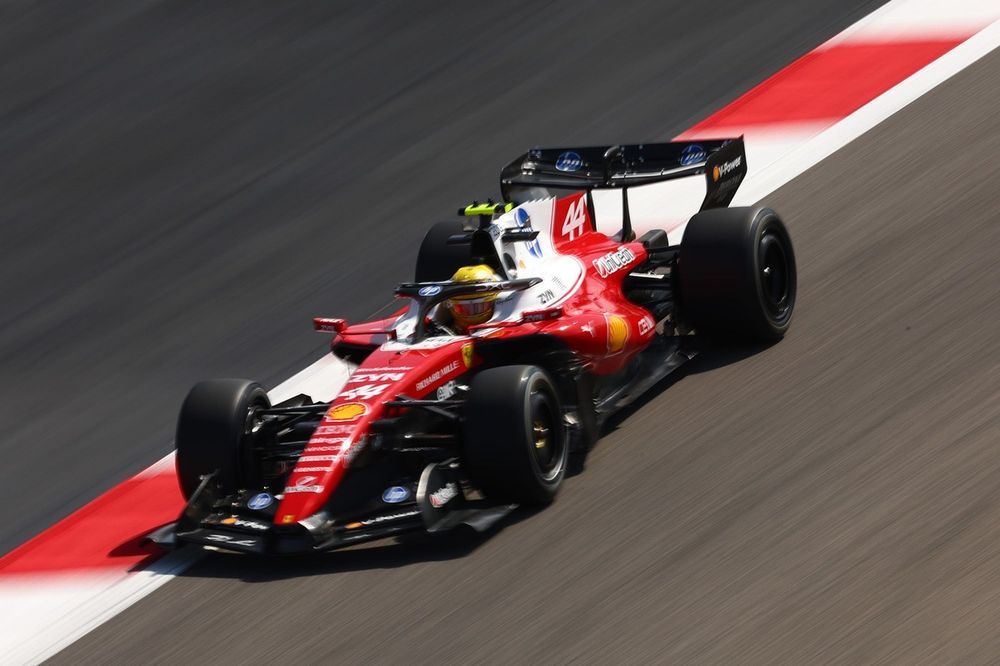
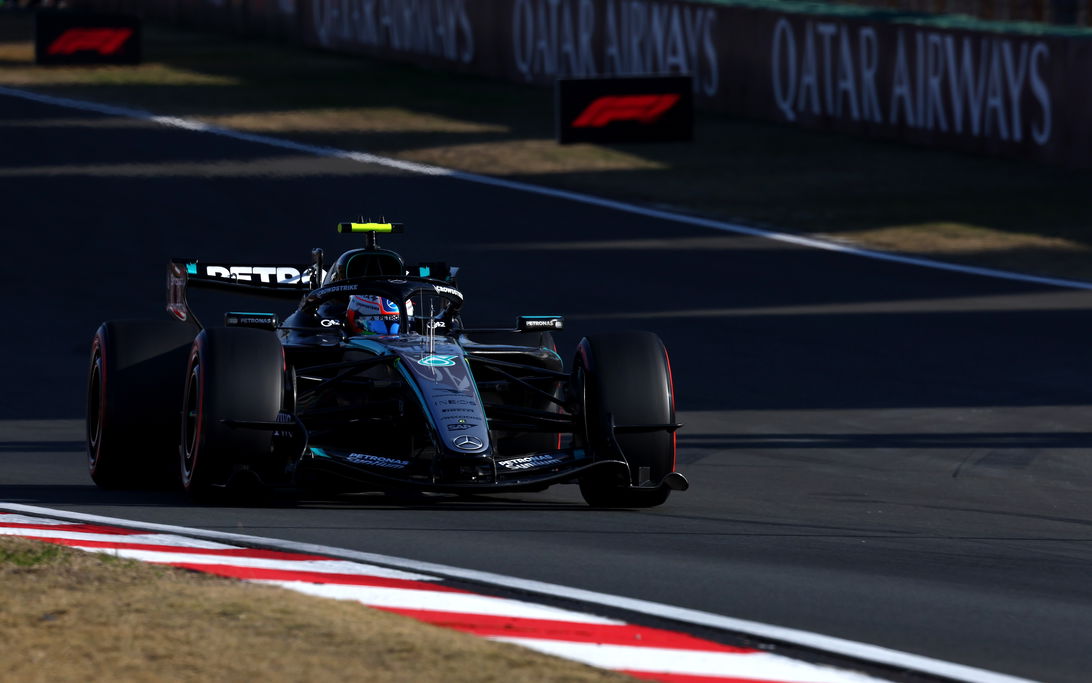
Carlos Sainz delivered exactly that reset. Starting from the back after the early stop, he used the late virtual safety car to fit mediums and began carving forward. Ninth place and two points arrived because the Spaniard refused to let the opening error define the afternoon.
"He drove with the calm of a man who has seen worse storms inside the cockpit," Vowles noted.
Alex Albon never got the chance. Contact with Oscar Piastri on the opening lap ended his race before strategy even mattered. Vowles was clear that Piastri arrived from too far back, leaving damage too heavy to continue. The lost points hurt, yet the car showed pace once the track settled. Both drivers extracted more from the chassis than the weekend conditions suggested.
This is the part the timing sheets never capture. Morale inside the garage after a messy call can collapse or harden. Williams chose the latter. The same cannot be said for outfits where strategy calls serve one driver at the expense of another, the quiet favoritism that keeps certain Red Bull narratives alive year after year.
Echoes of Old Secrets
Modern teams hide their manipulations better than the 1994 Benetton days, yet the pattern remains. When decisions protect one name over the collective, the entire operation leaks energy. Williams at least named the flaw out loud. That single act already sets them apart from squads still pretending every call is pure data.
The Road Ahead Favors the Resilient
A string of European races now sits in front of the team. The car has shown it can run with the midfield when the strategy lands. The missing piece is consistency under pressure, the same psychological edge that will matter most when new Middle Eastern squads arrive and bring different priorities to the grid. Saudi and Qatari entries will not copy European templates. They will build around people first, aerodynamics second. Williams is already learning that lesson the hard way.
Sainz's recovery proves the point. Points on a difficult afternoon matter less than the message sent inside the walls. The team that protects its drivers' heads will outlast the one still chasing perfect radar forecasts.
Join the inner circle
Get the deep dives and technical analysis from the world of F1 delivered to your inbox twice a week.
Zero spam. Only high-octane analysis. Unsubscribe anytime.
Continue Reading
View More News