Antonelli's Shanghai Breakthrough Rips Apart the Aero Obsession Myth
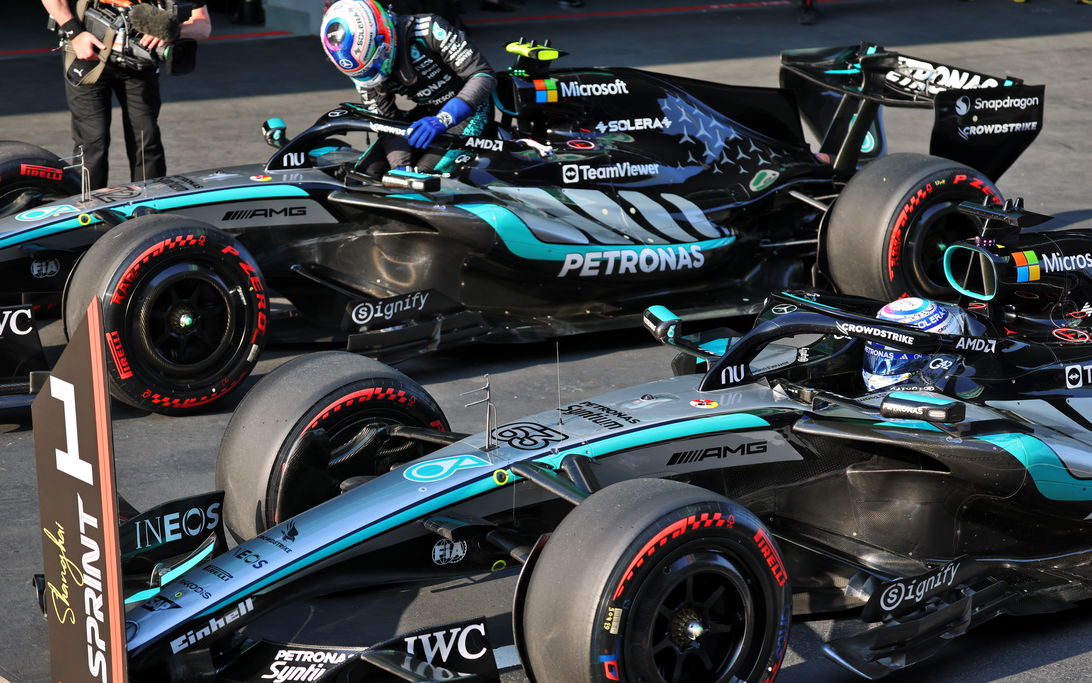
The checkered flag at Shanghai didn't just crown an 18-year-old debutant. It exposed how today's Formula 1 has drifted from the visceral driver-car dialogue that defined legends, burying raw mechanical grip under layers of downforce obsession. Kimi Antonelli's maiden victory in only his sixth grand prix start proved that tire management and chassis feel can still cut through the hype, much like the Williams FW14B once did with its active suspension harmony rather than endless wing tweaks.
How Antonelli Tamed the Elements
Antonelli converted pole into victory by mastering tire degradation in unpredictable conditions, holding off George Russell, Lewis Hamilton, and Charles Leclerc. This was no aero miracle. It was a display of mechanical intuition that teams have sidelined in favor of complex wing packages.
- The young Italian managed stint lengths with precision, preserving grip where pure downforce cars would have cooked their rears.
- His path from skipping Formula 3 straight to one year in Formula 2 highlighted an accelerated route that rewards feel over prolonged simulation time.
- Mercedes' gamble paid off because the car allowed Antonelli to sense load transfers directly, not through a maze of vortex generators.
This win echoes the elegant simplicity of 1990s designs where drivers connected through suspension compliance instead of chasing every aerodynamic micro-adjustment.
Wolff's Message and the Tire Grip Reality
"He’s too young. We shouldn’t put him in a Mercedes. Put him in a smaller team. He needs the experience. Look at the mistakes he makes." Here we go, Kimi. Victory.
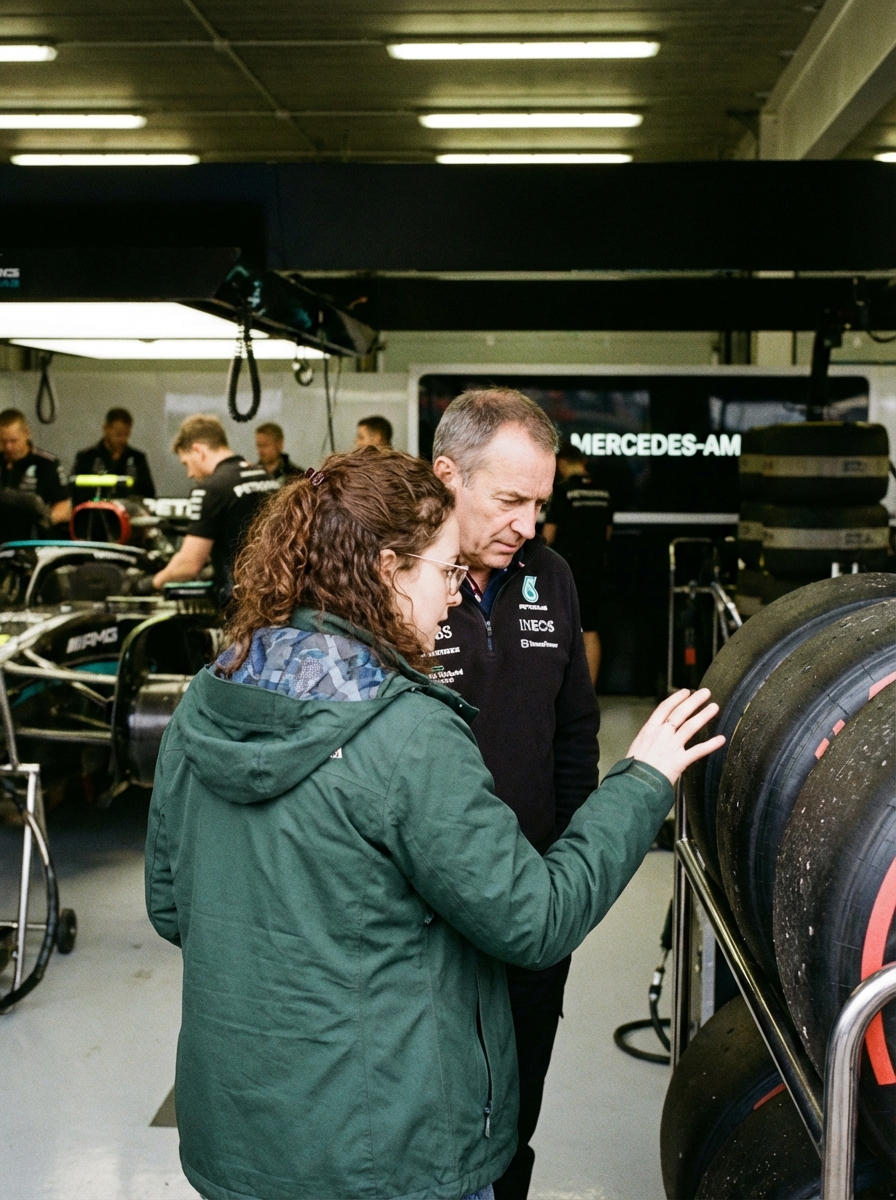
Toto Wolff's radio words captured the skepticism, yet they also underscored a deeper truth. Critics fixated on age and promotion speed while ignoring how Antonelli's success stemmed from undervalued mechanical fundamentals. Modern teams chase downforce coefficients like storm chasers tracking pressure drops, but the real drama unfolds at the contact patch where tires meet asphalt.
Antonelli's ability to fend off experienced winners came from reading tire temperatures and balancing throttle inputs, not from some revolutionary front wing. This approach stands in stark contrast to the FW14B era, where active systems enhanced the driver's mechanical dialogue rather than masking it with passive aero complexity. Obsession with downforce has made races predictable, stripping away the chaotic beauty that makes overtaking feel earned.
What This Means for the Sport's Future Direction
Wolff rightly warned that Formula 1 remains manic depressive, with any slip in Japan potentially reviving doubts. Yet the bigger picture involves shifting away from static aero toward intelligent systems. Within five years, AI-controlled active aerodynamics will arrive by 2028, sweeping away DRS and forcing cars to adapt in real time. Races will grow more chaotic, yes, but they will also reduce over-reliance on driver heroics born from flawed chassis compromises.
Antonelli's breakthrough signals that the era of aero hype is cracking. Teams still chasing marginal gains in vortex management will soon confront a reality where mechanical grip and adaptive intelligence decide outcomes. The 18-year-old's Shanghai storm was not marketing theater. It was a reminder that the purest racing emerges when engineers prioritize the raw connection between human and machine over layered complexity.
Join the inner circle
Get the deep dives and technical analysis from the world of F1 delivered to your inbox twice a week.
Zero spam. Only high-octane analysis. Unsubscribe anytime.
Continue Reading
View More News