2026 F1 Cars Signal Shift in Suspension Design Philosophy
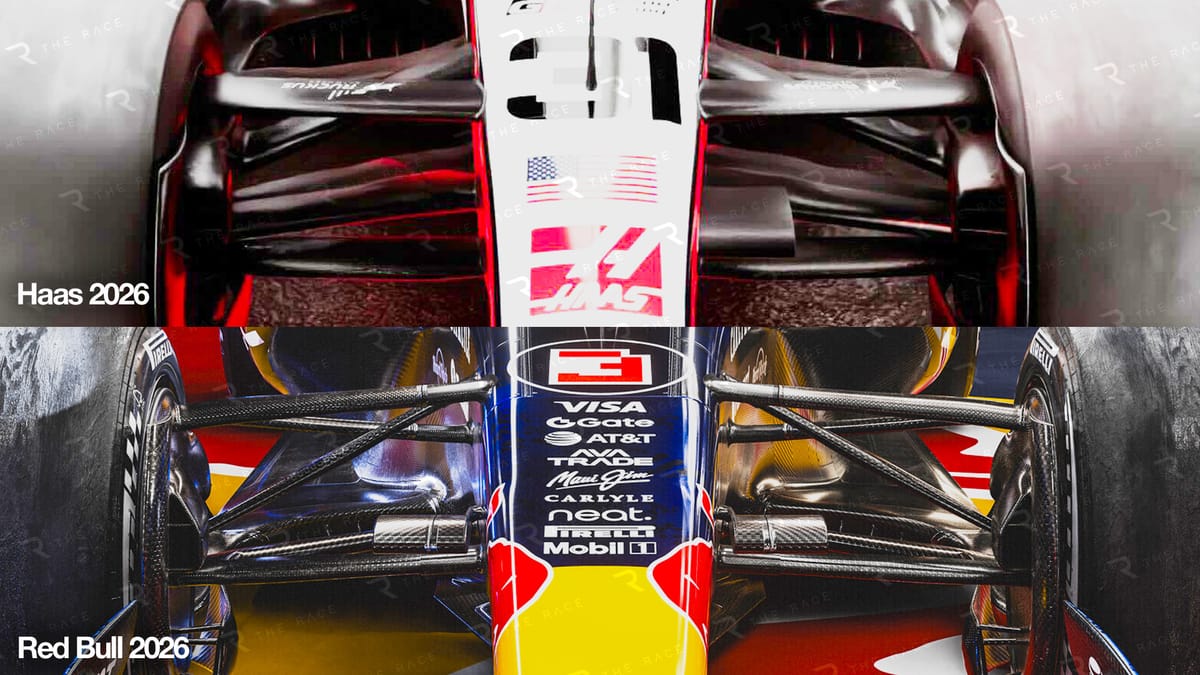
Early glimpses of 2026 F1 cars suggest a shift towards pushrod suspension layouts, particularly at the front, as teams navigate new packaging and aerodynamic challenges.
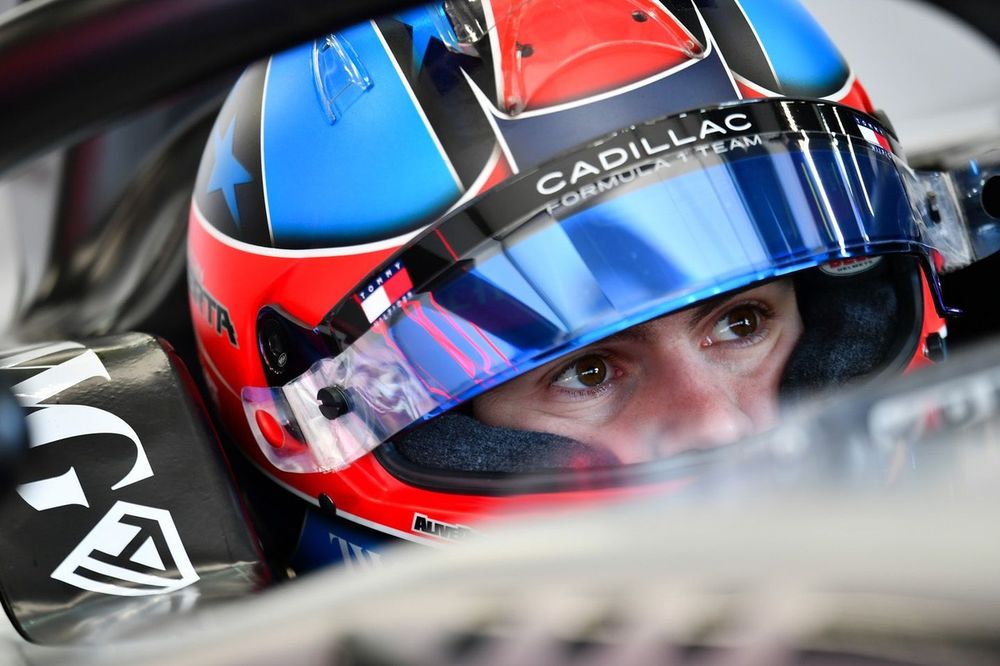
Early renders of 2026 Formula 1 cars, particularly the Haas which likely mirrors Ferrari's philosophy, indicate a shift toward pushrod suspension layouts. While Cadillac retains the pullrod front, Red Bull and others seem to favor pushrod configurations at both ends to navigate the constraints of the new regulations.
Why it matters:
Suspension layout dictates weight distribution and packaging efficiency. With the 2026 rules introducing active aerodynamics and a reduced wheelbase, the choice between pushrod and pullrod is critical for fitting complex new power units and optimizing aerodynamic performance.
The details:
- Packaging Constraints: The reduced wheelbase makes rear pullrods difficult to package around the clutch and gearbox, pushing teams toward pushrod layouts that utilize high, open space.
- Center of Gravity: While pullrods lower the center of gravity, raising the rear slightly with a pushrod helps level the front-to-rear axis, aiding corner entry rotation.
- Aerodynamics: Pushrod rear setups offer more scope to optimize the underfloor and diffuser trailing edge.
- Accessibility: Pushrod systems are mounted higher, making them easier to access for set-up changes compared to cramped pullrod layouts.
Between the lines:
The industry trend suggests teams are prioritizing packaging convenience and mechanical balance over the absolute lowest center of gravity. The physical constraints of the shorter chassis are forcing significant design compromises that favor practicality over theoretical weight advantages.
What's next:
Despite the current pushrod trend, the theoretical ideal for 2026 remains a pullrod front combined with a pushrod rear. As teams finalize their designs, we will see if the packaging convenience of the pushrod trend outweighs the performance potential of mixed layouts.
Don't miss the next lap
Get the deep dives and technical analysis from the world of F1 delivered to your inbox twice a week.
Zero spam. Only high-octane analysis. Unsubscribe anytime.
Join the inner circle
Get the deep dives and technical analysis from the world of F1 delivered to your inbox twice a week.
Zero spam. Only high-octane analysis. Unsubscribe anytime.
Continue Reading
View More News