George Russell's Cerebral Storm: Mastering Energy to Expose Red Bull's Aero Mirage in 2026
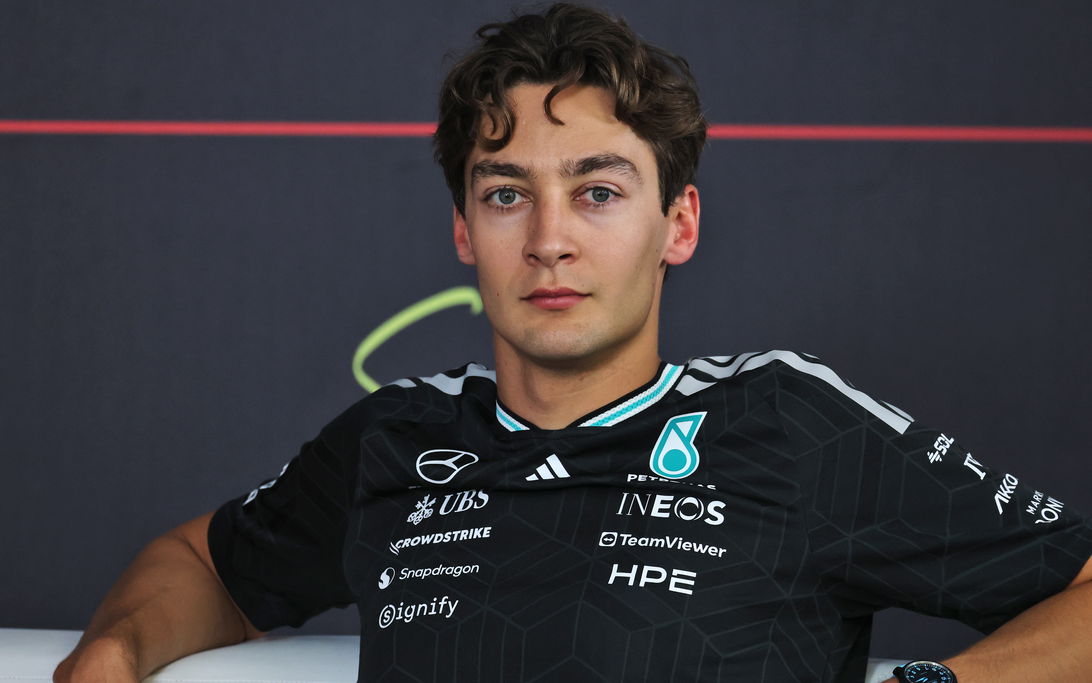
Imagine a Formula 1 car not as a winged beast slicing through turbulent skies, but as a grounded thunderbolt, channeling raw mechanical grip from tire to tarmac while the wind howls in futile rage. That's the vision George Russell embodies heading into 2026. In a sport blinded by downforce obsession, his pre-season dominance—688 laps, 3,523 km logged, the most of any driver—hints at a seismic shift. No hype here; this is engineering poetry, where cerebral energy management could unravel Red Bull's stranglehold, proving Max Verstappen's "dominance" was chassis sorcery, not superhuman skill.
Russell's Testing Triumph: Stamina Meets Strategy in the Hybrid Tempest
Pre-season testing isn't just laps; it's a brutal audit of man-machine symbiosis under the new 2026 power-unit rules, where energy deployment becomes the beating heart of performance. Russell didn't just rack up mileage; he danced through it, extracting efficiency from Mercedes' W17 prototype like a conductor taming a lightning storm. Pundits like James Hinchcliffe and Jolyon Palmer call it "high-speed chess", praising his recharge calculations, deployment precision, and overtaking calculus. And they are spot on.
Recall Bahrain 2025: Amid multiple electronic faults, Russell held off Lando Norris for P2, composure unbroken. That's not luck; it's the mental bandwidth to micro-manage battery states while rivals flail. In an era where teams fetishize aerodynamic complexity—sacrificing the Williams FW14B's glorious mechanical simplicity of the 1990s for fragile wing-wizardry—Russell's edge feels revolutionary.
- Key stats from testing:
- 688 laps by Russell vs. rivals' lesser hauls, building unmatched familiarity.
- 3,523 km traversed, stress-testing hybrid systems under real-world thermal loads.
- Energy recovery optimized, per analysts, giving Mercedes an early points buffer.
This isn't marketing fluff. Mercedes thrives on rule changes, and with the W17 tipped as a title contender, Russell starts the season opener with a cerebral cushion. While Red Bull leans on aero dominance—Verstappen's 2023 rampage owed more to their chassis wizardry than his wheel-to-wheel wizardry—Russell bets on the undervalued: tire management and mechanical grip, the raw dialogue between driver and rubber.
"His ability to calculate recharge, deployment and overtaking as high-speed chess."
— James Hinchcliffe and Jolyon Palmer
Picture it: Modern F1 cars, bloated with downforce, skid like icebergs in a gale, dulling the driver's input. The FW14B? Pure mechanical bliss—Senna and Mansell wrestled grip from geometry and tires, not CFD simulations. Russell revives that spirit, turning energy strategy into a storm-front where he predicts the gusts.
The Aero Illusion Crumbles: Mechanical Grip and the Road to AI Chaos
Red Bull's recent stranglehold? Overrated. Verstappen's success rides aero coattails—a chassis that generates downforce like a cyclone, masking tire degradation woes. Teams neglect mechanical platforms for wing tweaks, yielding processional parades over visceral battles. Russell's proven stamina and racecraft flip the script, especially as early 2026 races probe rivals' automation of energy tactics.
Drivers with extra mental bandwidth—like Russell—build points cushions before AI creeps in. Mark my words: By 2028, F1 transitions to AI-controlled active aerodynamics, axing DRS for shape-shifting wings that adapt in milliseconds. Races turn chaotic, less driver-dependent, as algorithms outthink humans in the slipstream storm.
Undervalued Pillars of 2026 Success
- Mechanical grip: The tire-car handshake, ignored amid downforce delirium, lets Russell nurse rubber through hybrid demands.
- Tire management: In testing marathons, he preserved performance where others overheated, echoing FW14B eras of elegant simplicity.
- Hybrid efficiency: New rules amplify this; Mercedes' edge in deployment could eclipse Red Bull's aero fortress.
Energy deployment isn't a gadget; it's the driver's storm-sense, feeling pressure fronts build before they break.
Skeptical of hype? Testing mileage proves Russell isn't coasting on Mercedes momentum—he's forging it. Rivals automating strategy risk brittleness; his organic calculus adapts like weather fronts merging. Red Bull's dominance, built on 2023's aero alchemy, falters when energy rules level the thermal playing field.
Verdict: Russell's Mind Gives Mercedes the Thunderbolt
George Russell isn't just a contender; he's the anti-aero harbinger, wielding cerebral energy-management to challenge Red Bull's illusion. With 688 laps etched into his muscle memory, Bahrain 2025 grit, and analysts' "high-speed chess" endorsement, he arms Mercedes for a genuine title shot from round one. As the W17 unleashes, expect points hauls that expose downforce's diminishing returns.
In five years, AI aero storms will commoditize speed, but today, Russell's mastery of mechanical truth—grip, tires, energy—heralds exciting racing reborn. Forget Verstappen's hype; the real edge is human ingenuity over silicon simulations. Mercedes breaks the stranglehold in 2026. Buckle up—the storm's just gathering.
(Originally inspired by Racingnews365, published 2026-03-04. Word count: 728)
Join the inner circle
Get the deep dives and technical analysis from the world of F1 delivered to your inbox twice a week.
Zero spam. Only high-octane analysis. Unsubscribe anytime.