Alonso dismisses driver-centric hype around F1's 2026 energy rules
Fernando Alonso counters the popular belief that F1's 2026 energy rules will empower drivers, arguing that pre-race simulations and restrictive regulations will minimize on-track ingenuity. He suggests the sport has moved away from pure driving thrill towards engineered efficiency.
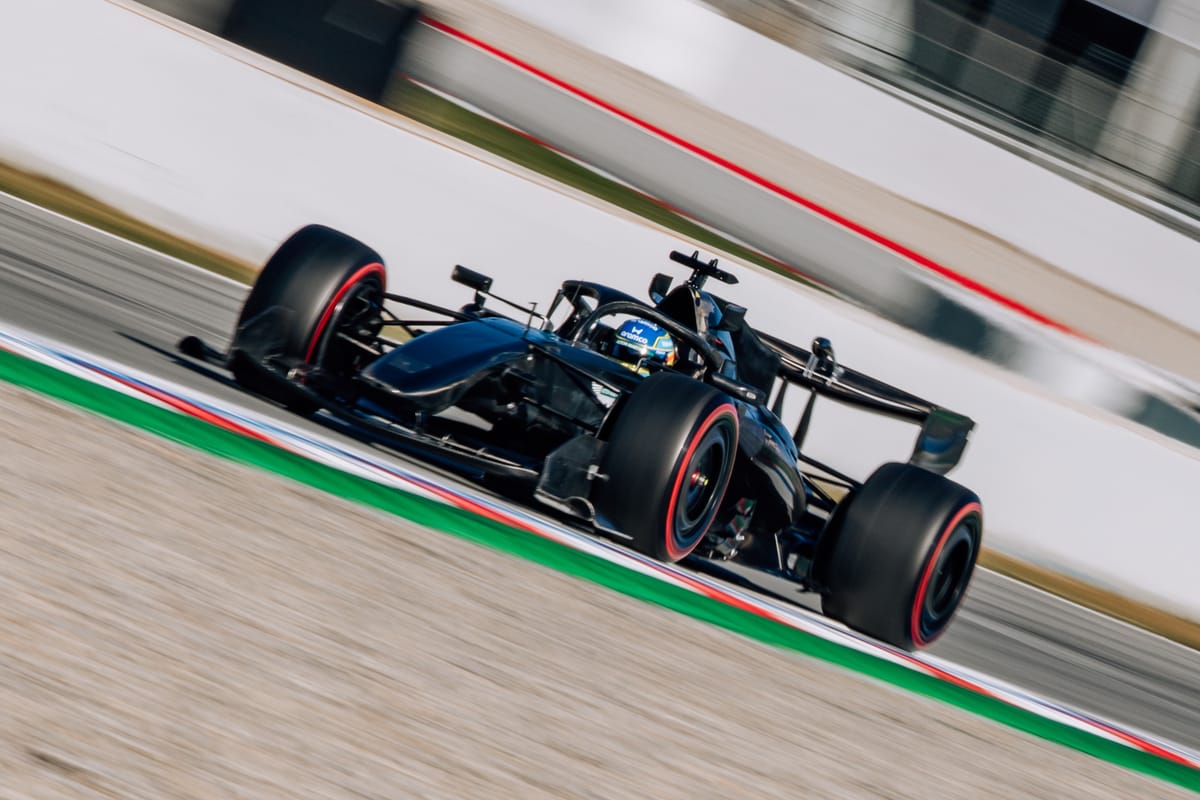
Fernando Alonso has pushed back against the popular narrative that Formula 1's 2026 energy management rules will place a greater premium on driver skill and create more strategic, chaotic racing. The two-time champion argues that sophisticated team simulations and overly restrictive regulations will severely limit a driver's ability to make a decisive difference on race day.
Why it matters:
The debate strikes at the heart of F1's identity: is it becoming a sport won primarily by engineers and simulations, or does the driver's talent behind the wheel still reign supreme? Alonso's perspective suggests that despite the added complexity, the scope for individual brilliance may be shrinking, challenging the notion that the new era will return control to the cockpit.
The details:
- Alonso acknowledges the rules are "a little more complex," requiring forethought for overtakes, but contends that teams will have everything mapped out by Sunday, leaving little room for driver error or surprise.
- He identifies specific regulatory constraints as the culprit:
- Fixed Derating Rates: The rate at which energy must be reduced is mandated by the FIA, removing a potential variable for drivers to manage.
- Limited Overtake Advantage: The mandatory deployment zones for the extra battery boost (ERS) mean all cars get a similar power spike, minimizing the chance for one driver to craft a unique energy advantage over a rival.
- Alonso bluntly states these elements are "probably over-regulated," concluding that the "differences" drivers can create will be "minimal."
The bigger picture:
Alonso contrasts the new philosophy with F1's past, expressing a nostalgic preference for the "more adrenaline" of lighter, louder cars where driving was "at the limit of the physics" rather than focused on maximizing efficiency. He believes the sport's DNA peaked in the late 1990s and early 2000s and has since evolved into something "different," with the world moving towards efficiency in all fields.
What's next:
The effectiveness of the 2026 rules will be proven on track, but skepticism exists within the paddock.
- Team Principal Doubt: Aston Martin's Adrian Newey expressed skepticism about promised overtaking improvements, drawing a parallel to the 2022 ground-effect rules which drivers felt offered little benefit by the end of 2025.
- The Performance Paradox: As teammate Lance Stroll noted, a driver's satisfaction with the car is often tied to its results; winning comfortably tends to make any regulatory quirks more palatable.
- The stage is set for a season that will test whether Alonso's pragmatic assessment or the hopeful predictions of "more chaotic racing" prove accurate.
Don't miss the next lap
Get the deep dives and technical analysis from the world of F1 delivered to your inbox twice a week.
Zero spam. Only high-octane analysis. Unsubscribe anytime.
Join the inner circle
Get the deep dives and technical analysis from the world of F1 delivered to your inbox twice a week.
Zero spam. Only high-octane analysis. Unsubscribe anytime.
Continue Reading
View More News