Alonso's Physical Crisis Highlights Aston Martin's Deepening Troubles
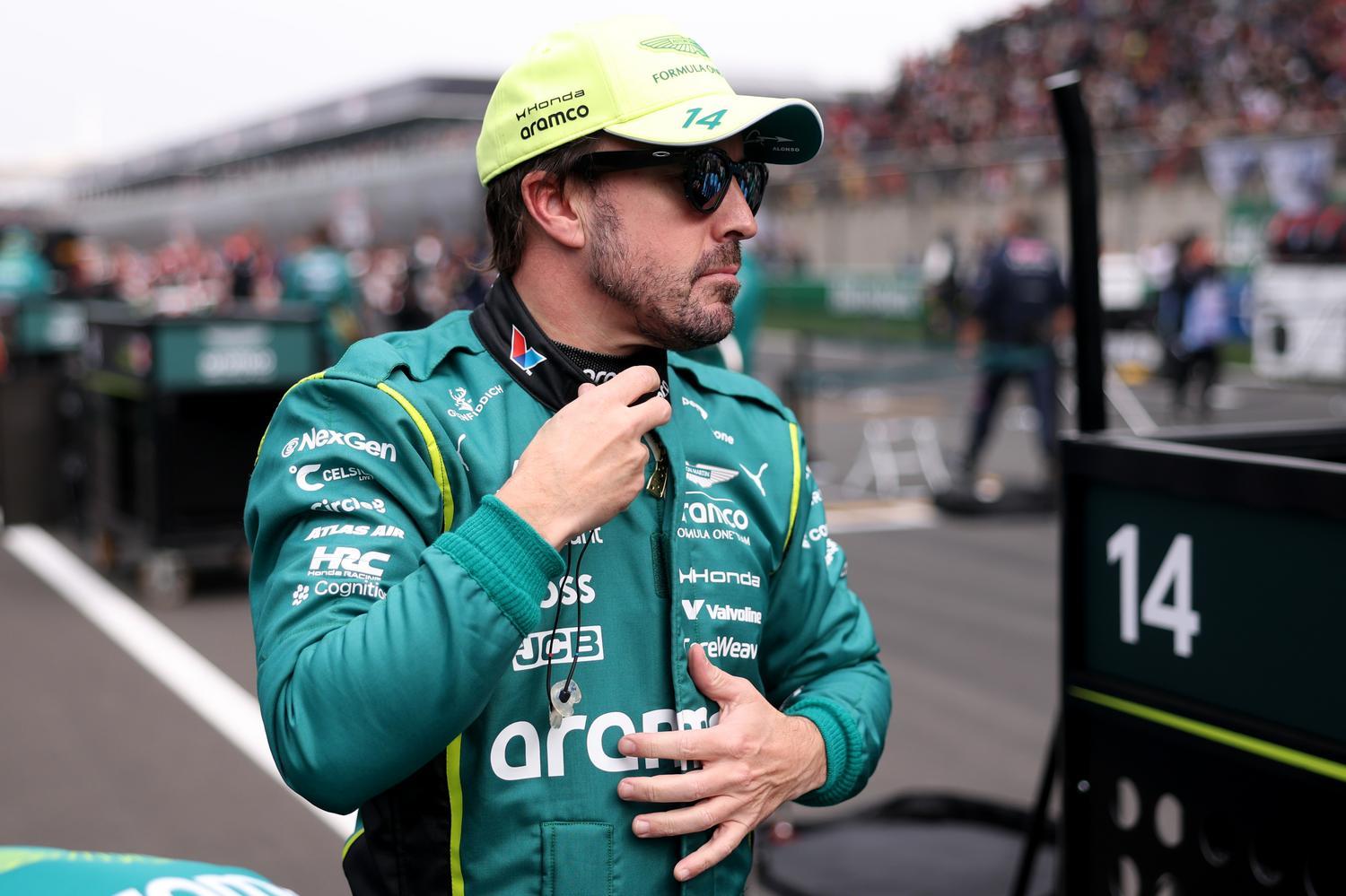
Fernando Alonso retired from the Chinese GP after losing feeling in his hands and feet due to severe vibrations from his Aston Martin's Honda engine, elevating the team's performance issues into a dire safety crisis. The incident confirms a systemic power unit problem that returned despite temporary fixes, putting driver welfare and the team's competitive future in immediate jeopardy.
Fernando Alonso was forced to retire from the Chinese Grand Prix after experiencing a frightening loss of sensation in his hands and feet, caused by severe vibrations from his Aston Martin's Honda power unit. The incident, which follows a double DNF for the team in Australia, transforms a performance crisis into a serious safety concern, raising urgent questions about the car's fundamental reliability for human operation.
Why it matters:
A driver losing physical control at over 300 km/h represents a critical safety red flag that transcends competitive struggles. This is not an isolated mechanical failure but a systemic issue with the power unit that directly endangers the driver, moving the problem from the engineering bay to potentially the FIA's safety department. For Aston Martin and Honda, it undermines driver confidence and threatens their entire 2026 development program.
The Details:
- The Physical Toll: Starting around Lap 20, Alonso experienced "excessive" engine vibrations different from previous sessions, leading to a complete loss of feeling in his limbs. He stated continuing "didn't make much sense," forcing his retirement on Lap 32.
- A Worsening Pattern: The high-frequency vibration issue, originating from the internal combustion engine, has plagued the team since Australia. Teammate Lance Stroll also retired early in Shanghai, confirming a systemic problem rather than a one-off failure.
- "Artificial" Fixes: Alonso revealed that perceived improvements were achieved by artificially lowering the engine RPM to reduce vibrations, not by solving the root cause. The problem resurfaces immediately when performance is needed, such as during overtakes or battery recharging.
- No Real Progress: Contrary to any team optimism, Alonso confirmed the power unit in Shanghai was "exactly the same as in Australia," dismissing notions of meaningful technical steps forward.
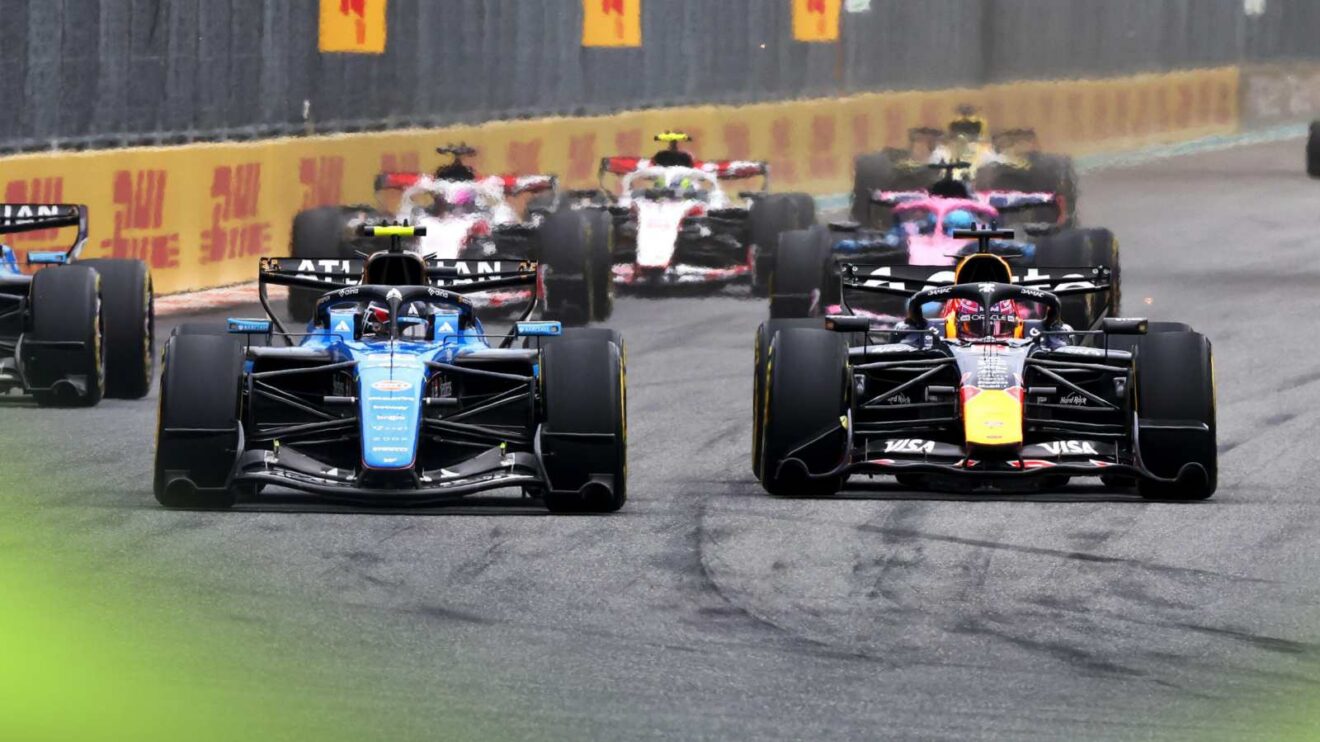
- Fleeting Competitiveness: Alonso's race began with a strong start into the top 10, aided by a full battery charge on Lap 1. However, he quickly fell back as the car's energy management proved uncompetitive, compounding the technical issues.
What's Next:
The situation demands immediate and transparent action. Honda and Aston Martin must address the vibration issue at its core, not with performance-limiting workarounds, before the next race.
- The FIA may scrutinize the situation if a car is deemed to be physically harmful to drive.
- Driver trust is now a key factor; Alonso and Stroll need assurances that the car is safe to push, not just to finish.
- With the problem rooted in the 2026-spec power unit, this crisis casts a long shadow over Aston Martin's future competitiveness and could trigger a reevaluation of the team's technical partnership and development timeline.
Don't miss the next lap
Get the deep dives and technical analysis from the world of F1 delivered to your inbox twice a week.
Zero spam. Only high-octane analysis. Unsubscribe anytime.
Join the inner circle
Get the deep dives and technical analysis from the world of F1 delivered to your inbox twice a week.
Zero spam. Only high-octane analysis. Unsubscribe anytime.
Continue Reading
View More News