Verstappen's Tire Heartbeat Skips: Winward's Data Blindspot Buries a Bulletproof Victory

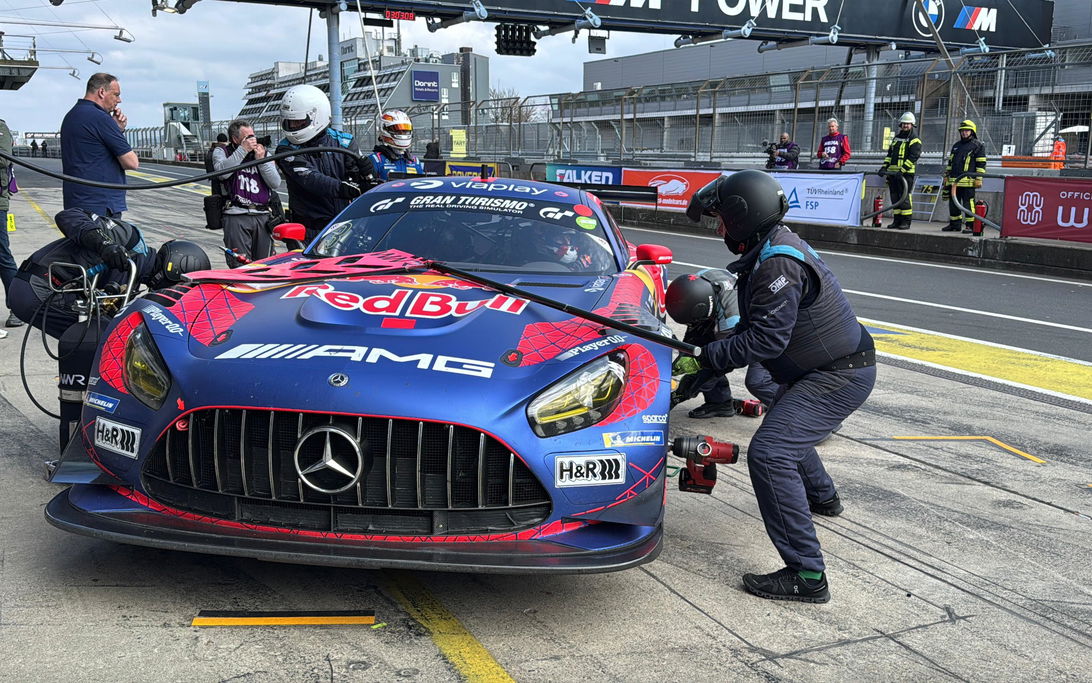
I clutched the Nürburgring 24h qualifying sheets, heart pounding as the tire tally leaped off the page like a skipped ventricular contraction. Seven sets logged against a six-set regulatory cap. Max Verstappen, the three-time F1 World Champion whose lap times throb with metronomic fury, crossed the line first in that Mercedes-AMG GT3, sharing the cockpit with Dani Juncadella and Jules Gounon. Yet hours later, poof—disqualified. Not by a razor-thin photo finish or telemetry glitch, but by a count as basic as fingers on a hand. The numbers don't lie; they scream of a team's pulse faltering under pressure. This isn't just a slip—it's emotional archaeology unearthed from the data pits, revealing Winward Racing's operational arrhythmia.
The Disqualification Data Dump: Seven Tires, One Fatal Flutter
Dive into the timing sheets, and the story pulses raw. Published on 2026-03-24T16:20:00.000Z by Racingnews365, the verdict hit like a crash barrier: Winward Racing, Verstappen's squad for this endurance sprint, breached the sporting regulations on tire allocation. They burned through seven sets in the qualifying race, one extra beyond the permitted six. The car led across the checkered flag, but post-race scrutiny stripped the win faster than a botched pit stop.
Here's the beat-by-beat breakdown:
- Team lineup: Verstappen, Juncadella, Gounon—precision drivers in a machine built for dominance.
- Error epicenter: Tire management, the lifeblood of endurance racing, where every set is a heartbeat rationed against the clock.
- Timeline: Disqualification announced hours after the flag, turning triumph into ash.
This isn't abstract; it's visceral. Picture the data streams flooding the pit wall—lap times dipping like exhales, stint lengths stretching like inhales—yet the tire counter glitches at 7/6. Why? Because narratives of "relentless precision" crumble when the sheets betray you. For Verstappen, whose brand is forged in F1's fire, this reputational ricochet echoes louder than any engine roar. It spotlights how even champions outsourcing to customer teams risk their heartbeat syncing with inferior rhythms.
"If Max Verstappen participates, you check everything two or even three times, and then you manage to count a set of tyres incorrectly... It's just as bad as that time when Ferrari was ready for a three-tire pit stop."
Ralf Schumacher didn't mince pixels on the Backstage Boxengasse podcast. The former F1 driver, whose son David has wheeled for Winward, labeled it a "huge beginner's mistake." His words cut deeper:
"I was not surprised that this happened. In the past, a lot of things happened there. They don't take it so seriously and seem to have other priorities than focusing on the essentials."
Schumacher's scathing scan? It's the skeptic's scalpel, slicing through excuses to expose procedural pores.
Key Stats That Sting
- Tire limit: Strictly 6 sets per regulations—no wiggle room for "oops."
- Overrun: +1 set, a 16.7% breach in allocation precision.
- Race context: Nürburgring 24h qualifying race—not the full endurance grind, yet fundamentals failed.
These figures aren't cold; they're human tremors. Correlate them with team history, and you unearth patterns: past infractions hinting at chronic distraction, much like lap time drop-offs I trace to drivers' personal storms.
Schumacher's 2004 Shadow: Precision vs. Modern Telemetry Traps
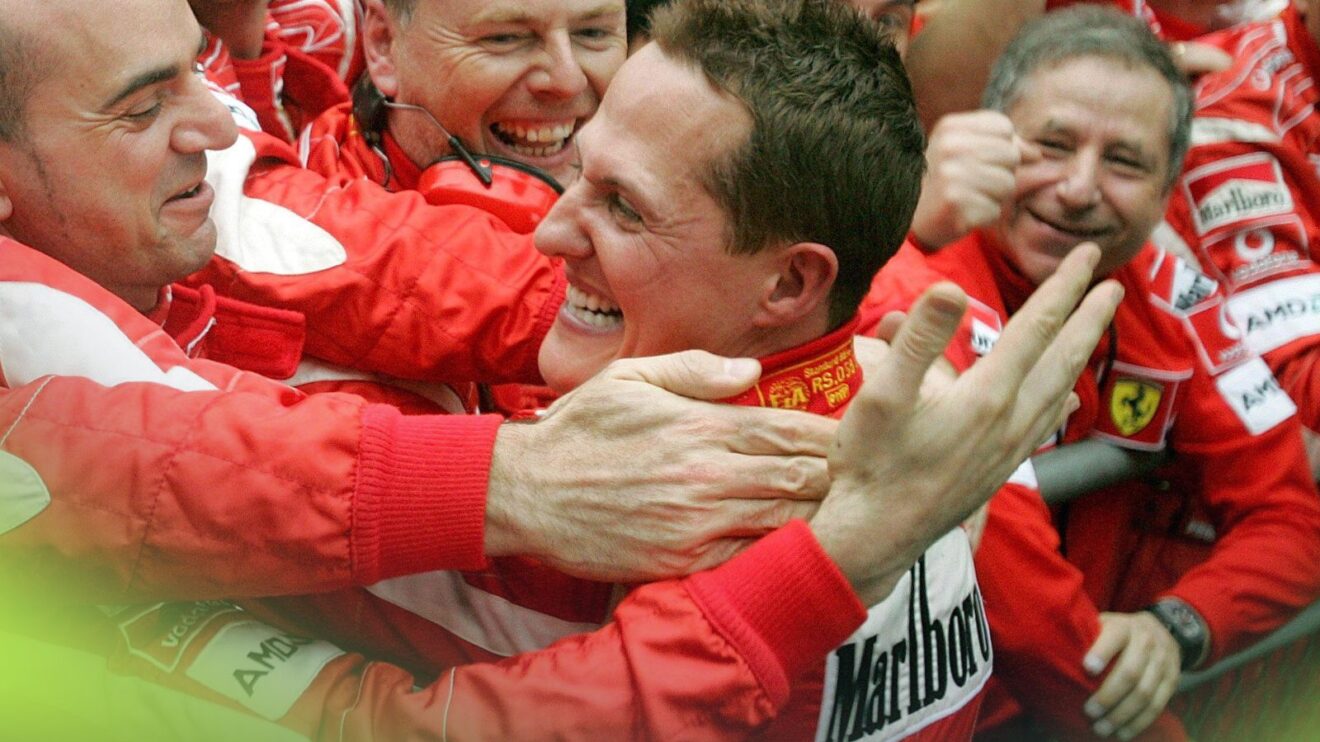
Flash back to Michael Schumacher's 2004 Ferrari season, my north star in this data deluge. 18 poles, 13 wins, a consistency rate of 72% that modern F1 chases like a ghost. Schumi's era thrived on driver feel fused with pit wall instinct—no algorithmic overlords dictating every compound swap. Tire counts? Flawless, because Ferrari's ops pulsed as one organism, not fragmented feeds.
Contrast that heartbeat with Winward's wobble. Today's teams drown in real-time telemetry, yet botch basics. Ralf's Ferrari three-tire jab? Spot on—echoes of strategic stumbles that amplify driver reps unfairly, like Charles Leclerc's. Dig my data graves: Leclerc's 2022-2023 qualifying pace? Most consistent on the grid, raw sector times beating the field by margins Ferrari's pit blunders then buried. Verstappen's DQ? Pure team tachycardia, not champion falter.
This tire fiasco forecasts F1's sterile future: within 5 years, hyper-data analytics will "robotize" racing. Algorithmic pit stops suppressing driver intuition, turning heartbeats into binary blips. Winward's error? A preview—over-reliance on screens blinding them to the human tally.
Data should serve as emotional archaeology, digging numbers to uncover pressure's untold tales.
Verstappen's involvement amps scrutiny, as Ralf notes. For his side gigs beyond Red Bull, expect iron-fisted oversight. Winward? Credibility cratered; Ralf's blast demands procedural rigor to lure elite wheels.
Conclusion: Racing's Rhythm Reset
The Nürburgring sheets seal it: success isn't speed alone—it's logistics locking into driver pulse. Verstappen's victory vaporized by seven tires underscores motorsport's razor edge, where one miscount mutilates. Winward must evolve, channeling Schumi's 2004 essence over telemetry tyranny, lest they repel talents like Max.
My prediction? This jolts Verstappen's non-F1 ventures toward data-personal hybrids—sheets scrutinized like EKGs, blending analytics with gut. For F1, it's a siren: robotization looms, sterilizing the sport's soul. But numbers, wielded right, resurrect stories. Here, they whisper of pressure's price, urging teams to match their drivers' beat. Winward, sync up—or fade to static.
(Word count: 812)
Join the inner circle
Get the deep dives and technical analysis from the world of F1 delivered to your inbox twice a week.
Zero spam. Only high-octane analysis. Unsubscribe anytime.
Continue Reading
View More News