Battery blues: How energy management dictated the chaotic 2026 F1 season opener
The first race of F1's 2026 season was decided before the lights went out, as critical battery management errors on the formation lap left many cars with no electrical boost for the start. Ferrari's well-suited design thrived, while rivals like Mercedes and Red Bull suffered poor launches, creating a chaotic and revealing scramble that highlights a new key performance differentiator.
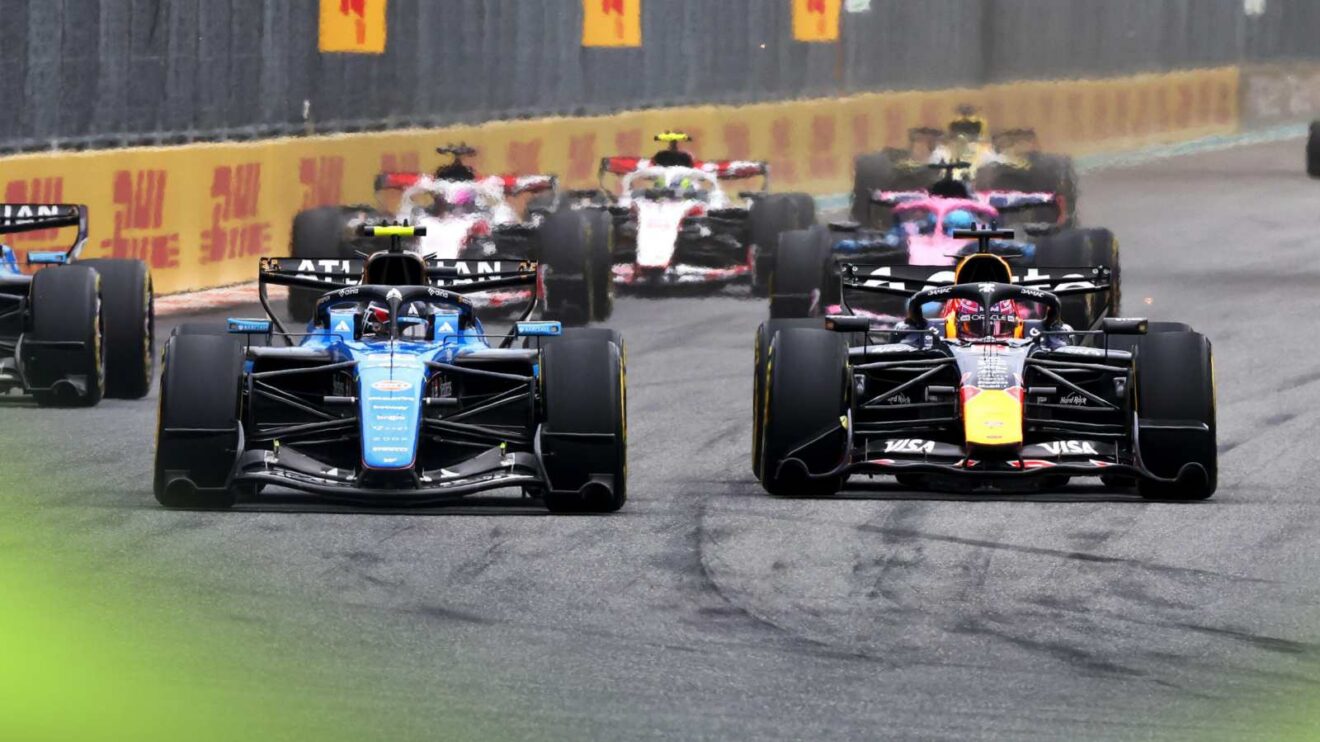
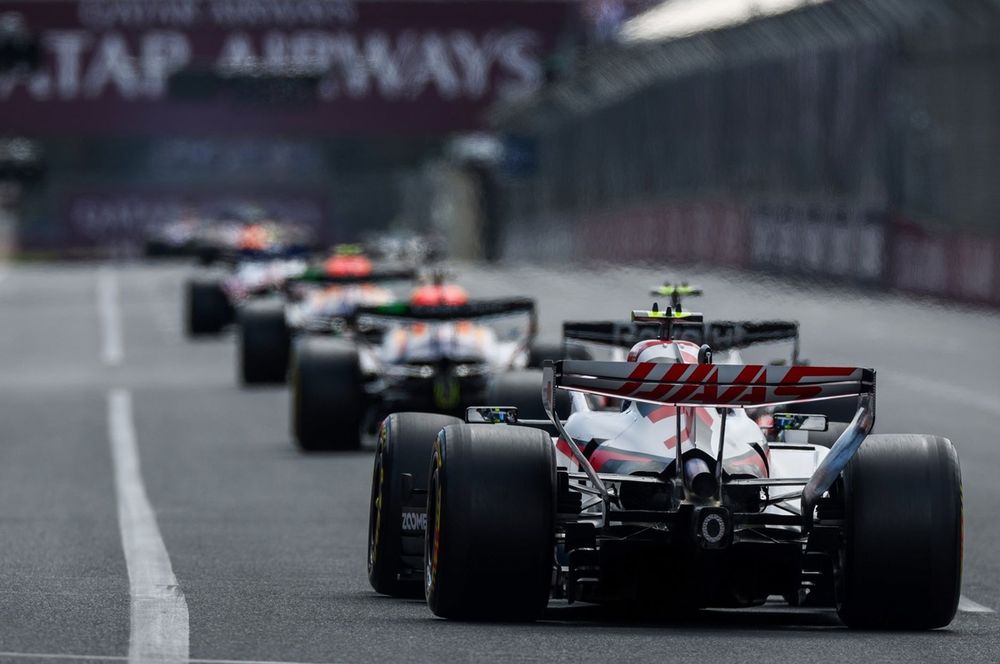
The 2026 Formula 1 season opener in Melbourne was defined not by daring overtakes but by a critical pre-race puzzle: battery management. While Ferrari's Charles Leclerc capitalized on his car's advantageous design to launch into the lead, many rivals, including Mercedes and Red Bull drivers, were caught out by critically low battery levels on the starting grid, leading to a chaotic and safety-compromised first lap. The issue exposed a significant strategic and technical learning curve under the new power unit regulations, turning the formation lap into a high-stakes energy conservation exercise.
Why it matters:
The start procedure has emerged as the first major differentiator under the 2026 regulations, directly impacting race results and safety. Teams that misjudged their energy allocation during the formation lap were instantly penalized with poor launches and lost positions, proving that outright car performance is now inextricably linked to sophisticated energy management strategies before the race even begins.
The details:
- Ferrari's Advantage: Ferrari's SF-26, with its smaller turbo and shorter lower gear ratios, was less affected by a low battery state. This allowed Charles Leclerc to make a clean, aggressive start, weaving through slower rivals as if they were "slalom poles."
- The Regulatory Handicap: The 2026 rules prohibit using electrical energy from the MGU-K while the car is stationary on the grid and until it reaches 50 km/h after launch. This penalty hits cars with larger turbos harder, as they take longer to spool up without electrical assistance.
- Widespread Grid Issues: Multiple drivers from Mercedes, Red Bull, and other teams lined up with nearly empty batteries. This led to:
- Extremely slow launches, with some cars almost stationary (e.g., Liam Lawson's power unit issue).
- Inability to perform proper tire warm-up burnouts (e.g., Kimi Antonelli's wheelspin).
- A dangerous speed differential in the midfield during acceleration.
- Root Cause on the Formation Lap: Drivers use an aggressive 'accelerate-brake' cycle on the formation lap to heat tires and brakes. This high-energy consumption, especially on a circuit like Melbourne with limited recharge opportunities, drained batteries faster than teams anticipated.
- A Brake Balance Complication: To generate heat, drivers shift brake bias forward. However, with the MGU-K handling much of the rear braking under normal conditions, this adjustment reduces the energy recovery potential, exacerbating the battery drain issue.
What's next:
The Melbourne opener served as a stark wake-up call for the entire grid. Teams will now prioritize simulating and optimizing formation lap procedures with the same intensity as race strategy.
- Procedure Overhaul: Engineers and drivers must develop new, less energy-intensive methods for preparing tires and brakes before the start.
- Strategic Recharge: Finding the optimal balance between generating component temperature and preserving battery charge will become a critical pre-race skill.
- Relief for Some: Circuits with longer straights and more overtaking opportunities will lessen the impact of a poor start, but the fundamental challenge of starting energy management is now a permanent fixture of the 2026 formula.
Don't miss the next lap
Get the deep dives and technical analysis from the world of F1 delivered to your inbox twice a week.
Zero spam. Only high-octane analysis. Unsubscribe anytime.
Join the inner circle
Get the deep dives and technical analysis from the world of F1 delivered to your inbox twice a week.
Zero spam. Only high-octane analysis. Unsubscribe anytime.
Continue Reading
View More News