Cost Cap Regulations Thwart George Russell's Dream of F1 Car Collection
George Russell's ambition to collect his own Formula 1 cars has been blocked by FIA cost cap rules, which strictly limit the number of chassis teams can produce each season.
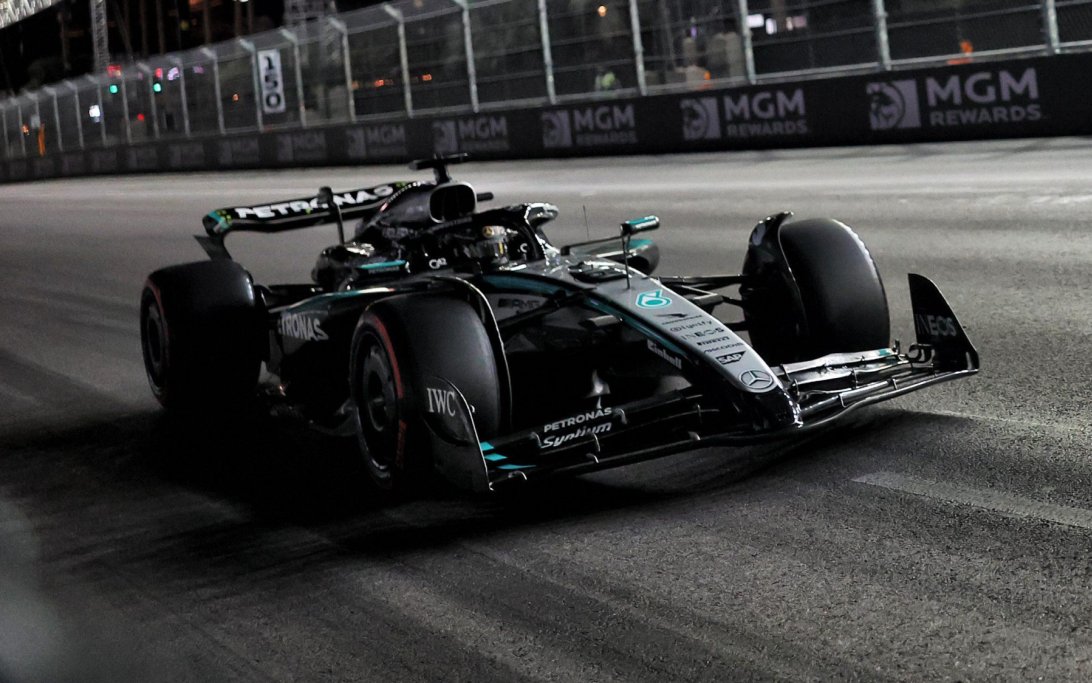
George Russell's ambition to curate a personal collection of Formula 1 cars has been effectively halted by the strict constraints of the FIA's cost cap regulations. The Mercedes driver revealed that modern financial realities prevent teams from producing spare chassis for drivers to keep, marking a significant departure from the sport's history where drivers often took their machines home.
Why it matters:
The cost cap has fundamentally altered team operations, not just on the track but in how assets are managed off it. While the regulations have successfully curbed spiraling expenses and leveled the playing field, they have inadvertently ended the era of drivers receiving their race cars as keepsakes. This shift highlights the tangible sacrifices teams and drivers must make to adhere to the new financial reality, stripping away a traditional perk that celebrated a driver's legacy with the team.
The details:
- Chassis Scarcity: Under the current financial regulations, Mercedes produces only three to four monocoques per season. This is a sharp decline from the pre-cost cap era, when teams would manufacture between 15 to 20 chassis annually to accommodate unlimited testing and development.
- Contract Negotiations: Russell attempted to secure a Formula 1 car for himself during his latest contract negotiations but was unsuccessful. The lack of surplus inventory makes such requests financially and logistically difficult for teams to accommodate.
- The Sainz Exception: Carlos Sainz remains one of the few recent exceptions to this rule, having received his 2022 SF-75—the car in which he claimed his first victory—as a parting gift from Ferrari.
- Proposed Solution: Russell is advocating for a regulatory adjustment that would allow teams to build additional monocoques outside the budget cap specifically for non-competitive purposes. He argues that teams already produce surplus parts like engines and wings without penalty, suggesting a similar exception for chassis could restore this tradition without compromising competitive fairness.
What's next:
Russell is considering taking his proposal directly to the FIA to discuss potential rule adjustments. He believes that distinguishing between competitive and non-competitive chassis production could allow drivers to preserve their racing history without breaking the bank, potentially reviving the custom of drivers owning the cars they drove to glory.
Don't miss the next lap
Get the deep dives and technical analysis from the world of F1 delivered to your inbox twice a week.
Zero spam. Only high-octane analysis. Unsubscribe anytime.
Join the inner circle
Get the deep dives and technical analysis from the world of F1 delivered to your inbox twice a week.
Zero spam. Only high-octane analysis. Unsubscribe anytime.
Continue Reading
View More News