Do F1 Regulations Need Review After Scary Japanese GP Crash?
Oliver Bearman's high-speed crash in Japan, caused by a 50 km/h speed difference due to 2026 power unit settings, has drivers calling for a safety review. They warn the energy deployment rules are creating dangerous overtaking conditions, forcing the FIA to consider adjustments during the current extended break in the schedule.
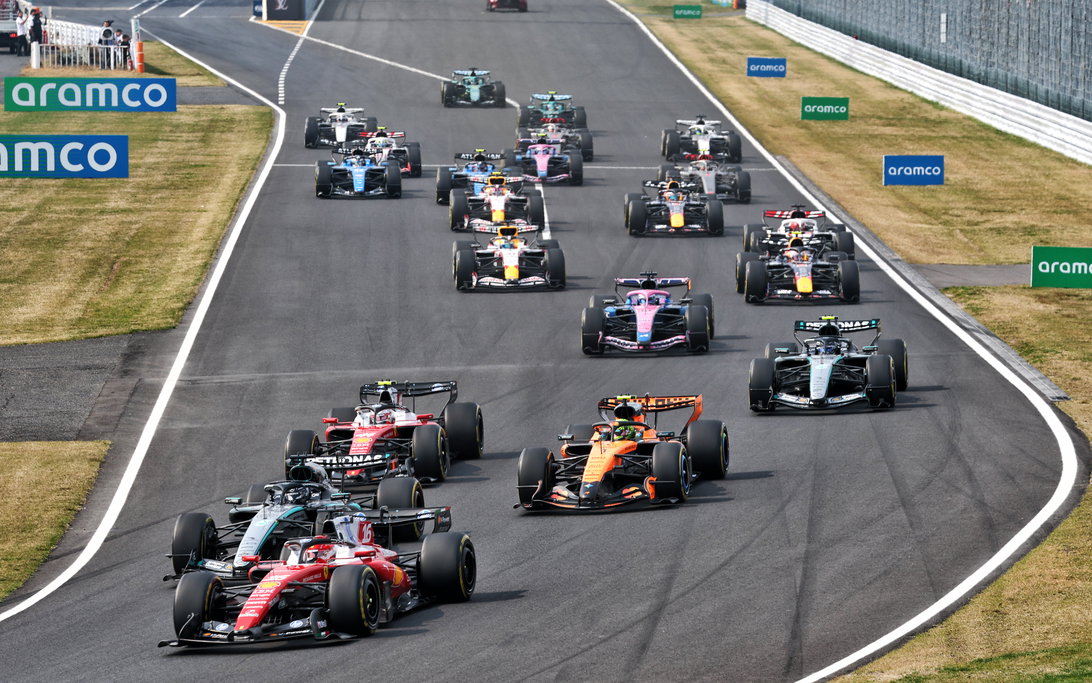
A high-speed crash for Oliver Bearman at the Japanese Grand Prix, caused by a massive speed differential under the new power unit rules, has ignited a debate over whether the current Formula 1 regulations need immediate adjustment for safety. Drivers are warning that the 2026 cars' energy deployment settings are creating dangerous situations during overtakes, prompting calls for the FIA to review the rules before a more serious incident occurs.
Why it matters:
The primary purpose of any technical regulation in F1 is to improve racing while ensuring driver safety. This incident highlights a potential flaw where the rules designed to create closer racing are instead generating unpredictable and hazardous speed gaps between cars on track. With drivers openly stating they feel the situation is dangerous, it pressures the governing body to act to prevent a potentially catastrophic accident.
The Details:
- The crash occurred when Haas driver Oliver Bearman, on a high-energy deployment mode, approached the much slower Williams of Franco Colapinto at a closing speed difference of approximately 50 km/h.
- Bearman attempted a pass on the inside but felt he was not given sufficient room, causing him to run onto the grass and spear into the barrier at high speed. He was seen limping heavily after exiting the car.
- This incident confirmed warnings issued by multiple drivers earlier in the season. They had cautioned that the new, more powerful hybrid units and their complex energy deployment strategies could lead to significant and unexpected speed differentials during wheel-to-wheel combat.
- The problem stems from drivers managing their electrical energy (MGU-K) deployment. A car with a full battery can deploy a large power boost, while a car that has just used its energy will be significantly slower on the next straight, creating a blindspot for the approaching driver.
What's Next:
The unexpected cancellation of the upcoming Middle Eastern races has created an extended break in the schedule. This provides the FIA and Formula 1 with a critical window to analyze data from the initial races and seriously consider if a regulatory tweak is necessary.
- Potential solutions could involve standardizing or limiting the energy deployment modes during race conditions to reduce extreme speed variances.
- The FIA's Safety Department is likely to scrutinize this incident closely. Driver feedback will be a major factor in determining if the current rules represent an acceptable level of risk or require intervention.
- Any change would need to balance the core objective of the 2026 regulations—promoting overtaking and exciting racing—with the paramount importance of driver safety. The coming weeks will be a test of the sport's reactive governance.
Don't miss the next lap
Get the deep dives and technical analysis from the world of F1 delivered to your inbox twice a week.
Zero spam. Only high-octane analysis. Unsubscribe anytime.
Join the inner circle
Get the deep dives and technical analysis from the world of F1 delivered to your inbox twice a week.
Zero spam. Only high-octane analysis. Unsubscribe anytime.
Continue Reading
View More News