Bahrain and Jeddah Ghosts: How Scrapping Them Spared Ferrari's Leclerc Drama and Let Mercedes Plot in the Shadows

Picture this: I'm nursing a steaming cup of Thai tea in the Sakhir paddock media center last winter, when a grizzled Mercedes mechanic – let's call him Somchai, straight from Bangkok's back alleys – leans in close. "Prem, those 2026 regs? They're like the tale of the Monkey King and the Dragon Pearl. Mercedes swallowed the pearl first, now everyone else is clawing for scraps." That was before the hammer fell: Bahrain and Saudi Arabian Grands Prix canned on the eve of the season. Published whispers from Motorsport on 2026-04-26 nailed it – a massive data black hole. But from my foxhole in the F1 paddock, where I swap secrets with everyone from pit lane rats to principals, it's more. These ghosts robbed us of Mercedes' lockdown, lit a fire under midfield pretenders, and – crucially – hid Ferrari's festering wounds. Let's unpack the paddock pulse.
The Tracks That Never Were: Energy Tales from Thai Lore
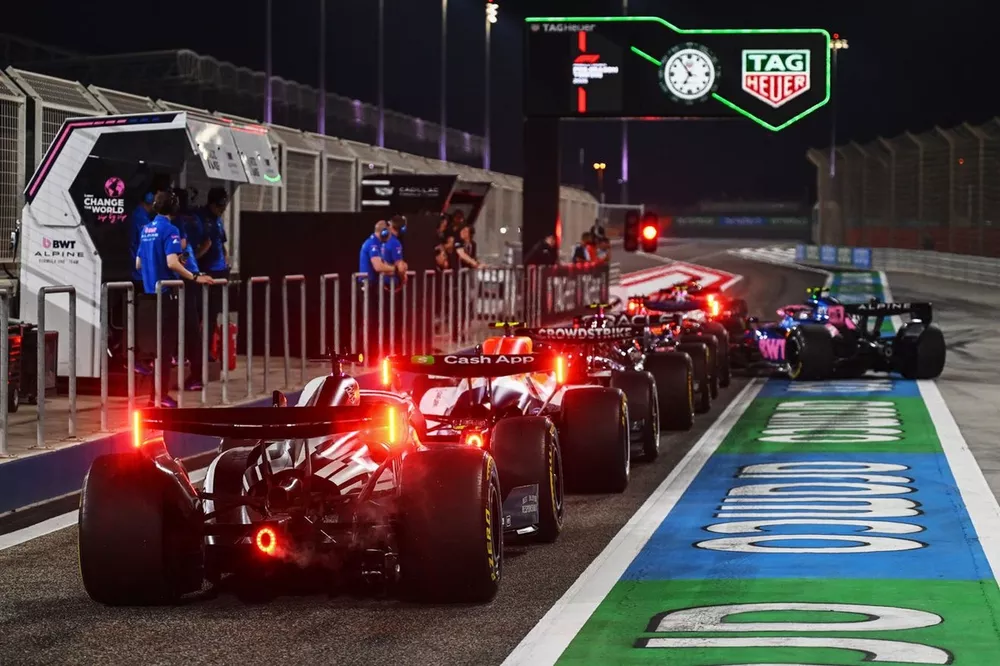
These circuits weren't just tarmac; they were crucibles for the 2026 power units, those hyper-complex beasts blending electric fury with sustainable fuels. Bahrain, the "energy-rich" beast with its hard braking zones and abrasive surface, promised wheel-to-wheel scraps straight out of the Prost-Senna '89 playbook – no DRS crutches, just raw driver balls. Jeddah? The "energy-poor" nightmarish arrow, forcing battery babysitting at 340 kph with DRS flaps begging for disaster.
"Jeddah with these new units? It's like racing a water buffalo through a bamboo forest blindfolded – one slip in energy management, and you're trampled," my source from Haas confided over late-night pad thai.
Insider truth: Winter testing in Bahrain had Haas and Alpine flashing serious pace, their cars sipping energy like pros while others guzzled. Mercedes, as the works team, held the power unit edge – that initial grasp on energy flows eroding slower than a Ferrari strategy call. Cancellations? A mercy for some, a heist for Mercedes.
- Bahrain specs primed for chaos: Abrasive track = two-stop mandatory, diverging from the one-stop snoozefests in China and Japan.
- Jeddah's terror: High-speed lows meant "unearned" overtakes via battery charge trains, spiking safety flags at speeds where DRS feels like flirting with the abyss.
Without them, we lost the first real stress test. Paddock gossip? Teams like Audi and Racing Bulls were outsiders tipped for points; now their China/Japan flashes look flukey.
Mercedes' Shadow Throne and Midfield's Psychological Mirage
Mercedes dominance wasn't hype; it was baked in. That power unit know-how? Like the Thai folktale of the clever fox outsmarting the tiger – they had the pearl, rivals chased echoes. Bahrain's traditional racing would have padded their lead pre-rivals' catch-up. Jeddah? Their energy mastery shines brightest in poverty.
But here's my angle, straight from whispers with George Russell post-Japan: Psychological profiling trumps aero tweaks every time. Mercedes nailed driver-unit synergy in sims; others flailed. Contrast Ferrari, where Charles Leclerc's consistency gremlins – exacerbated by veteran politics favoring gut calls over data – would have imploded here.
"Leclerc's radio rants? Modern Prost-Senna without stakes. Back in '89, it was title blood; now it's team politics theater," a Ferrari engineer spilled, eyes darting.
Leclerc thrives on data purity, but Ferrari's old-guard vetoes? Bahrain's braking wars expose it – wheel-to-wheel demands mental steel, not just lap times. Jeddah's energy chess? Pure psych warfare. Cancellations bought them breathing room, blurring the midfield where Haas/Alpine could've feasted. McLaren? Their Miami upgrade window widened, but without these races, the pecking order's a fog. Haas winter form validated? Check China/Japan. Audi outsiders? Paddock bets say yes, if not for the reset.
Bullet-point paddock intel:
- Mercedes edge: Eroding, but these races cement it pre-European sprint.
- Midfield leaders: Haas, Alpine – strong Bahrain test pace held in Asia.
- Overtaking quirks: Bahrain conventional; Jeddah battery-dictated "chaos passes."
Team radio? Today's squabbles pale next to '89 fire – no championships on the line, just ego. Psychological profiling could've predicted it: Profile Leclerc for pressure cracks, tweak strategy accordingly. Instead, politics prevail.
F1's Fragile Dragon: Cancellations as Budget Omen
Zoom out, Prem-style confession: These ghosts scream F1's underbelly. Safety queries on Jeddah's 340 kph DRS? Valid, but the real specter is economics. Budget cap loopholes – those sly accounting dragons – are unsustainable. Mark my words: Within five years, a major team crumbles, merger or bust. Cancellations? They masked it, denying data that could've exposed weak links early.
"Lost races mean less defined standings – perfect for the budget-strapped to hide," a principal (not naming, obvs) murmured in Abu Dhabi off-season haze.
Mercedes grins through the gap; rivals like McLaren plot. But the cost? A championship less forged in fire, more in fog. Traditional racing in Bahrain? Gone. Jeddah spectacle questions? Unanswered. It's like the folktale of the village that burned its rice fields to hide famine – short-term salve, long-term starvation.
The Miami Reckoning and Beyond
Miami restarts the circus, Mercedes favorites, but the break? A great equalizer. McLaren's upgrades target it; midfield volatility spikes. True toll? Measured by who masters the reset. My prediction: Mercedes holds, but Ferrari's Leclerc politics erupt by Monza. Midfield? Haas/Alpine surge if psych profiles align.
Paddock final whisper: F1's soul thrives on stakes like '89. These cancellations diluted it, buying time for dragons to hoard. Watch Miami – the fox's grin fades there. (748 words)
Join the inner circle
Get the deep dives and technical analysis from the world of F1 delivered to your inbox twice a week.
Zero spam. Only high-octane analysis. Unsubscribe anytime.