Fernando Alonso warns 2026 F1 rules risk 'robot-style' driving, less driver joy
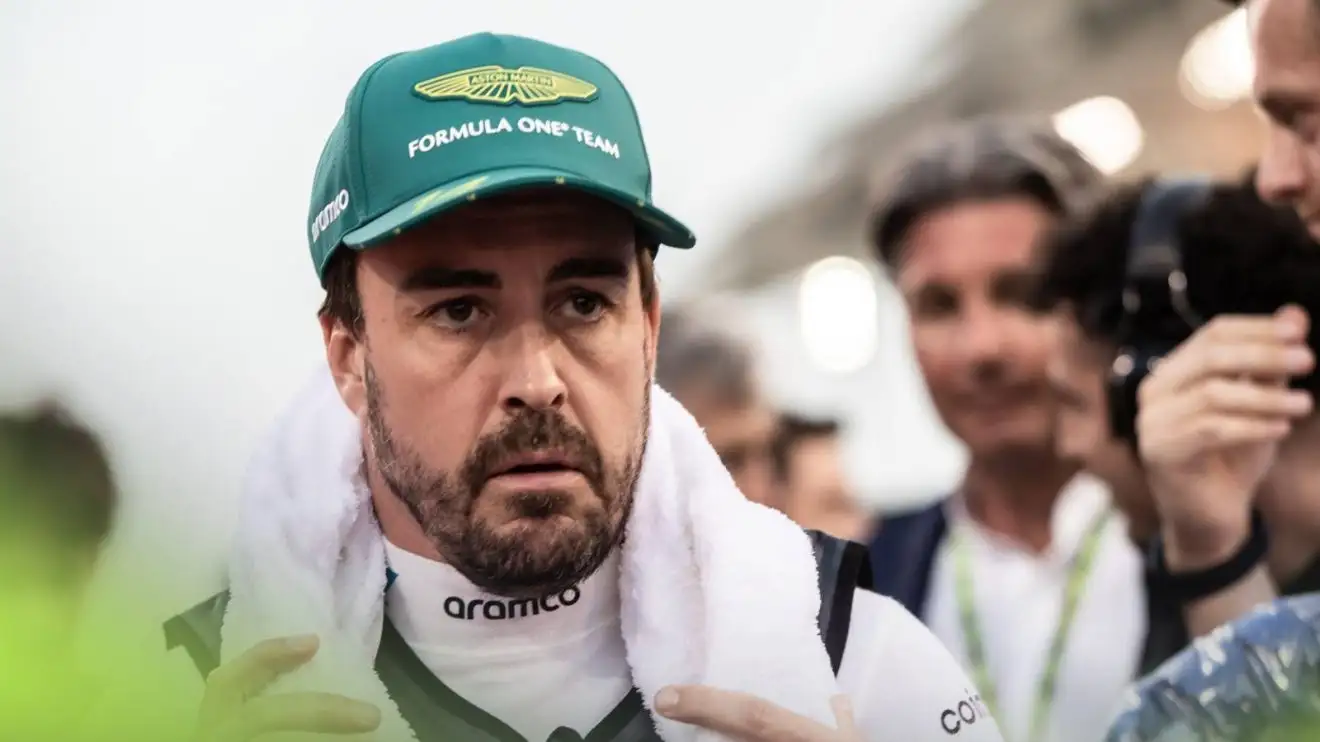
Fernando Alonso warns that F1's 2026 technical regulations, which demand intense energy management, are creating a "robot-style" of driving that removes joy from the cockpit. The two-time champion, after testing the new car, says the sport has moved away from the pure, on-the-limit racing that defined its peak, favoring calculated efficiency over raw driver skill.
Fernando Alonso, Formula 1's most experienced driver, has expressed concern that the sport's 2026 technical regulations will demand so much energy management from drivers that it risks creating a "robot style" of driving and removing "some of the joy" from being behind the wheel. After testing the new Aston Martin AMR26 in Barcelona, Alonso acknowledged the intellectual challenge but lamented the shift away from the pure, on-the-limit driving that defined F1's peak era.
Why it matters:
Alonso's critique strikes at the heart of a philosophical debate in F1: the balance between technological sophistication and raw driver skill. As the sport moves toward a near 50/50 split between internal combustion and electrical power, the 2026 cars are forcing drivers to become hyper-efficient energy managers, even during qualifying laps. This evolution could fundamentally alter what it means to be a fast F1 driver, potentially favoring calculated efficiency over instinctive, aggressive racing.
The details:
- Alonso's comments come after his first experience in Aston Martin's 2026 car, where he found the need to manage energy harvesting and deployment "a little bit annoying" from a pure driving perspective.
- The new power units are leading to scenarios like "lifting and coasting" (backing off the throttle early to harvest energy) and downshifting on long straights to optimize power delivery, even on a single flying lap.
- Other drivers have echoed similar sentiments. Haas rookie Oliver Bearman called the reality "a bit sad," while team boss Ayao Komatsu noted drivers are punished for poor energy conservation. In contrast, Mercedes' George Russell found the sensation less unnatural, comparing it to downshifting on a hill.
- Alonso, who has raced under four distinct engine regulations (V10, V8, V6 hybrid, and now this new cycle), stated that while drivers will adapt, the sport is moving away from what he considers "the peak of Formula 1 DNA"—lighter, louder cars driven flat-out.
The big picture:
Alonso frames this shift as part of a broader trend across all sports, where structured systems and optimized processes are increasingly valued over individual inspiration or "magic" moments. He draws a parallel to basketball, where games are now more analytically structured compared to decades past. While he admits the new rules present an interesting technical puzzle, he believes they inherently limit naturally gifted drivers who thrive on pushing a car to its absolute physical limit, rather than managing systems for efficiency.
What's next:
The 2026 regulations are locked in for their full five-year cycle, meaning this style of racing is the foreseeable future. Alonso and his peers will have to master this new discipline. His final assessment is pragmatic yet nostalgic: the new era is neither better nor worse, but it is unquestionably different, marking a definitive step away from the visceral driving experience that defined the sport's most romanticized era.
Don't miss the next lap
Get the deep dives and technical analysis from the world of F1 delivered to your inbox twice a week.
Zero spam. Only high-octane analysis. Unsubscribe anytime.
Join the inner circle
Get the deep dives and technical analysis from the world of F1 delivered to your inbox twice a week.
Zero spam. Only high-octane analysis. Unsubscribe anytime.
Continue Reading
View More News