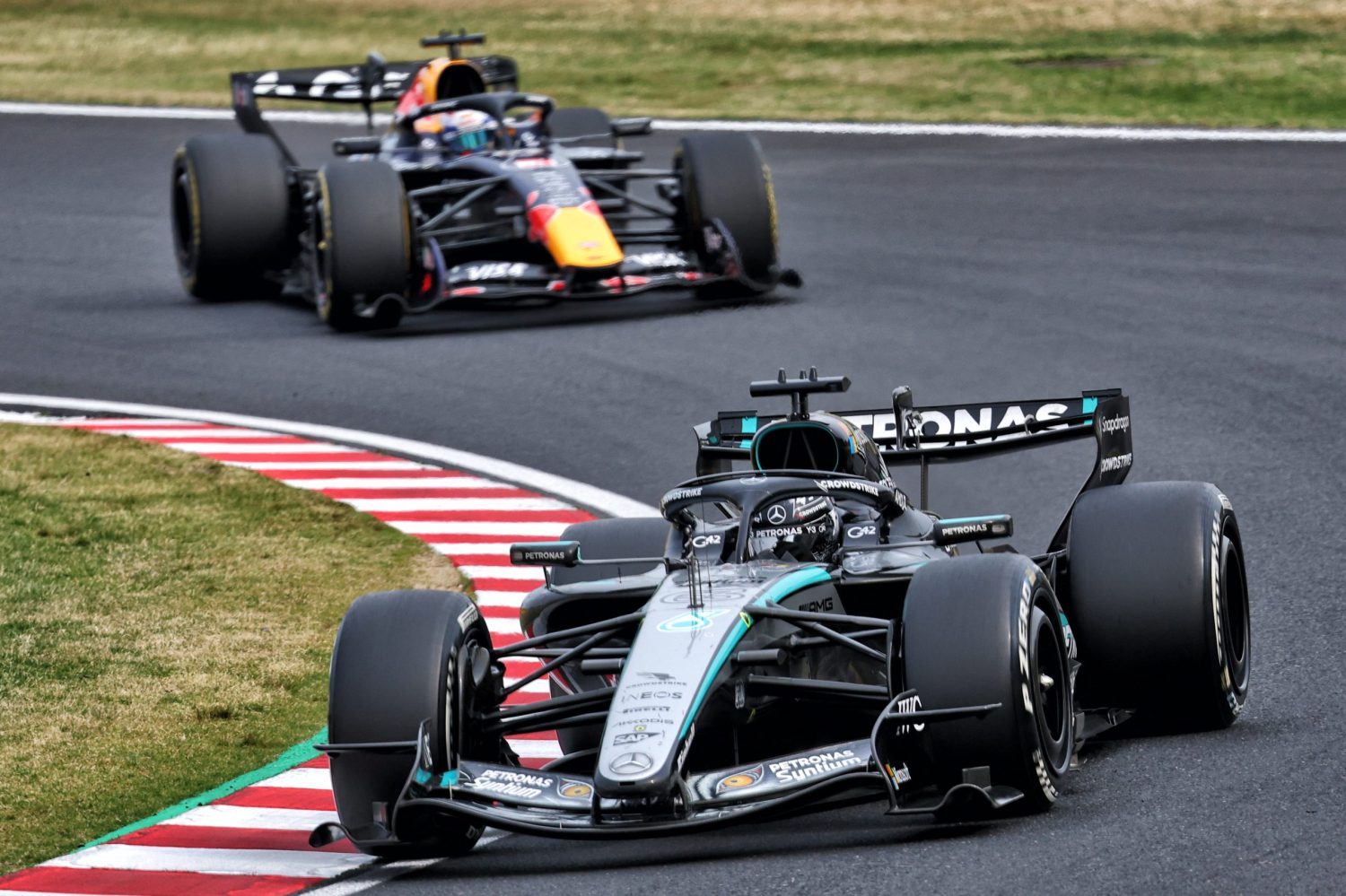
FIA Closes Loophole on Qualifying Power 'Hack'
The FIA has banned a qualifying exploit where Mercedes and Red Bull-powered teams used an emergency system override to gain a final power boost. The tactic bypassed energy depletion rules but risked reliability. A software update now restricts the override to genuine failures only.
The FIA has moved to ban a technical exploit that allowed Mercedes and Red Bull-powered teams to gain a final, illegal speed boost at the end of qualifying laps by triggering an emergency system override. The governing body updated software protocols to ensure the safety feature cannot be used as a systematic performance tool, closing a loophole that had become a point of contention in the paddock.
Why it matters:
This intervention underscores the constant technical cat-and-mouse game in Formula 1 and the FIA's role in maintaining sporting integrity. The exploit, while clever, turned a critical safety mechanism into a competitive advantage, risking both fairness and reliability. By acting, the FIA reinforces that the regulations' intent—not just their letter—must be followed.
The details:
The loophole involved the hybrid system's MGU-K (Motor Generator Unit - Kinetic). Regulations mandate a gradual 50kW-per-second power reduction as the battery depletes to prevent dangerous, sudden deceleration.
- Teams discovered that by intentionally triggering an emergency shutdown of the MGU-K, they could bypass this taper and "dump" all remaining energy (50-100kW) instantly just before the finish line.
- This provided a measurable gain in a sport where pole position is often decided by thousandths of a second.
- The exploit's viability hinged on a key trade-off: triggering the emergency override imposes a 60-second lockout where the MGU-K is unusable.
- This penalty is crippling during a race but irrelevant at the end of a qualifying lap when drivers are coasting back to the pits.
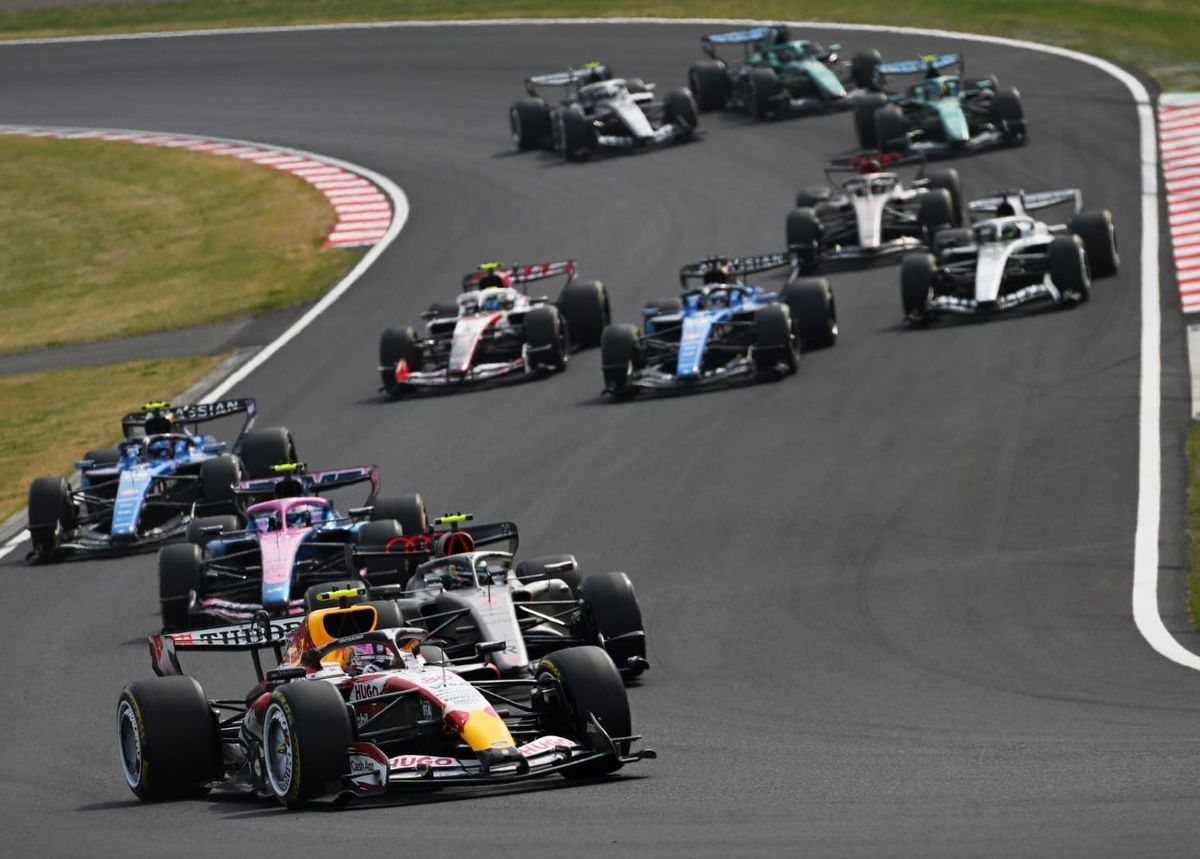
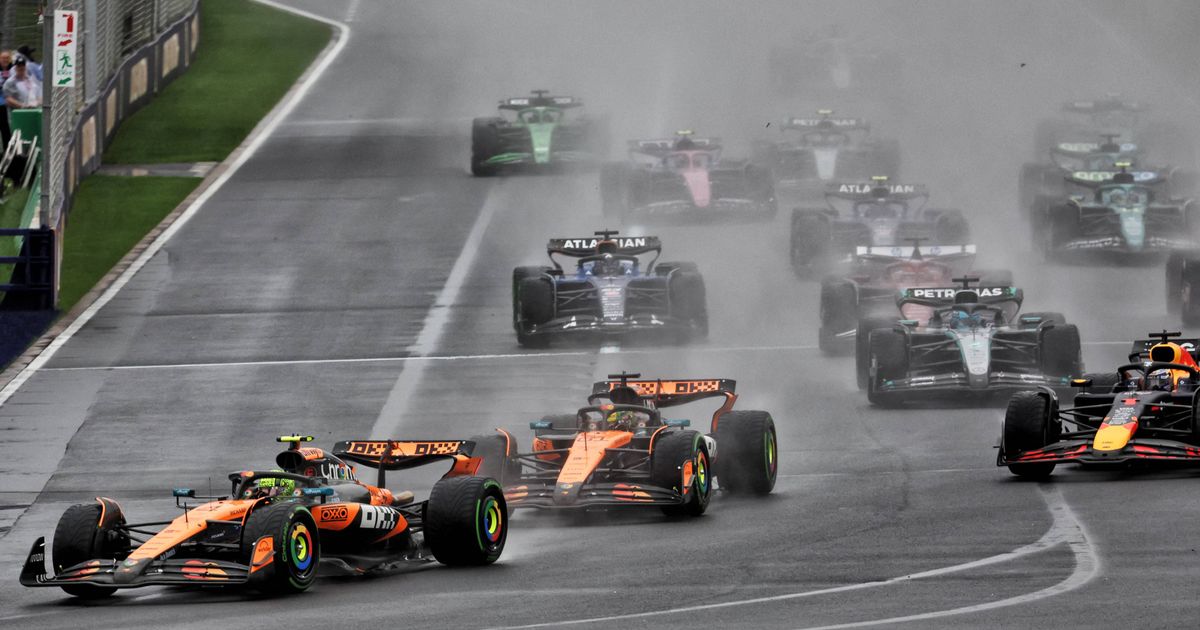
- The practice was reportedly used in Australia and Japan, but not without cost. It contributed to Alex Albon's stoppage in Japan and caused hybrid system complications for other drivers.
- Ferrari led calls for a ban, arguing the move had become a "systematic" performance tool, contrary to its purpose as a safety fallback.
Between the lines:
The FIA's software fix, applied to the standard ECU, effectively ends this practice by ensuring the override is reserved for genuine emergencies. With the 60-second lockout still in place, officials can now scrutinize telemetry; any team using it without a clear mechanical failure will face penalties. This decision not only levels the playing field for the remainder of the season but also sends a clear message about the boundaries of innovation, prioritizing long-term reliability and the spirit of the rules over short-term lap time gains.
Don't miss the next lap
Get the deep dives and technical analysis from the world of F1 delivered to your inbox twice a week.
Zero spam. Only high-octane analysis. Unsubscribe anytime.
Join the inner circle
Get the deep dives and technical analysis from the world of F1 delivered to your inbox twice a week.
Zero spam. Only high-octane analysis. Unsubscribe anytime.
Continue Reading
View More News