FIA to Review F1 Energy Management Rules After Chinese GP
The FIA will meet with teams after the Chinese Grand Prix to review F1's new energy management rules, which drivers heavily criticize for creating 'artificial' and chaotic racing. While producing more overtakes, the passes are dictated by battery cycles rather than skill, leading to widespread frustration and calls for change.
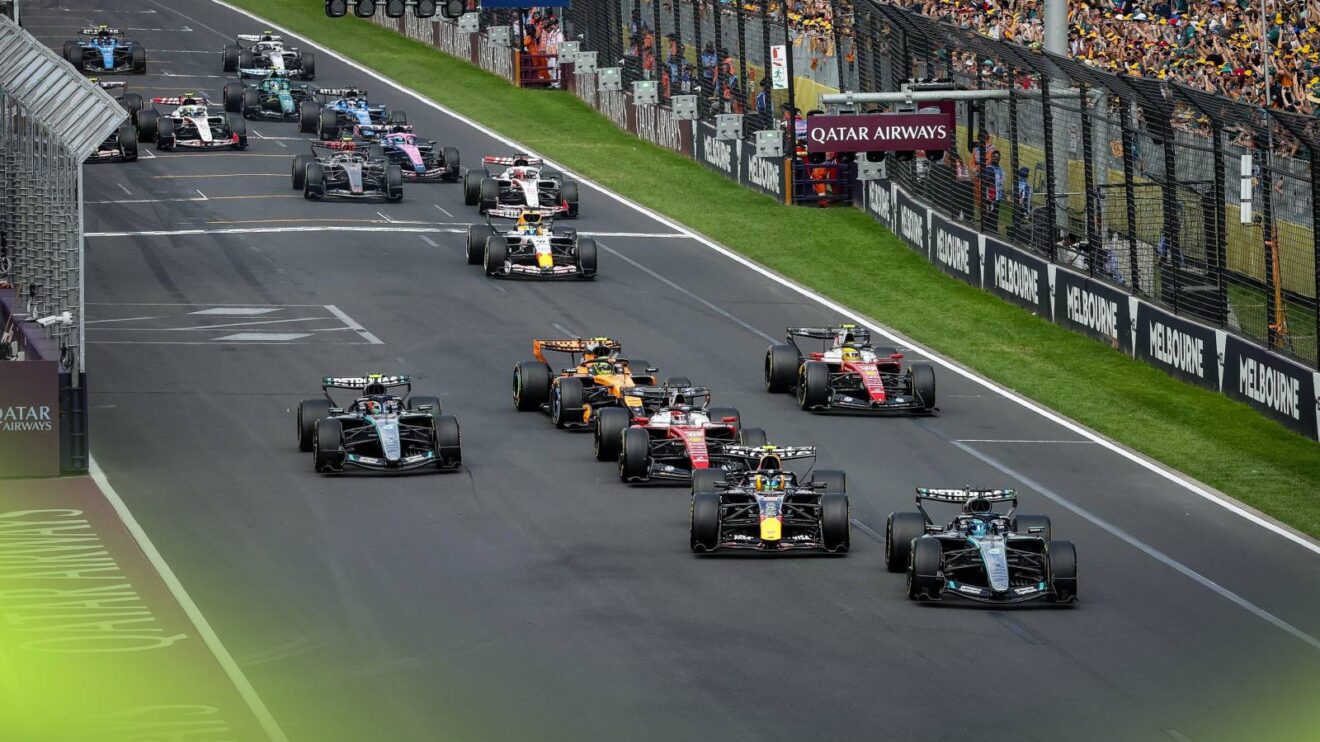
The FIA will review Formula 1's contentious energy management rules with teams after the Chinese Grand Prix, following widespread criticism from drivers about the 'artificial' racing and technical challenges created by the new power unit regulations. While the season opener in Australia produced more overtakes, drivers argue the passes are dictated more by battery cycles than pure racing skill, leading to calls for urgent fixes.
Why it matters:
The core driving experience and the spectacle of wheel-to-wheel combat are at stake. Drivers, including reigning champion Lando Norris and Max Verstappen, have been vocal in their dissatisfaction, labeling the current state as "chaos" and "artificial." If the sport's biggest stars are not enjoying the racing and are warning of potential danger due to massive speed differentials, it undermines the new regulations' credibility and fan engagement. The FIA's willingness to review the rules mid-season highlights the severity of the concerns.
The details:
- The 2026 power unit regulations require extreme energy efficiency, leading to complex management where the car's system automatically harvests energy ("super clipping") even under full throttle, bleeding top speed on straights.
- This has altered racing fundamentals: late braking is no longer rewarded, and high-speed corners have become less spectacular as cars arrive with depleted energy.
- Driver Frustration: Multiple drivers have criticized the system. Norris warned of a "big accident" due to chaotic speed differences, while Verstappen stated he is "not having fun" and wants "F1 on steroids," not the current product.
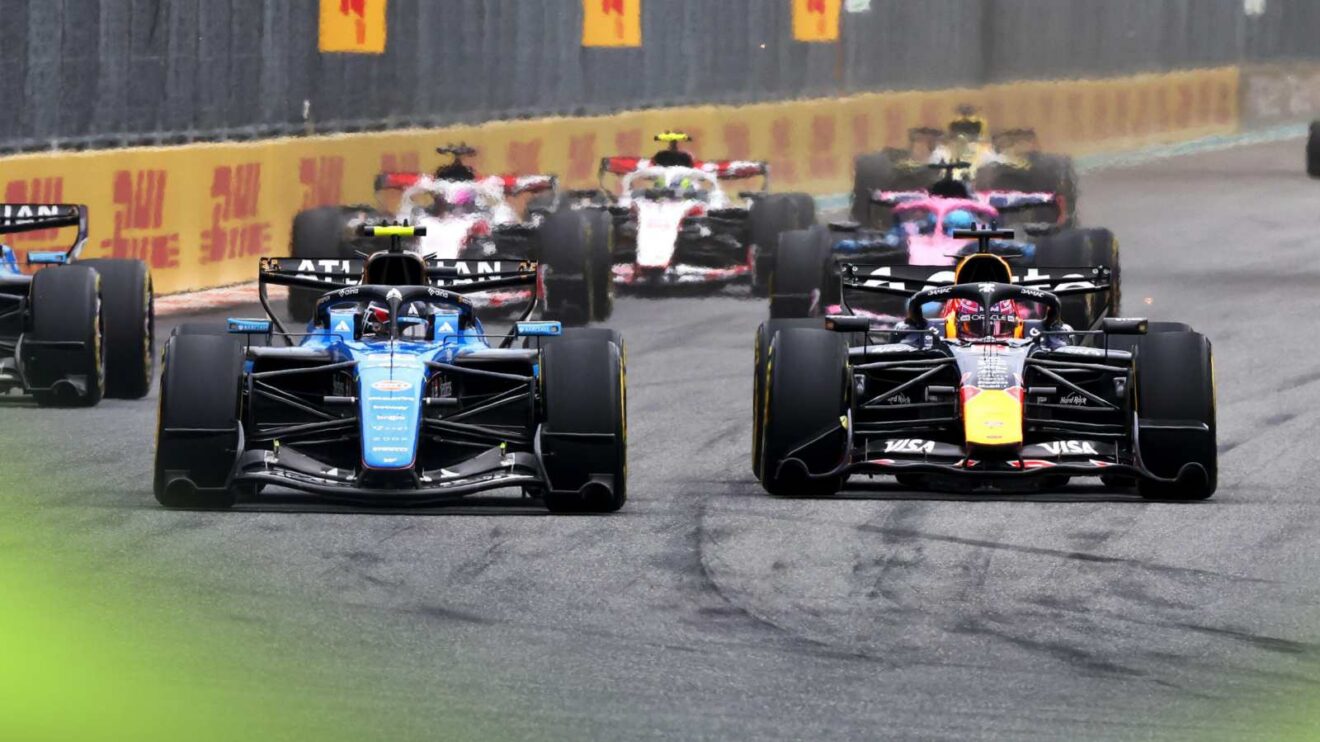
- Artificial Overtaking: The reported 120 overtakes in Australia were often a result of drivers cycling through energy phases, using a boost when a rival's battery was low, rather than traditional out-braking maneuvers.
- Potential Solutions: With the power units themselves homologated, changes would focus on software and energy deployment limits. Options include reducing peak electrical output for longer duration or increasing the "super clipping" harvest rate from 250kW to 350kW, though drivers like Oscar Piastri are skeptical of the latter's benefit.
What's next:
FIA Single-Seater Director Nikolas Tombazis confirmed a post-China review is planned, noting the organization has "a few aces up our sleeves" but wanted to avoid knee-jerk reactions after just one race. The unanimous team agreement was to gather more data from the first few events before deciding on changes. The two-week gap between the Chinese Grand Prix on March 15th and the following race in Japan, coupled with a potential calendar break, could provide a window to implement any agreed-upon adjustments for the remainder of the season.
Don't miss the next lap
Get the deep dives and technical analysis from the world of F1 delivered to your inbox twice a week.
Zero spam. Only high-octane analysis. Unsubscribe anytime.
Join the inner circle
Get the deep dives and technical analysis from the world of F1 delivered to your inbox twice a week.
Zero spam. Only high-octane analysis. Unsubscribe anytime.
Continue Reading
View More News