Hamilton Doubts FIA Meeting Impact as Drivers 'Have No Power' Over F1 Rules
Lewis Hamilton doubts the upcoming FIA review will lead to meaningful changes for F1's new rules, stating drivers have 'no power' in the process. His comments follow Oliver Bearman's 50G crash at Suzuka, which highlighted dangerous speed differentials and fueled driver complaints about 'artificial' and unsafe racing conditions under the current energy management regulations.
Lewis Hamilton has expressed deep skepticism about the upcoming FIA review of Formula 1's new regulations, bluntly stating that drivers have no real power or voting rights to influence meaningful change. His comments come amid growing driver frustration over 'artificial' racing and significant safety concerns, highlighted by Oliver Bearman's massive 50G crash at Suzuka caused by extreme speed differentials between cars.
Why it matters:
The core issue extends beyond competitive balance to fundamental safety. Drivers are reporting dangerous speed deltas of over 50 km/h during races, creating unpredictable and hazardous overtaking situations. If the sport's rule-makers primarily listen to teams and TV broadcasters rather than the athletes facing these risks on track, the 2026 regulations could cement a flawed and potentially dangerous racing format.
The details:
- The FIA and F1 have scheduled a key meeting for April 9th to evaluate the new regulations, particularly the adjustable parameters around energy management that have defined the early season.
- Driver Powerlessness: Hamilton was unequivocal, stating, "The drivers don’t have a say. They don’t have any power. We are not on the committee; we have no voting rights." He pessimistically predicted the review would involve "a lot of chefs in the kitchen" without a good result.
- Safety Incident as Catalyst: The planned review gained urgency after Oliver Bearman's high-speed crash. The Haas driver, with a significant battery energy advantage, closed on Franco Colapinto's car at a delta of more than 50 kph, leading to a collision and a 50G impact with the barrier.
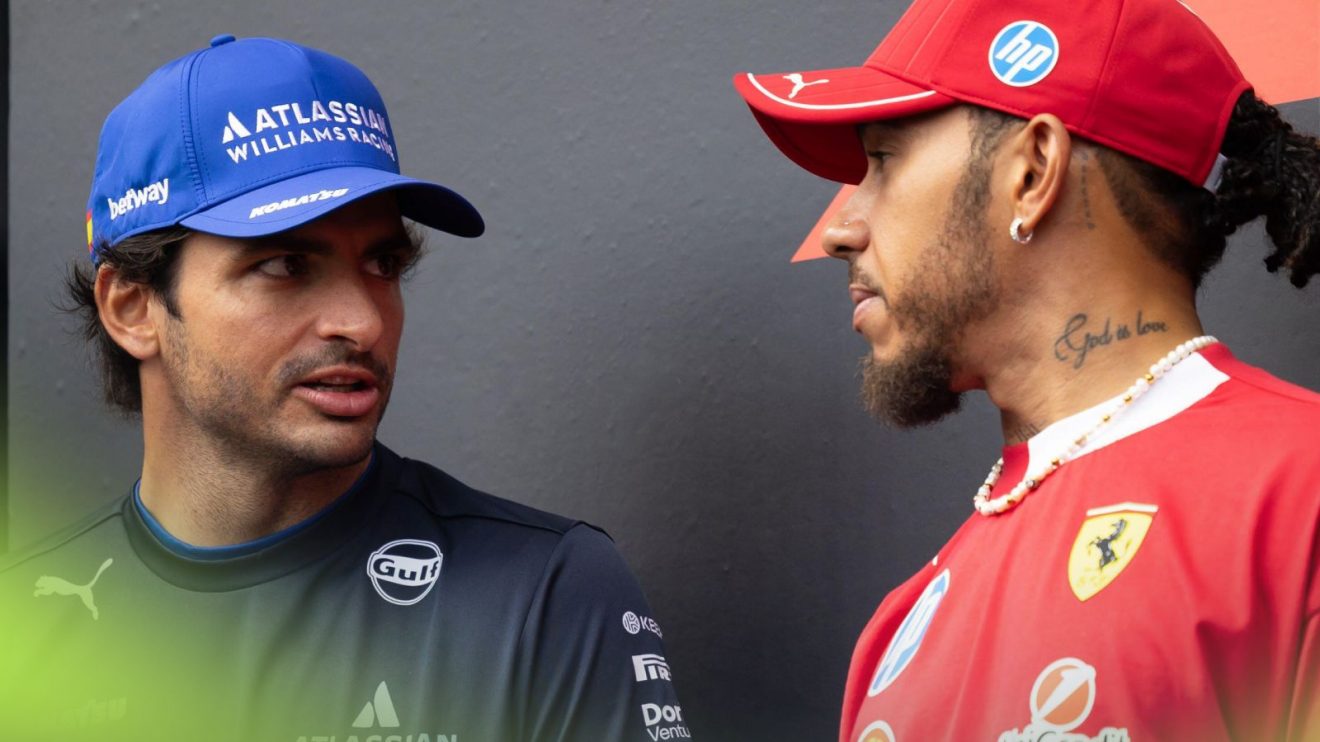
- Widespread Driver Criticism: Carlos Sainz echoed the concerns, arguing that listening only to teams is a problem because they might think "the racing is OK" for TV. He emphasized that such huge speed differences mean "that’s actually not racing" and create conditions for "big accidents."
- The 'Artificial' Racing Problem: Drivers have criticized multiple aspects, including the need for excessive lift-and-coast in qualifying to harvest energy and "fake overtakes" in races that are purely dependent on temporary battery power advantages rather than sustained car performance.
What's next:
The April 9th meeting is now a critical test of the sport's willingness to listen to its competitors. Drivers like Sainz are pleading for immediate adjustments, potentially by the Miami Grand Prix, and a medium-term plan to fundamentally improve the regulations.
- However, with Hamilton and others doubting the process due to the drivers' lack of formal power, significant changes are not guaranteed.
- The FIA's statement noted that any adjustments "require careful simulation and detailed analysis," suggesting a cautious, data-driven approach that may not align with the drivers' calls for urgent action to improve racing and safety.
Don't miss the next lap
Get the deep dives and technical analysis from the world of F1 delivered to your inbox twice a week.
Zero spam. Only high-octane analysis. Unsubscribe anytime.
Join the inner circle
Get the deep dives and technical analysis from the world of F1 delivered to your inbox twice a week.
Zero spam. Only high-octane analysis. Unsubscribe anytime.
Continue Reading
View More News