Max Verstappen's F1 Future in Doubt as Father Fears Loss of Motivation
Max Verstappen's intense criticism of F1's 2026 racing format, calling it "anti-racing," has evolved into a serious threat to his future in the sport. His father Jos openly fears Max is losing motivation and may not see out his Red Bull contract, which runs until 2028, if the fundamental driving experience does not change.
Four-time World Champion Max Verstappen's growing disillusionment with Formula 1's new 2026 technical regulations has escalated into a genuine concern for his future in the sport, with his father Jos Verstappen openly worrying his son may lose motivation and walk away. The Red Bull driver has repeatedly criticized the battery-dependent, energy-harvesting racing style as "anti-racing" and unenjoyable, raising questions about his commitment beyond his current contract, which runs through 2028.
Why it matters:
Verstappen is the sport's reigning superstar and biggest draw. If a driver of his caliber and success finds the core product unappealing and considers an early exit, it represents a significant credibility crisis for F1's new technical direction. His potential departure would not only create a massive competitive void but also signal a failure to engage its top talent with the racing product it has designed for the future.
The details:
- Verstappen's criticism is pointed and consistent. He has labeled the 2026 cars' driving experience "Formula E on steroids" and "Mario Kart," lamenting the loss of flat-out, traditional racing in favor of strategic battery management and lift-and-coast.
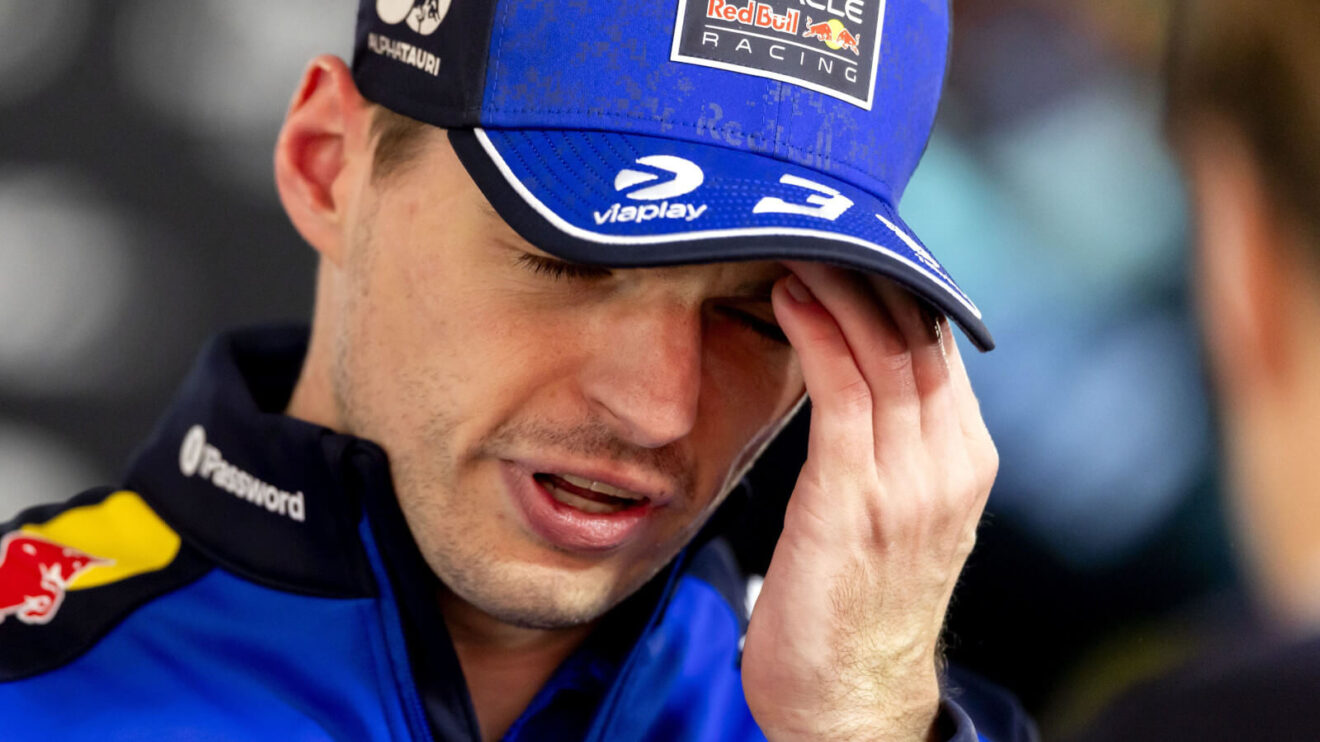
- In a recent interview, Verstappen stated that fighting in lower positions "doesn't feel natural" when combined with a dislike for the fundamental racing formula, emphasizing his desire to "have fun and enjoy myself."
- His father and former F1 driver, Jos Verstappen, provided a stark assessment to Dutch media, confirming the seriousness of the issue. He expressed worry that Max is losing the passion that once made driving an F1 car "the best thing in the world."
- Jos revealed his own disengagement, noting he recently turned off a practice session after 15 minutes because the spectacle of drivers having to coast didn't interest him—a first in his long history with the sport.
- The elder Verstappen also highlighted the political hurdles, suggesting teams like Mercedes, which have invested heavily and may have an early advantage under the new rules, would resist major changes, complicating any regulatory fixes.
What's next:
All eyes are on an upcoming April 9th meeting between F1 and the FIA. While Jos Verstappen believes the authorities "listen" to his son, he is skeptical that minor in-season tweaks will be enough. The hope is for "major changes" by 2027. The situation creates a pivotal moment for the sport's governance: can it adapt its vision to retain its most marketable champion, or will it risk his early retirement and the message that sends to fans and drivers alike? Verstappen's patience, and his contract, have a clear timeline.
Don't miss the next lap
Get the deep dives and technical analysis from the world of F1 delivered to your inbox twice a week.
Zero spam. Only high-octane analysis. Unsubscribe anytime.
Join the inner circle
Get the deep dives and technical analysis from the world of F1 delivered to your inbox twice a week.
Zero spam. Only high-octane analysis. Unsubscribe anytime.
Continue Reading
View More News