Mercedes and Red Bull's Qualifying Engine Trick Draws FIA Scrutiny
Mercedes and Red Bull are using a legal but controversial engine mode in qualifying to extend full power deployment, gaining a tiny laptime advantage. However, it has caused multiple cars to lose power dangerously on cool-down laps, drawing FIA scrutiny and irritating Ferrari, who see it as unintended rule exploitation.
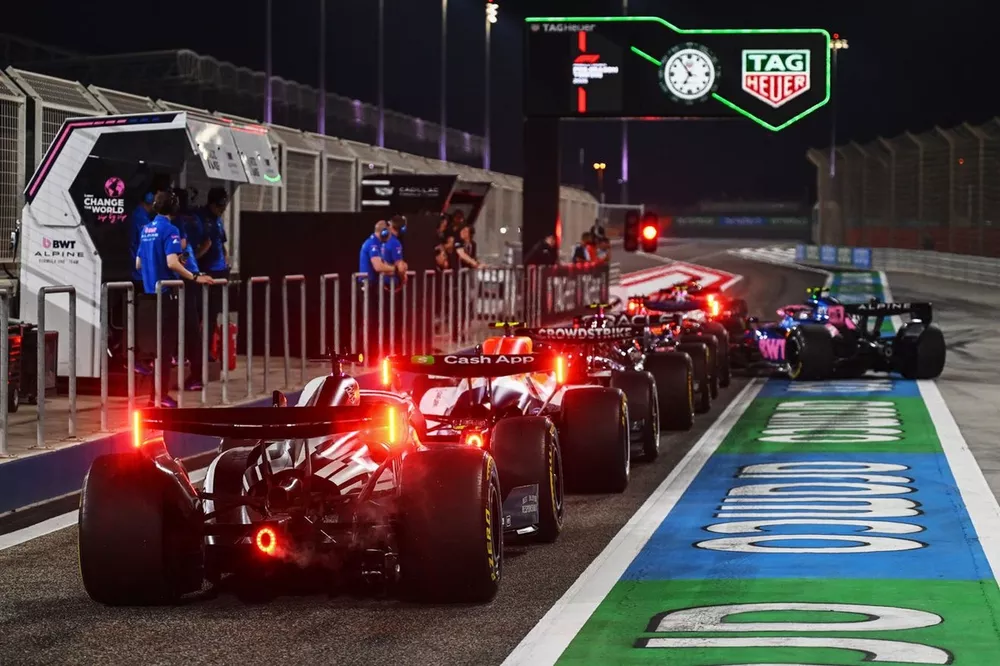
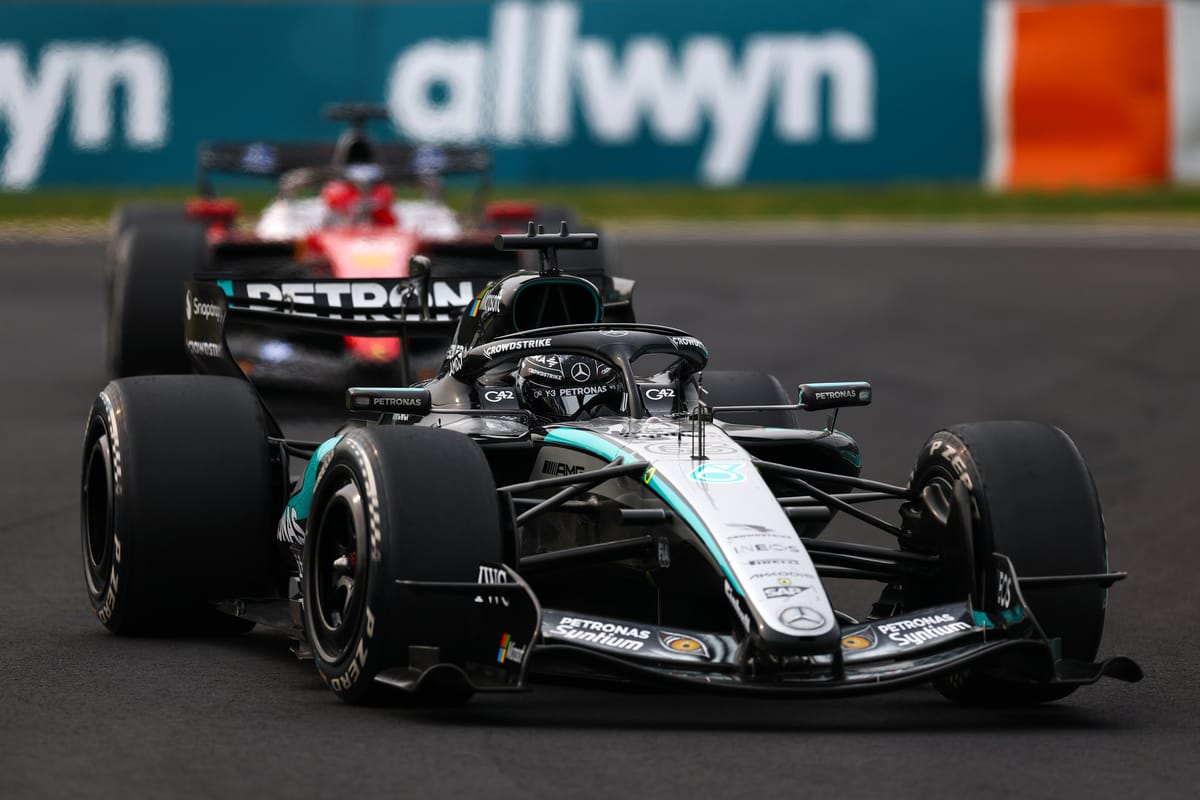
Mercedes and Red Bull have exploited a rule loophole to gain a minor performance edge in qualifying, using an emergency engine mode to delay a mandatory power reduction until the very end of a flying lap. This tactic, while legal, has caused dangerous engine 'shutdowns' for several drivers when slowing on cooldown laps, prompting FIA investigation and frustrating rivals like Ferrari.
Why it matters:
This incident highlights the intense technical gamesmanship in F1's new engine era, where teams relentlessly seek marginal gains within complex regulations. More critically, it raises immediate safety concerns, as cars losing power unpredictably on track—especially in high-speed sections like Suzuka's opening sector—creates a significant hazard for all drivers.
The details:
- The Trick: The 2026 power unit rules require a staged, gradual reduction of MGU-K (electric motor) deployment. Mercedes and Red Bull have programmed their engines to use an emergency 'sudden shut-off' mode right at the finish line, allowing full 350kW electric power for a fraction longer during the lap.
- The Trade-Off: Using this mode triggers a mandatory 60-second lockout of the MGU-K. This is normally not a problem at the end of a quali lap, but it leaves the engine vulnerable if the driver must slow dramatically on the in-lap.
- The Dangerous Consequence: Without the MGU-K to fill in the 'turbo lag' of the new engines, if revs drop too low (e.g., when letting another car past), turbo boost pressure collapses. The engine effectively loses all power, leaving drivers stranded or limping at dangerously low speeds, as happened to Alex Albon, Kimi Antonelli, and Max Verstappen in Japan.
- Ferrari's Frustration: Ferrari is reportedly annoyed, viewing this as another instance where Mercedes benefits from a rules interpretation. The Scuderia had previously been forced to adapt its engine design to address launch issues that primarily affected others, and now sees a rival gaining an edge through a tactic not intended for competitive use.
What's next:
The FIA acknowledges the tactic is currently legal but is monitoring it as a safety issue following the multiple incidents in Japan. Mercedes chose not to use the trick for the remainder of the Suzuka weekend, and there is a growing belief within teams that the minimal performance gain may not be worth the risk of a race-stopping failure or causing a dangerous situation. The governing body may intervene if the safety concern persists, potentially clarifying or closing the loophole for future races.
Don't miss the next lap
Get the deep dives and technical analysis from the world of F1 delivered to your inbox twice a week.
Zero spam. Only high-octane analysis. Unsubscribe anytime.
Join the inner circle
Get the deep dives and technical analysis from the world of F1 delivered to your inbox twice a week.
Zero spam. Only high-octane analysis. Unsubscribe anytime.
Continue Reading
View More News