Olympic champ Vonn reveals F1 dream killed by 'no pregnancy' clause
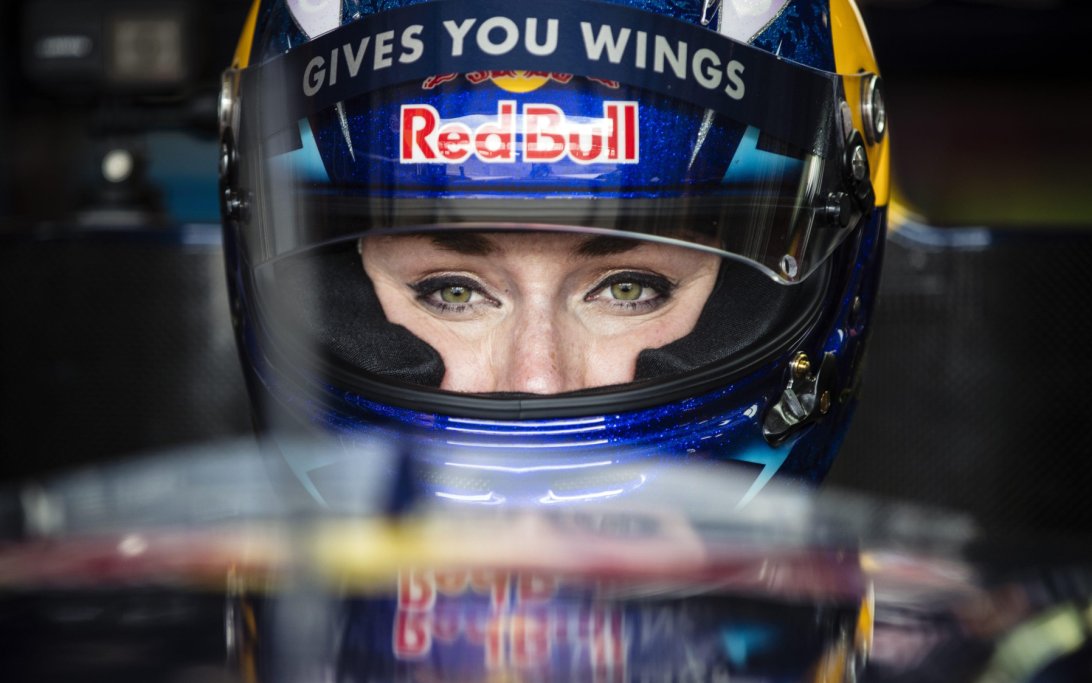
Skiing legend Lindsey Vonn reveals she nearly became an F1 driver but walked away when a team demanded she sign a contract forbidding pregnancy for three years. The Olympic champion, who tested a car for Red Bull, chose personal freedom over the racing dream.
Olympic skiing champion Lindsey Vonn has revealed her potential switch to Formula 1 was halted by a team's demand that she sign a three-year contract with a clause forbidding her from getting pregnant. The Red Bull-backed athlete, who tested an F1 car on track, ultimately walked away from the opportunity, prioritizing personal freedom over the racing dream.
Why it matters:
Vonn's story highlights the stark, often unspoken contractual and personal sacrifices demanded at the pinnacle of motorsport, particularly for women. It underscores how archaic conditions can still block diverse talent from entering F1, a sport that has only recently seen a female driver test for a modern team with Susie Wolff's run in 2014.
The details:
- Vonn, a downhill gold medalist, was a Red Bull athlete and got behind the wheel of a Formula 1 car for a test run at the Red Bull Ring in Spielberg, Austria.
- She recounted pushing an Audi R8 to 130 mph on the German autobahn with fellow skier Maria Höfl-Riesch, showcasing her appetite for speed.
- During the track test, she admitted to a "tendency to go a little too fast on the corners" and spinning out, but demonstrated the raw speed that attracted interest.
- The Dealbreaker: Serious discussions about a career switch included a proposed three-year, fully-committed contract. The team's stipulation that she could not get pregnant during that term was the ultimate dealbreaker for Vonn.
- Her response was definitive: "I don’t know if I really want to do that," choosing autonomy over a regimented racing path.
The big picture:
Vonn's revelation adds a personal dimension to the long-standing conversation about barriers for women in motorsport. While physical suitability and opportunity are frequent topics, her experience points to institutional and contractual hurdles that extend beyond the track. Her decision mirrors choices faced by many female athletes in peak career years, balancing professional ambition with personal life goals in a high-stakes, time-sensitive environment.
What's next:
Now 39, Vonn is defying her own retirement by returning to compete at the Milan-Cortina Winter Olympics, despite a ruptured ACL. While her F1 chapter is closed, her candid disclosure fuels ongoing discussions about creating more inclusive and realistic pathways for women in all professional sports. For Vonn, the next challenge is on the slopes, not the racetrack.
Don't miss the next lap
Get the deep dives and technical analysis from the world of F1 delivered to your inbox twice a week.
Zero spam. Only high-octane analysis. Unsubscribe anytime.
Join the inner circle
Get the deep dives and technical analysis from the world of F1 delivered to your inbox twice a week.
Zero spam. Only high-octane analysis. Unsubscribe anytime.
Continue Reading
View More News