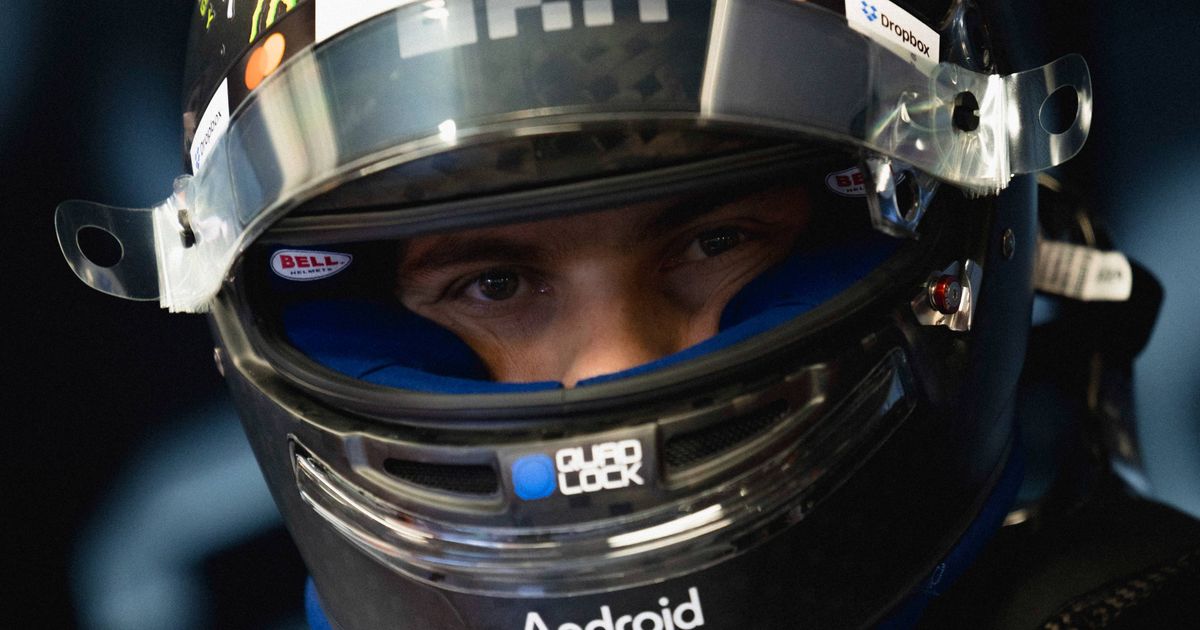
Piastri dismisses 'works team' advantage theory for F1's 2026 rules
McLaren's Oscar Piastri challenges the idea that factory 'works' teams like Ferrari and Mercedes will have a built-in edge under F1's 2026 rules. He argues that preparation and aerodynamic efficiency, not just engine-manufacturer status, will determine early success, highlighting McLaren's close ties with supplier Mercedes.
Oscar Piastri has pushed back against the prevailing theory that established 'works' teams like Red Bull, Ferrari, and Mercedes will hold an inherent advantage when Formula 1's new technical regulations debut in 2026. The McLaren driver argues that early development time and aerodynamic efficiency, not factory engine status, will be the true differentiators.
Why it matters:
The debate around 'works' versus 'customer' teams is central to the 2026 reshuffle, as new power unit rules allow for more development. If a top customer team like McLaren believes it can compete on equal footing from the start, it challenges the assumption that the competitive order will be reset solely based on factory alliances, potentially signaling a more open fight at the front.
The details:
- Piastri acknowledged that works teams have had more time to integrate the 2026 rules into their long-term projects but downplayed it as a decisive disadvantage for McLaren.
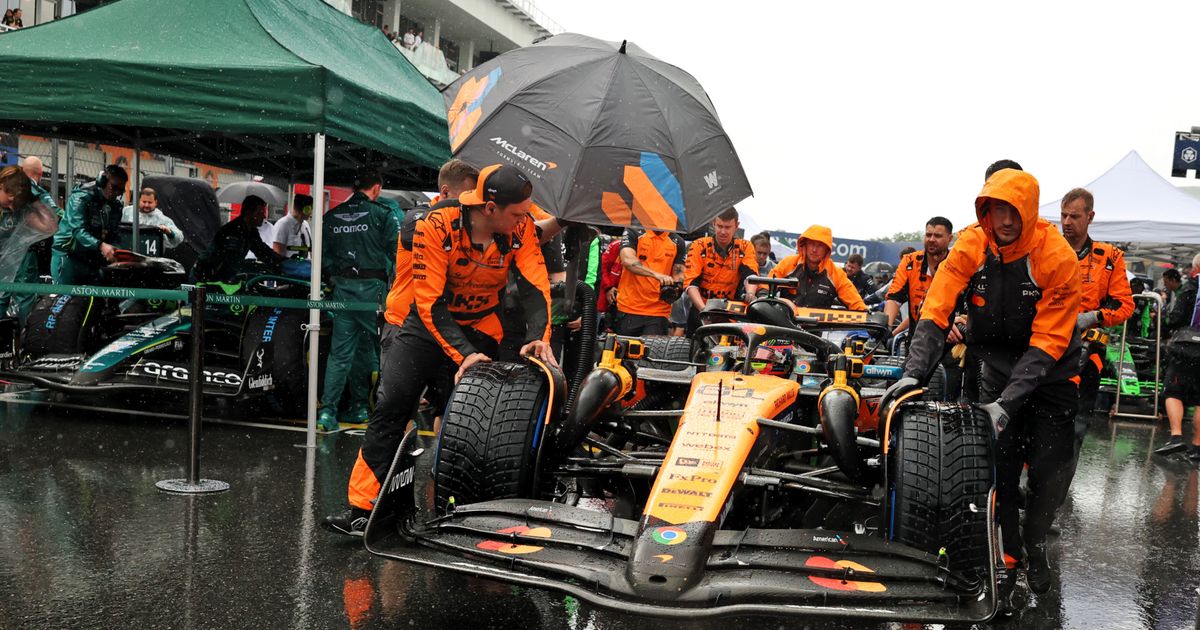
- He clarified that issues McLaren faced during pre-season testing in Barcelona were unrelated to their customer status, instead attributing them to general "teething problems."
- The Australian emphasized McLaren's "very close relationship" with their engine supplier, Mercedes HPP (High Performance Powertrains), as a key benefit that mitigates any potential gap.
- Ultimately, Piastri pinpointed the critical factor: "I think it's more going to be about who was able to capitalise in the last 12 months on kind of the aero testing and just getting things organised."
- In a related show of confidence, Red Bull team principal Christian Horner publicly backed Piastri to bounce back from a tough end to the 2025 season, citing his motivation and expected growth with more experience.
What's next:
The theory will be put to the test when the 2026 cars hit the track. Piastri's comments set the stage for McLaren's ambitions to disrupt the expected hierarchy. His performance, and McLaren's ability to leverage its Mercedes partnership, will be a direct measure of whether a top customer team can indeed challenge the established works outfits from day one of the new era.
Don't miss the next lap
Get the deep dives and technical analysis from the world of F1 delivered to your inbox twice a week.
Zero spam. Only high-octane analysis. Unsubscribe anytime.
Join the inner circle
Get the deep dives and technical analysis from the world of F1 delivered to your inbox twice a week.
Zero spam. Only high-octane analysis. Unsubscribe anytime.
Continue Reading
View More News