The Ghost in the Machine: Verstappen's Lock-Up and the Data We Can't See

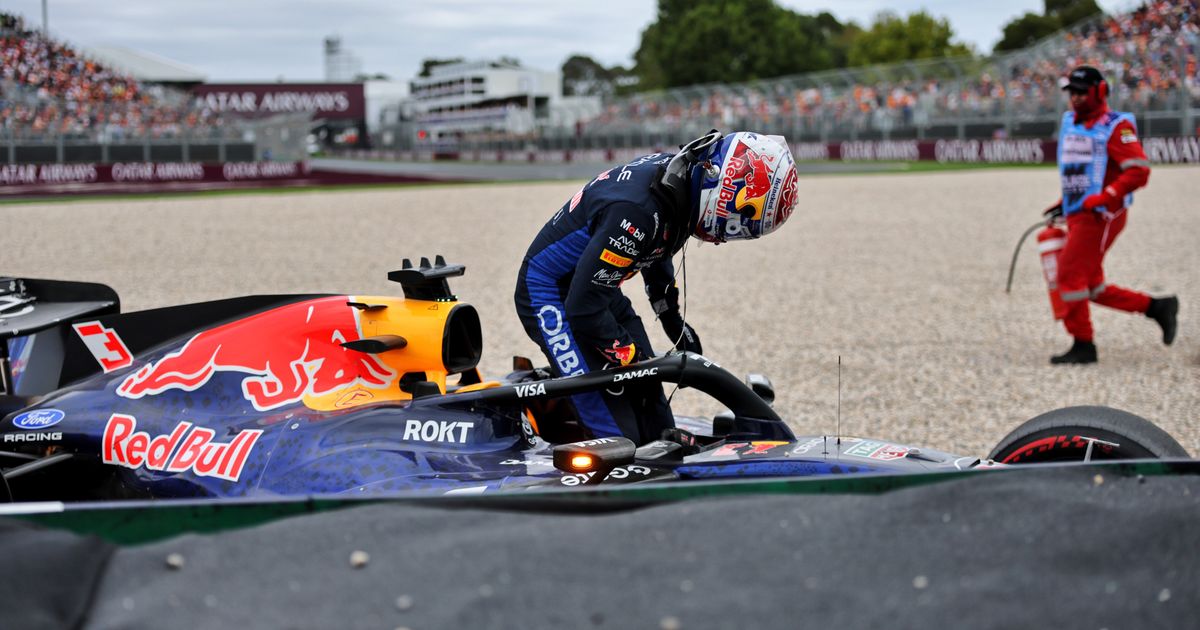
Red Bull is closing in on the cause of Max Verstappen's bizarre qualifying crash in Melbourne, attributing it to a combination of factors. The team made precautionary changes for the race and will continue its investigation before the Chinese Grand Prix, as the incident forced Verstappen to start from the back of the grid.
I stared at the telemetry trace from Verstappen's Q1 lap, the lines for throttle and brake a frantic, dying EKG. Then, the flatline: a rear axle lock-up so total, so digitally absolute, it looked less like a mechanical failure and more like a system command. "I just hit the pedal and the whole rear axle just completely locked." A sensation never felt before in a career spanning over a decade. This isn't a simple brake disc failure; this is the car's nervous system short-circuiting. In an era where we measure tire rubber down to the micron, an unexplained event like this isn't a mystery. It's a heresy.
The Melbourne Anomaly: When the Algorithm Blinks
Red Bull's Team Principal Laurent Mekies says the root cause is "getting pretty close" to being understood, calling it a "combination of factors." They made precautionary changes for the race. The investigation continues to China. The official narrative is one of controlled, procedural troubleshooting. But the data screams something else.
This wasn't driver error. This wasn't a curb strike. This was the machine deciding, autonomously and catastrophically, to override a fundamental input. The rear axle locked. Not one wheel, the axle. In the hyper-sophisticated, torque-vectoring world of the RB22, that implies a failure in the central nervous system—the ECU, the brake-by-wire coordination, the software managing the hybrid deployment under braking. We've spent years perfecting the algorithm to prevent a driver from locking up. What algorithm exists to prevent the car from locking itself up?
"100% I would not say that we have the reason, but it's getting pretty close. We think it's a combination of factors," Mekies told GPblog.
A "combination of factors" is corporate speak for an event so statistically improbable it shouldn't happen. It's the racing equivalent of a perfect storm, born from millions of lines of code interacting in a way the simulation didn't predict. This is the dark underbelly of F1's data obsession. We've engineered out the spectacle of a driver wrestling a beast, only to risk creating a specter in the code that can wrestle back.
Driver Feel vs. Digital Mandate: A Schumacher-Era Lesson
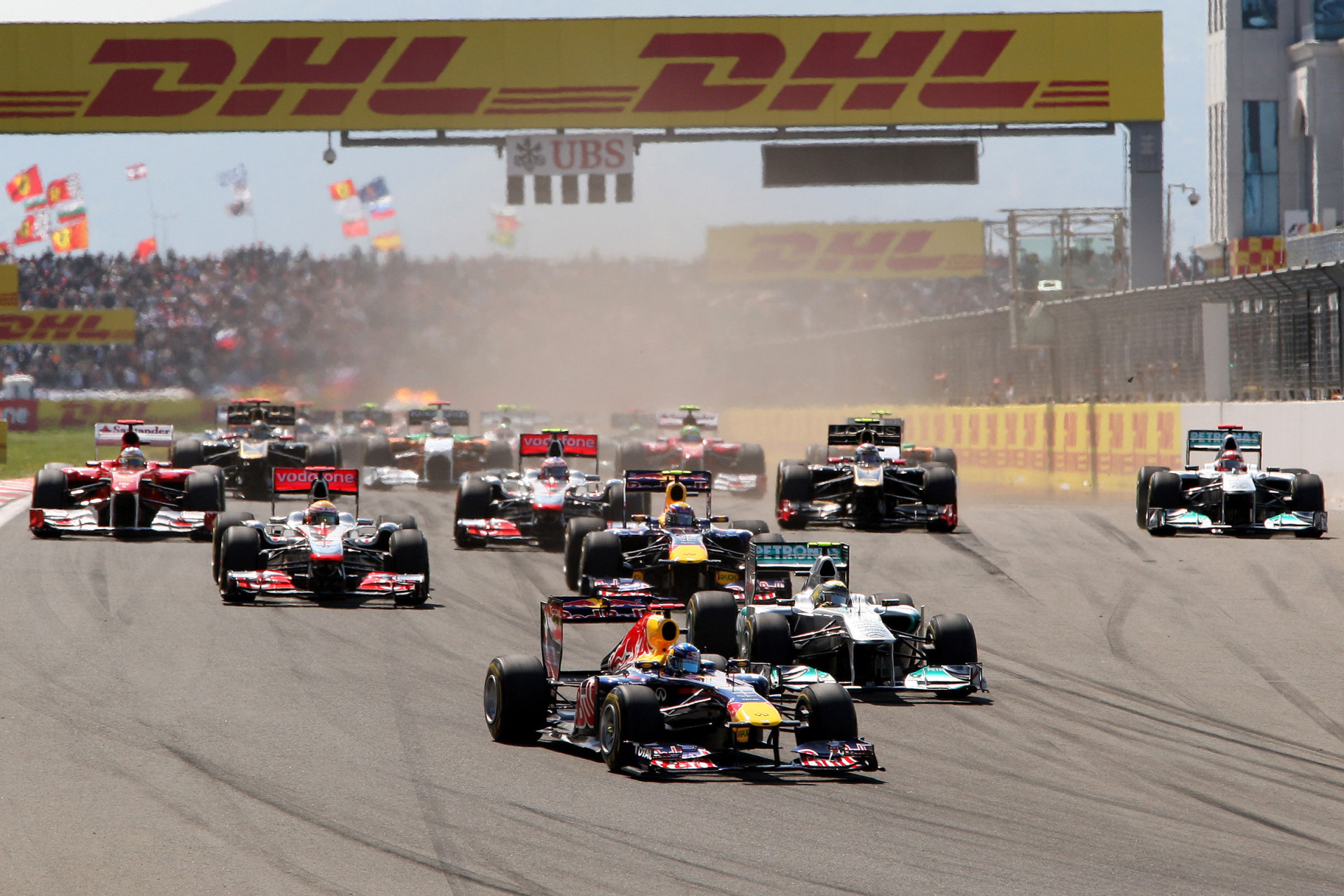
Let's time-travel. Michael Schumacher, 2004. The F2004 was a monster of mechanical grip and driver intimacy. Schumacher's consistency wasn't just talent; it was a symbiotic relationship with a machine that talked to him through the seat of his pants, not through a steering wheel display. He felt a brake bias shift before the engineer saw a trace. He sensed a differential issue in the way the car settled into a high-speed corner.
Contrast that with Verstappen, utterly blindsided in Melbourne. The car gave no warning. The "feel" was rendered obsolete in a millisecond by a digital fault. This incident is a stark warning: as we cede more control to centralized systems for marginal gains, we create single points of failure that a driver cannot sense, cannot correct, and cannot save.
This is my core fear. We are five years away from "robotized" racing, where the driver becomes a biological actuator executing pre-ordained strategies. Pit stops called by AI analyzing competitor tire wear in real-time. Brake balances adjusted automatically per corner based on cloud-tracked asphalt temperature. Where does the driver's intuition—the very soul of racing—fit in? It becomes an error to be corrected. We saw a glimmer of that in Melbourne. The car corrected the driver's input with a wall.
Charles Leclerc's so-called "error-prone" reputation is a case study in this shift. Analyze the raw pace data from 2022-2023. He is arguably the most consistent qualifier on the grid. But when Ferrari's strategy software or operational hesitancy creates a high-pressure, chaotic scenario, the human is left to clean up the digital mess. The mistake is his; the root cause is often systemic. The data tells the story of flawless laps; the narrative clings to the human faltering under artificial pressure.
Data as Emotional Archaeology: The Unseen Pressure on Verstappen
So, what story does this data tell? Beyond the technical, we must use data as emotional archaeology. Verstappen, starting 20th, recovered to 6th. A phenomenal drive. But let's dig.
- The lock-up occurred in Q1, a session he usually dominates with a margin measured in heartbeats.
- The championship is close. Every session is critical.
- The failure was unprecedented, a violation of the trust between man and machine.
Correlate this with the personal timeline. The relentless pressure of maintaining a dynasty, the expectation of perfection. Could the subconscious weight of that manifest in a micro-override of a physical input? Could a minuscule, imperceptible change in pedal application—born from the fatigue of expectation—interact catastrophically with a software threshold? The numbers can't measure that. But they can show us where the human rhythm deviated, and the machine, in its cold logic, responded with catastrophe.
Red Bull will find their "combination of factors." They will patch the code, replace the sensor, and move on. Verstappen will likely dominate in Shanghai, and the Melbourne anomaly will be filed away.
But we should not forget the lesson. The pursuit of perfection through data is making our machines brilliantly fast and eerily fragile. We are trading mechanical sympathy for digital obedience. In 2004, Schumacher felt the problem. In 2026, Verstappen could only describe the symptom. The investigation continues, but the real question isn't what broke on the RB22. It's what we are breaking in the sport when the most visceral feeling a champion can report is one of total, helpless confusion.