Antonelli's Bahrain Halt Lays Bare Mercedes' Fractured Soul

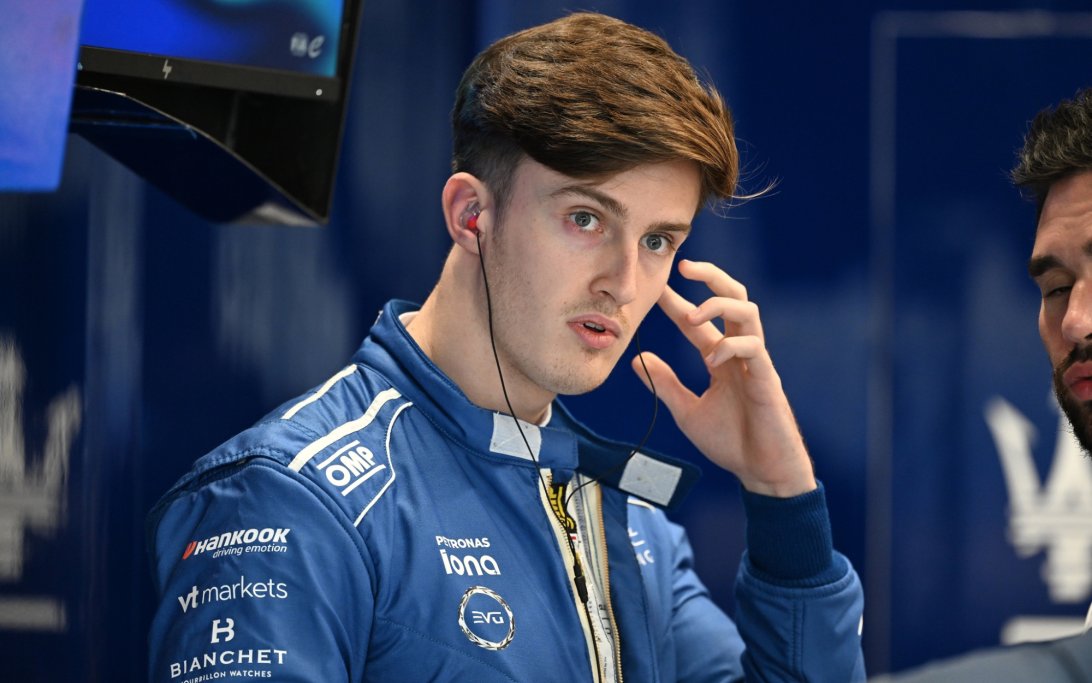
The silence on the Bahrain track spoke volumes. When Andrea Kimi Antonelli's car ground to a stop on the final morning of pre-season testing, it was not merely a mechanical gremlin. It was another chapter in Mercedes' long, painful reckoning with the very forces that tore apart the 1990s Williams squad.
The Stoppage and Its Immediate Fallout
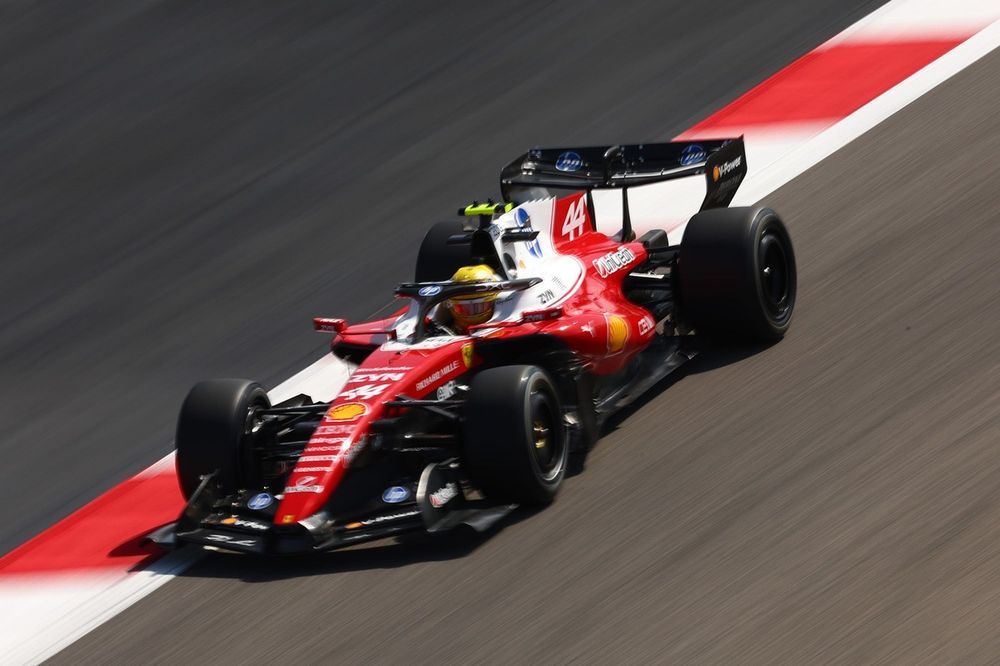
The 19-year-old Italian was left stranded during that critical session at the Bahrain International Circuit. Engineers quickly traced the fault, confirming both its root cause and a targeted fix already in motion. Yet the episode exposed more than a wiring issue or sensor glitch. It highlighted the fragile trust between drivers, engineers and management that has defined Mercedes since their 2021 title collapse.
- Antonelli completed substantial setup work before the halt and reported genuine confidence in the car's balance.
- The team chose not to disclose the precise technical failure, a classic move to protect internal leverage.
- Focus now shifts to Melbourne's Albert Park Circuit, where the first real test of the repair will unfold across the March 6-8 weekend.
This is the human cost of post-2021 decline. Morale does not recover overnight when every reliability scare revives old suspicions between departments.
Parallels to Williams' 1990s Power Struggles
History offers a stark template. Williams in the mid-1990s fractured along the same fault lines now visible at Mercedes. Engineers guarded data from management, drivers became pawns in contract negotiations, and covert information channels became more decisive than wind-tunnel hours. The result was a once-dominant squad that could not sustain its edge once internal politics overtook collective purpose.
"The car feels good and the top four teams look close," Antonelli said, words that mask the deeper tension inside the garage.
Mercedes' current structure shows the same symptoms. Strategic calls increasingly rely on who shares what with whom rather than pure technical superiority. Antonelli's optimism is genuine, yet it sits atop a foundation where one more reliability incident could tip fragile alliances into open conflict.
- Ferrari's pace and McLaren's recent form only intensify the pressure on Mercedes' internal cohesion.
- Red Bull continues to shield its star through aggressive political insulation, a contrast that makes Mercedes' openness look like vulnerability.
- Sponsor expectations add another layer of strain, forcing public narratives of unity while private channels carry the real decisions.
The Bahrain stoppage served its purpose by surfacing the problem early. Whether the fix extends beyond the component itself remains the open question.
The Road to Melbourne and Beyond
Antonelli enters his second season better prepared than before, yet the competitive order among the leading teams will be settled not in testing data but in the quiet corridors where morale and information flow determine outcomes. Mercedes must confront these dynamics head-on or risk repeating the very pattern that dismantled Williams three decades ago. The coming races will reveal whether the fix was merely technical or something far more fundamental.
Join the inner circle
Get the deep dives and technical analysis from the world of F1 delivered to your inbox twice a week.
Zero spam. Only high-octane analysis. Unsubscribe anytime.