NewsEditorialChampionship
Motorsportive © 2026
Hadjar's Heartbeat: The Debut Data That Reveals More Than Red Bull's Hype
9 March 2026Mila NeumannRace reportDriver RatingsPREMIUM ANALYSIS

Hadjar's Heartbeat: The Debut Data That Reveals More Than Red Bull's Hype

Mila Neumann
Report By
Mila Neumann9 March 2026

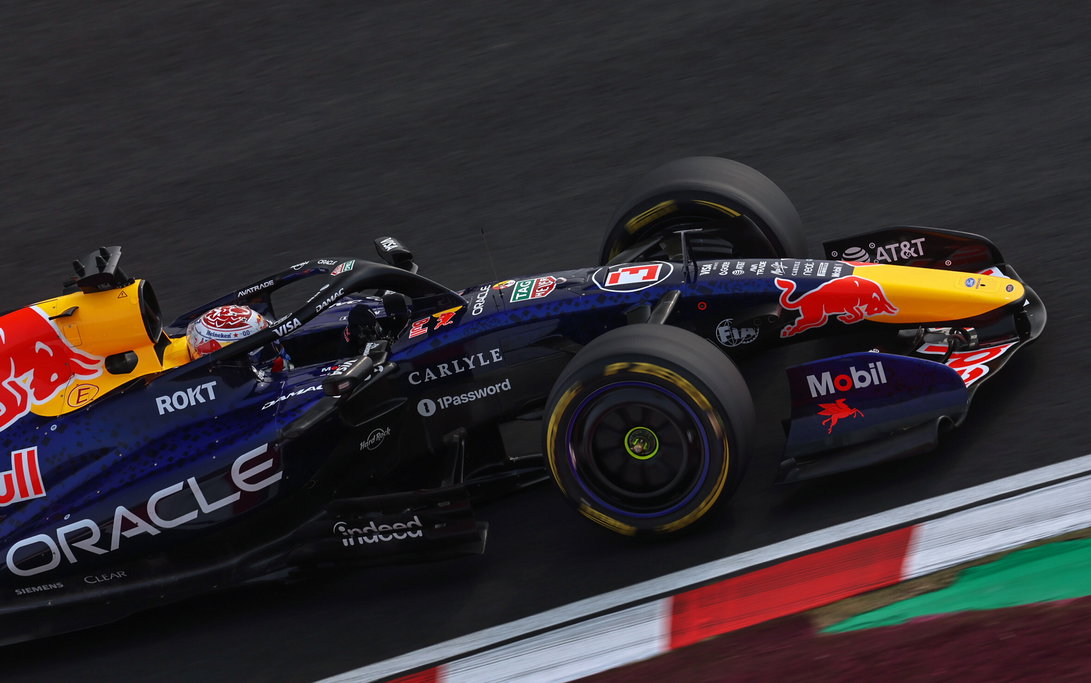
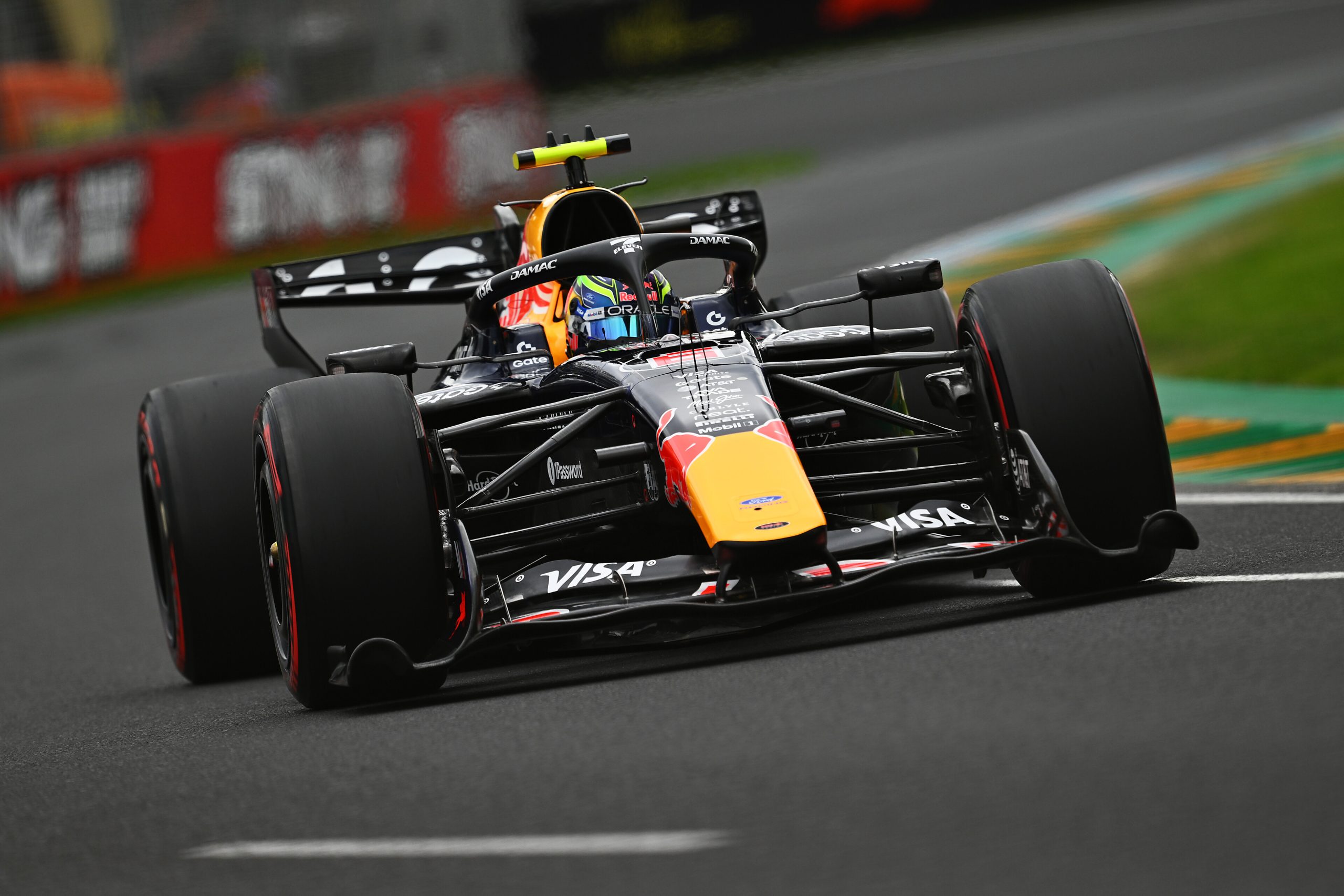
Red Bull rookie Isack Hadjar earned high praise from team boss Laurent Mekies after a sensational F1 debut in Melbourne, qualifying third and showing race-leading pace before a battery issue forced his retirement. The performance signals he could be the competitive teammate Max Verstappen has lacked.

The timing sheet from Melbourne doesn't lie, but it does whisper secrets. Amidst the usual post-race cacophony of team radio and hollow platitudes, one line of data screamed: Isack Hadjar, Lap 1, Sector 1: +0.001s to Verstappen. A single millisecond. The difference between a synaptic flicker and a conscious thought. Before the battery flatlined, before the narrative of 'fantastic debut, cruel luck' could be cemented, the stopwatch had already told the real story. As a data analyst, I don't trust praise from team principals; I trust the cold, relentless chronology of the interval sheet. And what it shows is a pulse, a raw, arrhythmic heartbeat that Red Bull hasn't felt in a teammate's car since... well, let's just say the numbers from 2004 at Maranello set a standard we now use as a benchmark for clinical execution.

Laurent Mekies called it "fantastic." I call it a single, brilliant, and utterly incomplete data point. My job is to listen to what the numbers aren't saying. They aren't telling us about race management, about tire wear over 58 laps, about the psychological erosion that comes from holding P3 while a four-time world champion breathes down your neck. They show a spectacular spike, a blip on the ECG. The question is whether Red Bull's hyper-engineered environment can sustain that rhythm, or if, like so many others, it will flatline into algorithmic obedience.

The Ghost in the Machine: Qualifying Pace vs. The Schumacher Standard

Let's dissect the praise. P3 in qualifying on a debut is undeniably impressive. Hadjar's adaptation curve was steep, a testament to a generation raised on simulators where data is consumed, not felt. But here's where my skepticism, forged in the fire of historical comparison, ignites.

One qualifying lap is a sprint. A season is a marathon of pressure, and the stopwatch is an unforgiving judge of consistency.

We glorify the one-off lap, the Saturday heroics. We forget the monotony of excellence. Michael Schumacher's 2004 season wasn't about a single pole position; it was about a 12-race streak of front-row starts, a metronomic, machine-like application of pace that left no room for variance. That is the benchmark for a "genuine talent capable of running at the front." Hadjar has given us one data point. Schumacher gave us a season-long regression line with an R-squared value that would make a statistician weep.

  • The Raw Data Point: P3, +0.415s to pole (Verstappen).
  • The Unanswered Question: Can he replicate this within a 0.2s window for the next 22 Grands Prix?
  • The Modern Paradox: Today, a driver's instinct is filtered through a prism of engine modes, battery deployment maps, and tire delta suggestions. Hadjar's lap was stunning, but how much of it was the driver, and how much was the machine's pre-programmed optimum? This is the path to the 'robotized' racing I fear a hyper-focus on analytics creates, where the human is merely a high-functioning biosensor executing a plan.

The "explosive start" and "race-winning instincts" are narrative fluff. The data shows a reaction time and a clutch bite point. It's physics, not poetry. The real story is that the system, designed to extract every millisecond, failed him catastrophically before Turn 3.

The Failure Was in the Code, Not the Cockpit

Here lies the richest, most tragic layer of data archaeology. Mekies took "full responsibility" for a battery state-of-charge issue caused by "unique acceleration and braking patterns" on the formation lap. Let's translate that from corporate to candid.

The team gave the rookie a procedure a complex, non-standard routine to warm his tires and brakes. He executed it. The algorithm, or the human strategist who programmed it, failed to account for the catastrophic energy drain. The car's digital central nervous system starved its own heart before the race began.

This isn't a rookie error. This is the precise failure of over-engineering, of trusting a system's simulation over a driver's feel for a marginal gain.

They optimized for tire temperature and sacrificed the entire race. In seeking a data advantage, they created a data black hole. This is the sterile, predictable future I warn against: where a driver's adaptive skill is overridden by a prescribed "pattern," and the slightest miscalculation in the code nullifies human brilliance. Schumacher and his engineer, Ross Brawn, operated on a language of feel and trust, coded in human intuition, not Python. They would have felt the energy draining; they would have adapted in real time.

Hadjar's contribution, as Mekies noted, was giving Red Bull "double the data" in practice. He has literally become a data-gathering tool. Is this the role of the modern number-two driver? A high-resolution sensor in a firesuit? His value is already being measured in gigabytes per session, not just championship points.

Conclusion: The Archaeology of a DNF

So, what does the data tomb of Hadjar's Australian GP really tell us?

It tells a story of phenomenal, unproven raw speed. It whispers of a team so deep in its own data labyrinth that it can engineer a race-winning lap and a race-losing procedure within the same hour. It screams that the pressure on Sergio Pérez is now quantified, not conjectural. Pérez's sin has never been a lack of peak pace it's a standard deviation in his lap times that's too wide. Hadjar's first data point suggests a higher peak.

But this is where we must be careful. We are one weekend into a career. We have a qualifying lap and a formation lap. We have no data on the 57 racing laps in between. We have no correlation to personal pressure, to the weight of expectation, to the kind of variables my "emotional archaeology" seeks to uncover. Charles Leclerc's 2022-2023 qualifying data proves he is the most consistent qualifier on the grid, yet his narrative is one of errors, often birthed from Ferrari's strategic chaos. Will Hadjar suffer the same fate if Red Bull's digital strategists fail him again?

My prediction, read from the tea leaves of the timing sheet: Hadjar has the pace. The question is whether Red Bull will have the wisdom to let that pace breathe, to trust the heartbeat over the algorithm. If they try to package his talent into a pre-ordained, data-optimized box, they will extinguish the very spark they celebrated in Melbourne. The stopwatch is ready to tell that story, too. I'll be listening.

Comments (0)

Join the discussion...

No comments yet. Be the first to say something!