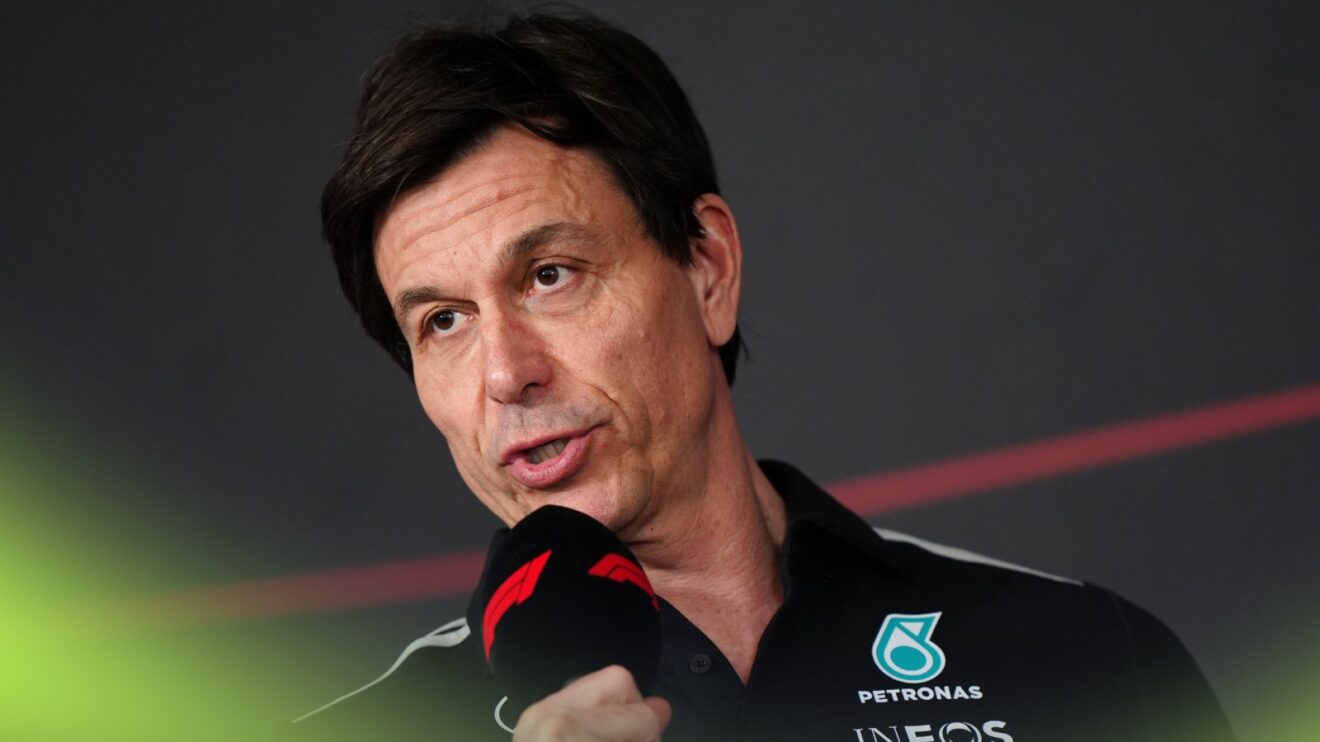
Toto Wolff addresses driver criticism of 2026 F1 rules, emphasizes fan experience
Mercedes' Toto Wolff responded to F1 drivers criticizing the 2026 cars, suggesting the sport is sometimes nostalgic. While acknowledging driver concerns, he stressed that fan enjoyment is the ultimate priority and indicated regulations could be adjusted if needed.
Mercedes Team Principal Toto Wolff has responded to mounting criticism from drivers about Formula 1's 2026 technical regulations, suggesting the sport can be "very nostalgic" while acknowledging the need for flexibility if the spectacle suffers. His comments come after World Champion Lando Norris and others labeled the new-generation cars as a step backward, despite Wolff pointing out that no one praised the previous cars either. The core debate pits driver feedback against the ultimate metric of fan enjoyment.
Why it matters:
The clash highlights a fundamental tension in F1's evolution: balancing cutting-edge technical innovation with producing a compelling on-track product. As the sport's most influential stakeholders, vocal criticism from star drivers like Max Verstappen and Lando Norris carries significant weight and can shape public perception. However, Wolff's focus on the fan experience underscores that commercial success and broad appeal are the ultimate priorities for the series' leadership.
The details:
- Driver Discontent: Lando Norris, who initially dismissed complaints, reversed his position after the Australian Grand Prix, stating the sport had gone from the "best" to the "worst" cars. Max Verstappen has been consistently critical, with his 2023 warnings about battery recharge issues visibly manifesting in qualifying sessions.
- Wolff's Perspective: The Mercedes boss countered by noting a tendency toward nostalgia, recalling that drivers did not praise the previous generation of cars either. He framed all parties—teams, drivers, and commercial rights holder—as "stakeholders" with a shared goal of creating a great spectacle.
- The Fan Priority: Wolff emphasized that F1 CEO Stefano Domenicali's primary metric is whether fans enjoy the product. This aligns with Domenicali's own recent criticism of drivers for public complaints, suggesting a unified front from the sport's management to protect the commercial product.
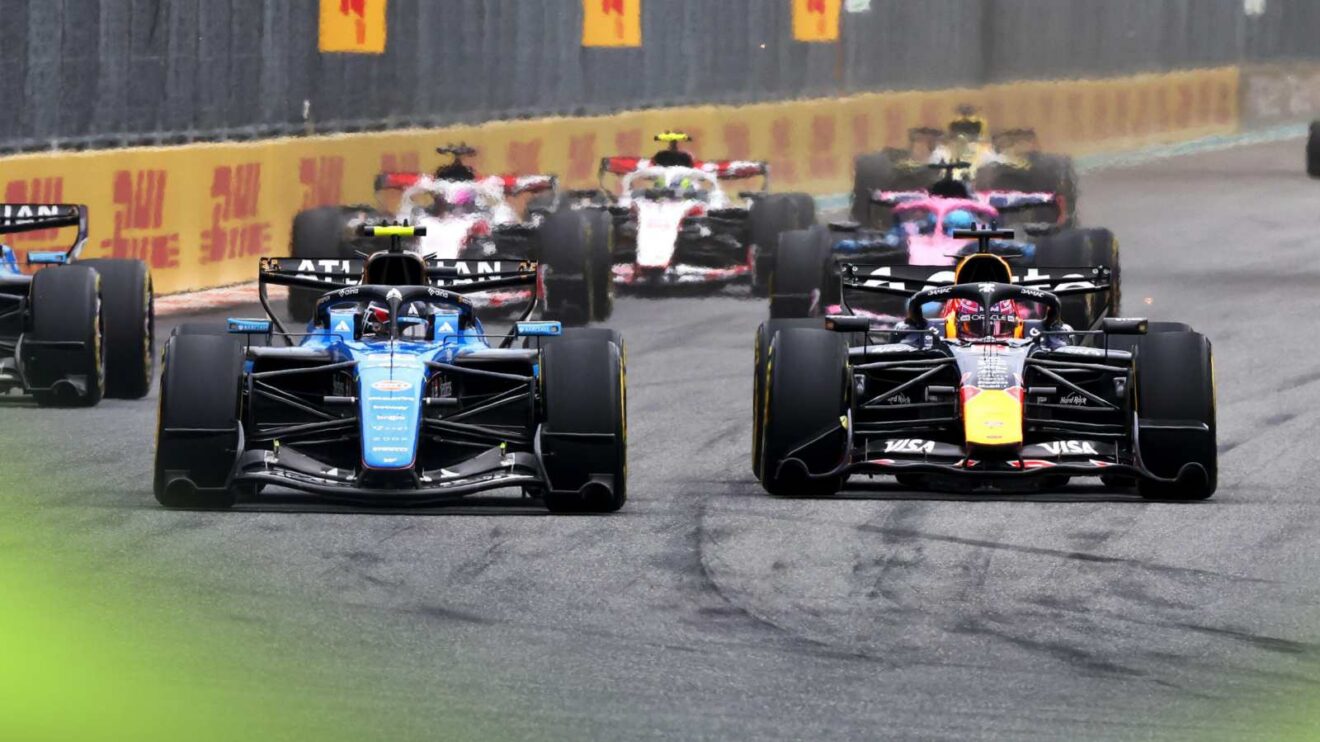
- Race Reality: The Australian GP itself presented a mixed bag, featuring an exciting initial battle between Ferrari and George Russell before Mercedes' dominant performance led to a one-two finish, demonstrating that racing action can still occur under the new rules.
What's next:
Wolff's statement that "we have the flexibility in Formula 1 to always take those decisions" leaves the door open for potential tweaks to the 2026 regulations. The coming races will serve as a critical testing ground, with fan reaction and global TV metrics likely being the decisive factors. If viewership and engagement remain strong, the driver complaints may be viewed as internal growing pains. However, if the spectacle is deemed to have suffered, the pressure for mid-cycle adjustments will intensify, testing the stated flexibility of the sport's governance.
Don't miss the next lap
Get the deep dives and technical analysis from the world of F1 delivered to your inbox twice a week.
Zero spam. Only high-octane analysis. Unsubscribe anytime.
Join the inner circle
Get the deep dives and technical analysis from the world of F1 delivered to your inbox twice a week.
Zero spam. Only high-octane analysis. Unsubscribe anytime.
Continue Reading
View More News