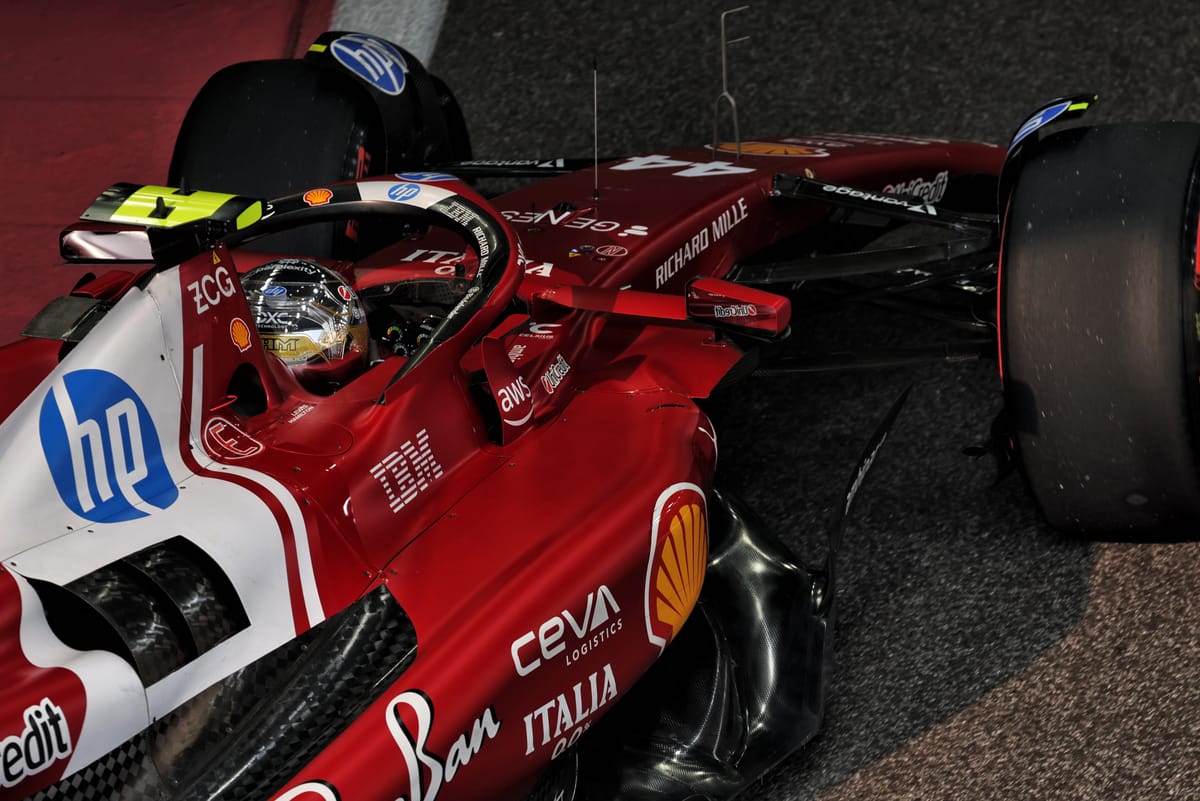
Uncomfortable Questions Facing F1's 2026 Season
The 2026 F1 season brings massive regulatory changes, sparking uncomfortable questions about Hamilton's Ferrari move, Red Bull's engine gamble, and whether the new rules will actually deliver exciting racing.
The dawn of the 2026 Formula 1 era brings a massive technical reset, but with it comes a wave of uncomfortable questions for teams and drivers alike. From Lewis Hamilton's Ferrari gamble to Red Bull's engine project, the competitive landscape faces a complete rewrite.
Why it matters:
This isn't just a new season; it's a complete overhaul of the regulations aimed at attracting manufacturers. With the sport's popularity at an all-time high, the new product must deliver close racing without technical failures, or risk alienating fans and triggering contract exits for top stars.
The Details:
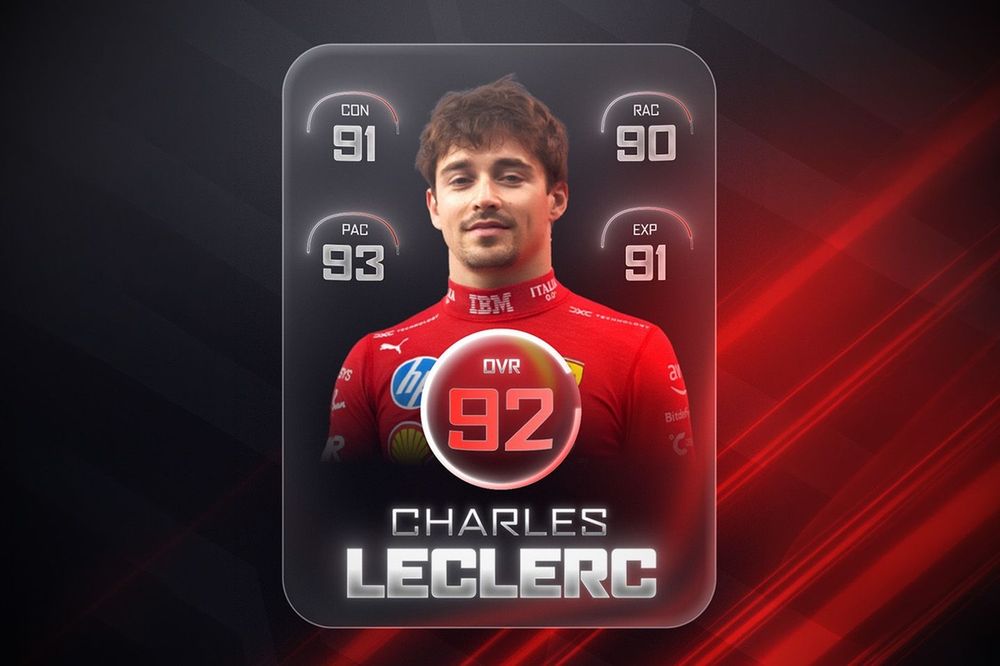
- Hamilton's Ferrari Challenge: Can the 41-year-old reverse his recent decline? A rules reset offers hope, but he must be competitive against Charles Leclerc to avoid a career-ending slump similar to Vettel's in 2020.
- Red Bull's Retention Battle: Max Verstappen's future hinges on Red Bull's in-house engine. With key staff gone and an exit clause reportedly triggered if he isn't top two by the summer break, the team faces a race against time to deliver a reliable power unit.
- Aston Martin's Pressure: With Adrian Newey and a works Honda deal, expectations are sky-high. However, concerns over Honda's battery tech and missing the compression ratio "trick" could hamper their charge.
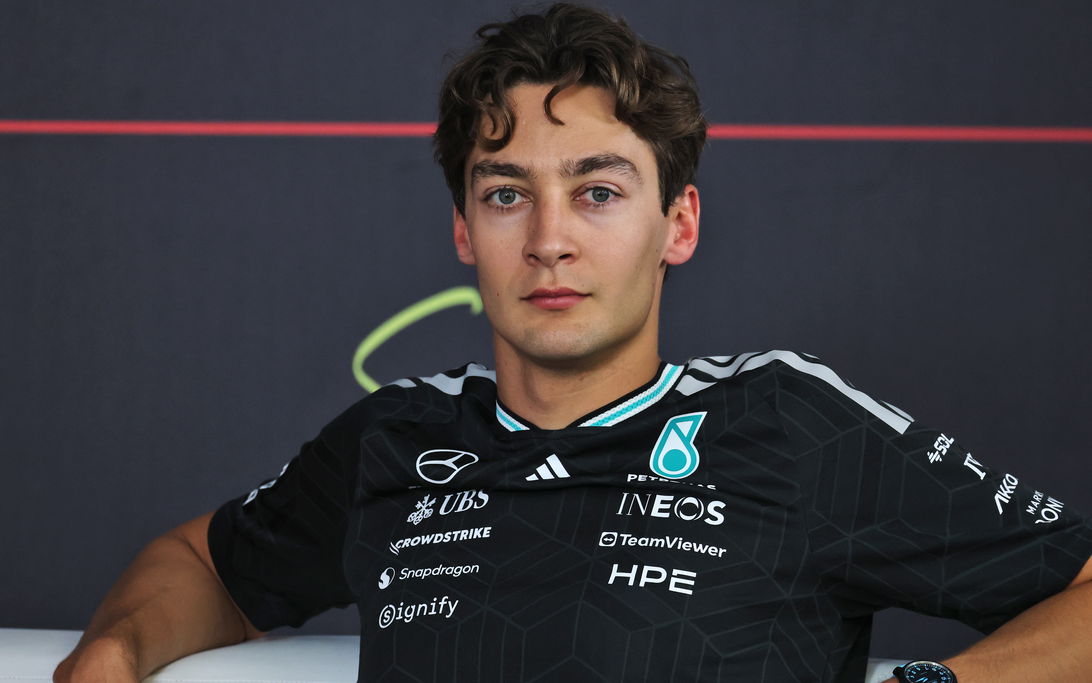
- The Rookie Threats: At Mercedes, Kimi Antonelli aims to close the gap to George Russell, while at Haas, Esteban Ocon must fend off the impressive Ollie Bearman to save his seat.
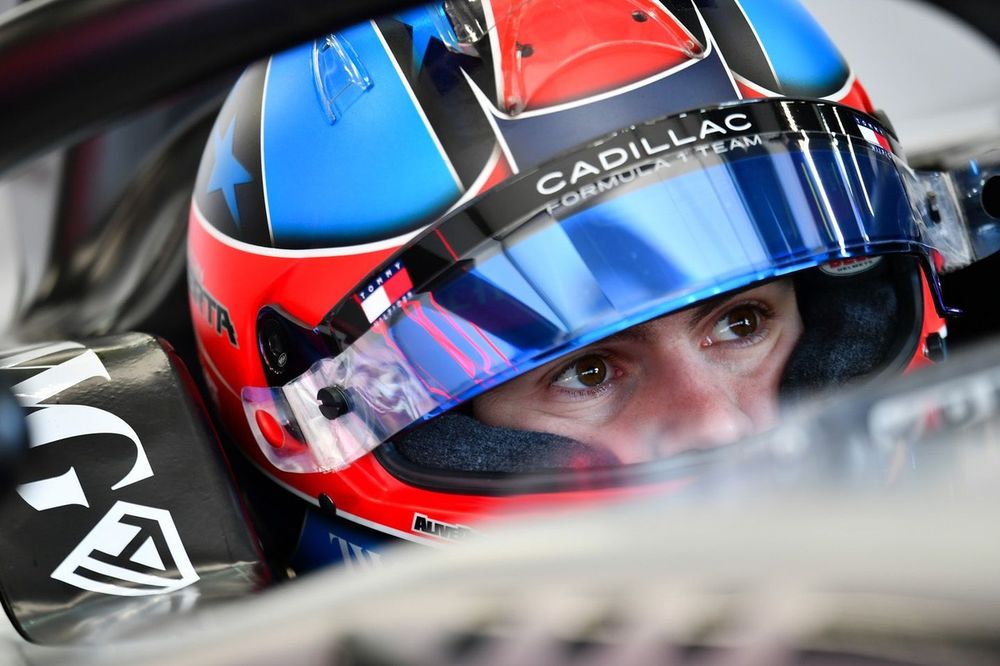
- New Entrants: Cadillac faces a likely struggle at the back, testing GM's patience, while Audi must prove it can contend under rules it helped shape.
What's next:
As the grid assembles for testing, the answers will begin to emerge. If the 2026 cars deliver on their promise, F1 could see one of the most competitive seasons in history; if not, the fallout for underperformers will be swift.
Don't miss the next lap
Get the deep dives and technical analysis from the world of F1 delivered to your inbox twice a week.
Zero spam. Only high-octane analysis. Unsubscribe anytime.
Join the inner circle
Get the deep dives and technical analysis from the world of F1 delivered to your inbox twice a week.
Zero spam. Only high-octane analysis. Unsubscribe anytime.
Continue Reading
View More News