Verstappen's Calendar Complaint: A Champion's Convenient Critique Amid F1's Real Engineering Crisis

Max Verstappen demands F1 reduce sprint races and calendar strain for sustainability, while Lewis Hamilton's return to form with Mercedes adds intrigue to the championship fight.
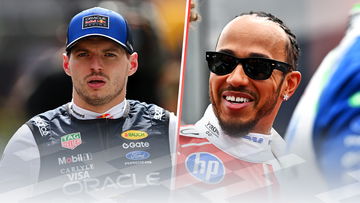
The roar of the 2026 season is being drowned out by a familiar, and in my view, somewhat convenient, chorus of complaint. Max Verstappen, from the cockpit of the most dominant car of the era, has called for Formula 1 to slash its calendar and sprint races. His reasoning? Driver welfare and fan experience. Meanwhile, Lewis Hamilton’s genuine resurgence with Mercedes—a fight carved from mechanical grit, not aerodynamic supremacy—is the real story. It exposes the uncomfortable truth: today’s F1 prizes engineered air over engineered steel, and a driver’s true skill is increasingly filtered through a labyrinth of vortices and computational fluid dynamics plots.
The Aero Umbrella: How Downforce Shields True Driver Struggle
Verstappen’s demands arrive just as Hamilton finds form. That timing is telling. For years, we’ve watched a narrative solidify: that Verstappen’s dominance is a pure product of transcendent skill. I’m deeply skeptical. Let’s pull back the bodywork.
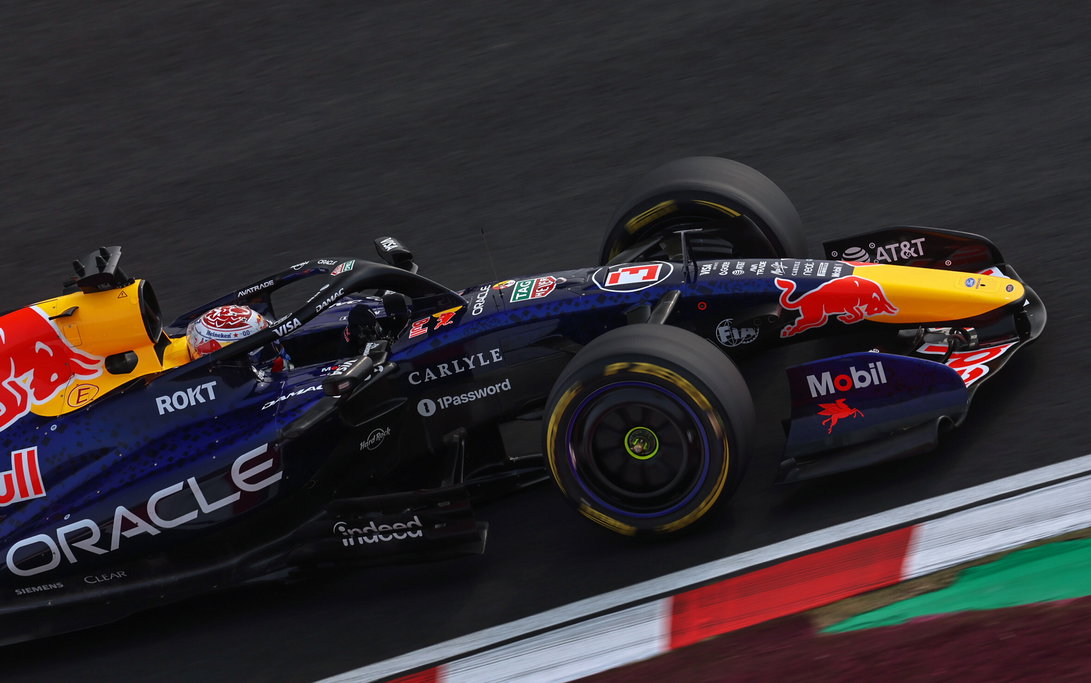
The 2023 Red Bull, and its successors, weren’t just good; they were atmospheric anchors. Their chassis provided a stable, predictable platform, and their floor generated monstrous downforce that was incredibly resilient to pitch, roll, and—crucially—proximity to other cars. Driving such a machine is like conducting an orchestra from a soundproof booth. You guide it, yes, but you are insulated from the chaos.
"The current pace is unsustainable for teams and dilutes the importance of Grand Prix Sundays," says Verstappen.
I don’t disagree with the sentiment. But it’s easier to critique the schedule when your car’s performance is a constant, a known variable removed from the equation of struggle. Hamilton’s 2026 challenge is the antithesis. His back-to-back podiums in China and Japan came from wrestling a recalcitrant Mercedes W17 into a window where its mechanical balance—the suspension geometry, the tire warm-up, the harmonic response of the chassis—finally spoke the same language as the driver. This is the raw, unfiltered work that gets lost in the downforce deluge.
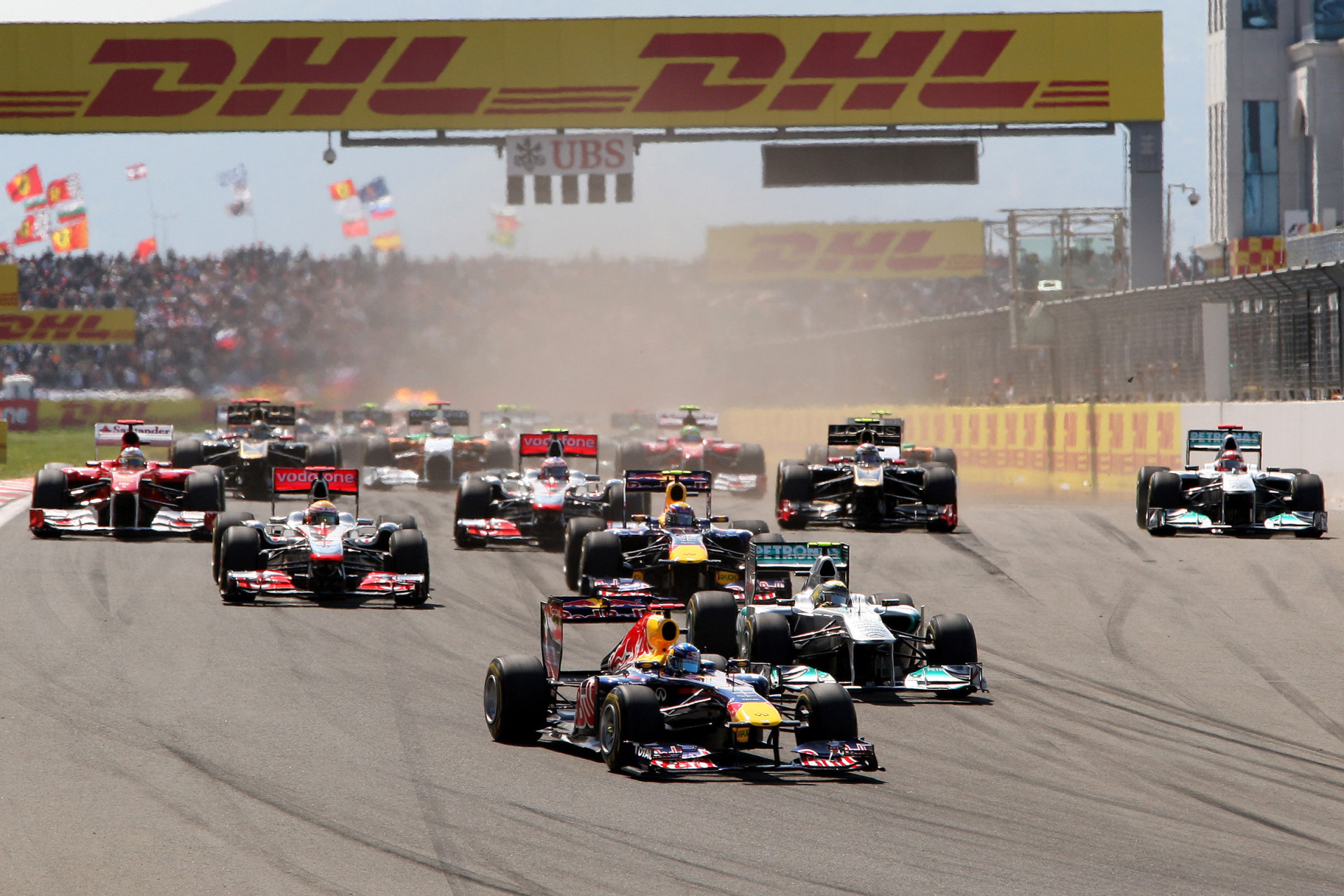
- The 1990s Benchmark: Compare this to the Williams FW14B. Yes, it had active suspension, a tech marvel. But its genius was in how that tech augmented mechanical grip and driver feel, not replaced it. The driver remained the chief conductor of a physical symphony. Today’s cars? The driver is one programmer in a sea of code, managing preset aero maps.
- The Undervalued Art: Hamilton’s resurgence is built on tire management and mechanical sympathy. These are the arts being systematically designed out of the sport. When your car produces three times its weight in downforce, the intimate, brutal conversation between rubber and tarmac is just a whisper.
The Inevitable Storm: AI, Active Aero, and the End of Driver Primacy
Verstappen’s complaints about format are a skirmish. The war for F1’s soul is being waged in simulation servers. The obsession with static, ground-effect aero is a dead-end street leading to processional races. But the solution the sport is stumbling toward is, in my analysis, even more radical and will make driver skill a secondary metric.
I predict that by 2028, AI-controlled active aerodynamics will be standard. Imagine a car whose wing profiles, flap angles, and even entire body surfaces morph in real-time, not by driver button-press, but by an algorithm processing data on:
- Relative closing speed to the car ahead
- Predicted tire degradation curves
- Real-time micro-shifts in local air pressure (a "weather map" of the track)
This will eliminate DRS, yes. It will create chaotic, unpredictable racing. But it will also eliminate the driver’s strategic input on aerodynamics. The AI will decide the optimal overtake configuration. The "art" of defending will be outsourced to silicon. We are sleepwalking into an era where the car isn’t just fast, it’s thoughtful, and the human becomes a high-stakes passenger tasked with not crashing the brilliant, thinking machine.
This is the true sustainability crisis: not the number of races, but the sustainability of the driver as the central, defining variable. Hamilton’s fight with his Mercedes is a beautiful, perhaps last, gasp of that older paradigm. Verstappen, for all his undeniable talent, is the perfect champion for the transitionary period—a blisteringly fast executor operating within a system his car makes seem easy.
Conclusion: Celebrating the Right Battle
The F1 Commission will debate calendar length and sprint formats. They should. But they are rearranging deck chairs. The real intrigue for the 2026 season is not whether Verstappen’s complaints are heard, but whether Hamilton’s mechanical renaissance can be sustained. Can Mercedes refine that mechanical grip to a point where it challenges Red Bull’s aero fortress? That’s a battle worth watching.
Verstappen’s dominance has been a masterclass in exploiting a regulatory paradigm. But let’s not confuse operating a superior system with defying it. The coming shift to active, intelligent aerodynamics will render even today’s complex cars quaint. When that storm hits, the drivers who can adapt will be those who, like Hamilton is now, remember how to feel a car through their fingertips, not just through a data screen. The rest will be along for the ride, guided by the calm, calculated eye of the machine.