Verstappen finds joy in team, not driving, amid F1 frustrations
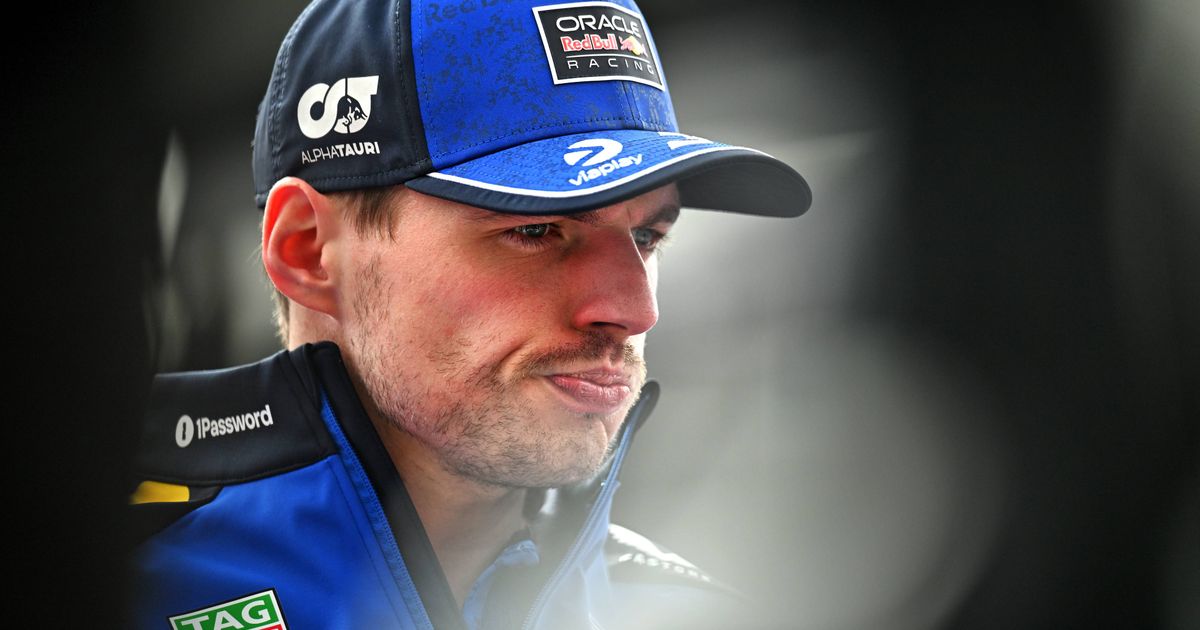
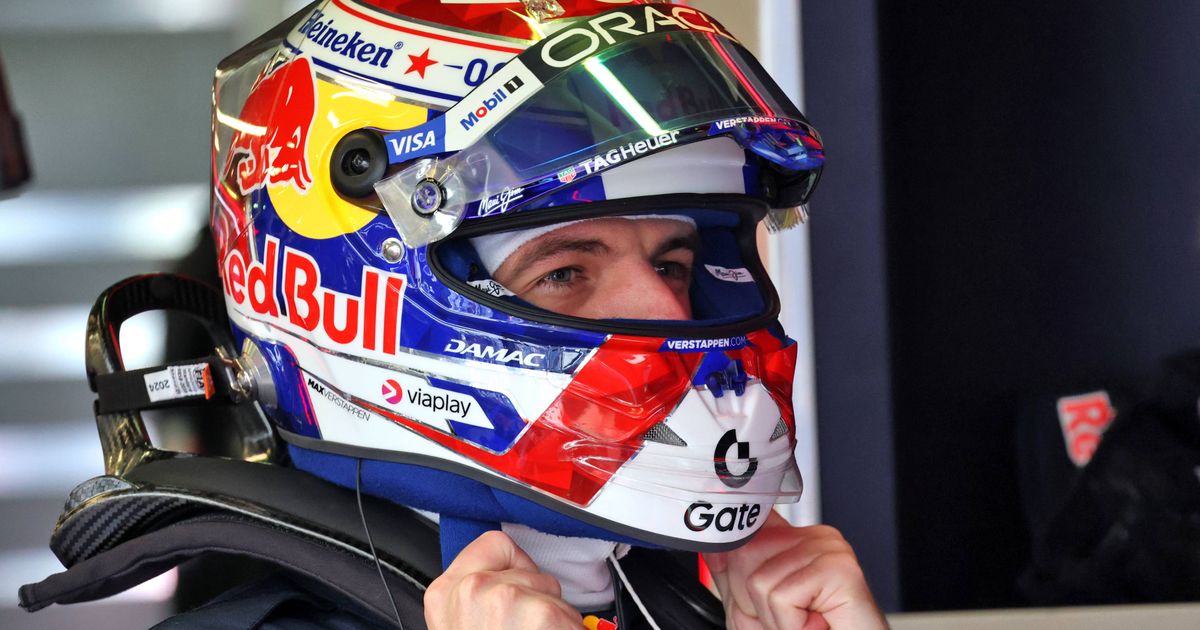
Max Verstappen says working with his Red Bull team is the only part of F1 he currently enjoys, expressing clear frustration with the actual driving experience under the current regulations. His comments add weight to ongoing speculation about his motivation and long-term future in the sport.
Max Verstappen has pinpointed his work with the Red Bull Racing team as the sole aspect of Formula 1 he currently enjoys, drawing a stark contrast with his growing dissatisfaction behind the wheel. The reigning world champion has been openly critical of the sport's current regulations and his own on-track experience, fueling ongoing speculation about his long-term future in the series.
Why it matters:
Verstappen's candid admission highlights a significant potential crisis for F1: losing its biggest star due to a perceived decline in the quality of racing and driver enjoyment. His happiness is intrinsically linked to Red Bull's competitive success; if his frustration with driving persists, it could accelerate his departure from the sport, regardless of his contract, which runs through 2028.
The details:
- Source of Joy: In an interview with BBC Radio 5 Live, Verstappen described the Red Bull team as a "second family," emphasizing that the collaborative work with his engineers and mechanics is what he genuinely enjoys.
- Source of Frustration: The enjoyment ends when he gets in the car. "Once I sit in the car, it's not the most enjoyable, unfortunately," he stated, adding that he has to consciously try to find enjoyment each race weekend.
- Regulatory Criticism: His comments follow previous criticism where he labeled the current technical and sporting regulations as "anti-racing." He specifically agrees with McLaren's Lando Norris about a key flaw: the energy deployment from the hybrid power unit often activates automatically when within one second of a car ahead, robbing drivers of strategic control during battles.
- Performance Impact: This season has been challenging, with Verstappen yet to secure a top-five finish after three races, including an eighth-place finish at the Japanese Grand Prix behind an Alpine.
The big picture:
Verstappen's situation underscores a broader tension in modern F1 between engineering marvels and pure racing spectacle. The current generation of ground-effect cars, while faster, have proven difficult to follow closely, leading to processional races and driver complaints. Verstappen's threat of leaving—a decision he says he will contemplate in the coming weeks—puts pressure on the FIA and F1 management to address these core sporting challenges to retain its top talent.
What's next:
All eyes will be on Verstappen's performance and demeanor at the upcoming Chinese Grand Prix. More importantly, the sport's stakeholders will be watching for any signs that his public frustrations are translating into private discussions about an early exit. His continued happiness, or lack thereof, will be a bellwether for the health of the current F1 era.
Don't miss the next lap
Get the deep dives and technical analysis from the world of F1 delivered to your inbox twice a week.
Zero spam. Only high-octane analysis. Unsubscribe anytime.
Join the inner circle
Get the deep dives and technical analysis from the world of F1 delivered to your inbox twice a week.
Zero spam. Only high-octane analysis. Unsubscribe anytime.
Continue Reading
View More News