Which Team Will Master the 2026 F1 Regulations?
Formula 1 faces a massive reset in 2026 with shorter, lighter cars and new power units. History favors those who interpret the rules best, leaving fans to wonder if Mercedes, Red Bull, or a surprise contender will dominate the next era.
Formula 1 is gearing up for a massive reset in 2026, introducing the first true clean-sheet regulation changes since 2022. History suggests these pivotal moments often create clear winners and losers, with teams like Mercedes in 2014 and Brawn GP in 2009 capitalizing on superior interpretations of the rules to dominate the grid.
Why it matters:
The outcome of this regulatory overhaul will define the competitive hierarchy for the next generation of Formula 1. With active aerodynamics, new power units, and drastic chassis changes, the engineering challenge is immense, and the teams that best adapt could secure a multi-year advantage over their rivals.
The details:
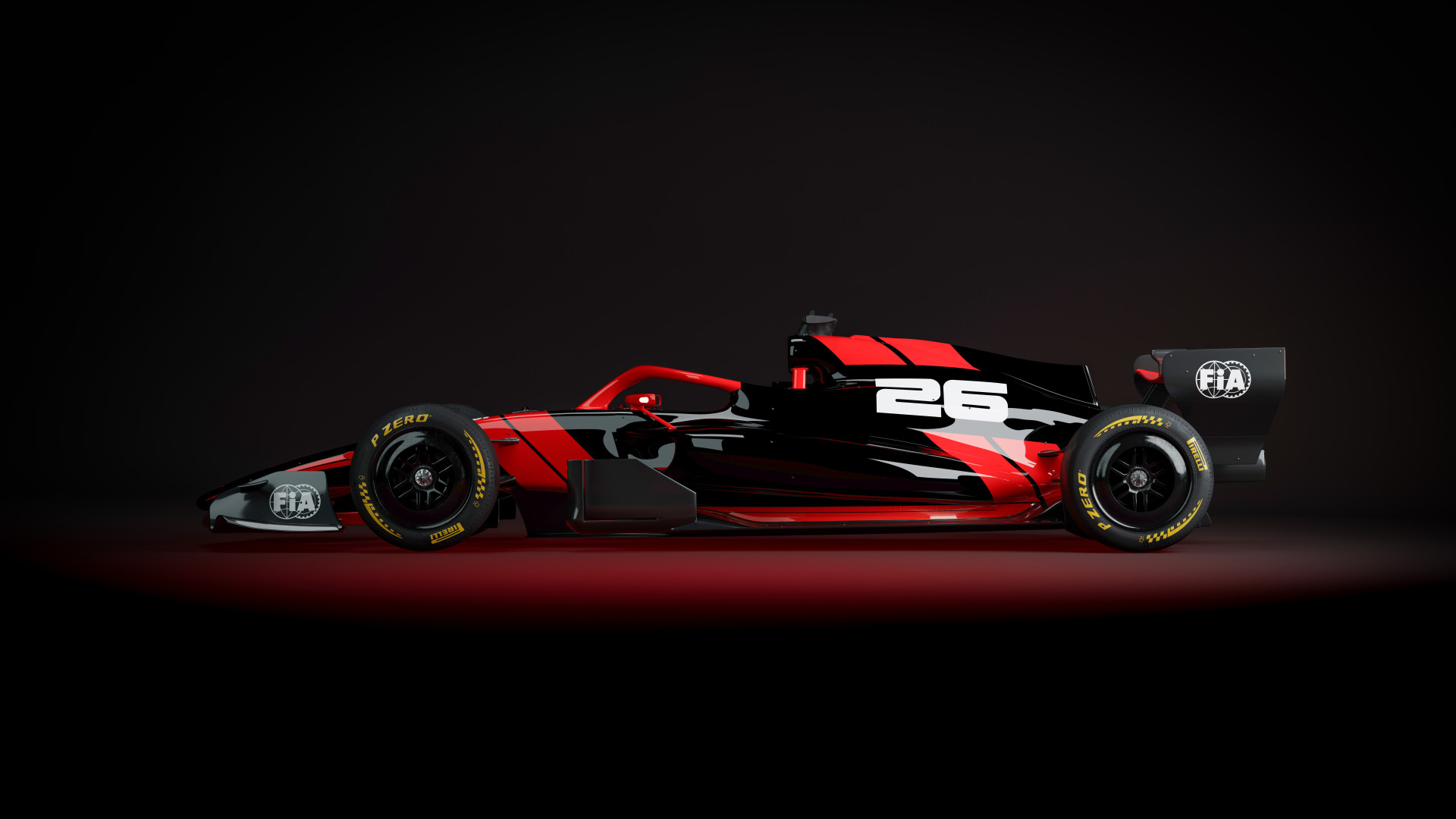
- Car Specs: The new cars will be significantly smaller—200mm shorter in wheelbase, 100mm narrower, and lighter with a minimum weight of 770kg.
- Aerodynamics: Downforce is expected to drop by 15-30% with the removal of full ground-effect tunnels, while drag could be reduced by as much as 40% thanks to active aerodynamic elements.
- Overtaking: The traditional DRS is replaced by an ‘Overtake Mode.’ Drivers within one second of a car ahead can deploy additional electric power to assist a pass, rather than adjusting a rear wing.
The big picture:
As the grid prepares for the shift, paddock rumors are already highlighting potential favorites.
- Mercedes & Red Bull: Mercedes is rumored to be well-positioned, echoing its dominance at the start of the hybrid era. Red Bull is also believed to be strong despite building its own power unit, with reports suggesting both teams have found efficiency gains within the new engine rules.
- The Newey Factor: Adrian Newey’s interpretation of the regulations at Aston Martin will be closely watched, given his history of thriving under major rule changes like McLaren’s 1998 breakthrough and Red Bull’s 2022 success.
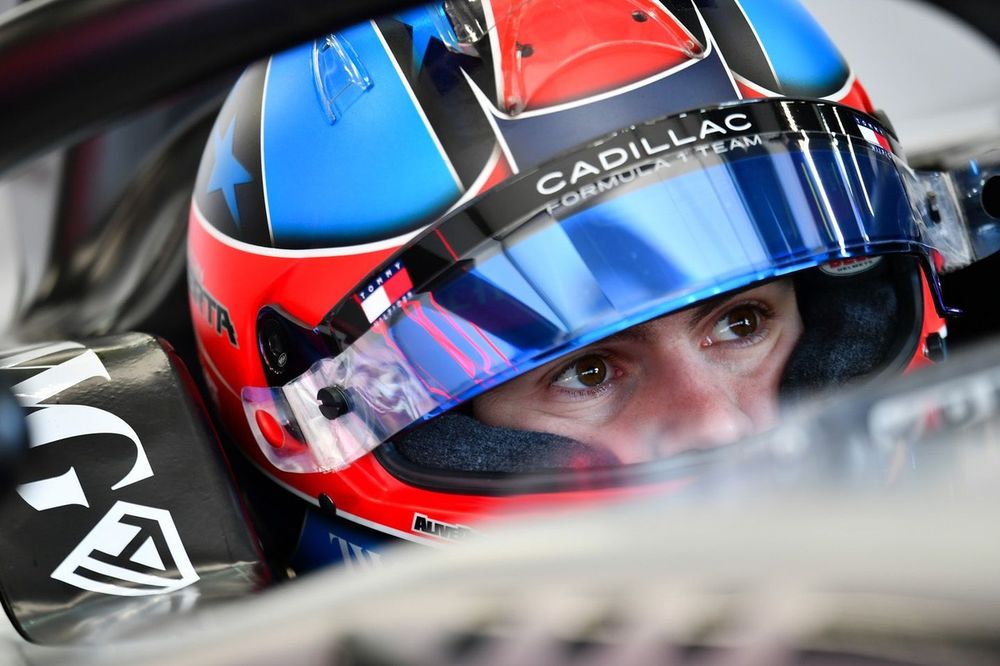
- Market Shifts: Audi’s arrival as a full works team and Cadillac’s entry as a new constructor add volatility, while Alpine’s switch to Mercedes power could pay dividends if the Silver Arrows’ engine proves class-leading.
What's next:
With Ferrari also looking to capitalize on the reset to end its title drought, the 2026 season promises a fascinating shake-up. The coming months will reveal which teams have truly nailed the new regulations and which are left playing catch-up.
Don't miss the next lap
Get the deep dives and technical analysis from the world of F1 delivered to your inbox twice a week.
Zero spam. Only high-octane analysis. Unsubscribe anytime.
Join the inner circle
Get the deep dives and technical analysis from the world of F1 delivered to your inbox twice a week.
Zero spam. Only high-octane analysis. Unsubscribe anytime.
Continue Reading
View More News