Wolff defends 2026 F1 rules, says fan opinion trumps driver criticism
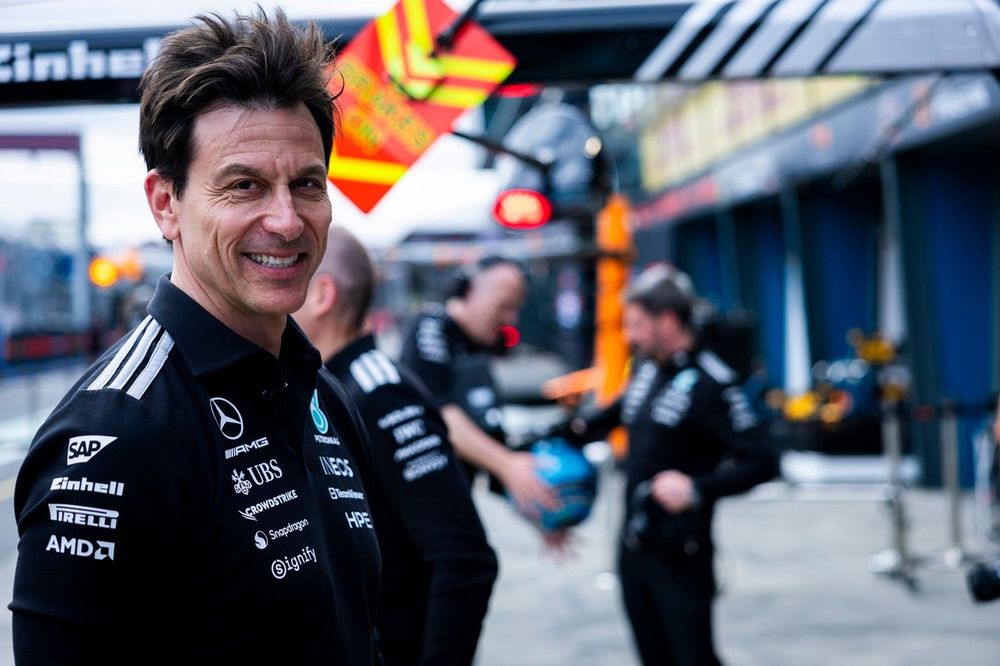
Mercedes boss Toto Wolff has responded to fierce driver criticism of F1's new 2026 cars, arguing that fan enjoyment is more important than driver opinion. While stars like Verstappen and Norris slammed the regulations after the Australian GP, Wolff pointed to increased overtaking and said the sport can adjust the rules if needed, but the spectacle for viewers comes first.
Mercedes team principal Toto Wolff has pushed back against the wave of driver criticism aimed at Formula 1's new 2026 regulations, stating that fan enjoyment is the ultimate metric for the sport's success. His comments come after a contentious Australian Grand Prix weekend where several top drivers, including Max Verstappen and Lando Norris, slammed the new cars as "artificial," "painful," and a step backwards. Wolff countered by reminding everyone that drivers were similarly critical of the previous generation of cars and that F1's primary focus should be on delivering an exciting spectacle for viewers.
Why it matters:
The intense debate highlights a fundamental tension in modern F1: balancing pure sporting competition with entertainment value. The 2026 rules, featuring a greater reliance on electrical power and complex energy management, were designed to promote closer racing and more overtaking. If the drivers—the sport's stars—publicly dislike the product, it risks undermining its credibility. However, Wolff and F1 CEO Stefano Domenicali are betting that a more chaotic and unpredictable show will ultimately win over the global audience, which is crucial for the sport's commercial health.
The details:
- The 2026 regulatory overhaul introduced lighter, narrower cars with a power unit that draws over 50% of its energy from the electrical component, placing a huge emphasis on battery management during races.
- This has led to new driving techniques, like downshifting on straights to regenerate energy, which multiple drivers have labeled as unnatural and counter-intuitive.
- Driver Criticism Was Widespread: At Melbourne, reigning champion Max Verstappen said the rules "need to be better," Esteban Ocon called the driving experience "painful," and Lando Norris gave the most scathing review, calling the racing "artificial" and claiming F1 had gone from the "best cars ever to probably the worst."
- Wolff's Counterpoint: The Mercedes boss argued that nostalgia colors perceptions, pointing out that drivers did not praise the previous ground-effect cars during their problematic four-year cycle, which was plagued by porpoising. He emphasized that F1 has the flexibility to tweak the rules if needed, but the core product must appeal to fans first.
- Not All Drivers Were Negative: Melbourne winner George Russell and his Mercedes teammate Kimi Antonelli offered more measured takes. Russell urged people to "give it a shot," while Antonelli said the reality was "better than what we all anticipated" and called for patience over several races.
What's next:
The early dominance of Mercedes, which secured a 1-2 finish in Australia, adds another layer to the narrative. A team benefiting from the new rules is naturally more inclined to support them. Wolff expressed immense satisfaction with his team's position, marking a potential return to championship-contending form after difficult years.
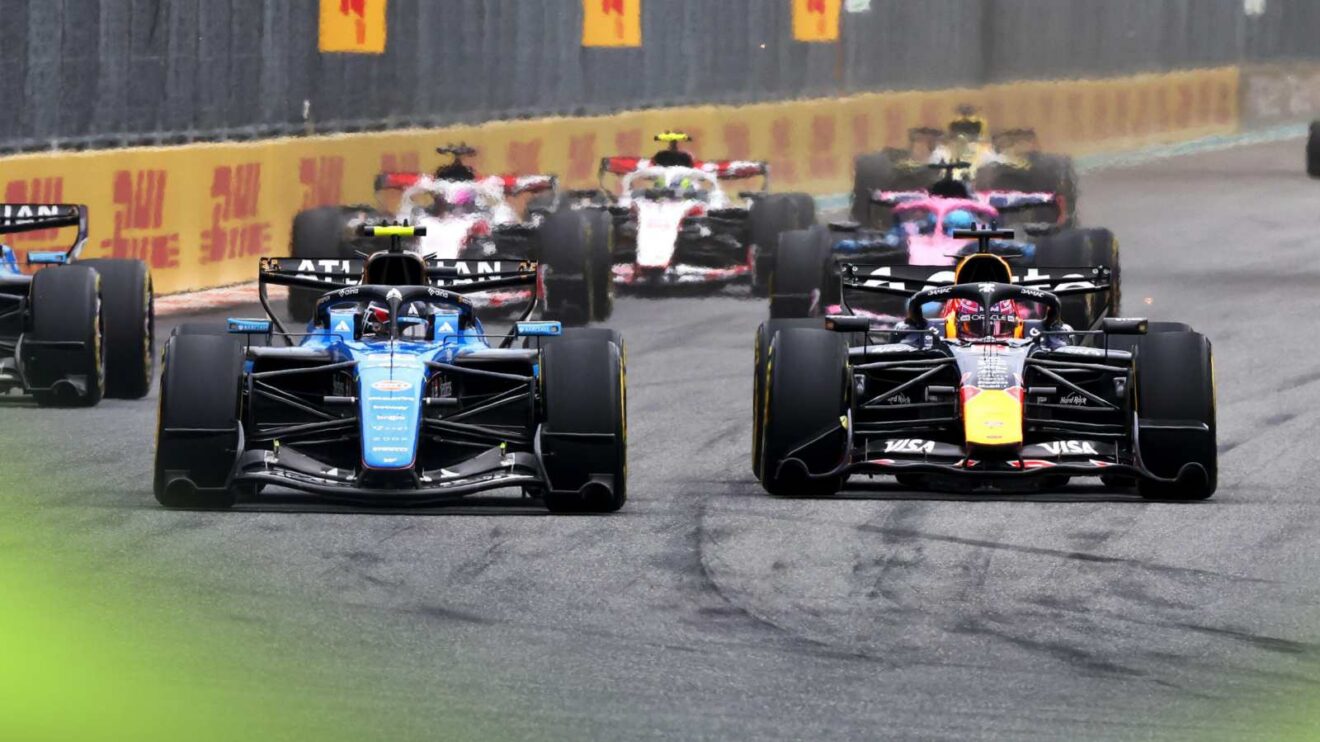
- The focus now shifts to whether the racing spectacle continues to deliver increased overtaking and drama, as seen with the 75 additional passes in Australia compared to 2025.
- If fan engagement metrics remain high, the driver complaints may be viewed as growing pains. If the show falters, pressure will mount on the FIA and F1 to make swift adjustments to the 2026 formula.
Don't miss the next lap
Get the deep dives and technical analysis from the world of F1 delivered to your inbox twice a week.
Zero spam. Only high-octane analysis. Unsubscribe anytime.
Join the inner circle
Get the deep dives and technical analysis from the world of F1 delivered to your inbox twice a week.
Zero spam. Only high-octane analysis. Unsubscribe anytime.
Continue Reading
View More News