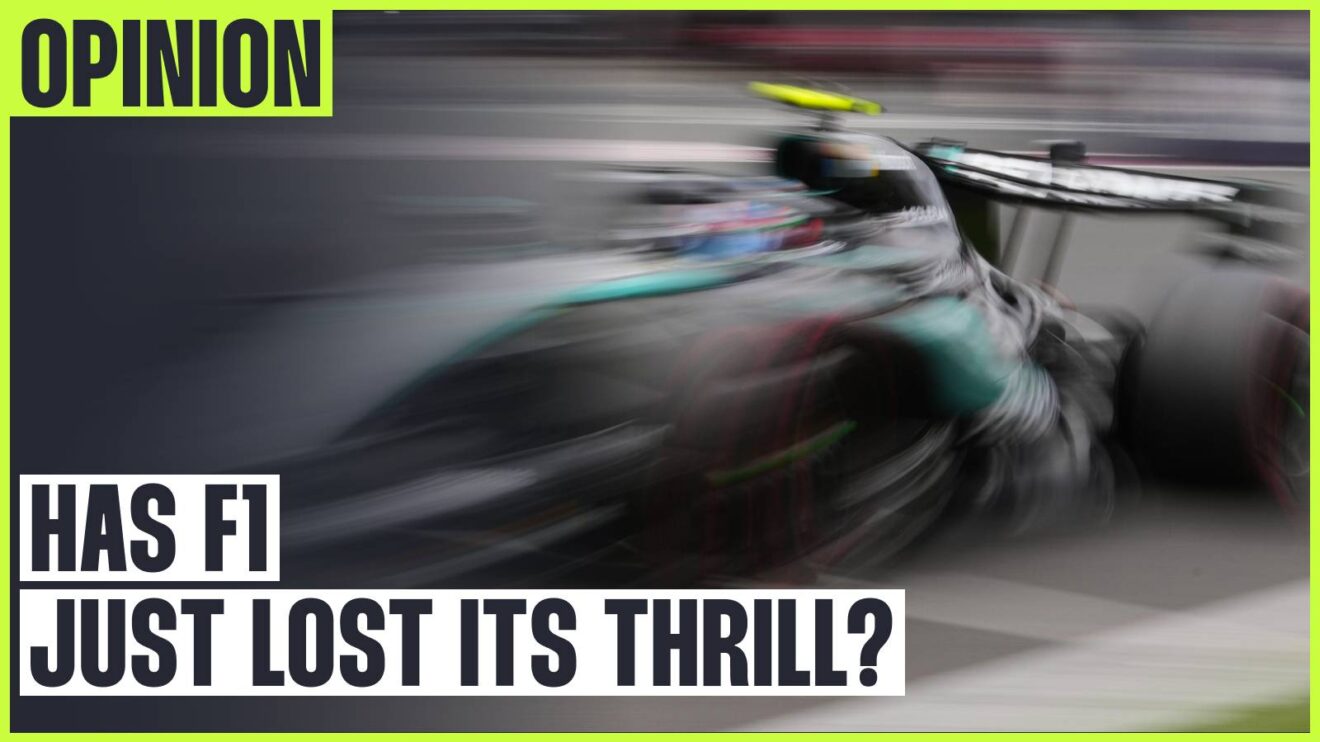
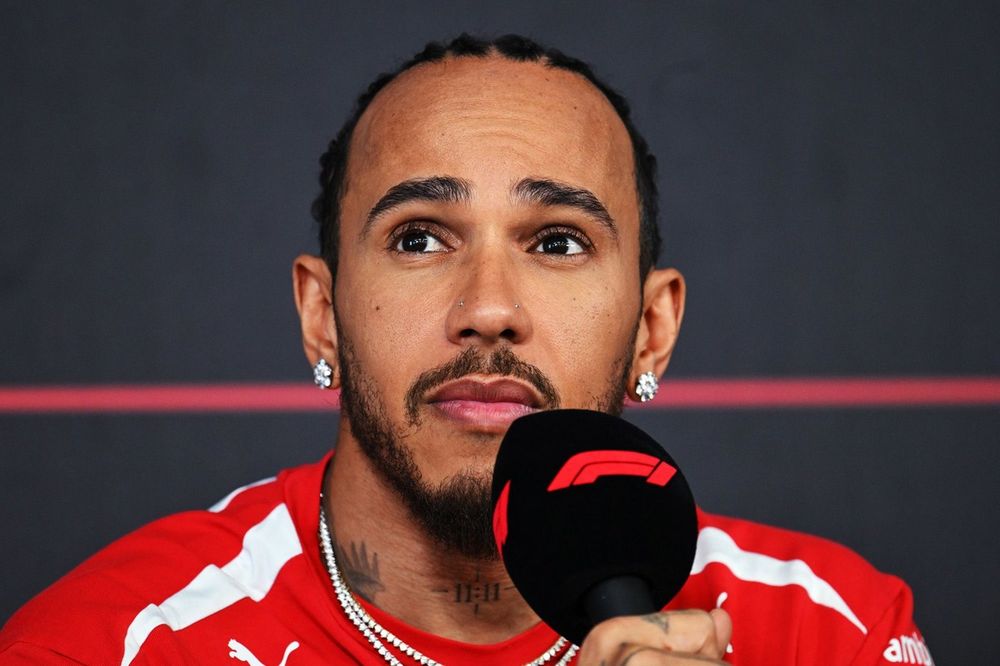
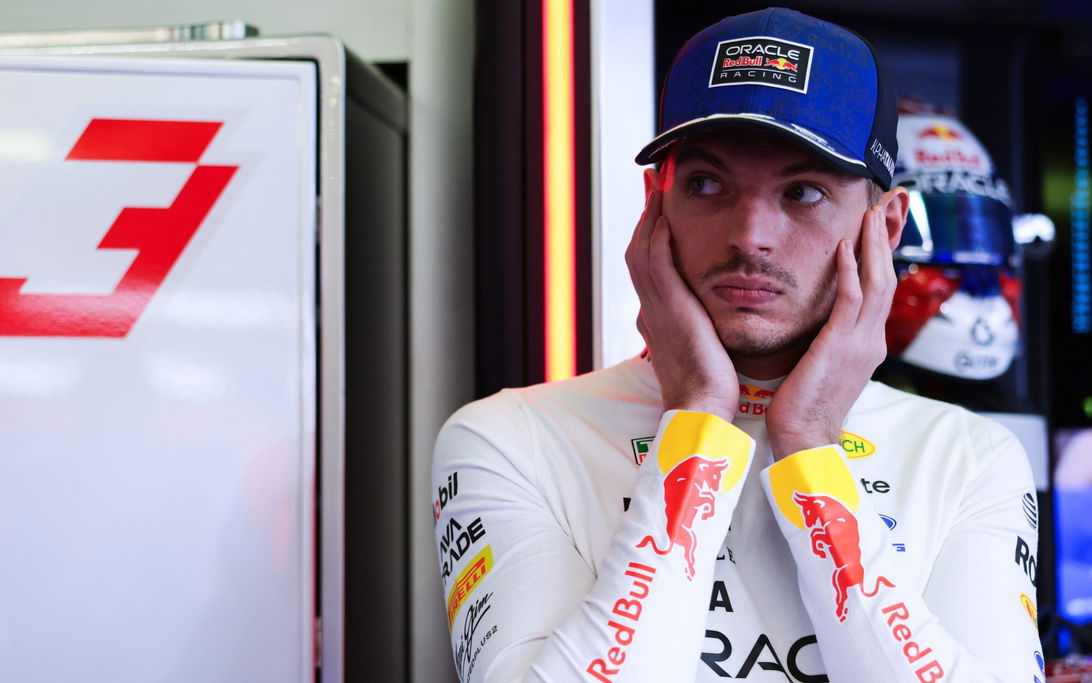
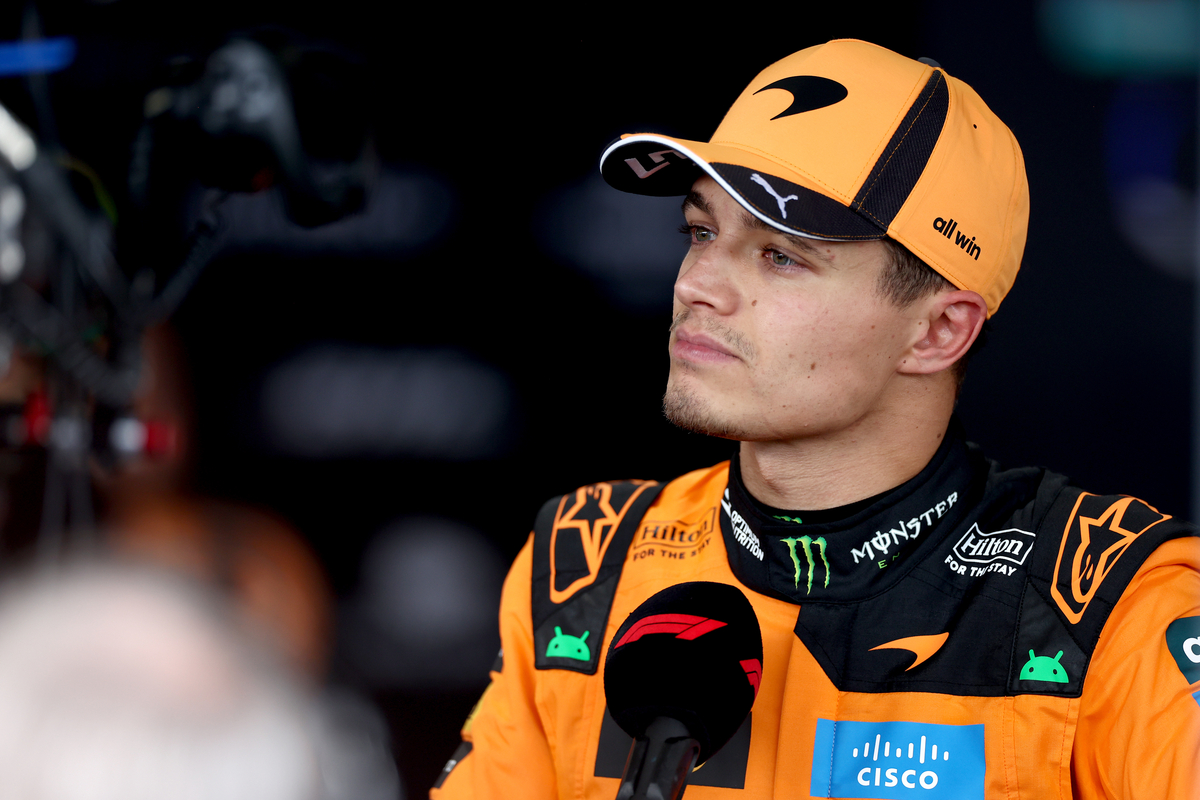
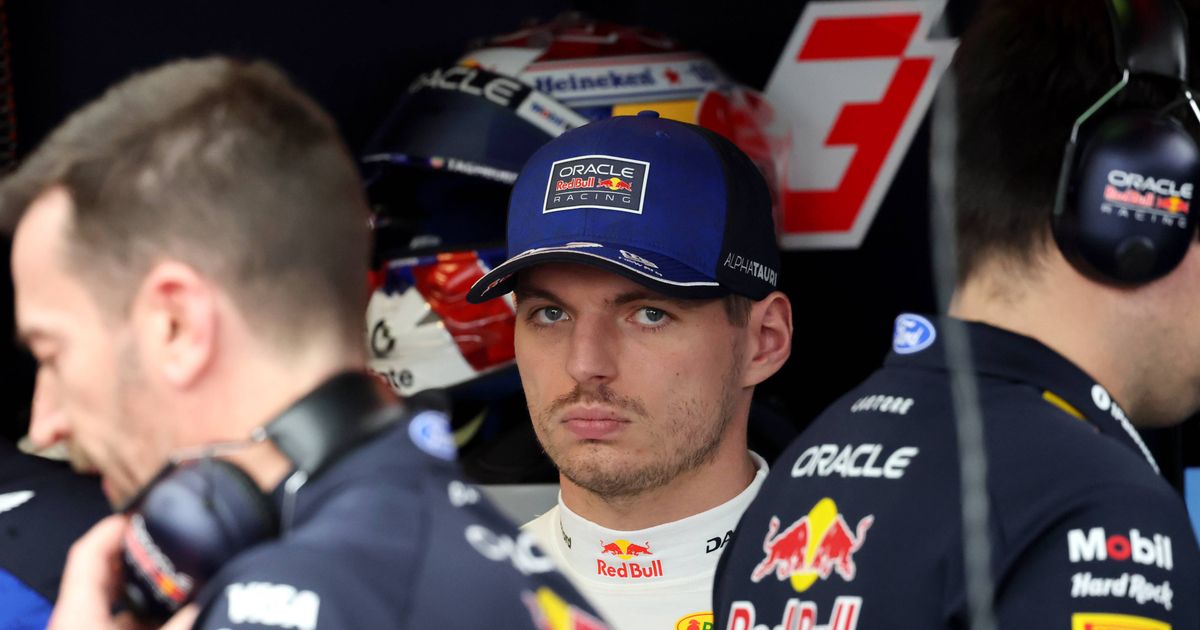
F1's new 2026 era has begun with a chorus of condemnation from its star drivers. Following qualifying in Melbourne, Max Verstappen, Lando Norris, and others blasted the cars as unenjoyable and "anti-racing,\
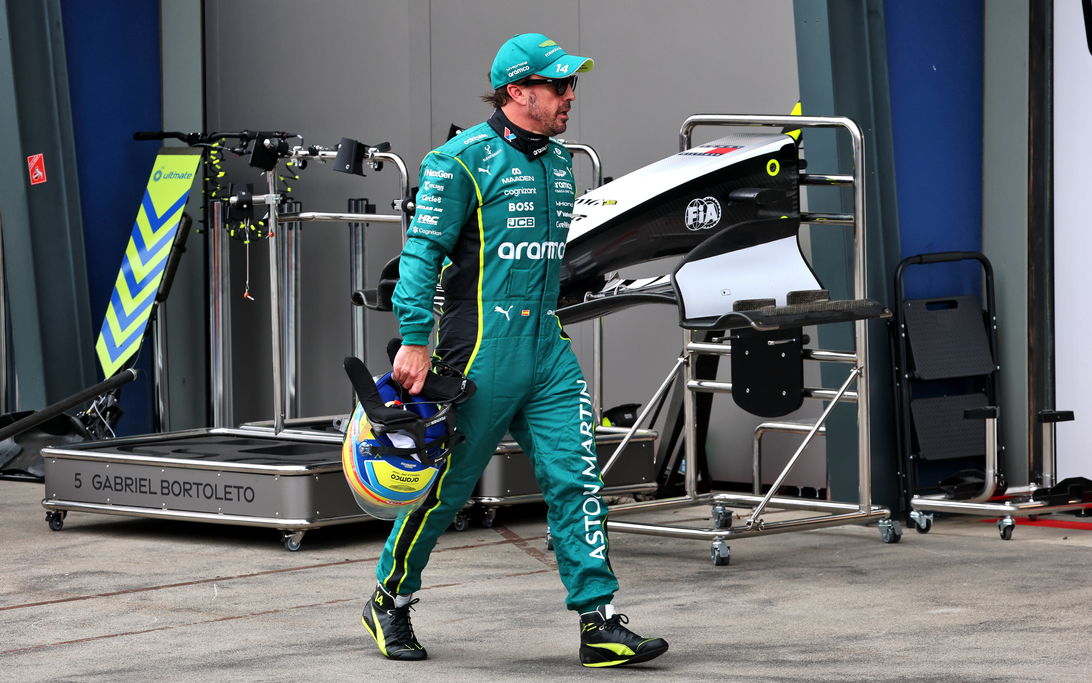
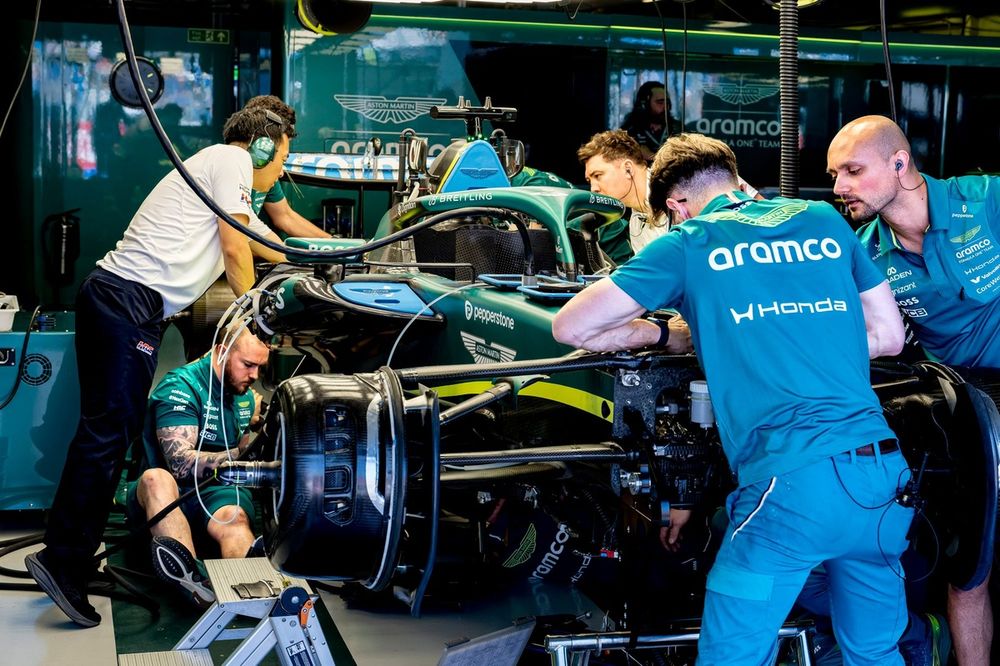
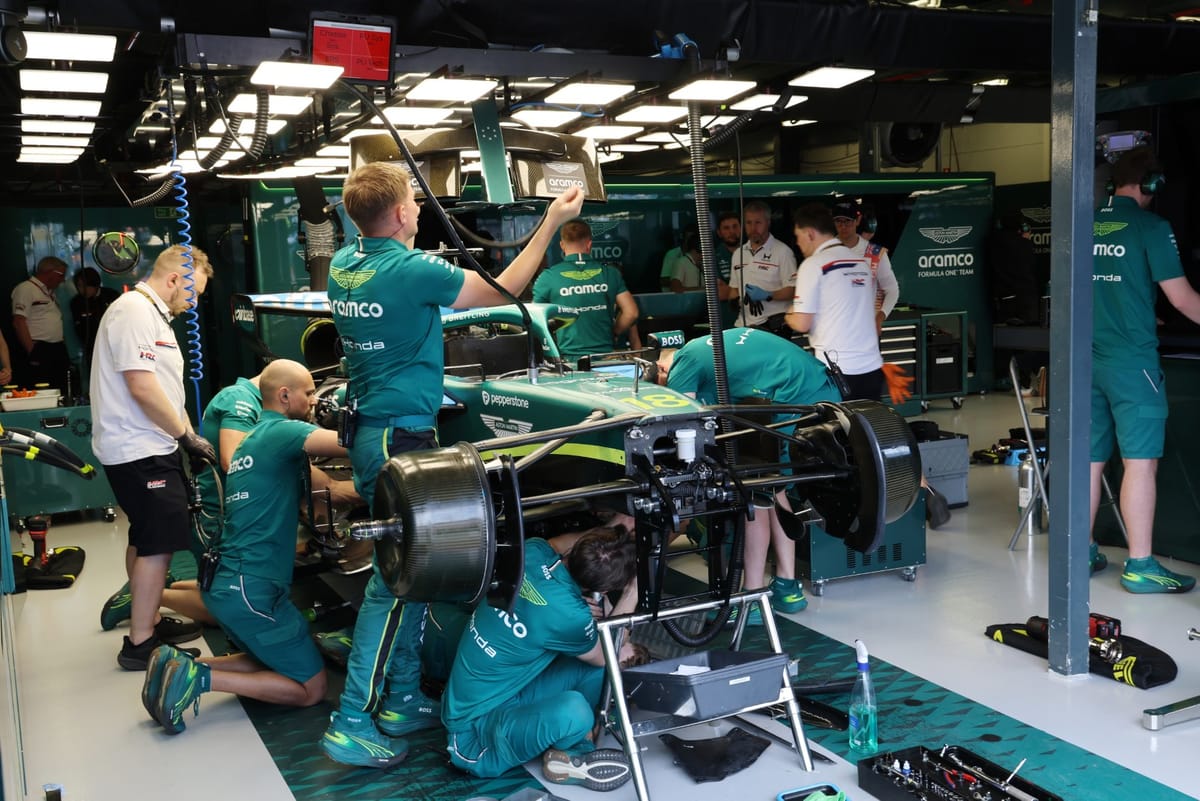
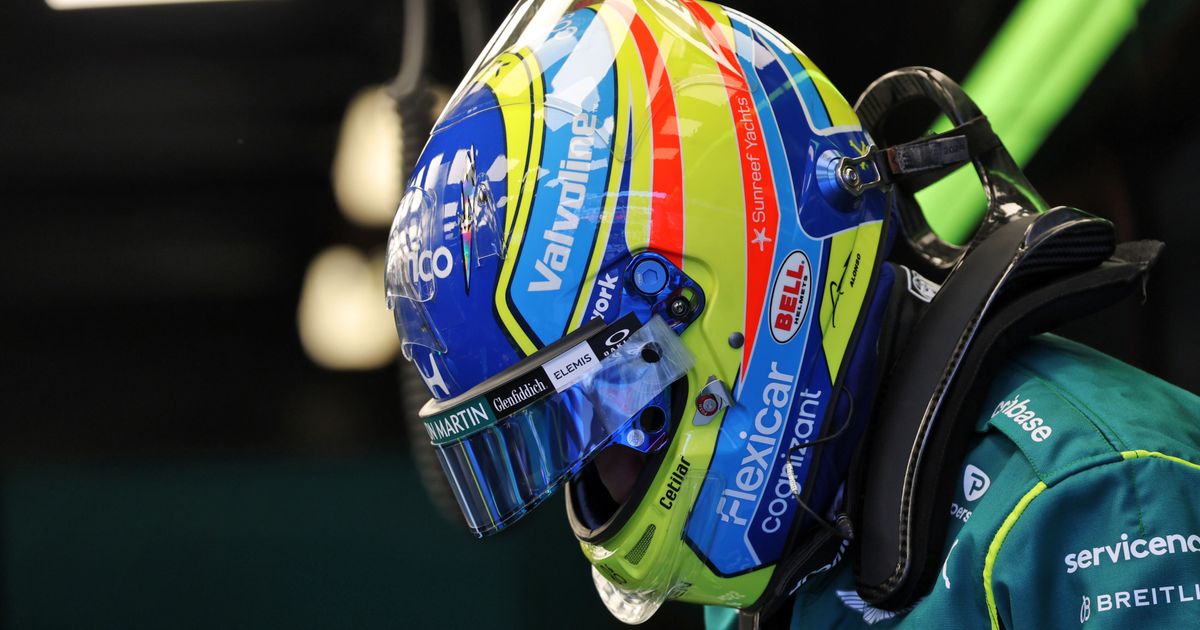
Fernando Alonso says Aston Martin will retire his car at the first hint of trouble in the Australian GP due to a severe shortage of critical power unit parts. The team has only two batteries available, forcing an ultra-cautious strategy as they also grapple with a car Alonso describes as "very fragile" and inconsistent, after a qualifying session that saw him 17th and teammate Lance Stroll fail to set a time.
Audi's Formula 1 debut at the Australian GP impressed, with Gabriel Bortoleto reaching Q3 and Nico Hülkenberg just missing out in 11th. Both drivers expressed strong optimism about the team's future potential, signaling a competitive start for the new manufacturer.
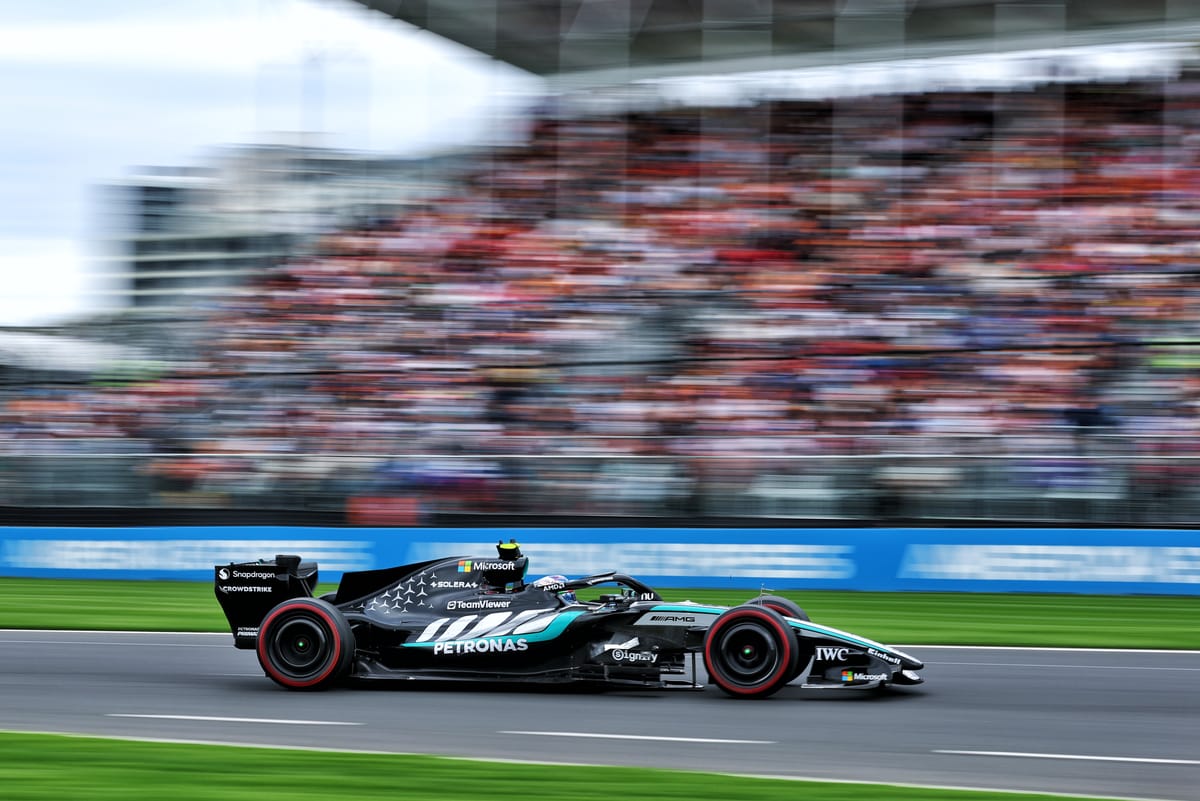
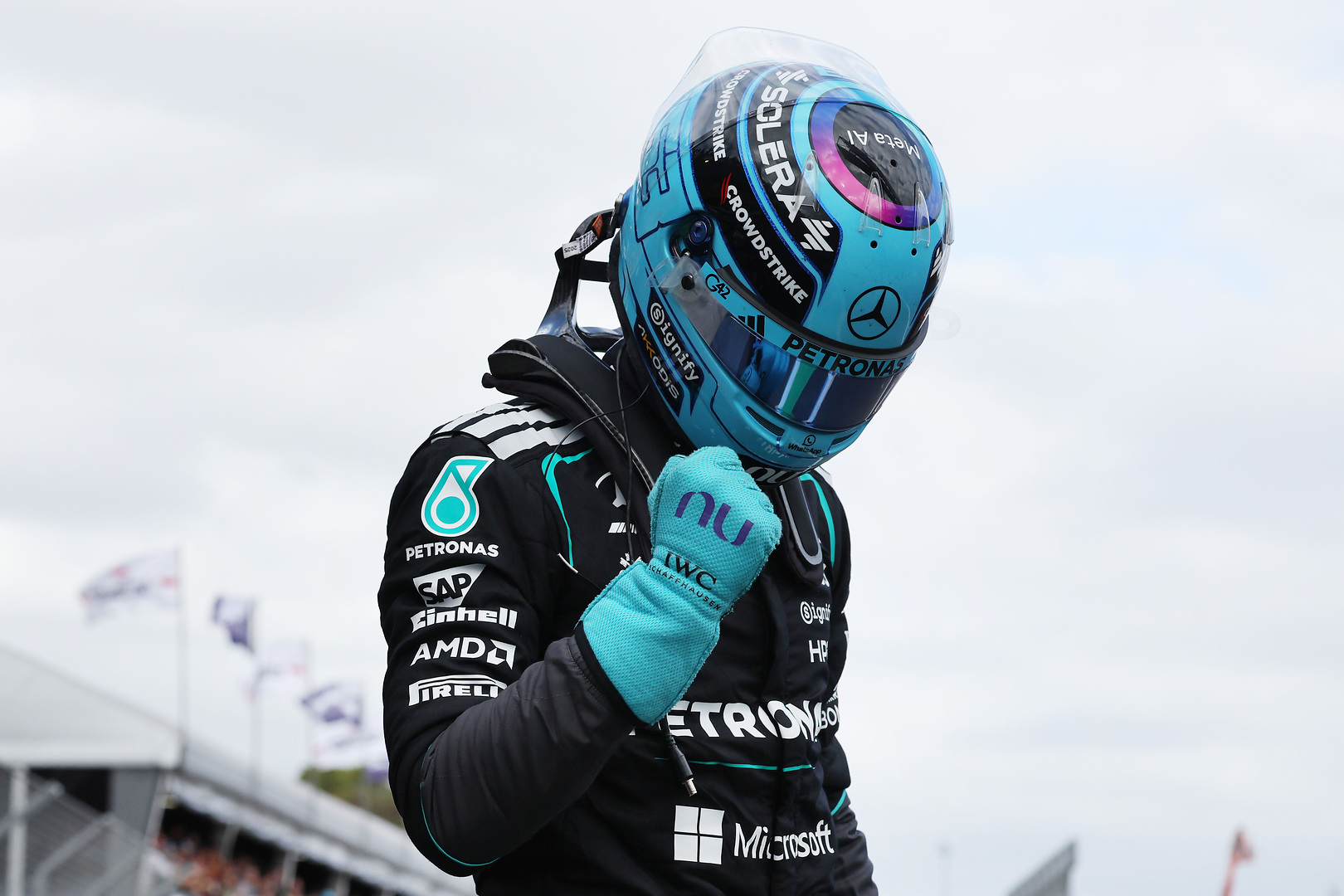
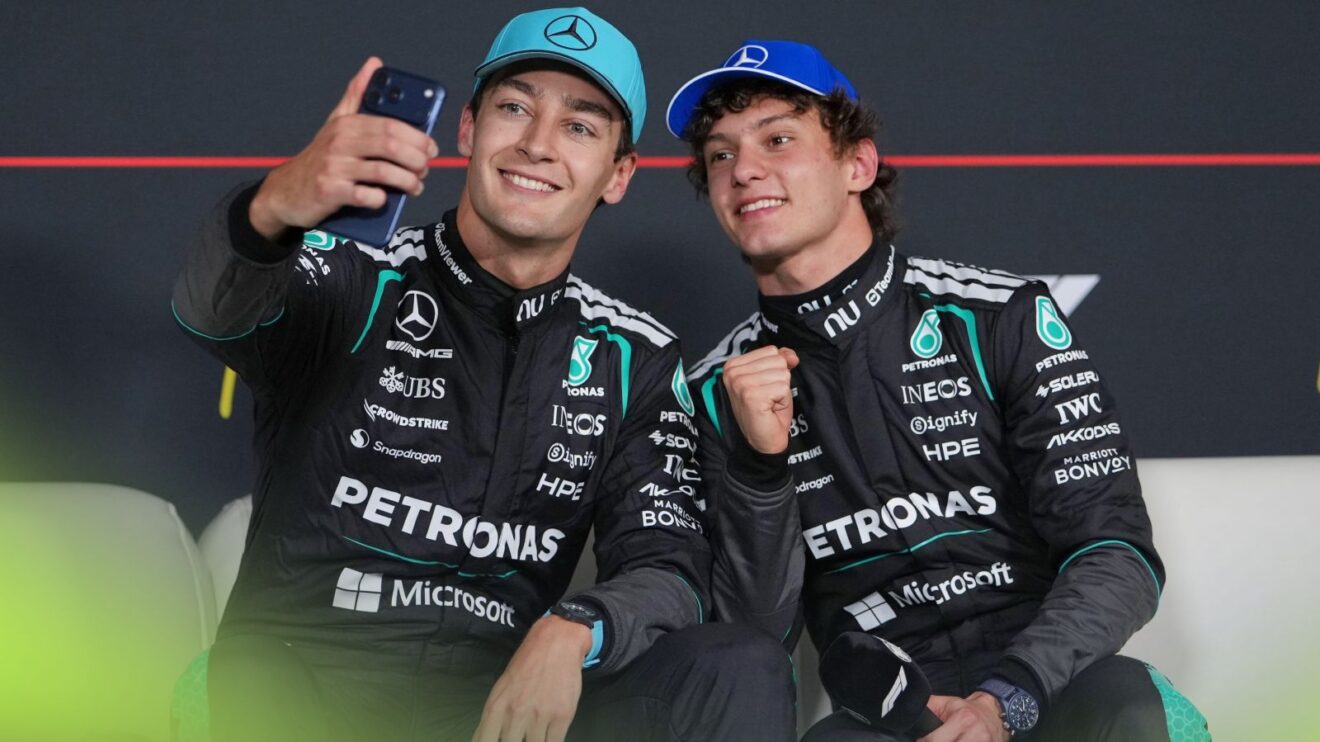
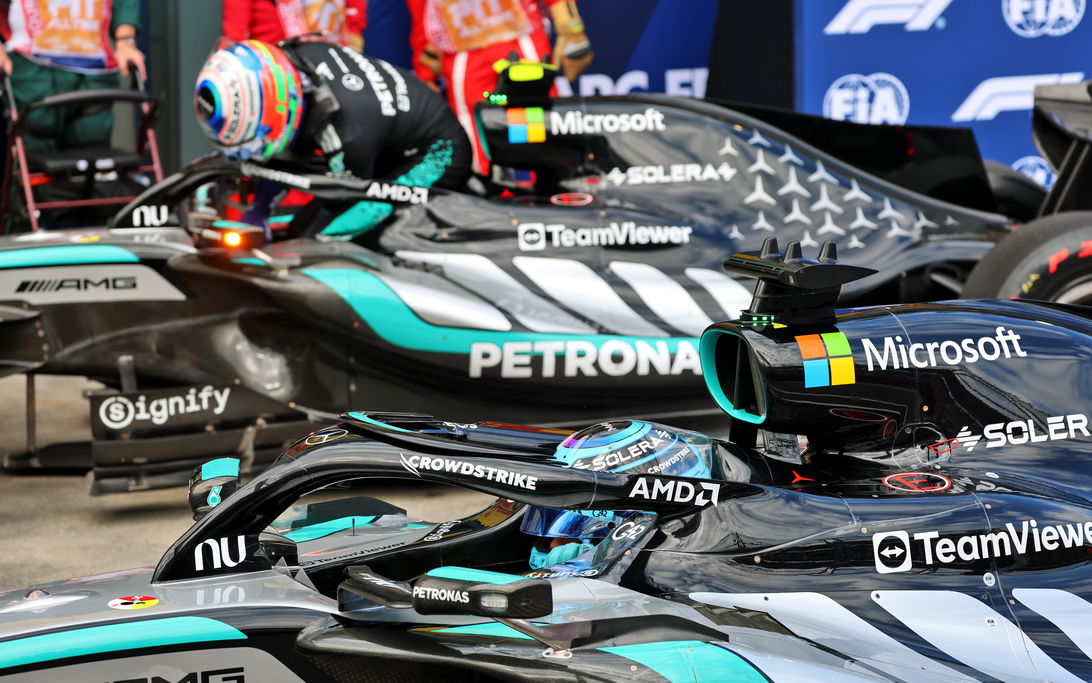
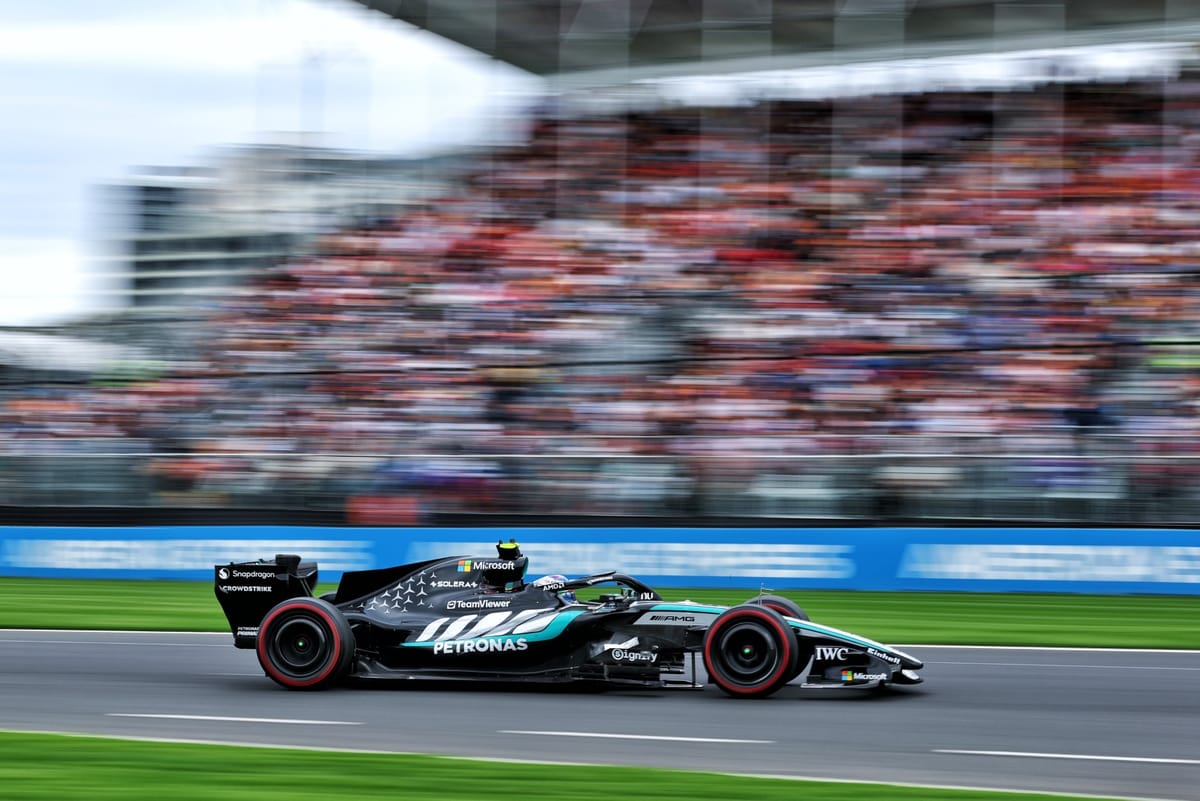
Mercedes stunned the field by securing a dominant 1-2 in qualifying for the 2026 Australian GP, with George Russell on pole. The size of their advantage over Ferrari and McLaren suggests a potential return to the form that made them champions, setting a daunting early benchmark for the new regulatory era.
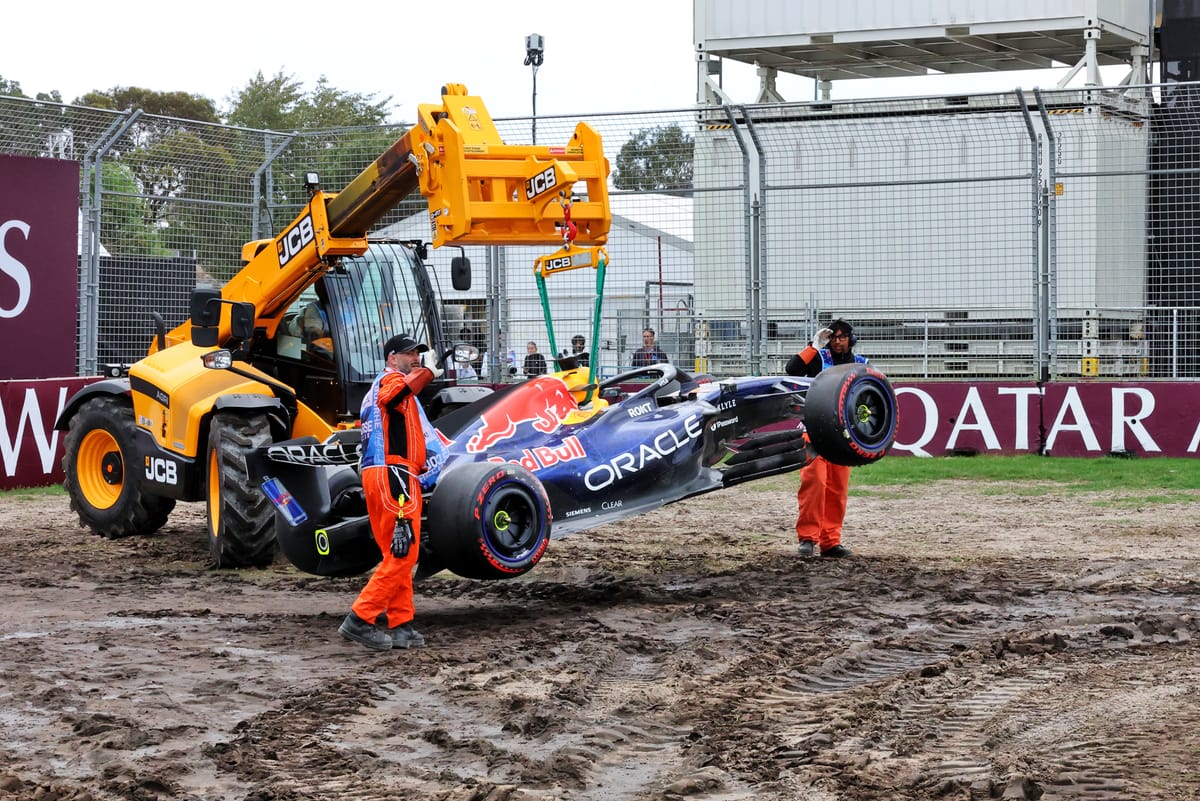
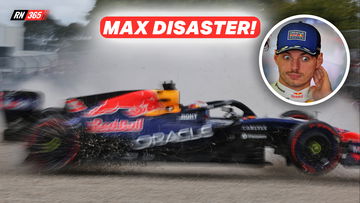
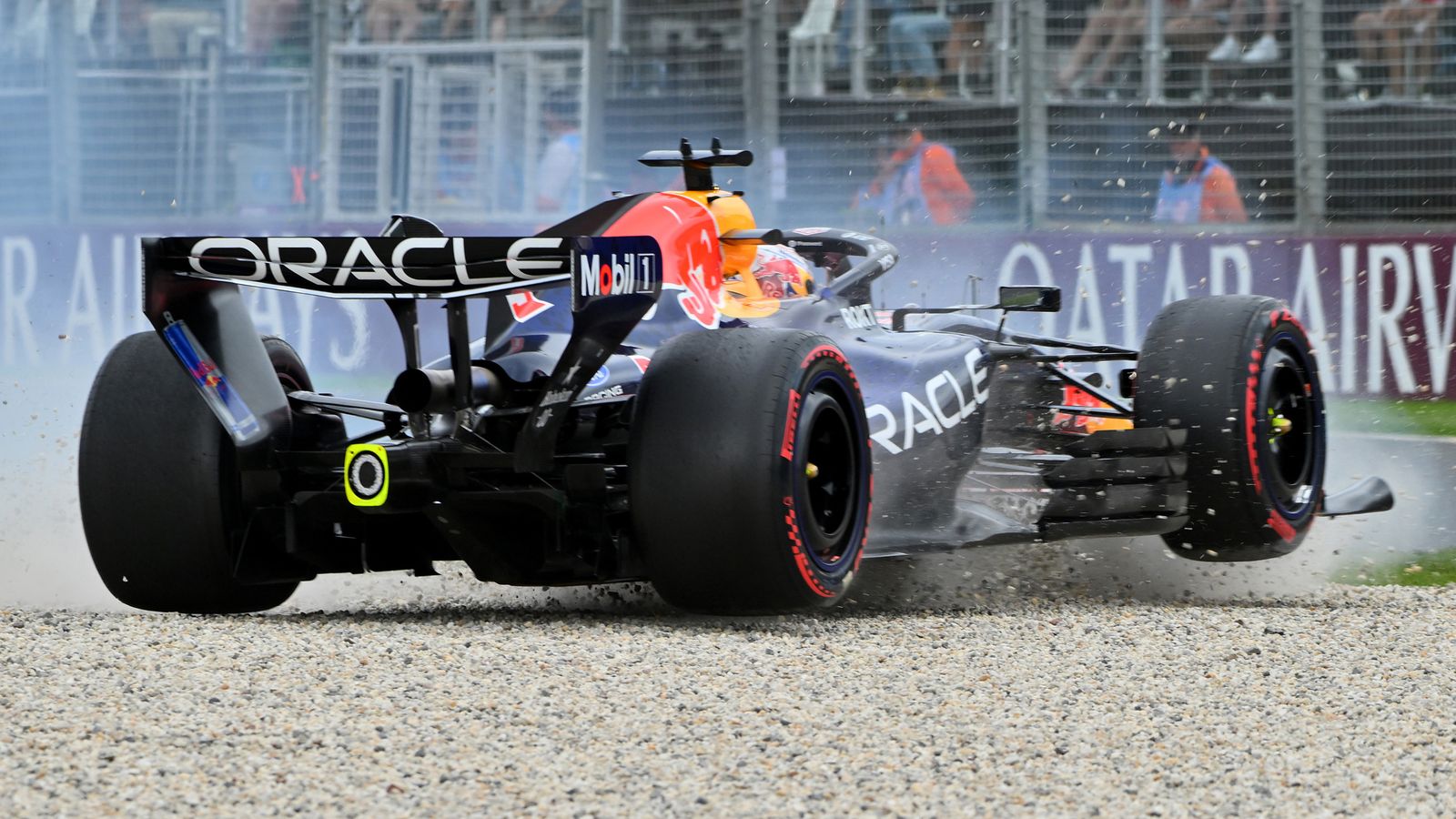
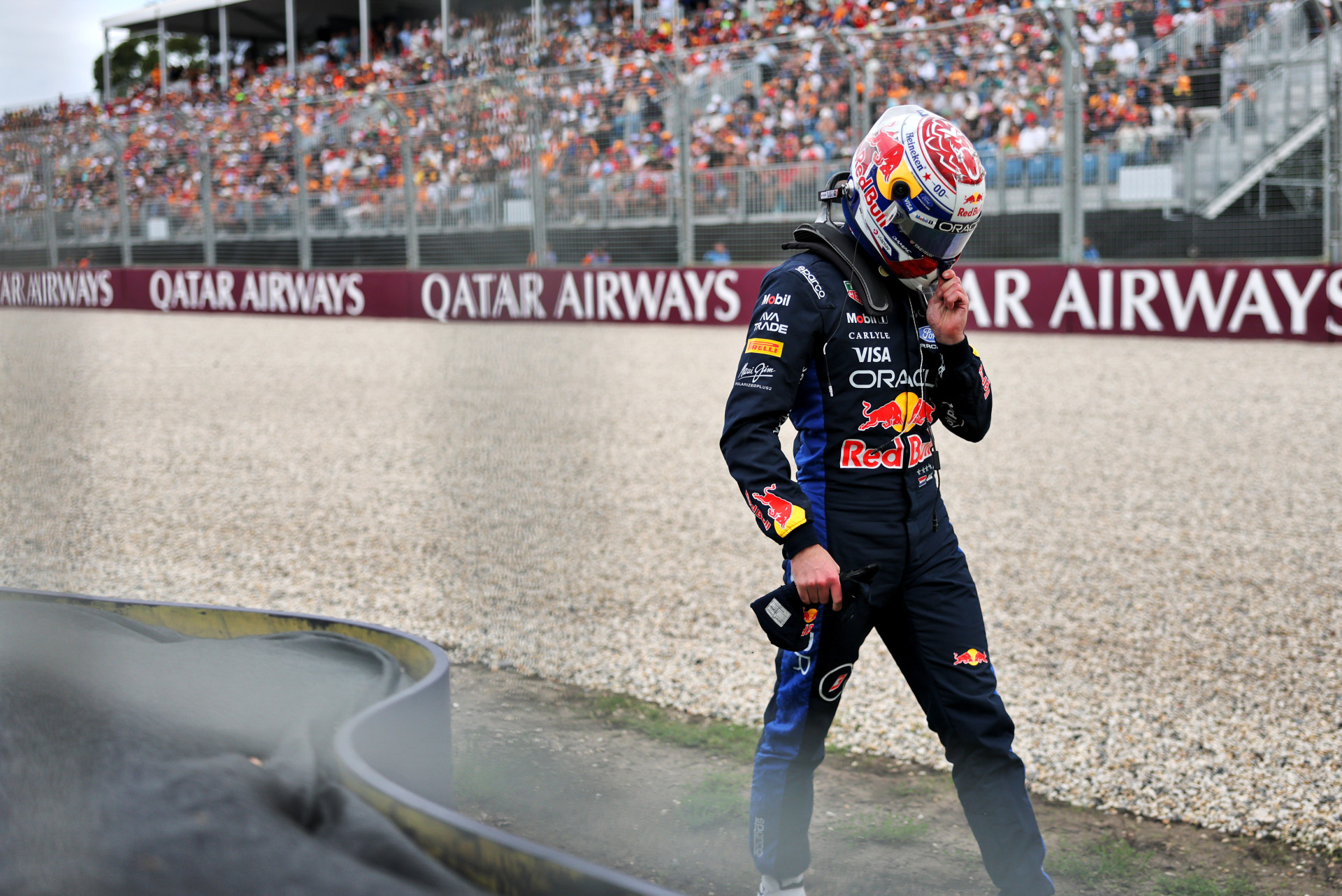
Max Verstappen crashed out of qualifying for the 2026 Australian GP, while Mercedes stunned with a major pace improvement. Lewis Hamilton hinted at a possible power unit gain, as a mixed grid formed amid penalties for Alpine and a decision on Lance Stroll's participation.
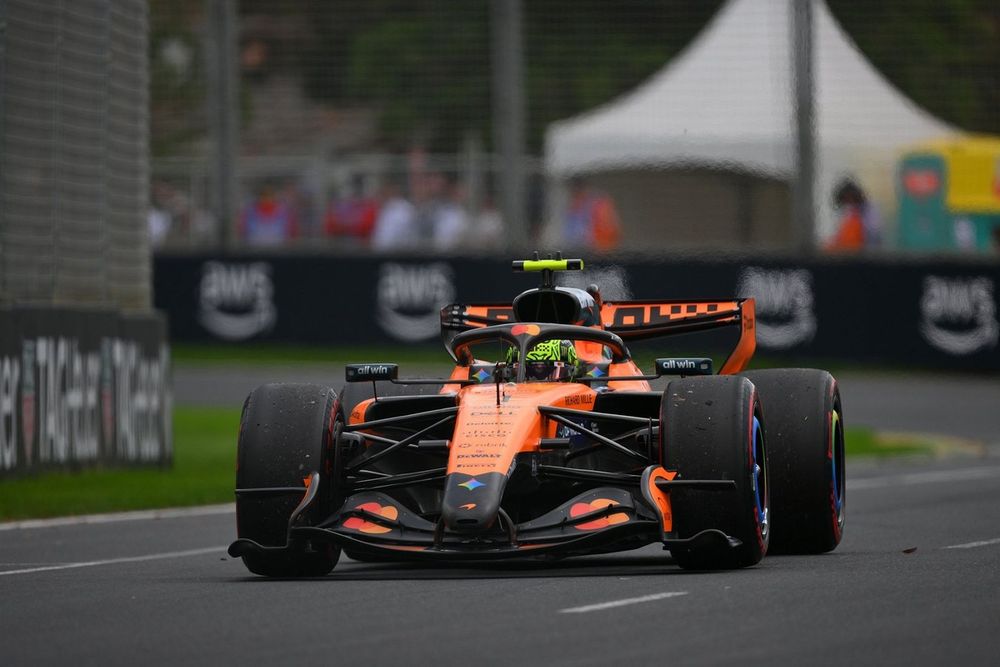
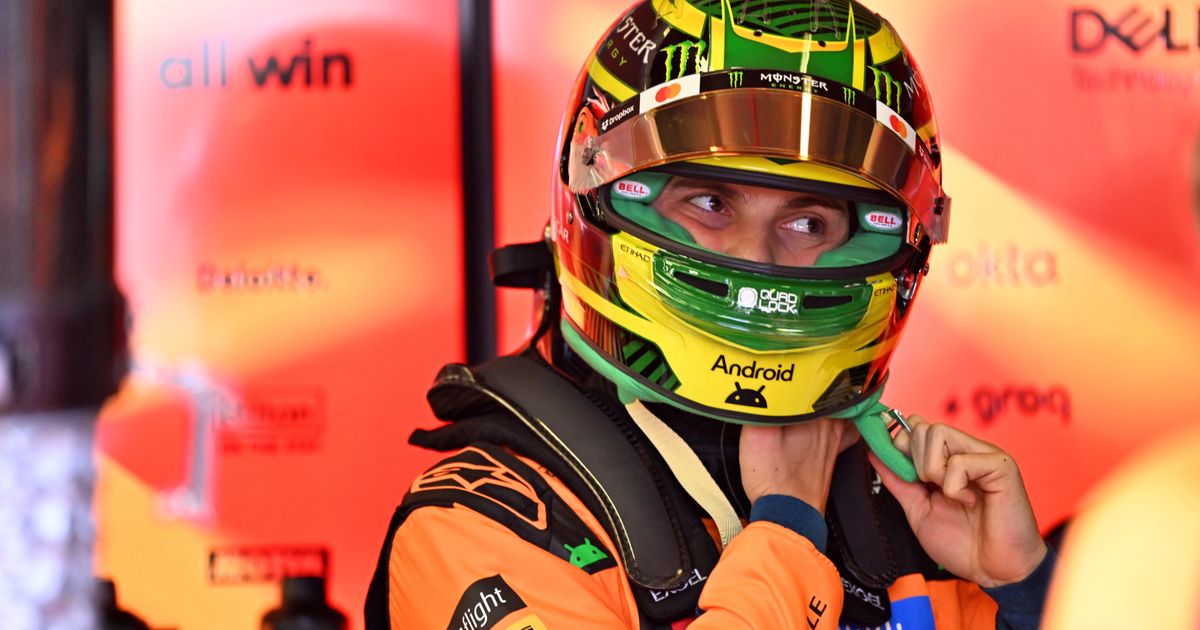
Lando Norris has sharply criticized Formula 1's 2026-spec cars, calling them "probably the worst" to drive due to overwhelming focus on managing complex hybrid energy systems. He claims the constant need to monitor battery deployment distracts from actual driving and degrades the experience, a sentiment echoed by other drivers despite some praising improved chassis agility.
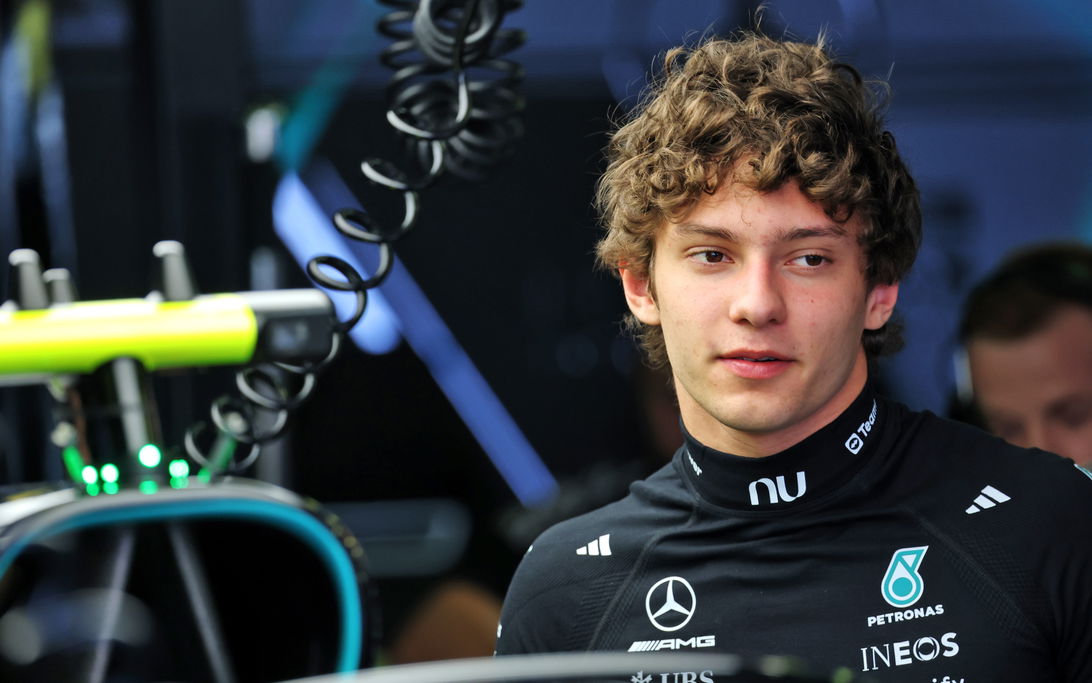
Mercedes stunned the field by locking out the front row for the 2026 F1 season opener in Australia, with George Russell and Kimi Antonelli nearly eight-tenths clear of the competition. Max Verstappen will start last after a crash, setting the stage for a dramatic race to test the new era's pecking order.
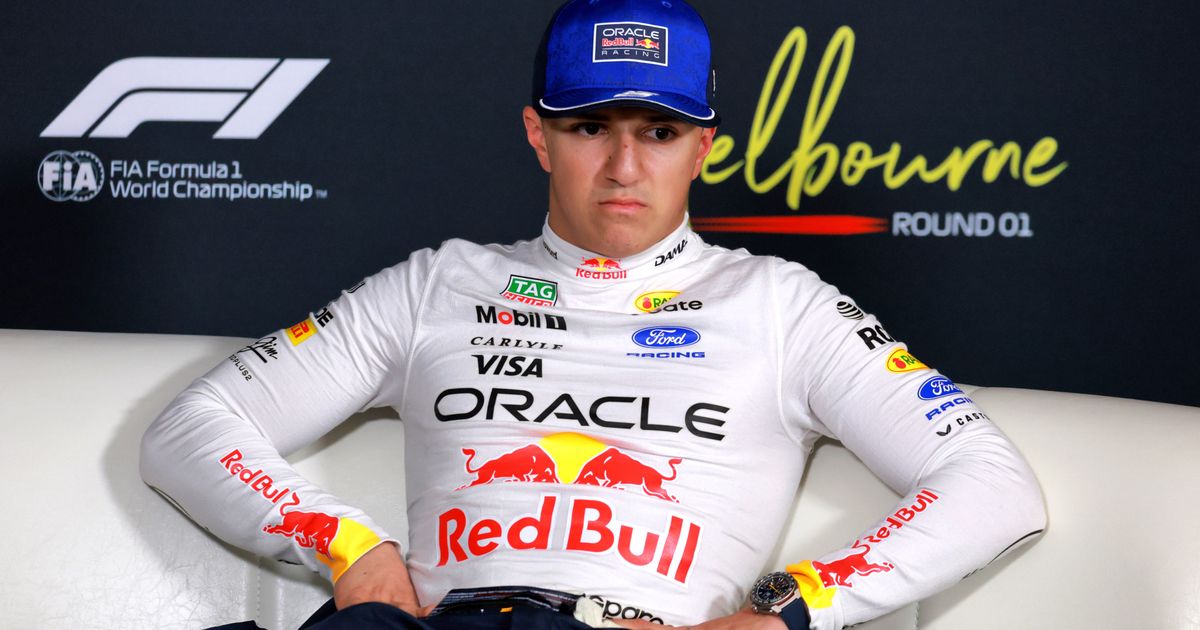
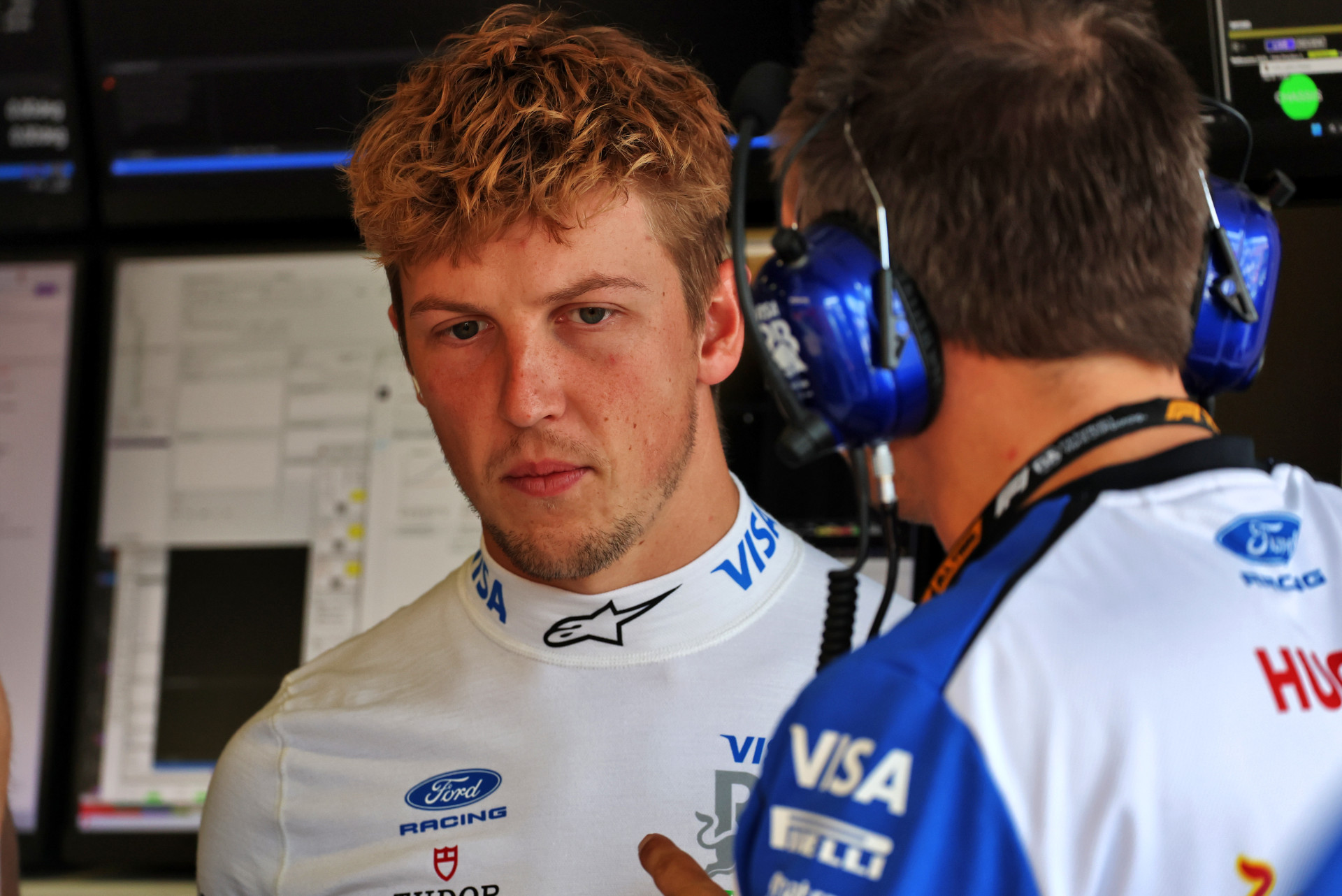
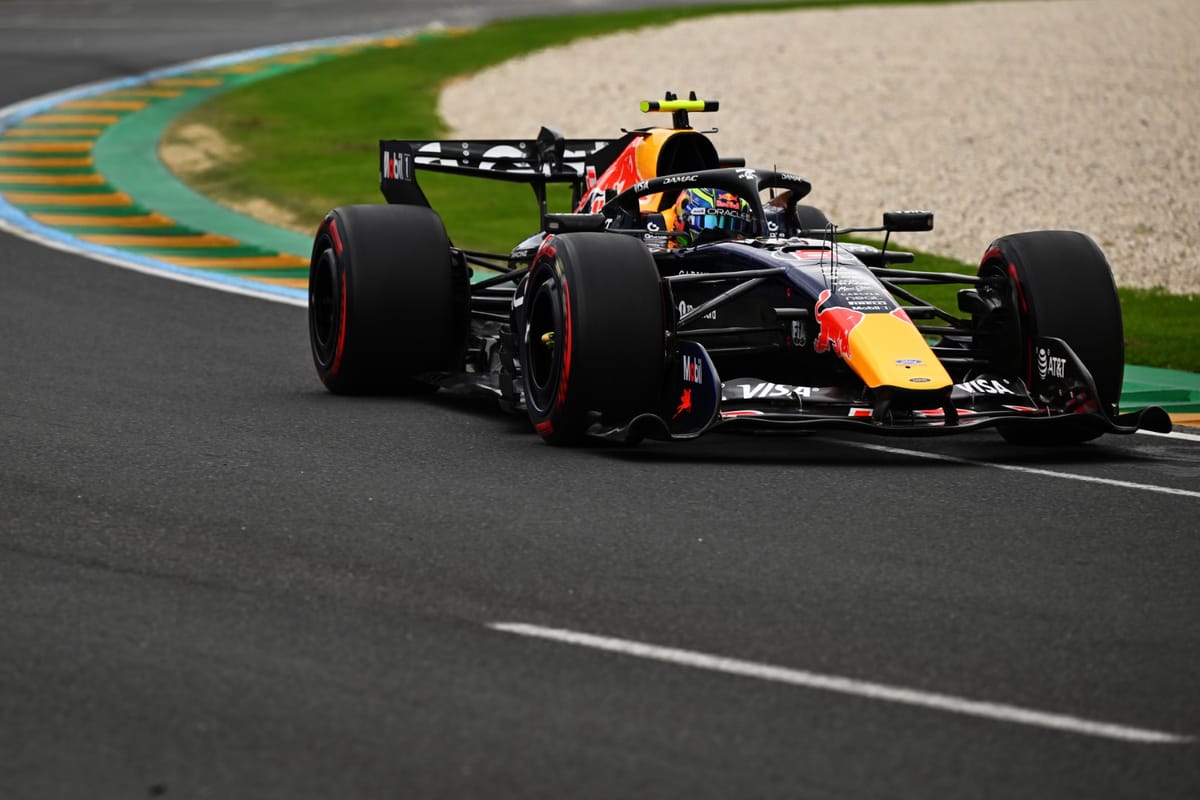
Liam Lawson expressed pleasant surprise after qualifying eighth for the Australian GP, as Racing Bulls placed both cars in Q3. The strong showing, fueled by new upgrades, marks a promising start for the team and the Red Bull Ford power unit in F1's new era, with focus now on converting pace into reliable race performance.
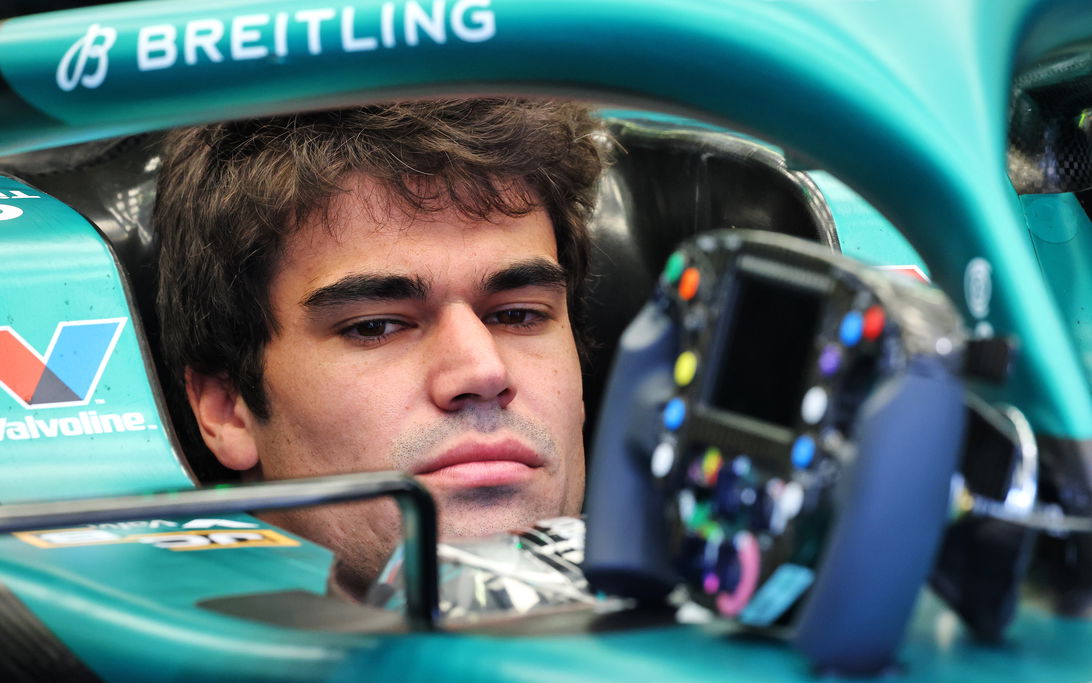
Lance Stroll has received special permission from FIA stewards to race in the Australian Grand Prix, joining Max Verstappen and Carlos Sainz, who also failed to set a time in qualifying. While Verstappen and Sainz qualified via practice times, Stroll's allowance was based on his experience and his teammate's performance. All three will start from the back of the grid.
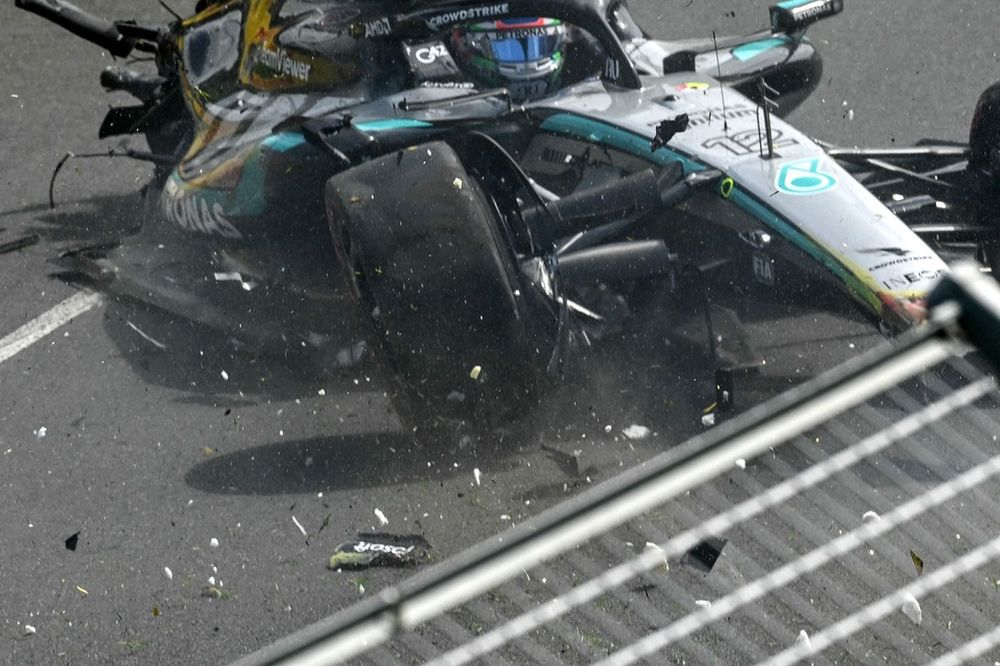
Mercedes' Kimi Antonelli qualified an impressive second for the Australian GP after his mechanics performed a miraculous two-hour repair job on his car, which was heavily damaged in a FP3 crash. The rookie hailed his team as 'heroes' for the effort, which allowed him to secure a front-row start alongside teammate George Russell.
Lance Stroll will race in the Australian GP after the FIA stewards granted him an exception for failing to qualify. His Aston Martin had a mechanical issue, but the team proved the car's pace and cited Stroll's experience to secure his entry. Carlos Sainz and Max Verstappen, who also had Q1 issues, received similar permissions.
F1 drivers are searching for a 'snitch' among their ranks who leaked criticisms from a private meeting with the FIA. The breach of trust comes as most drivers voice strong disapproval of the 2026 car regulations, which they claim hurt racing, while Mercedes's competitive advantage under the new rules complicates any potential changes.