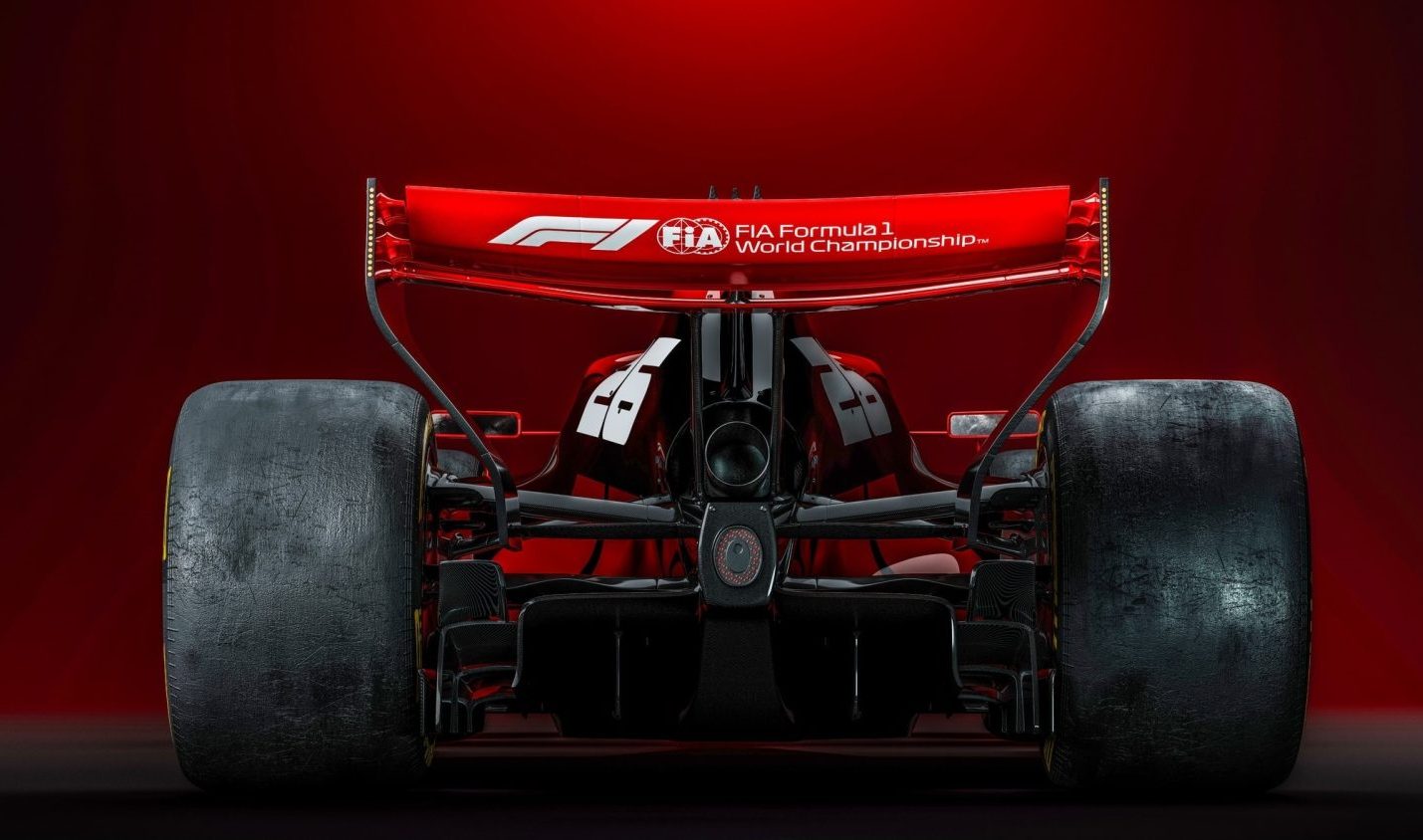
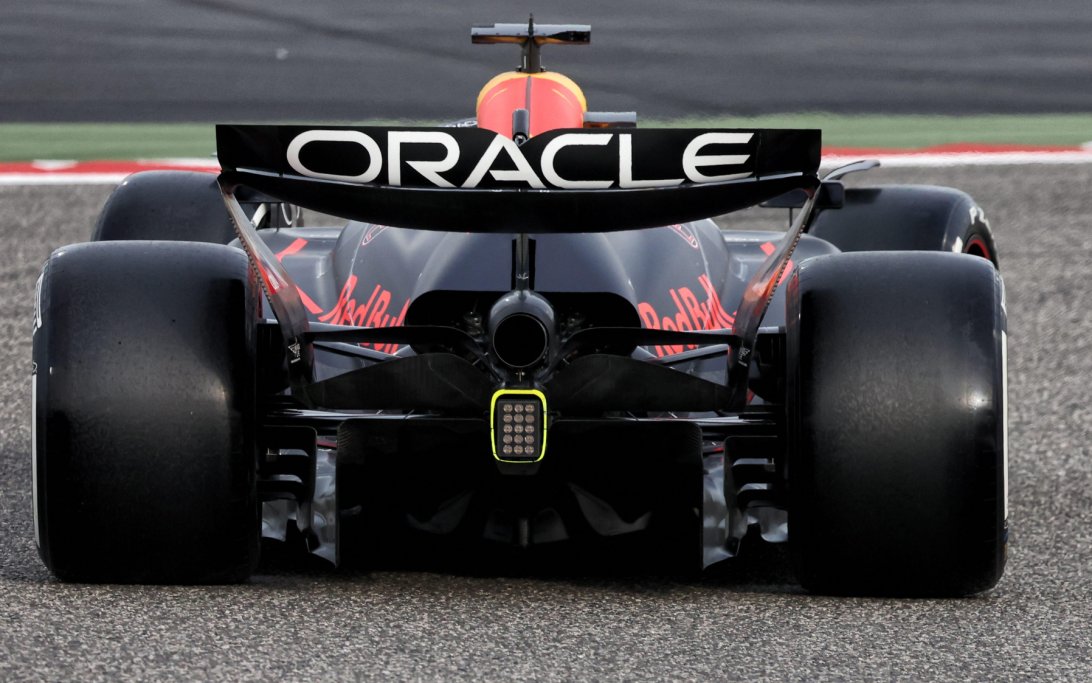
The FIA has rejected calls to close a 2026 engine loophole, allowing Mercedes and Red Bull to keep a potential thermal expansion advantage despite protests from Ferrari, Honda, and Audi.
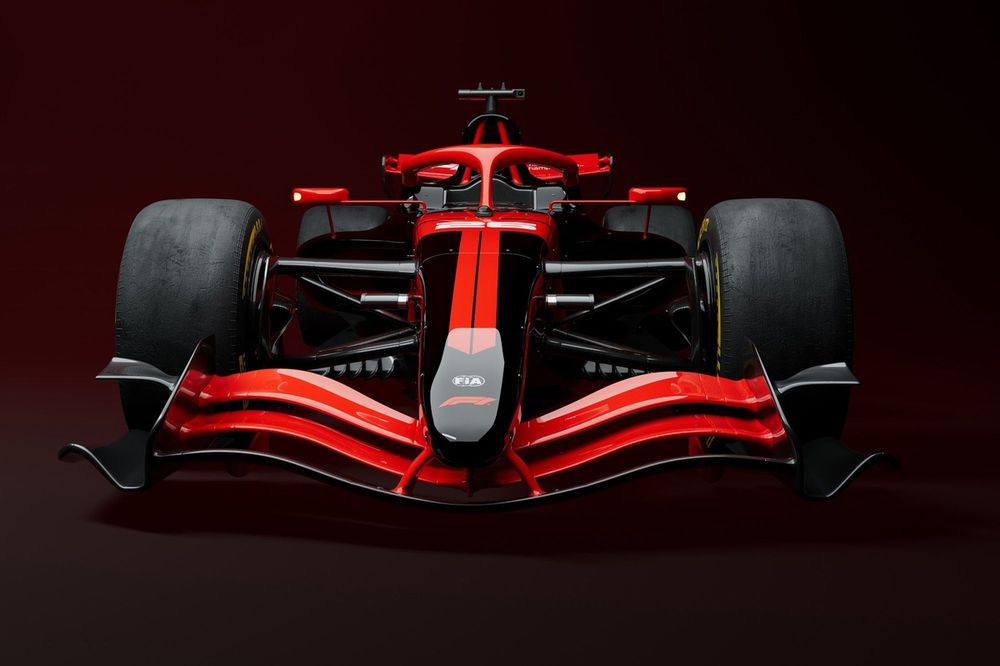
FIA’s Nikolas Tombazis confirms flexibility to adjust 2026 energy deployment and Overtake Mode parameters during the season based on real-world performance data.
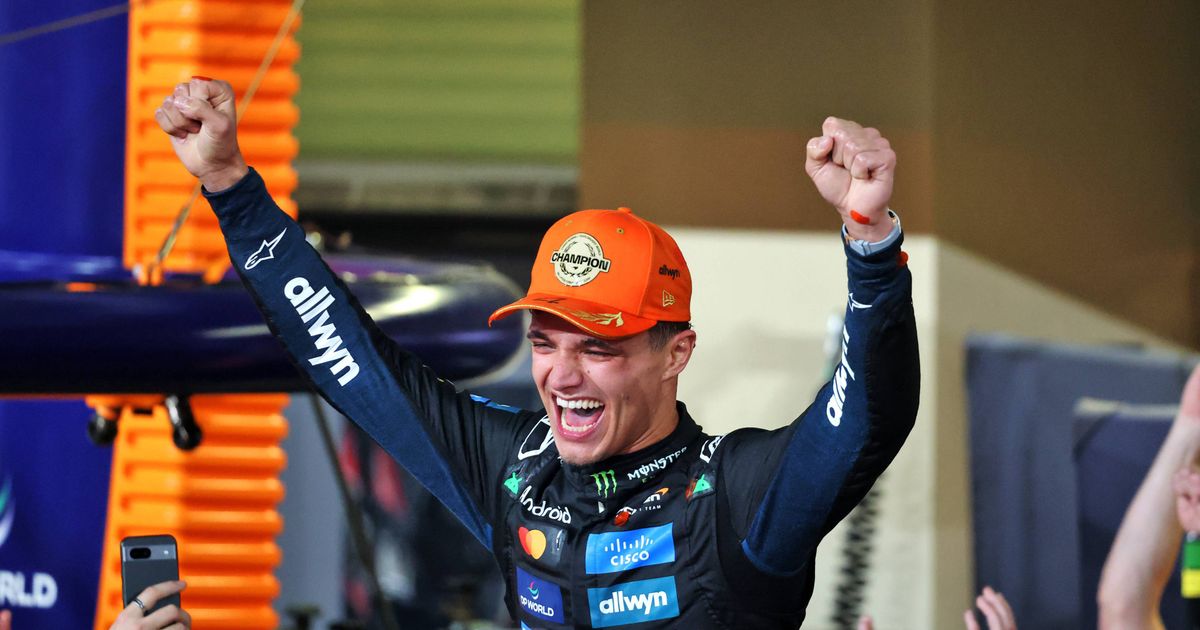
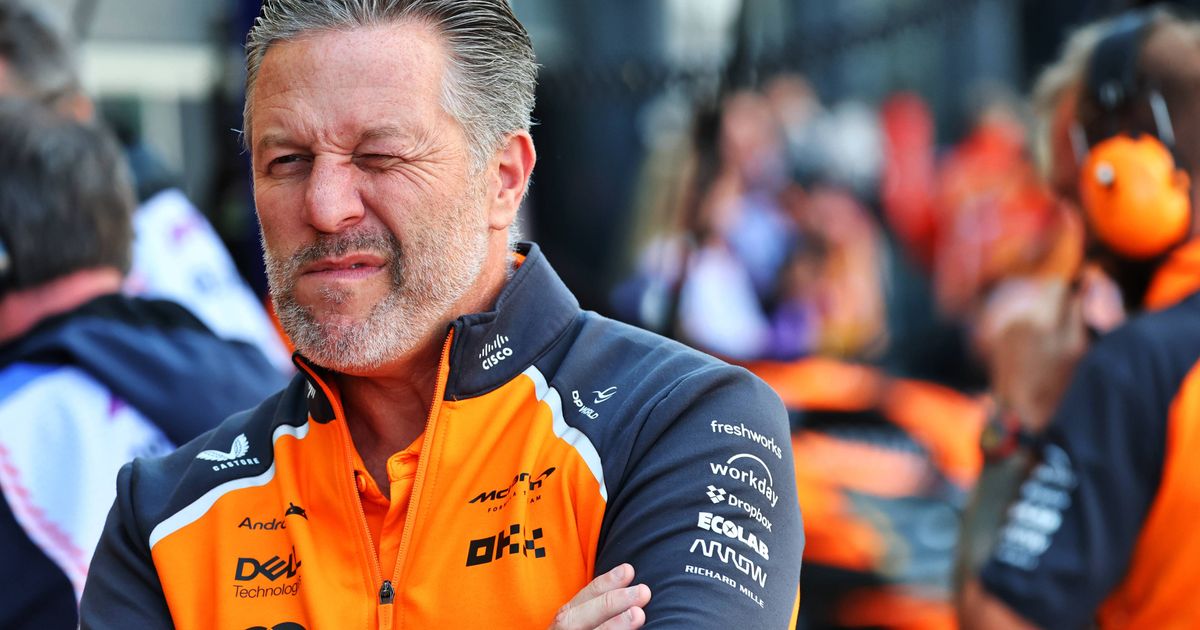
Lando Norris claims life remains normal despite his 2025 World Championship win, while McLaren prepares for a complex 2026 season under new regulations with a focused launch strategy.
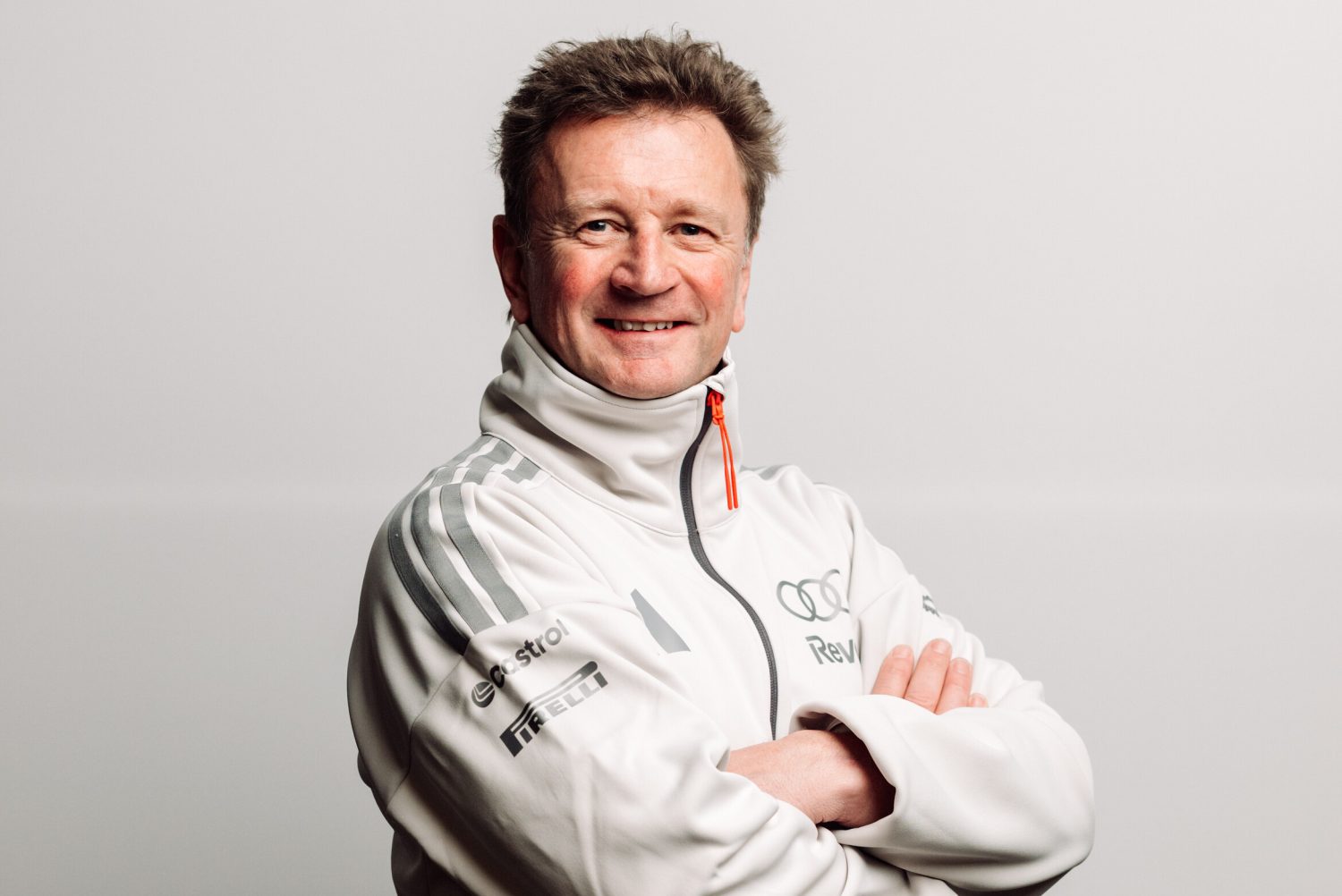
Audi appoints Allan McNish to lead its new driver development program, aiming to build a talent pipeline from karting to Formula 1 ahead of its 2026 debut.
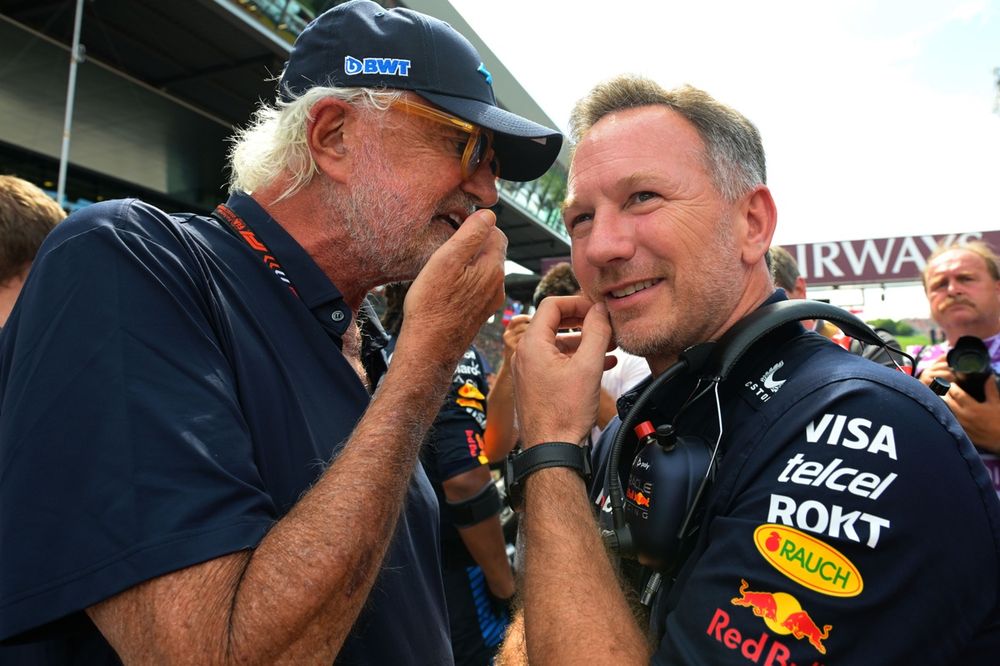
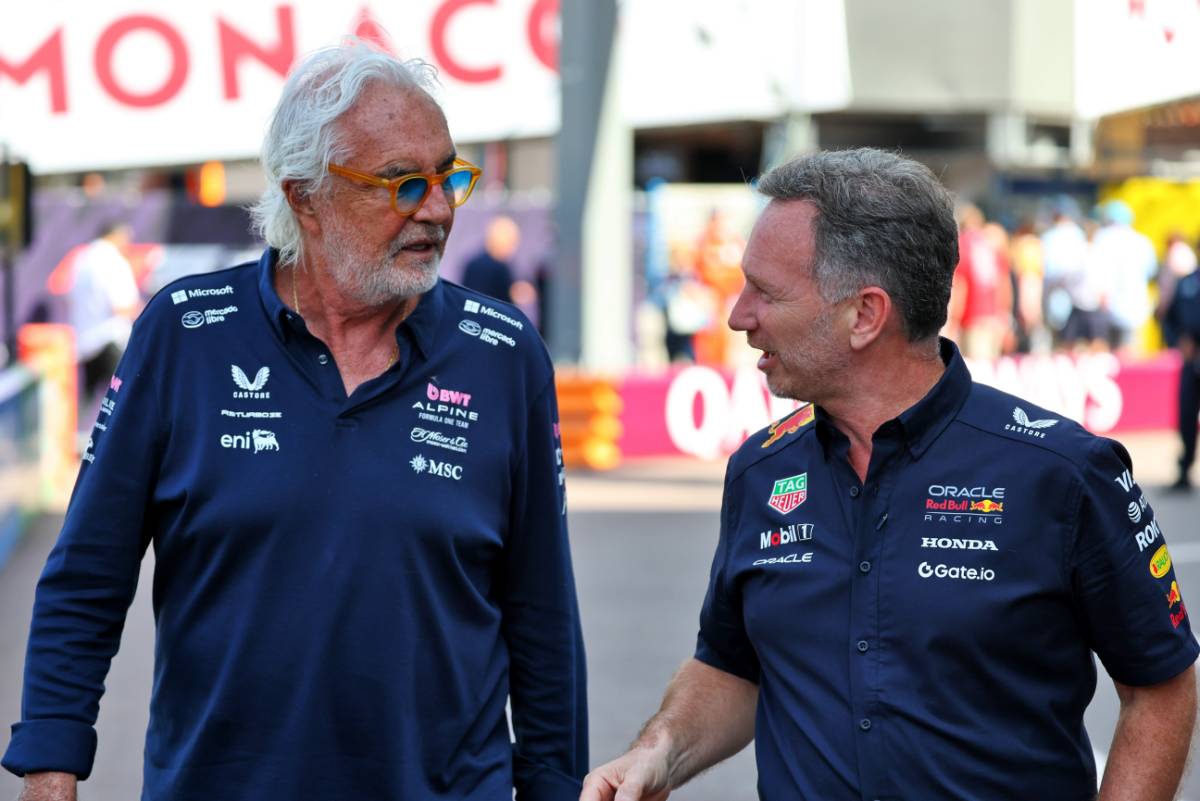
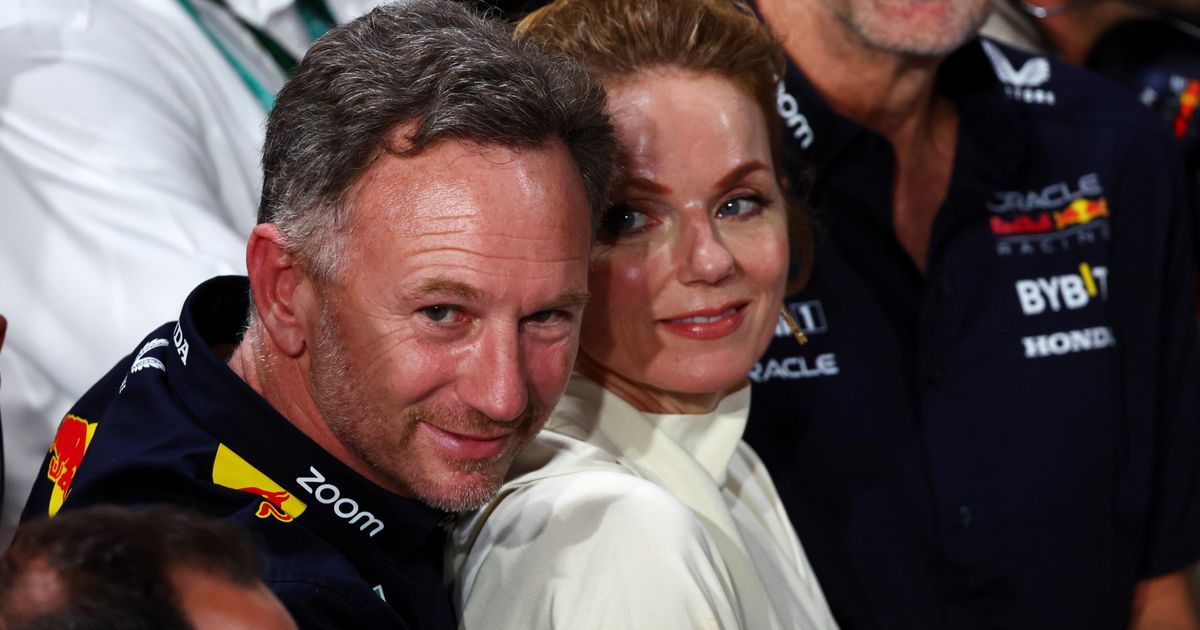
Christian Horner is reportedly interested in purchasing Otro Capital's 24% stake in the Alpine F1 team. Executive advisor Flavio Briatore confirmed discussions are underway, though any deal requires Renault's approval.
Flavio Briatore confirms Christian Horner is negotiating to buy a stake in Alpine via Otro Capital, potentially marking a dramatic return to the grid for the former Red Bull boss.
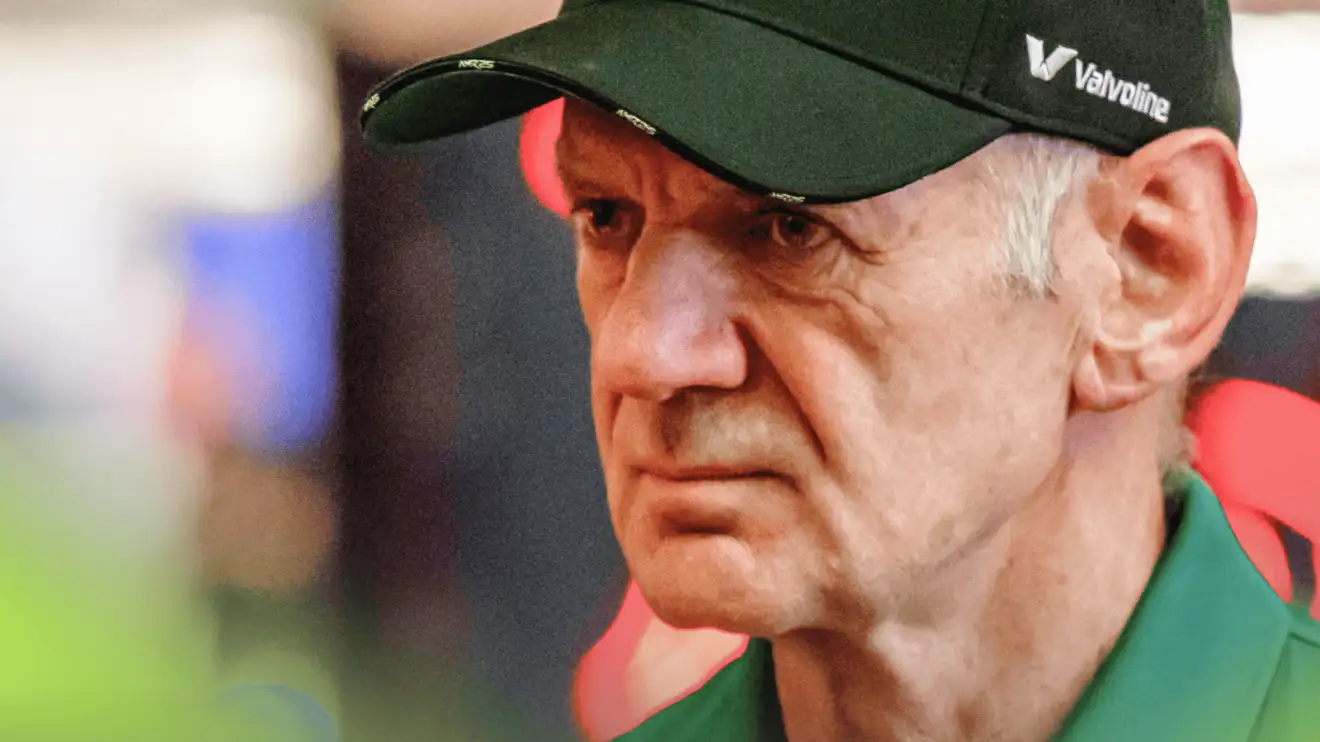
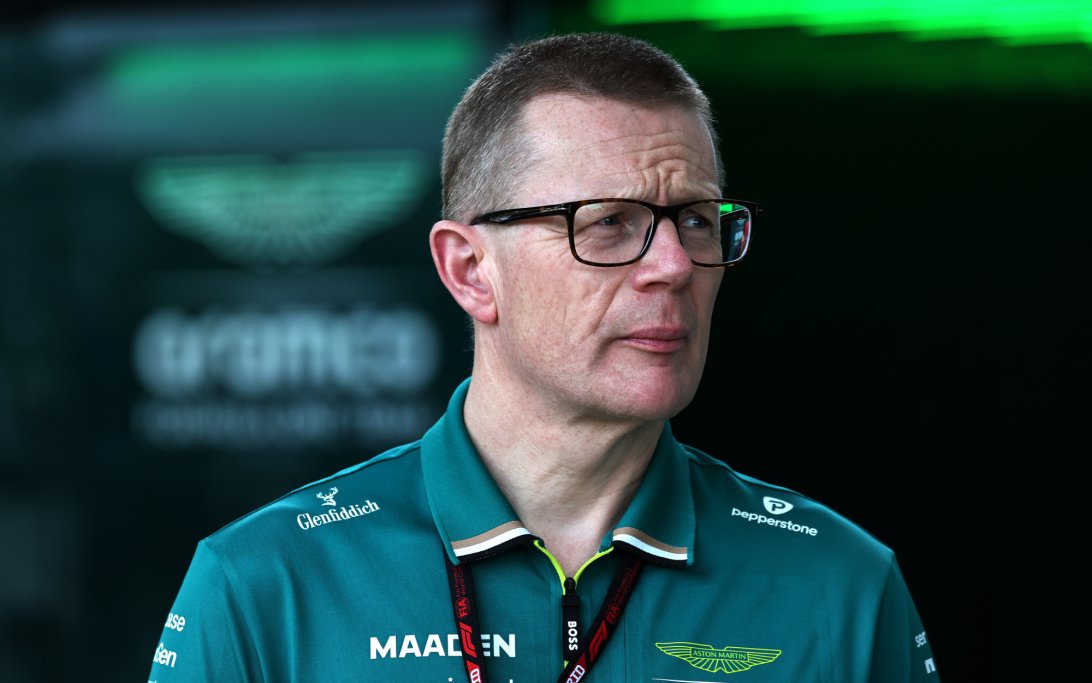
Aston Martin is expected to miss the opening day of pre-season testing in Barcelona, delaying the debut of its Adrian Newey-designed 2026 car. While Red Bull prepares to run, Aston Martin and Williams are opting to hold back, potentially skipping initial running due to weather and strategic timing.
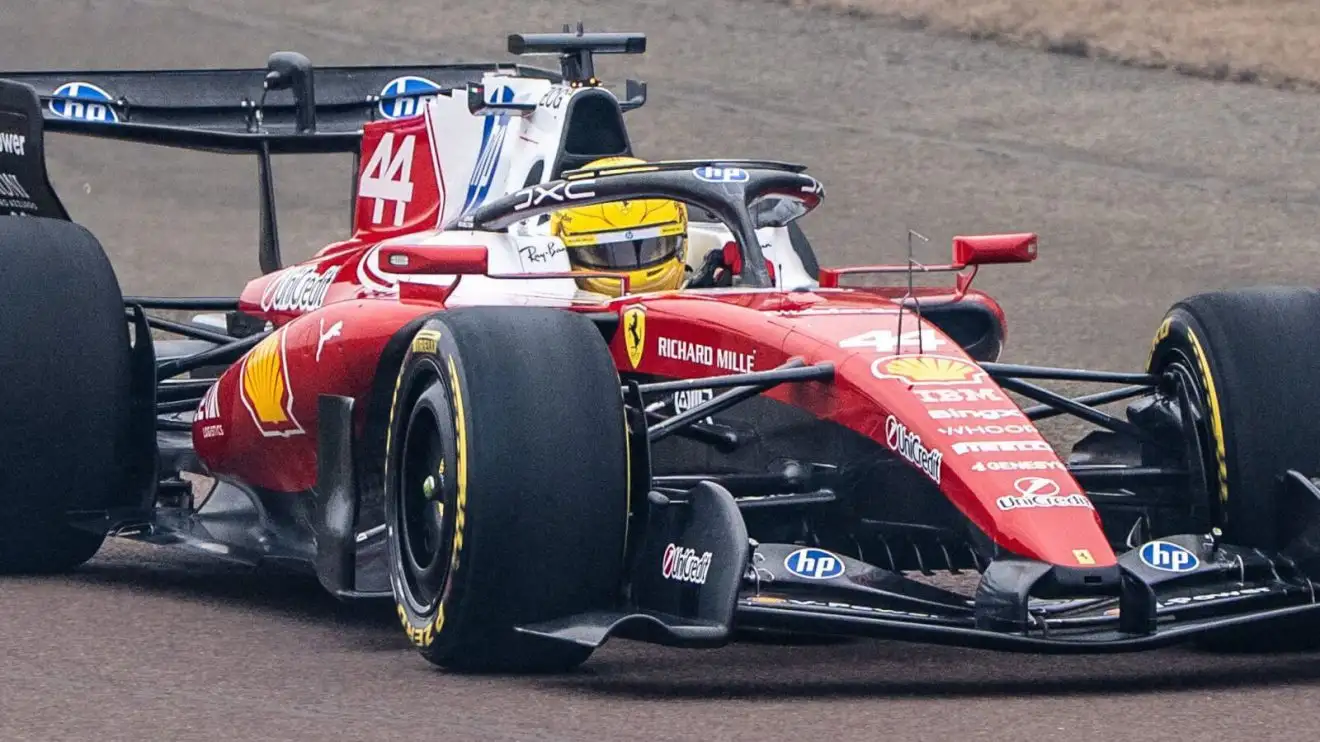
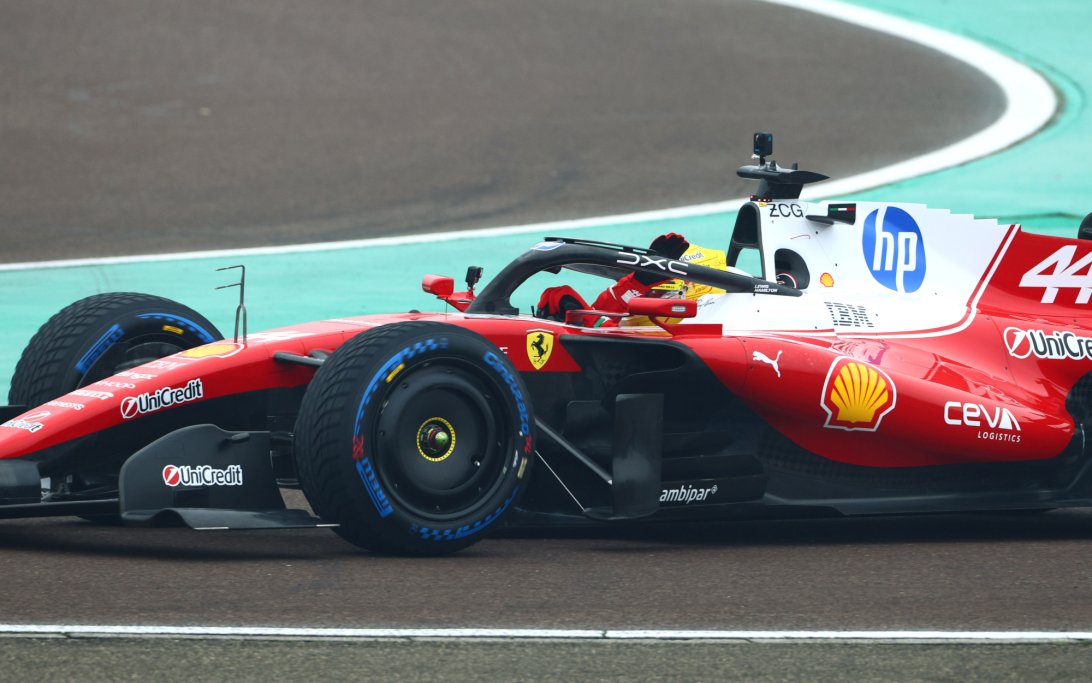
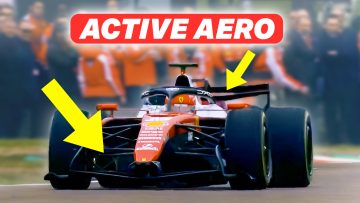
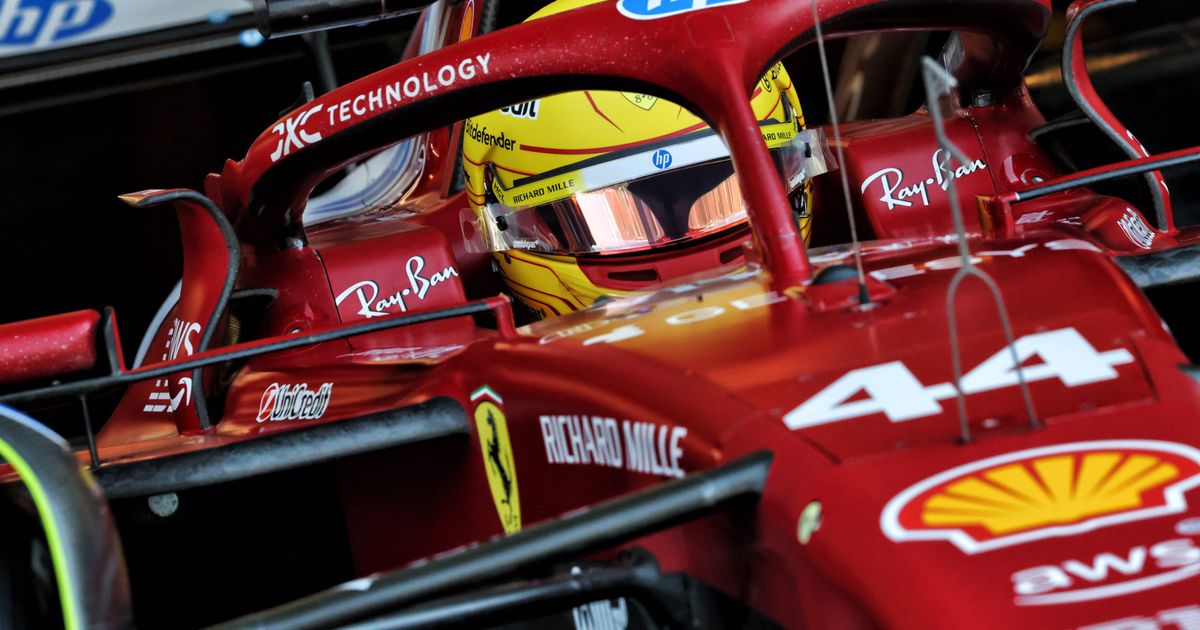
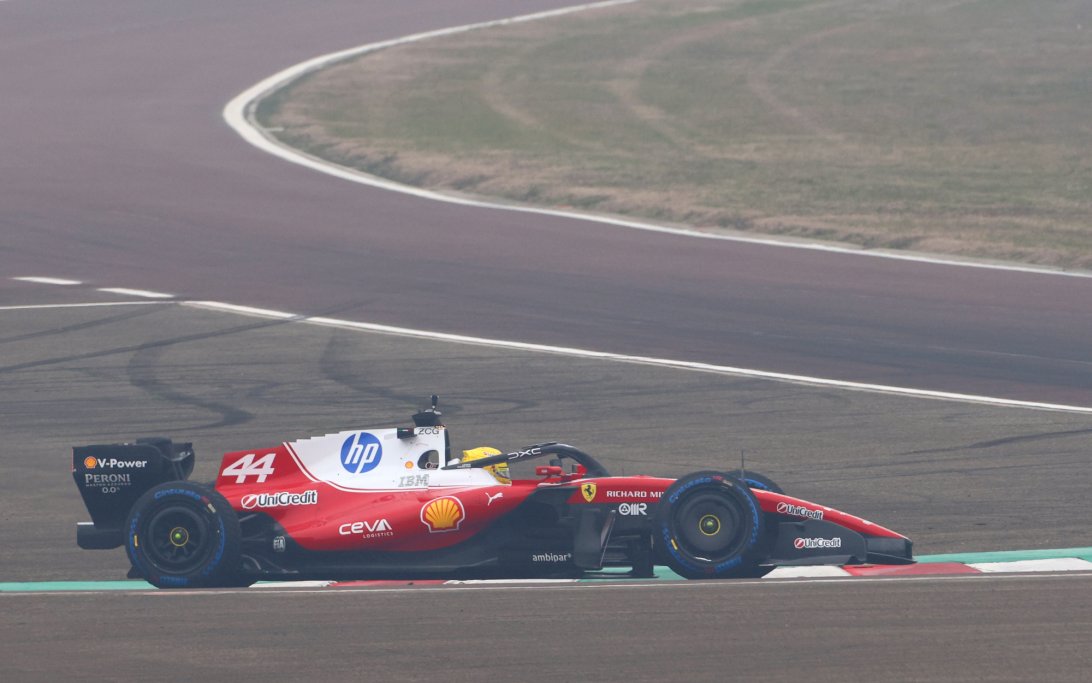
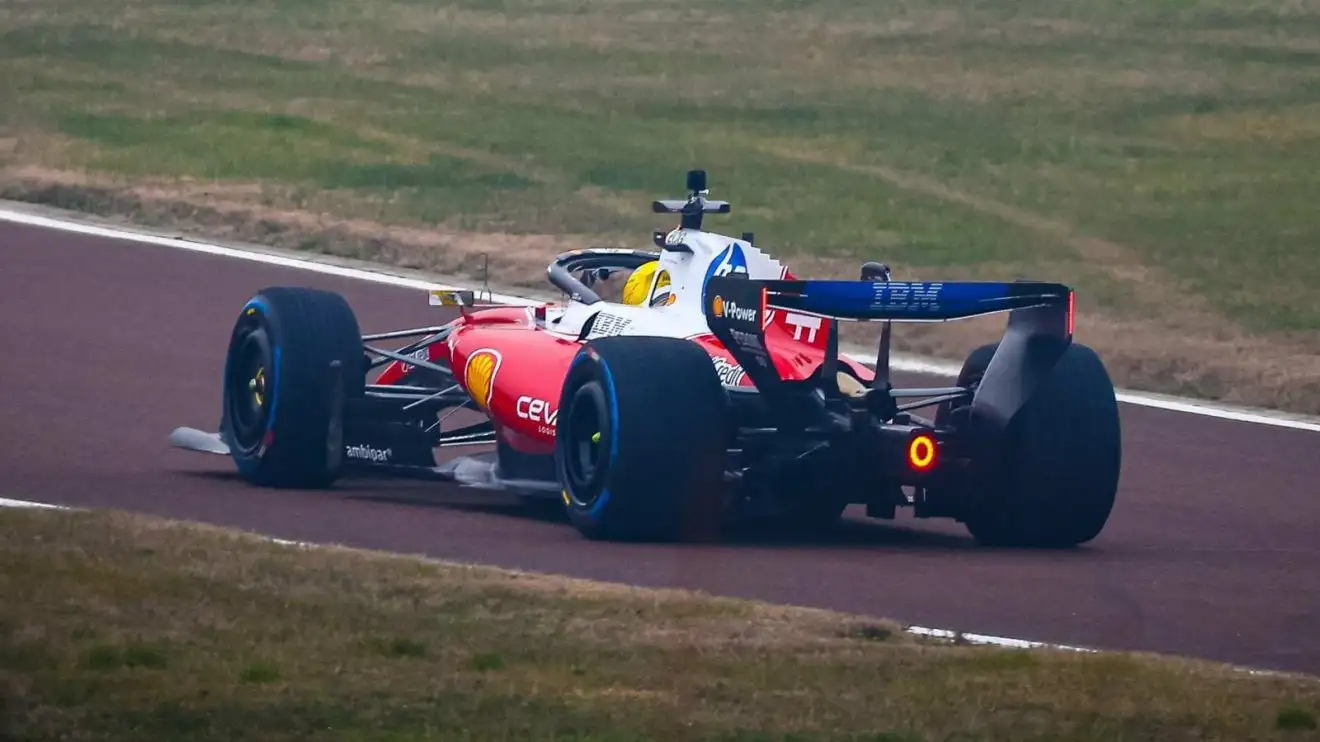
Footage of Lewis Hamilton stopping on track during Ferrari's SF-26 debut sparked concerns, but the team confirmed it was a planned maneuver to maximize mileage within regulations, not a breakdown.
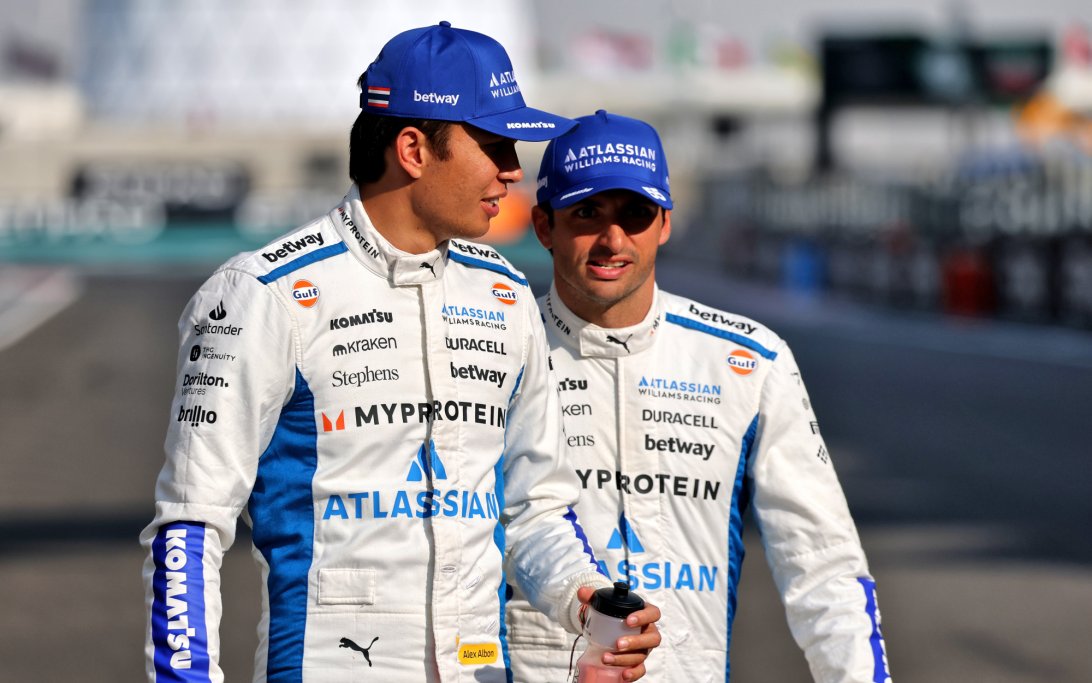
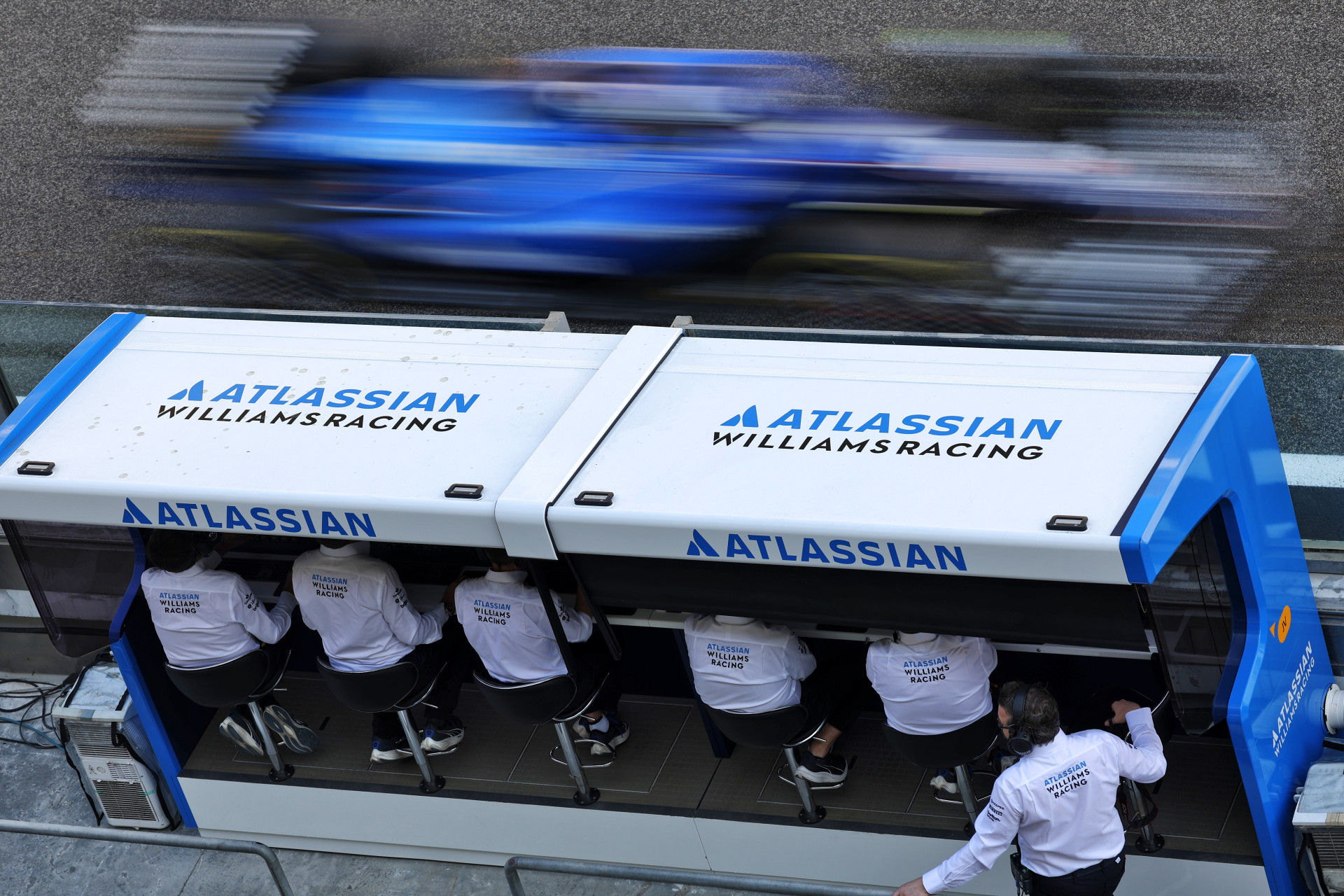
Williams skips Barcelona test due to FW48 delays and crash test failures. Sainz and Albon express optimism on social media despite the setback.
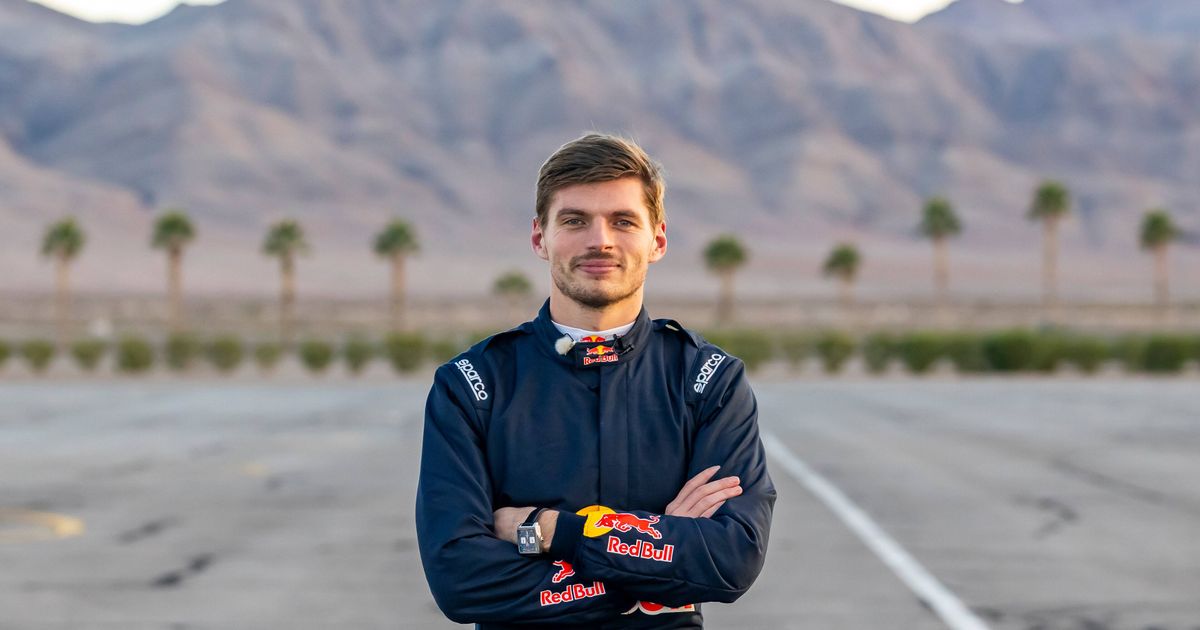
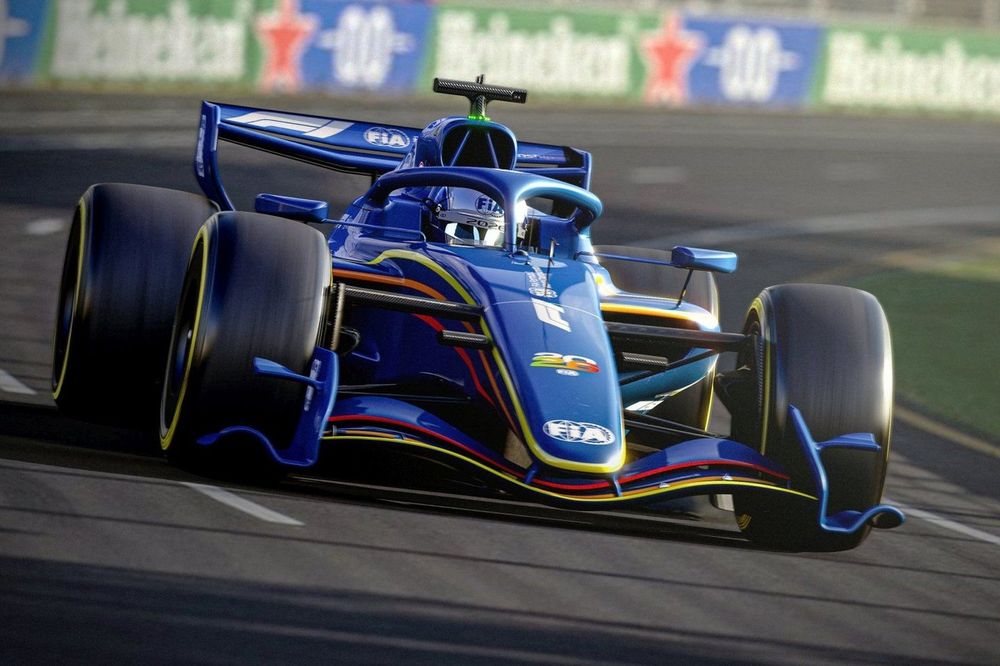
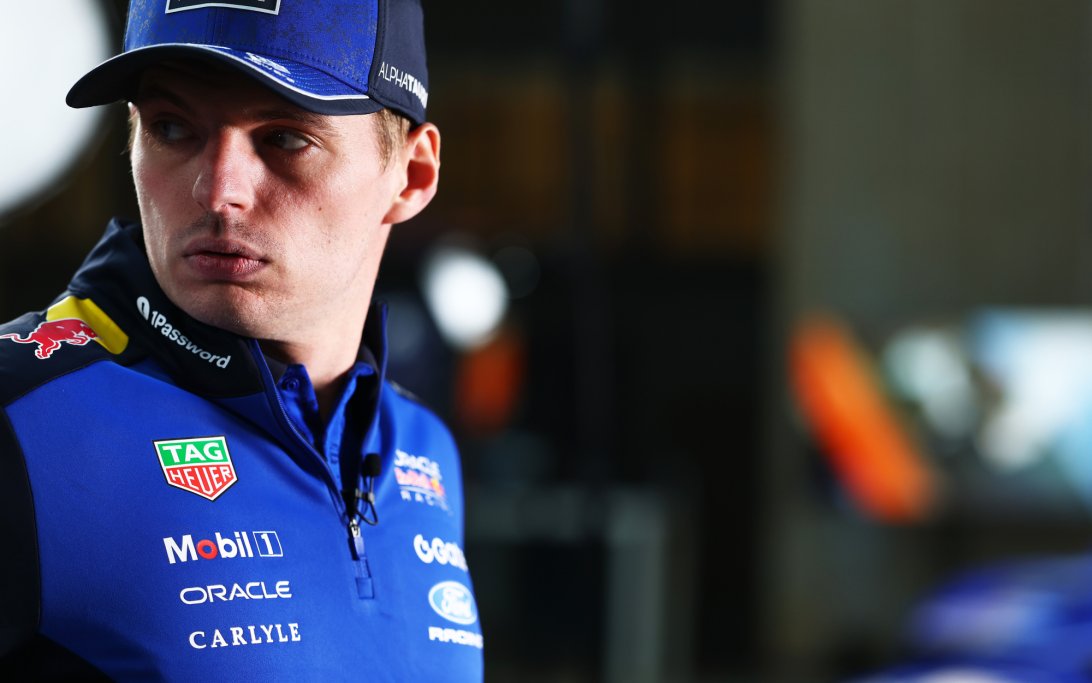
The FIA remains bullish that Max Verstappen and other F1 stars will eventually accept the radical 2026 regulations, brushing off initial simulator complaints as resistance to change.
Damon Hill believes Adrian Newey could orchestrate a Brawn GP-style surprise for Aston Martin in 2026, leveraging new regulations to challenge for titles despite recent struggles.
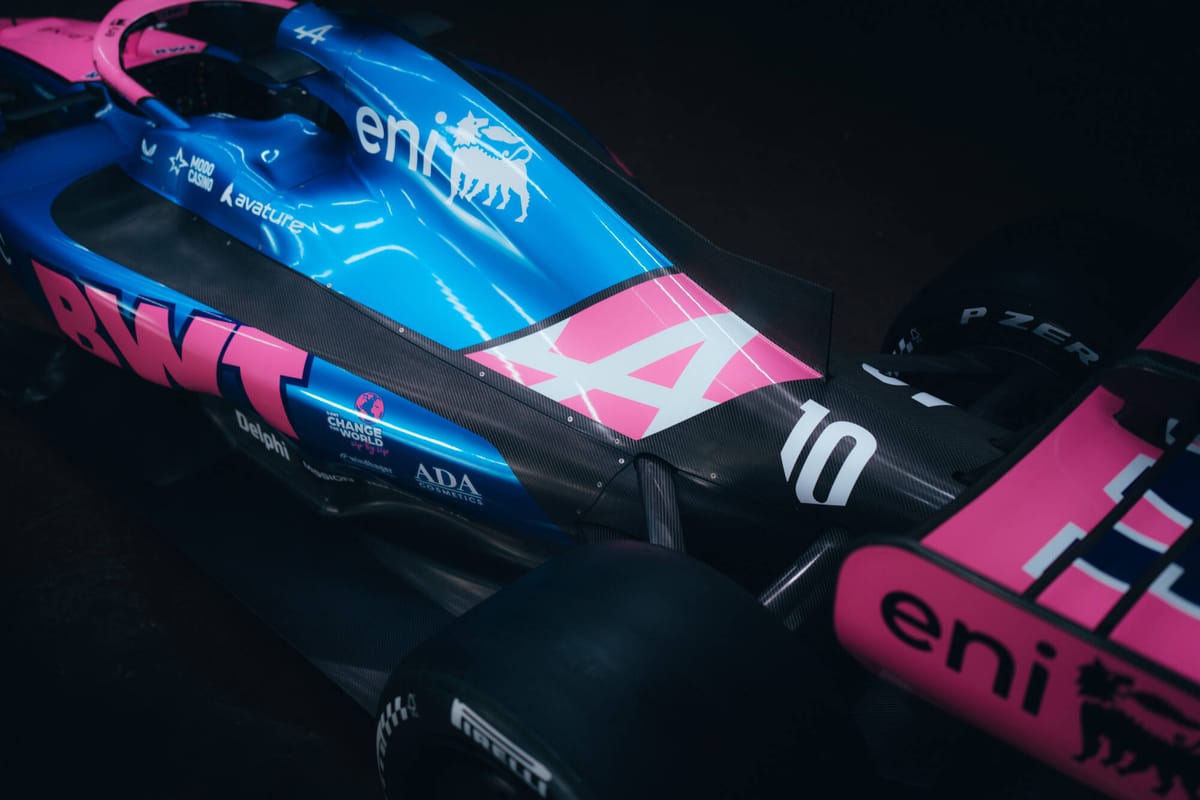
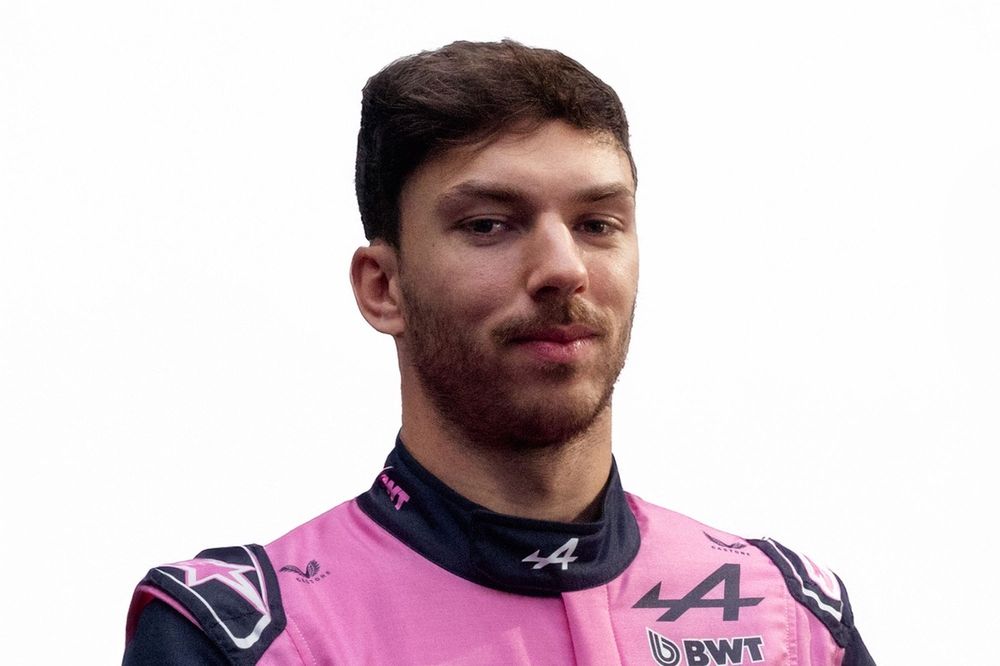
Pierre Gasly defended his Michael Schumacher-inspired ski suit post as a tribute to his idol, addressing criticism during Alpine's 2026 car launch.