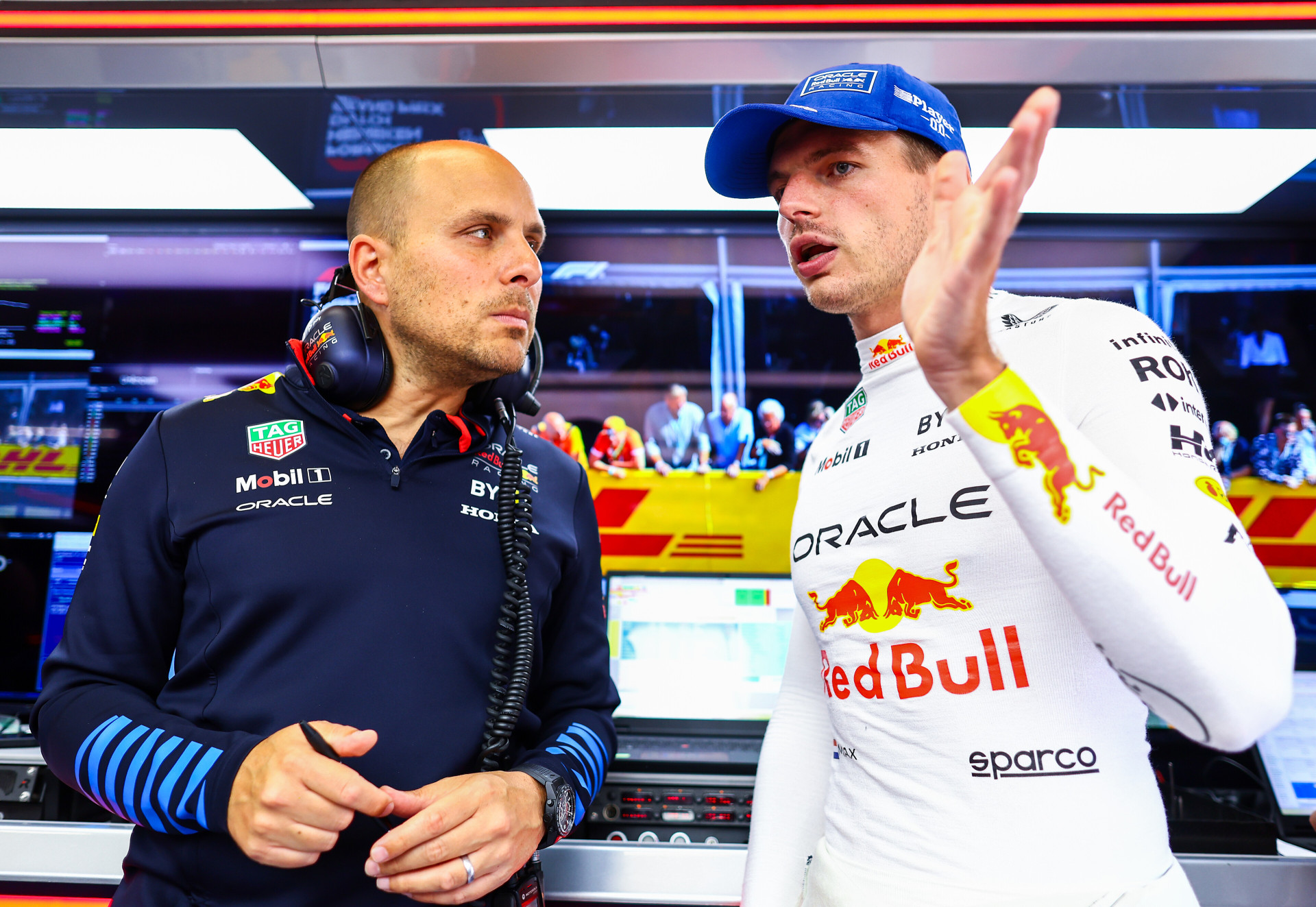
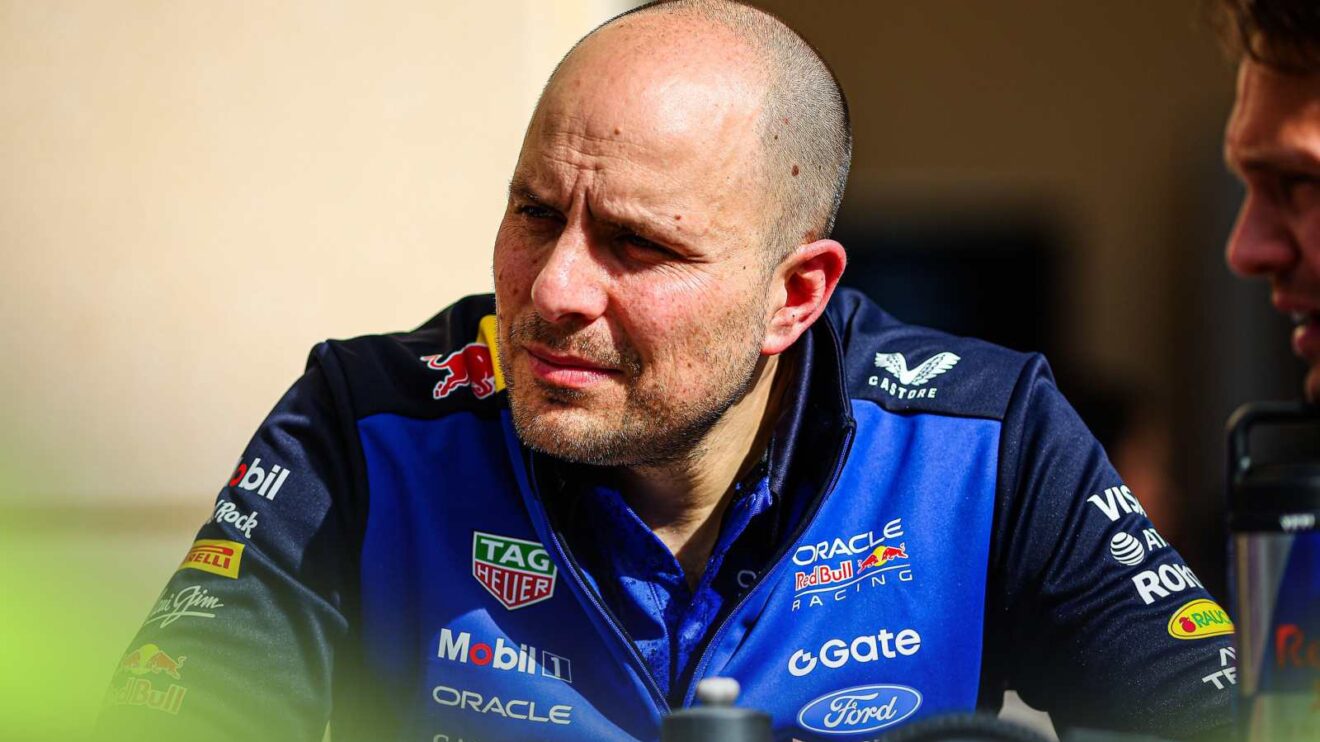
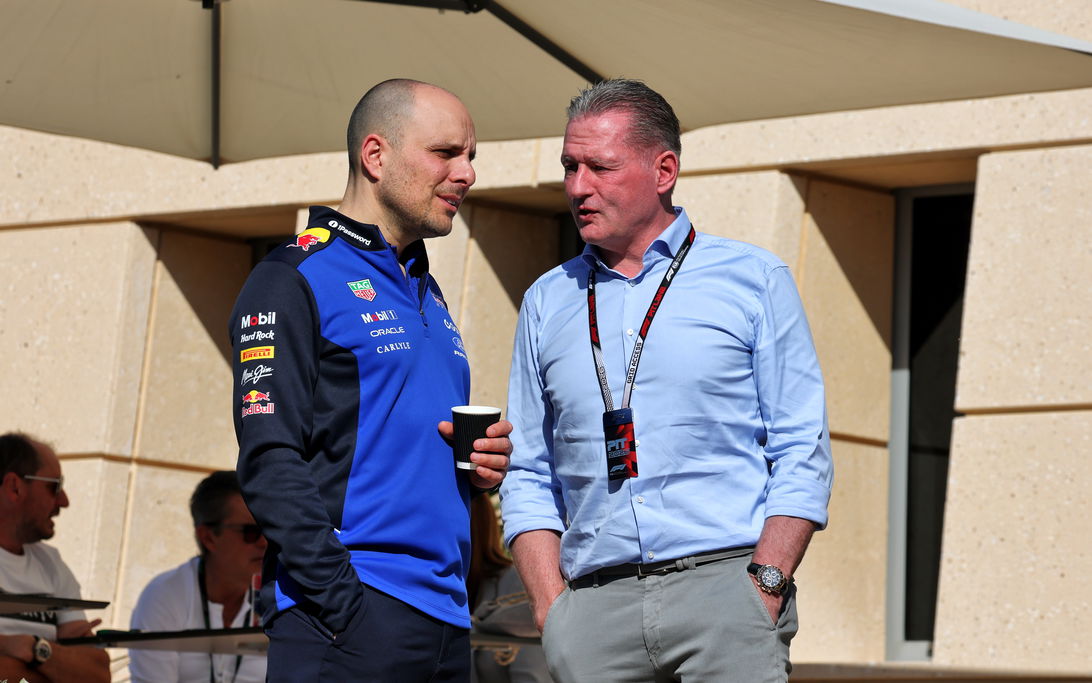
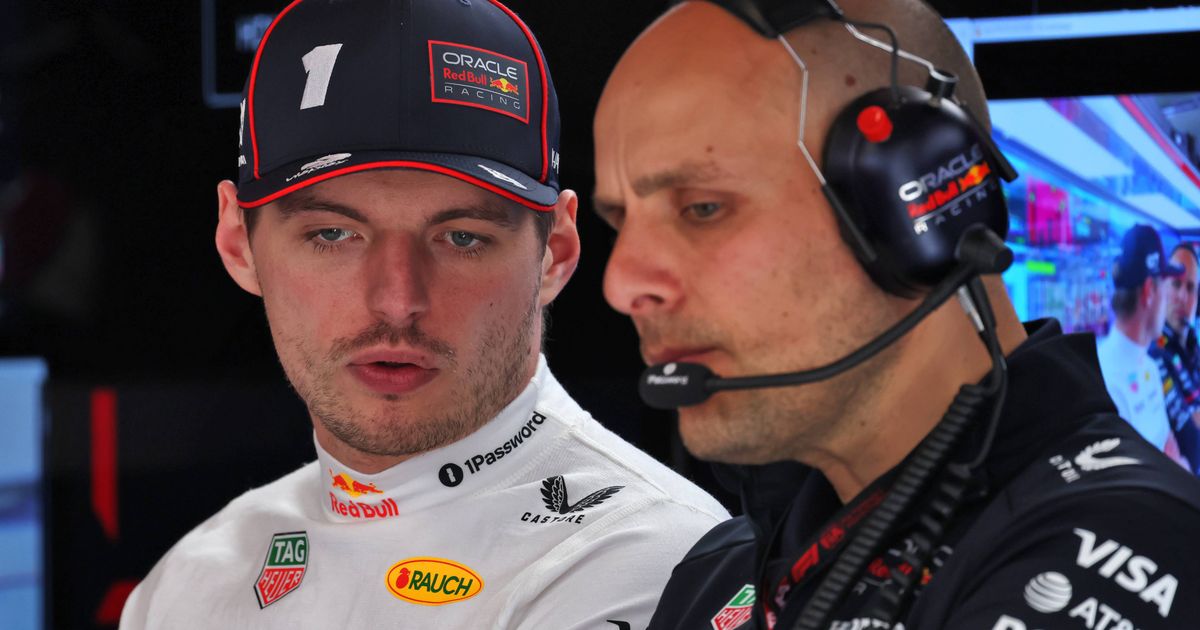
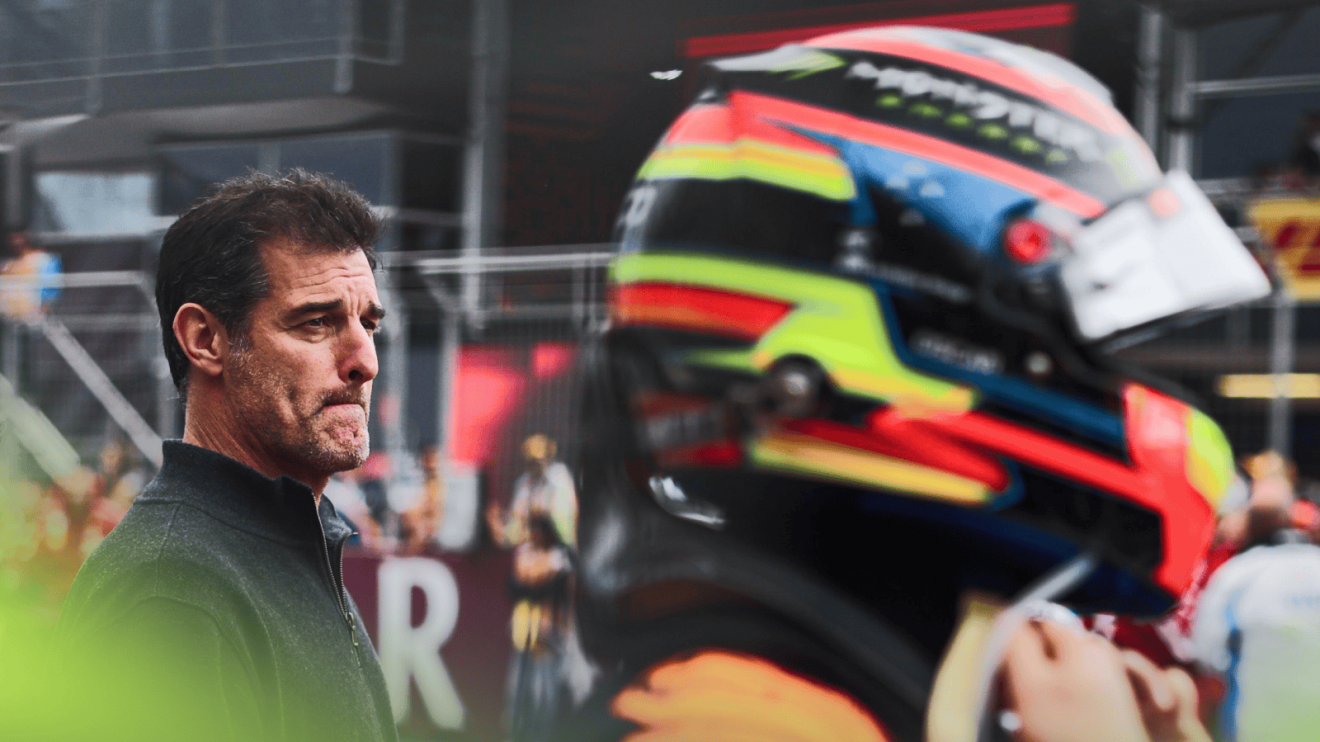
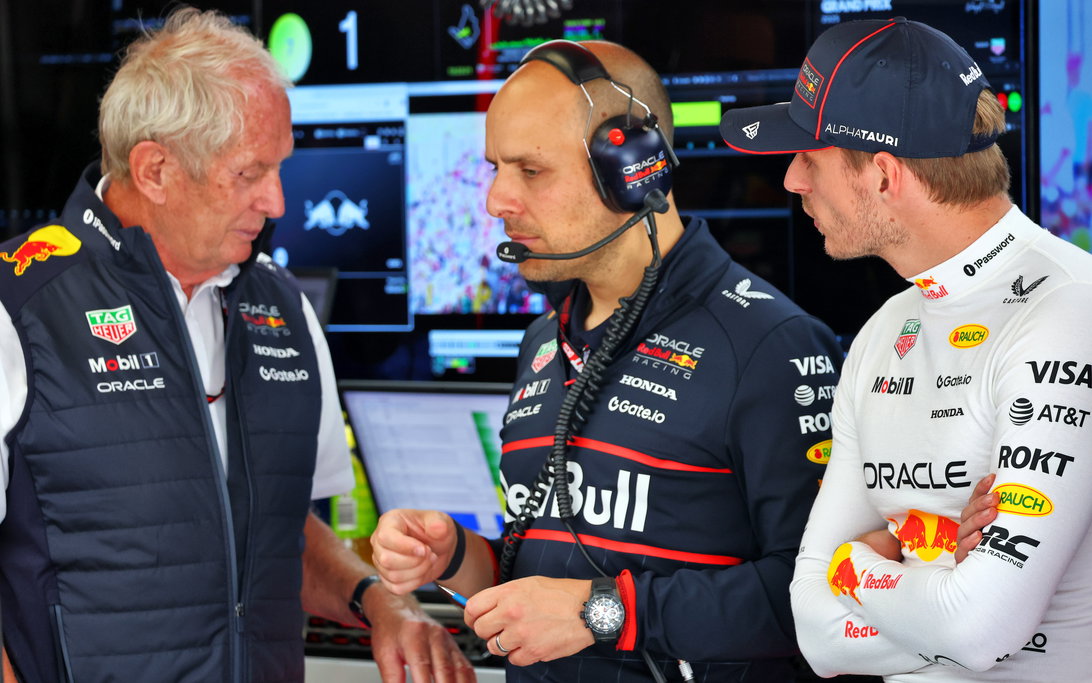
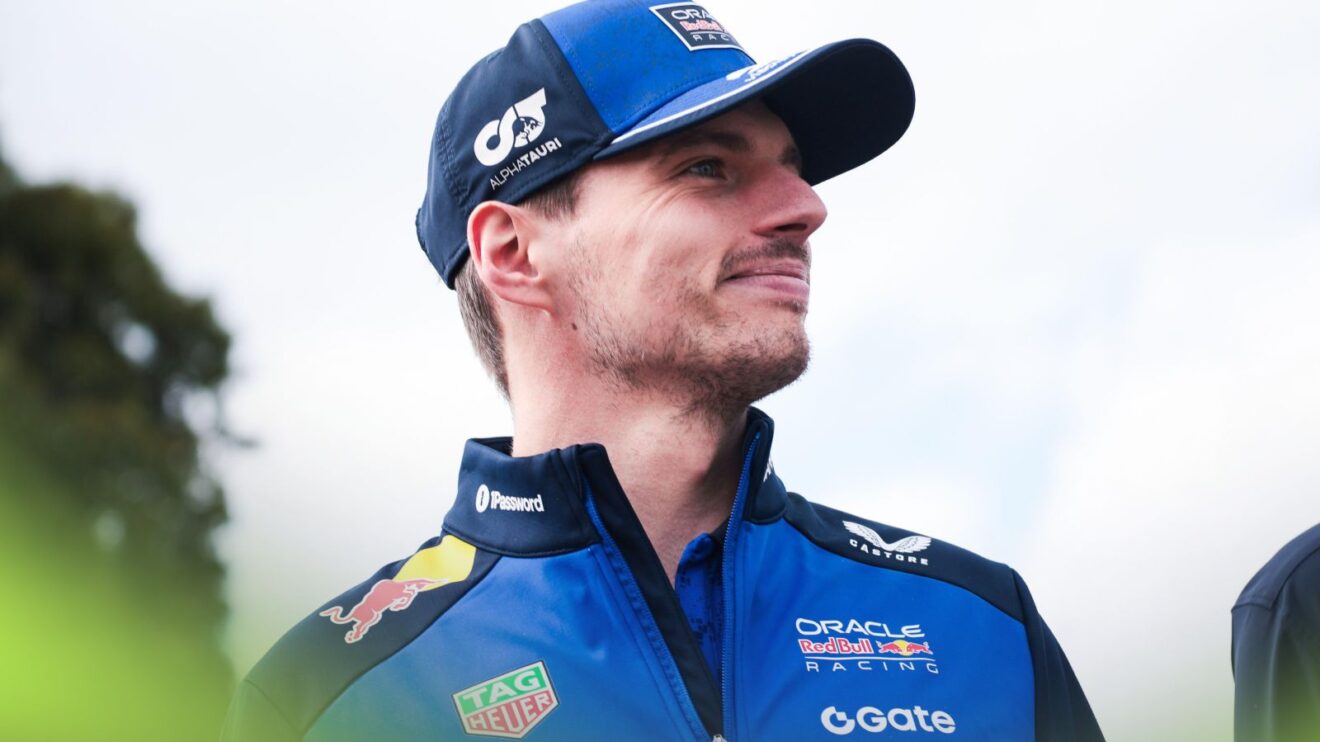
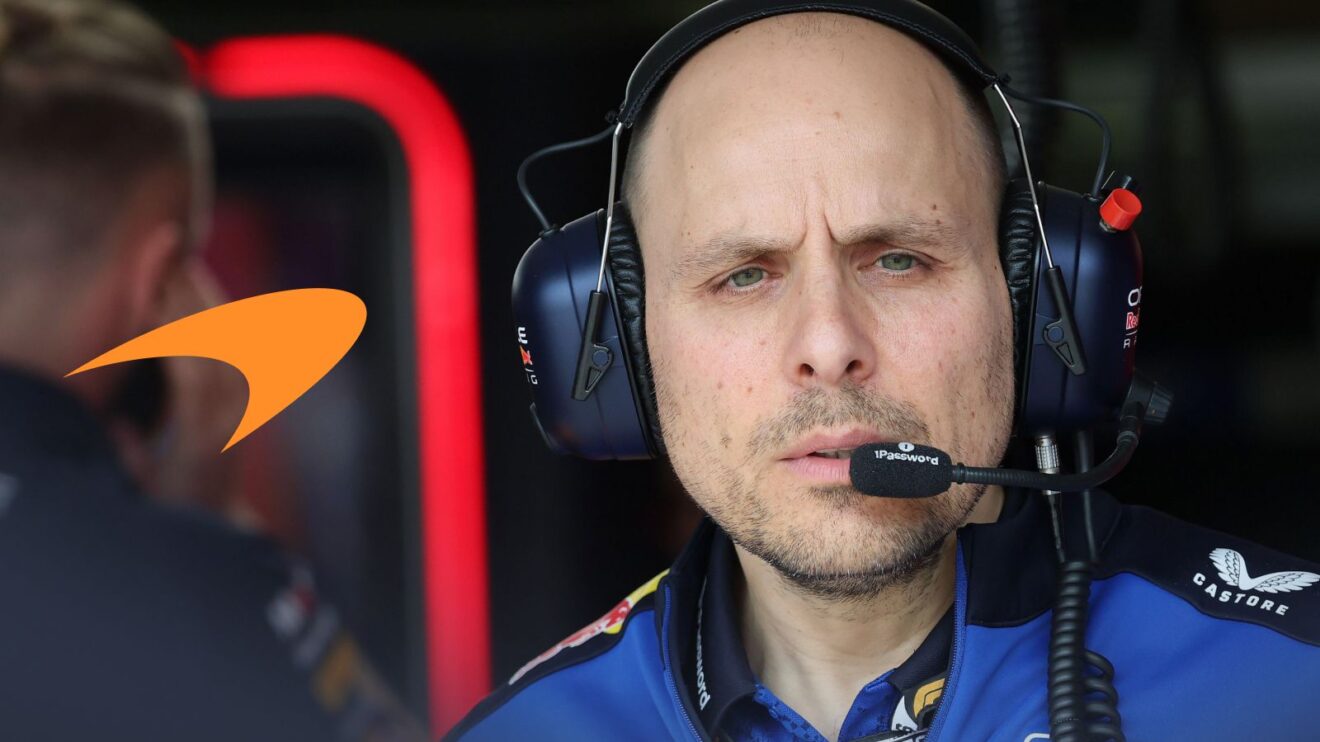
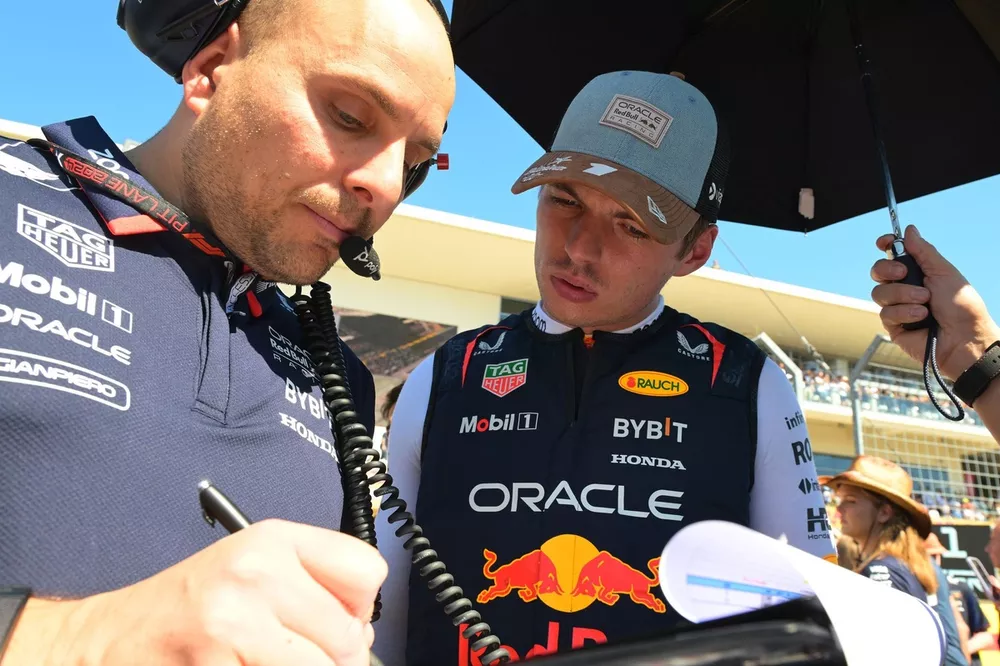
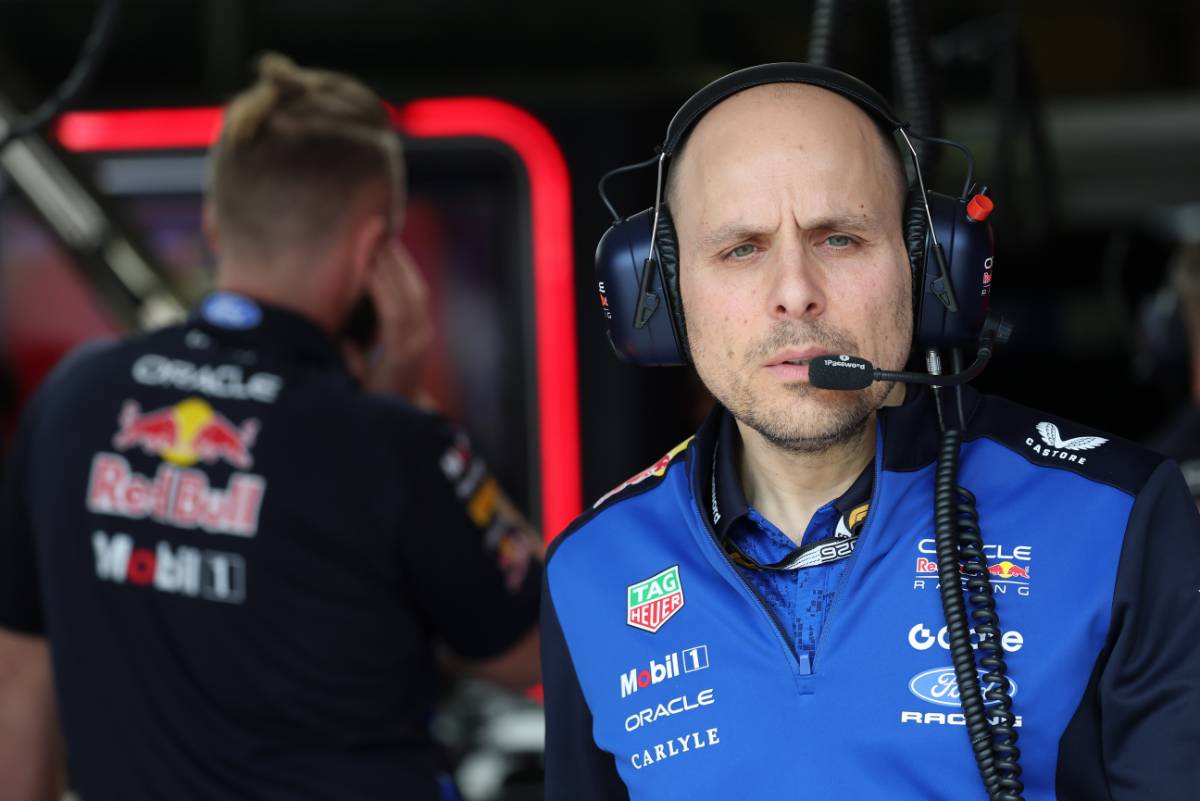
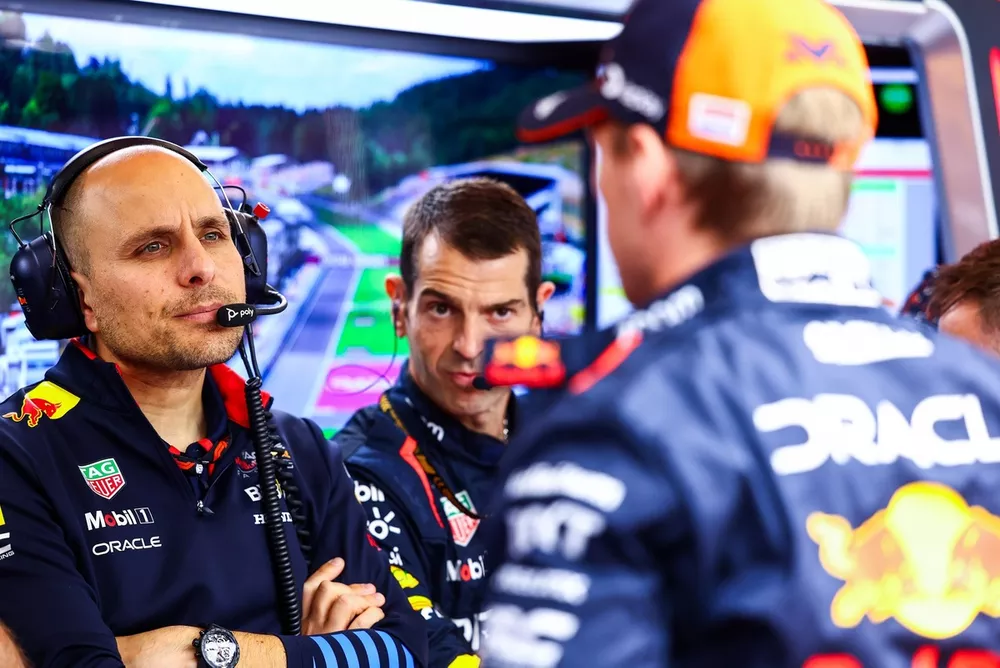
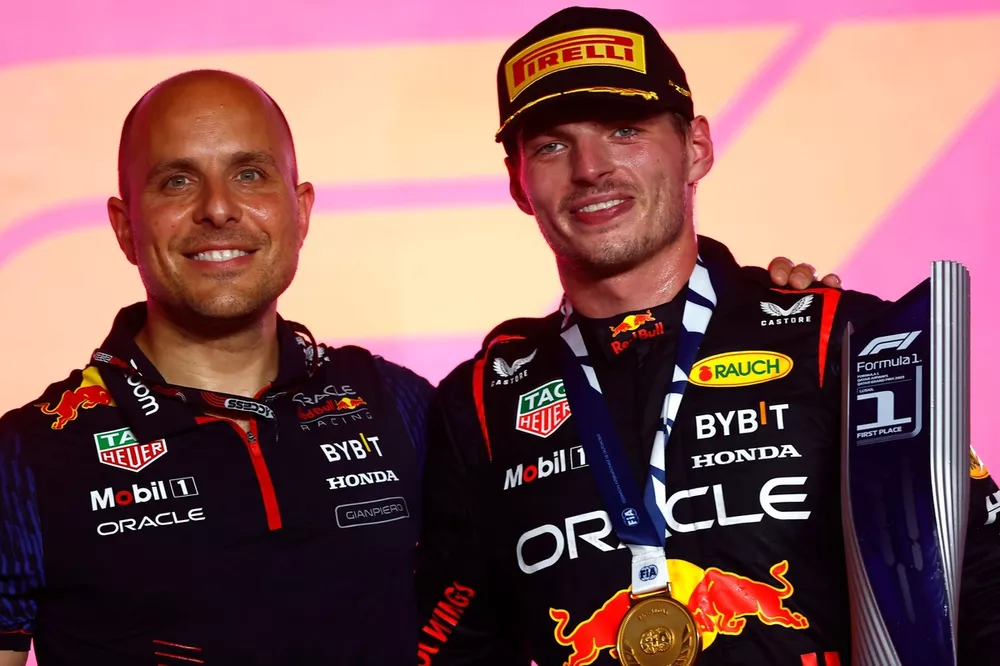
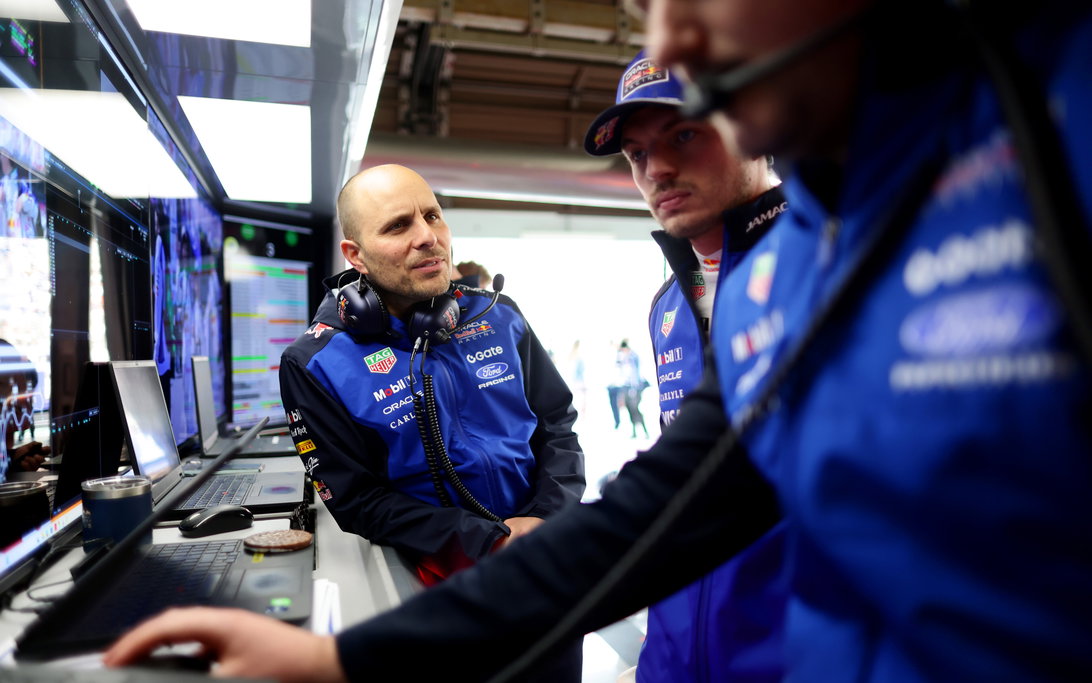
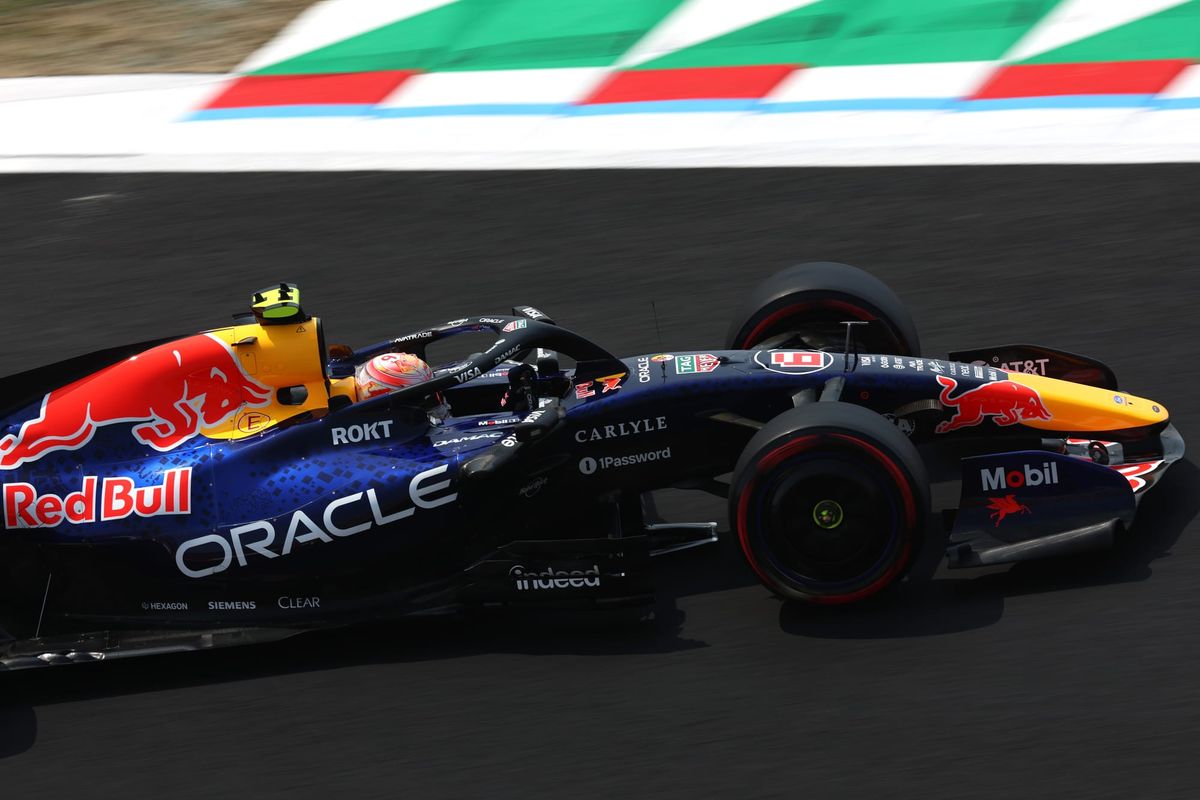
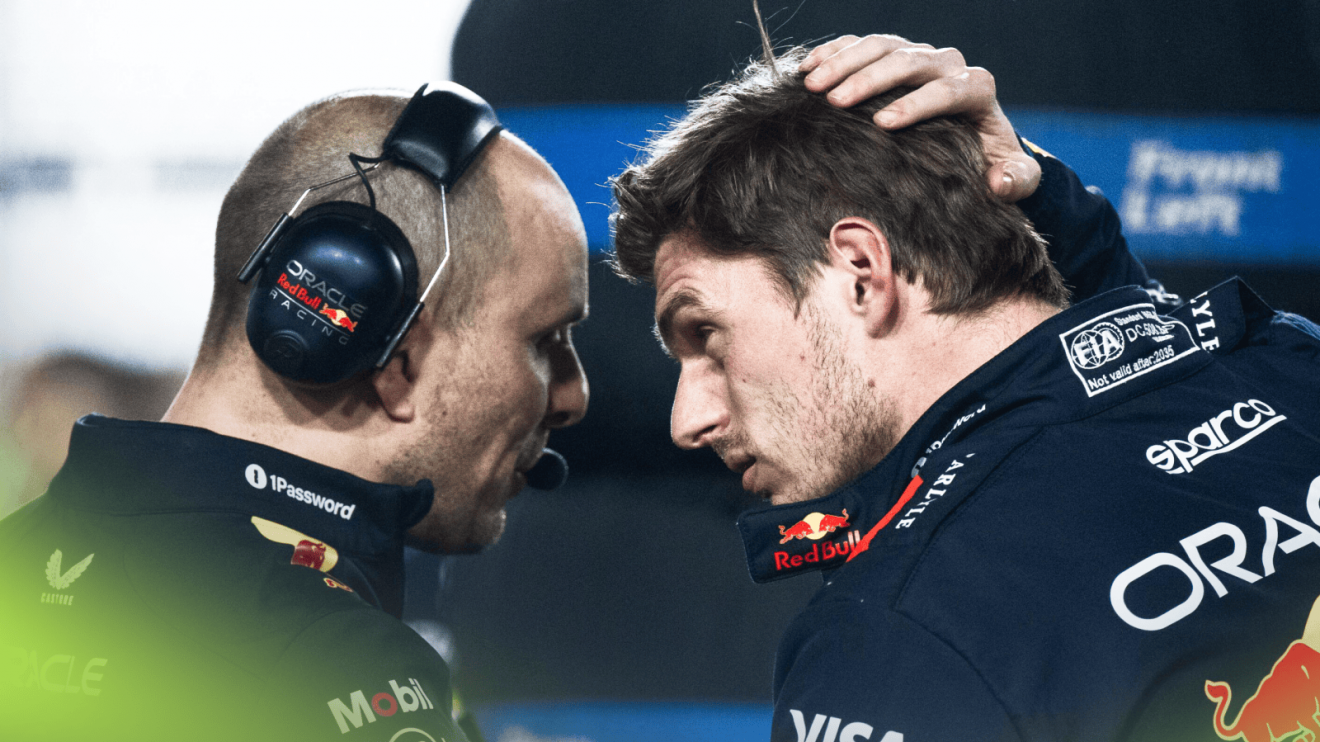
Gianpiero Lambiase, Max Verstappen's race engineer and Red Bull's Head of Racing, will leave the team in 2028 to join McLaren in the newly defined role of Chief Racing Officer. The move continues McLaren's aggressive recruitment from its rival and will see one of F1's most iconic driver-engineer partnerships come to an end after more than a decade of success.
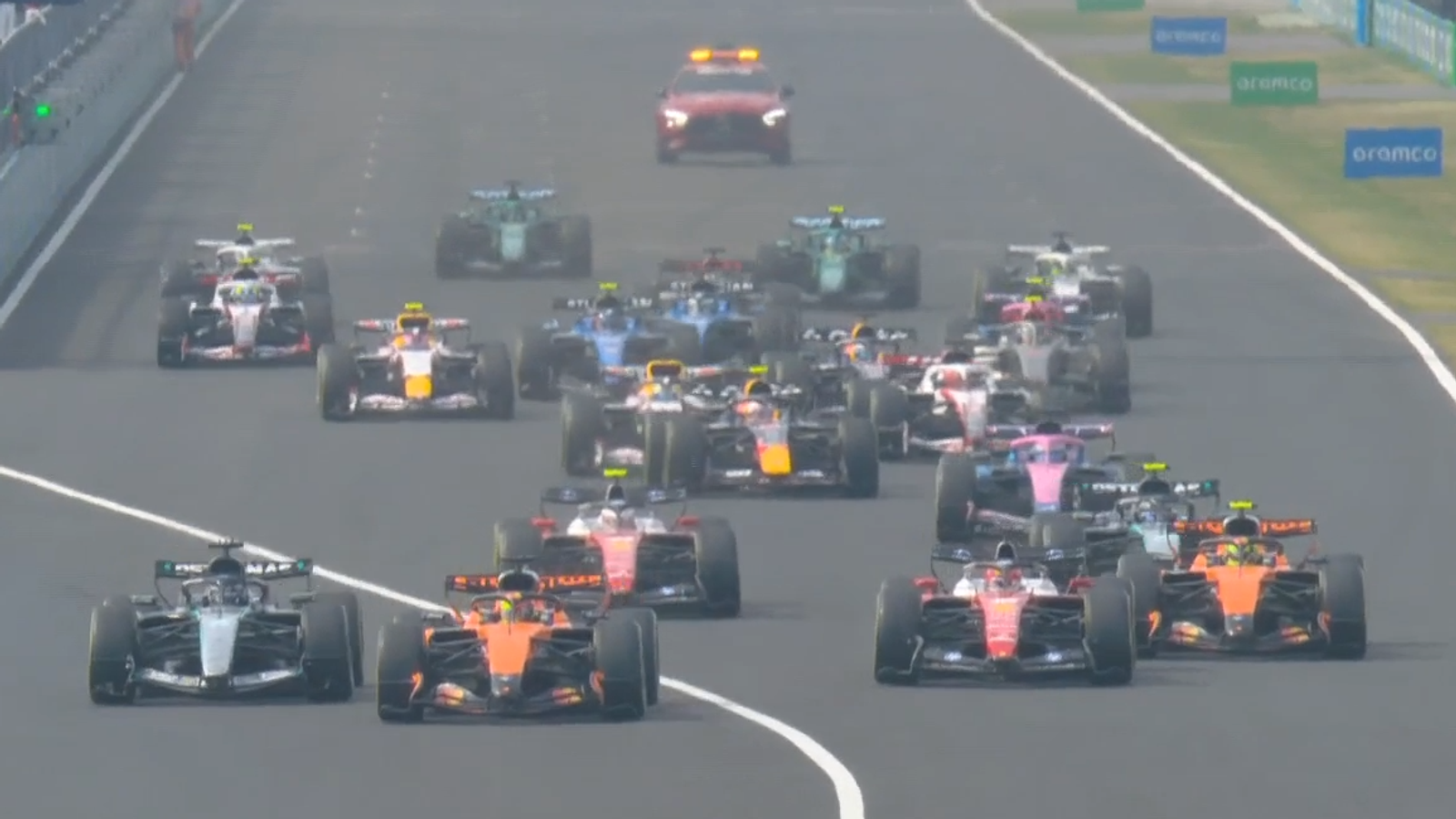
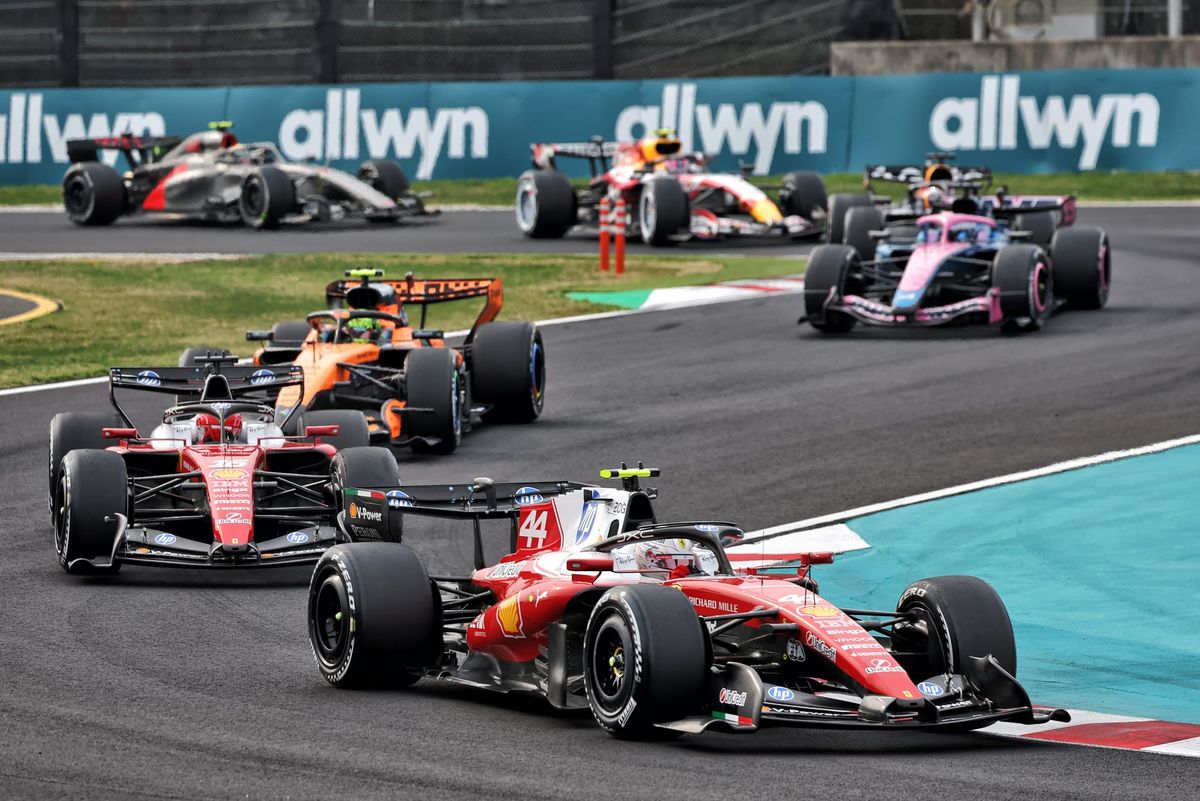
The FIA will tweak F1's energy management rules after drivers, led by Max Verstappen and Carlos Sainz, slammed the current cars as dangerous and unpredictable. Changes are targeted for the Miami GP following a crash in Suzuka that highlighted safety concerns over closing speeds.
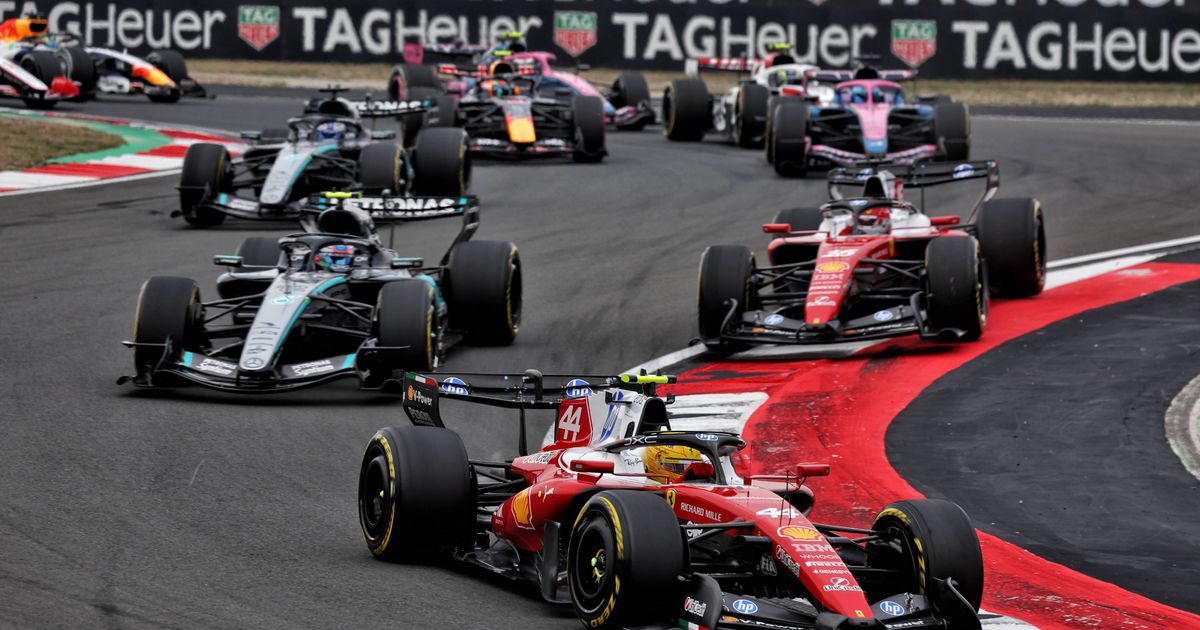
The FIA and F1 engine manufacturers have opened talks to tweak the 2026 power unit regulations, focusing on safety and energy management issues highlighted by early-season racing. The goal is to implement data-driven refinements, not a major overhaul, with a tight timeline aiming for changes by the Miami Grand Prix.
F1 teams and the FIA have agreed to tweak 2026 energy management rules after a technical summit, targeting fixes for safety and qualifying concerns. An accelerated process aims to finalize and ratify changes before the Miami Grand Prix.
F1 teams and the FIA agreed not to make major changes to racing rules but discussed key technical tweaks. The most significant talks involved potentially moving the first in-season engine performance evaluation earlier, which could allow rival manufacturers to upgrade sooner and challenge Mercedes' advantage.
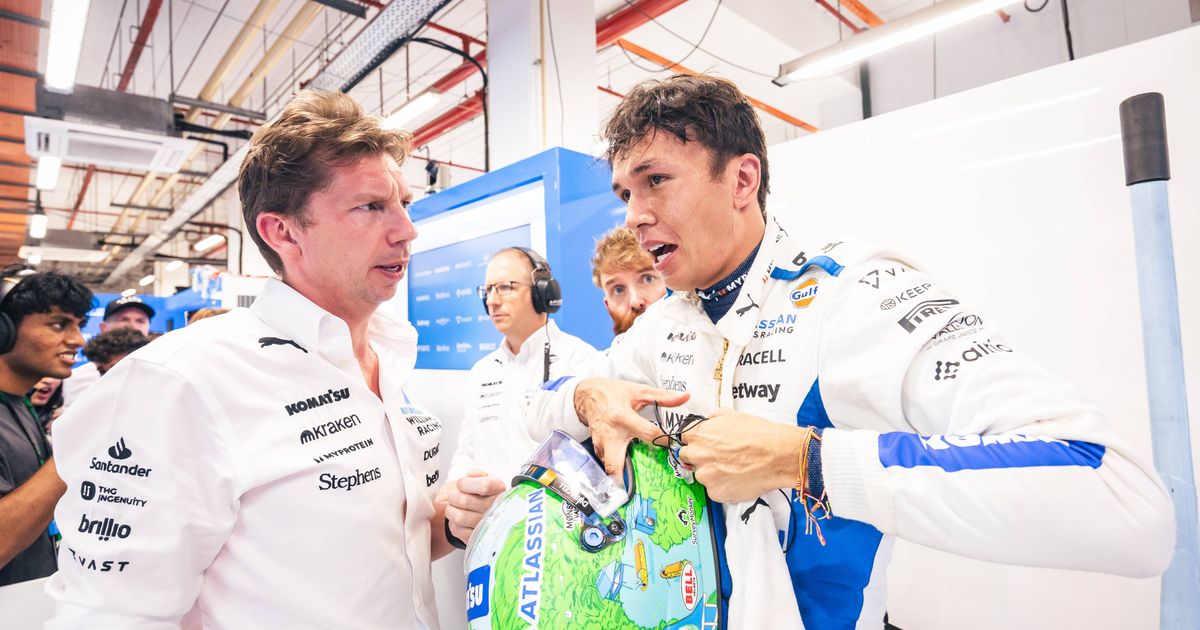
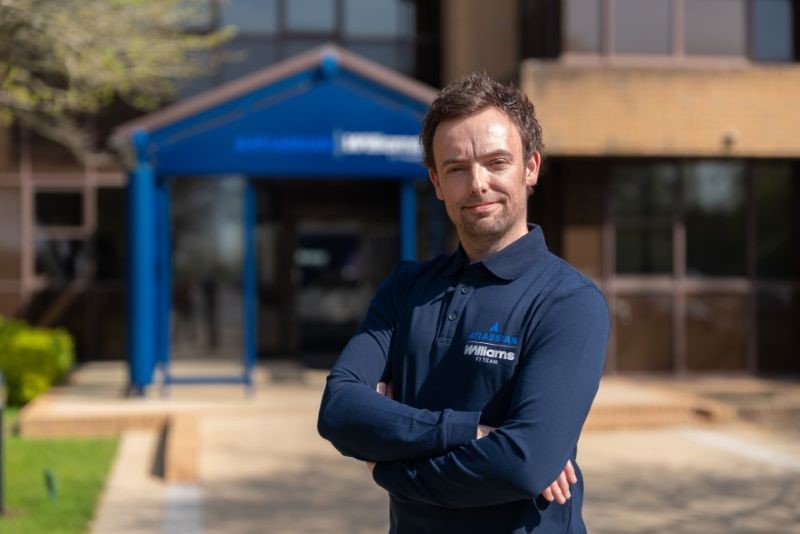
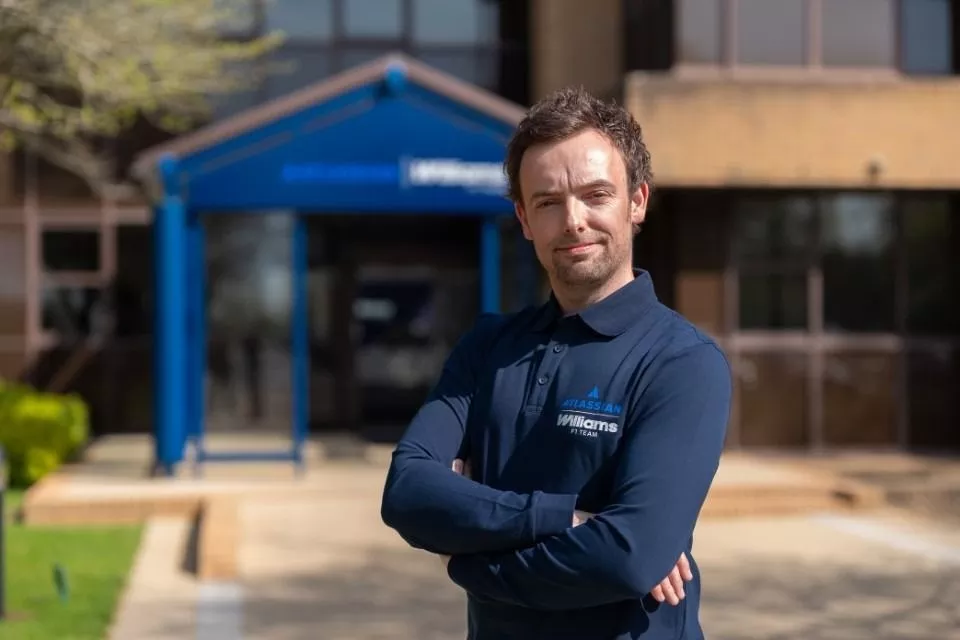
Williams F1 Team has appointed Dan Milner, a key engineer from Mercedes' championship-winning era, as Chief Engineer of Vehicle Technology. This strategic hire aims to accelerate the team's technical development and reverse its difficult start under the 2026 regulations by injecting proven expertise into its rebuilding project.
The Race's analytical video series 'Driving Style Secrets' returns for a third season, with experts Edd Straw and Mark Hughes breaking down the distinctive techniques of top F1 drivers from the modern era. The series goes deeper than results to explore the specific skills that define a champion's craft behind the wheel.
McLaren has strategically hired Red Bull's highly-rated trackside engineer Gianpiero Lambiase as Chief Racing Officer, starting in 2028. The move strengthens McLaren's leadership team around Andrea Stella while dealing another blow to a Red Bull squad losing key personnel, with potential long-term implications for Max Verstappen's future.
GianPiero Lambiase, Max Verstappen's celebrated race engineer, will leave Red Bull in 2028 to join McLaren as Chief Racing Officer. The confirmed move marks a major coup for McLaren in its talent war and sets the stage for negotiations over when Lambiase can actually start influencing his new team.
McLaren has officially announced the hiring of Red Bull's Gianpiero Lambiase as its new chief racing officer, a role that will give him full command of the race team when he joins by 2028. The move continues McLaren's strategy of recruiting top talent from its rivals to build a championship-winning structure.
A wheel gun failure during Nico Hulkenberg's pit stop at the Chinese Grand Prix likely cost the Audi driver a €200,000 performance bonus tied to points scored. The incident, which dropped him from a points-paying position, compounds a difficult start to the 2026 season for the veteran driver.
Max Verstappen's race engineer, Gianpiero Lambiase, is set to leave Red Bull for McLaren in 2028, fulfilling his own 2023 hint that he would seek a new challenge once his partnership with the champion ended. This planned exit directly coincides with Verstappen's contract expiry and amplifies existing questions about the driver's long-term future amid his criticism of modern F1.