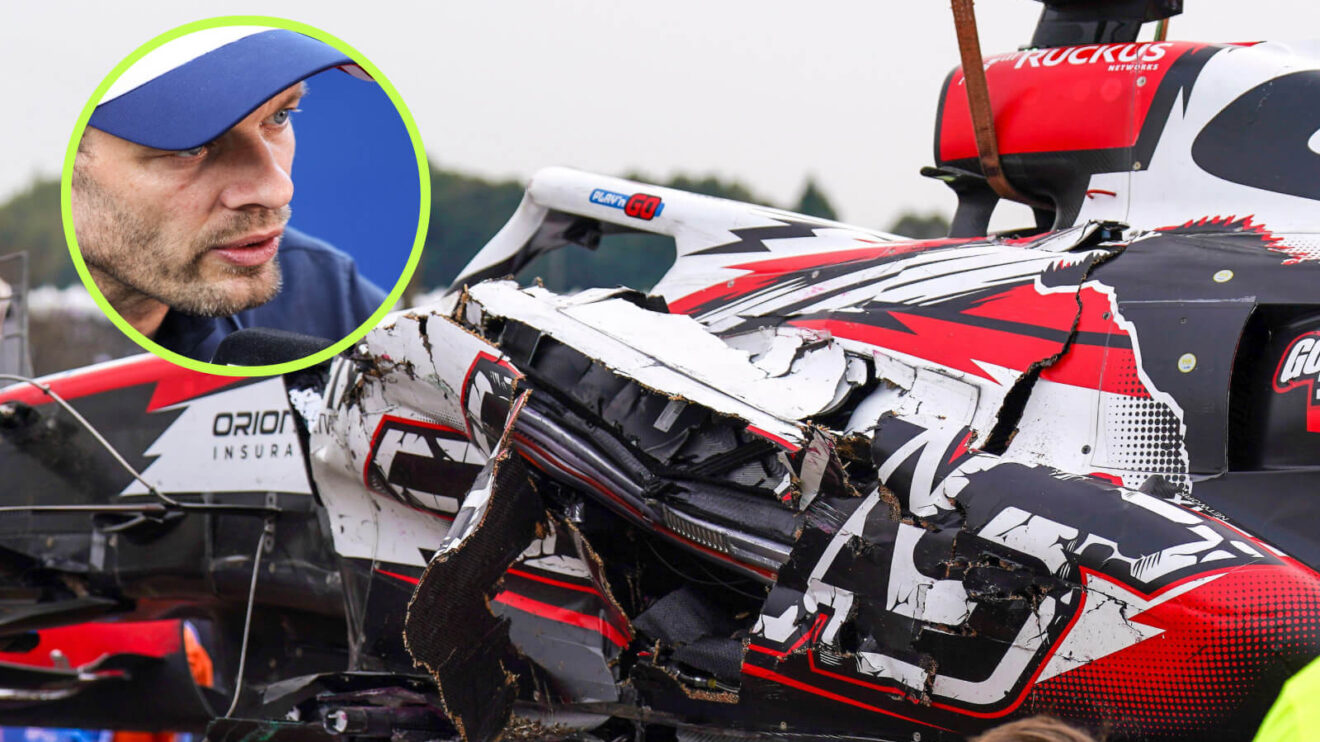
Williams F1 has hired Dan Milner, a 20-year Mercedes veteran, as its Chief Engineer for Vehicle Technology. Milner, who was part of Brawn GP's 2009 title win and Mercedes' dominant era, will play a central role in Williams' technical recovery plan, bringing championship-winning experience to help turn innovation into on-track performance.
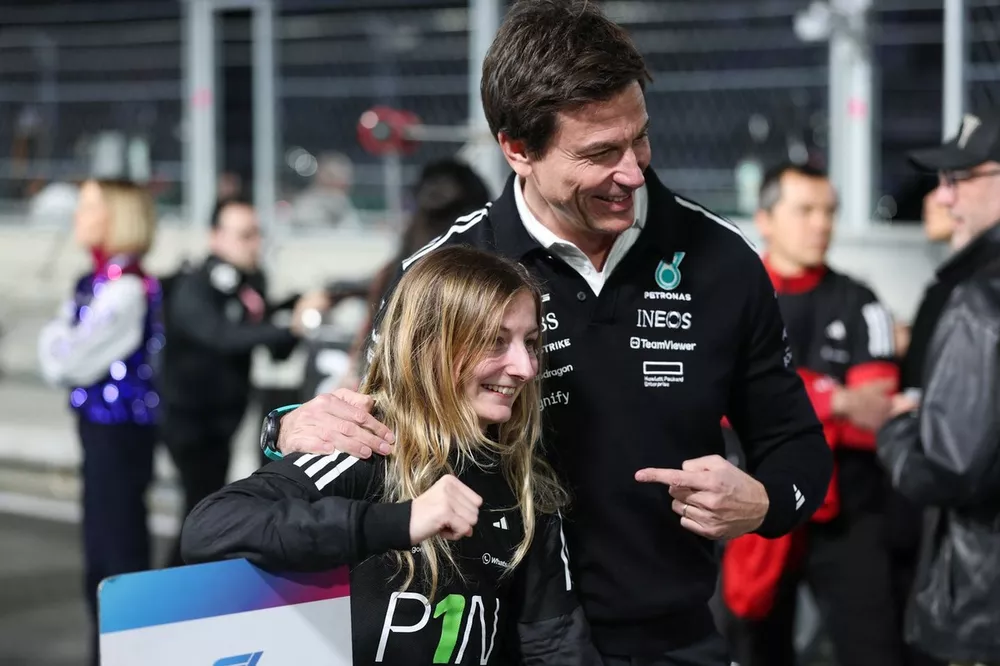
2025 F1 Academy champion Doriane Pin has confirmed Mercedes plans to give her a private Formula 1 test after excelling in simulator work as a development driver, marking a key step in her goal to reach F1 and a notable moment for female drivers in the sport.
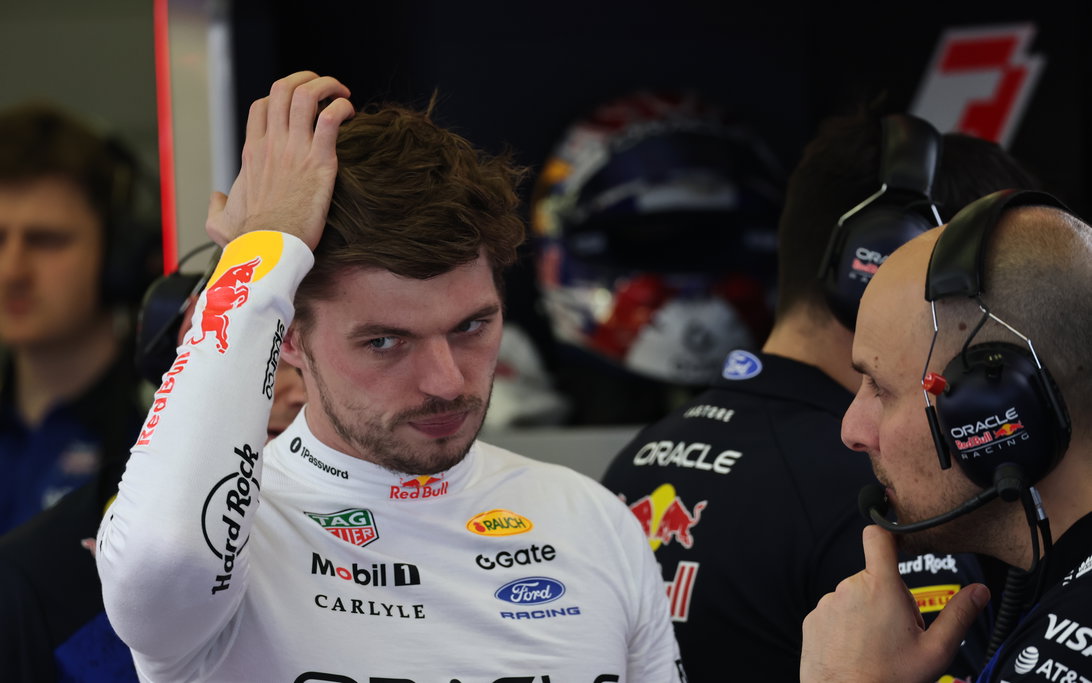
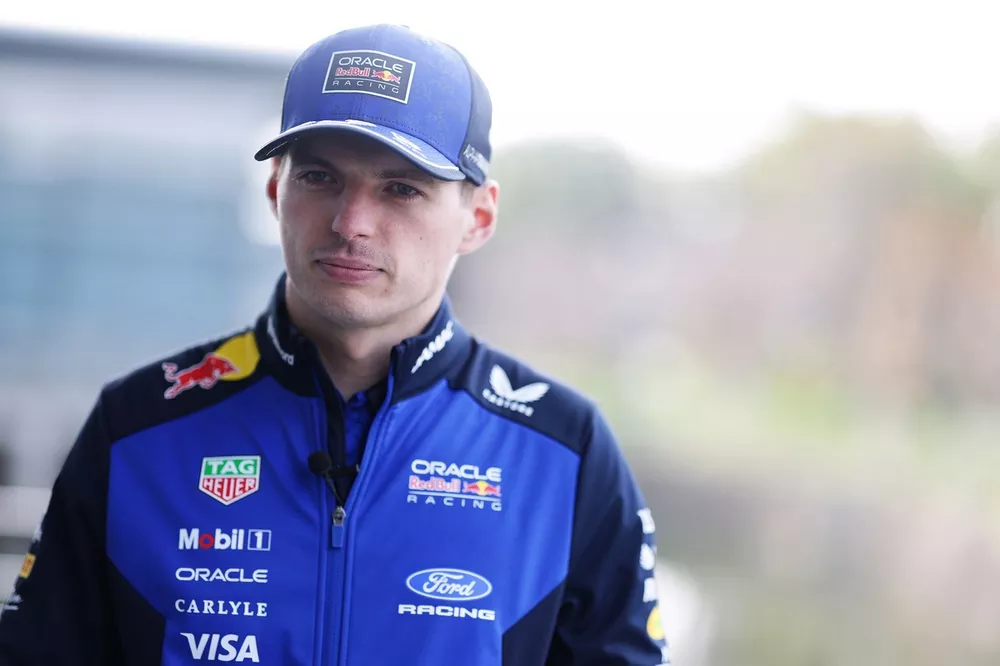
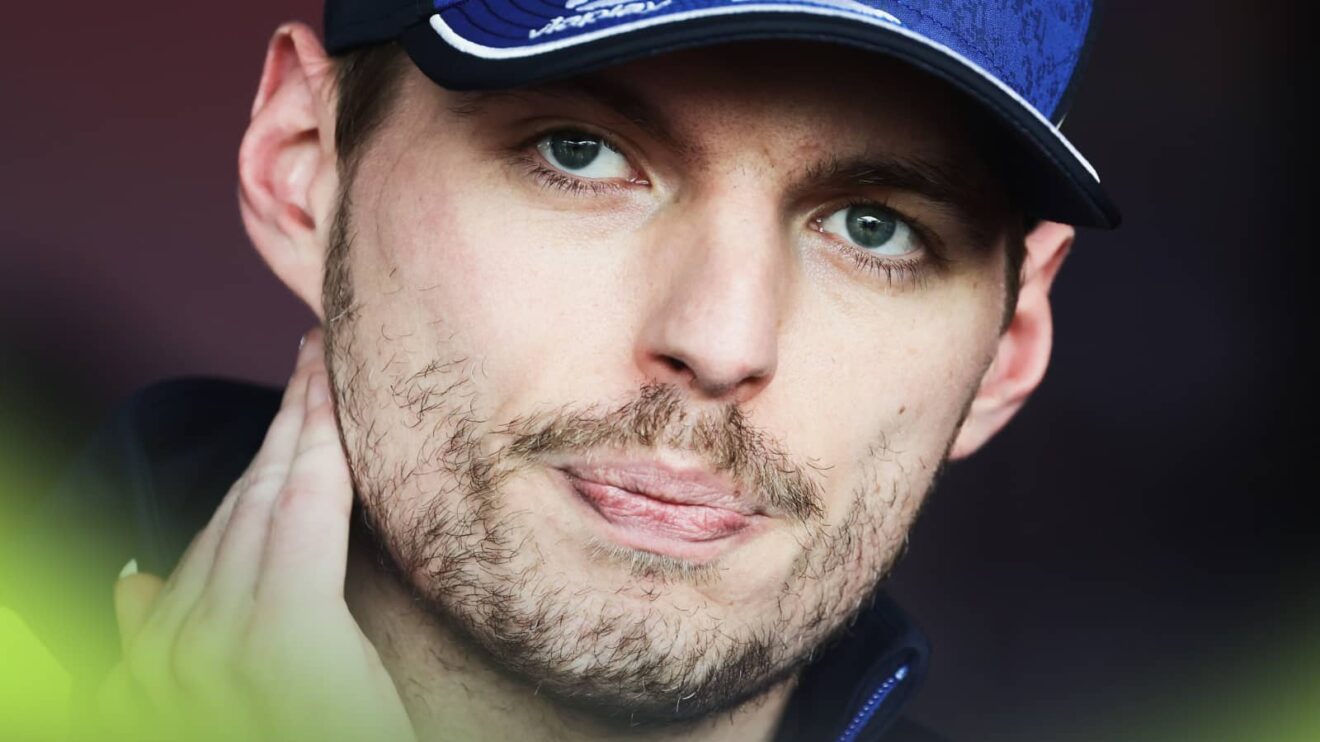
Martin Brundle says Max Verstappen's repeated hints at early F1 retirement are "getting a bit boring," telling the champion to either leave or drop the subject. While acknowledging Verstappen's immense talent would be missed, Brundle asserts F1 would move on, citing a deep pool of young talent ready to take his place. **categories**: [
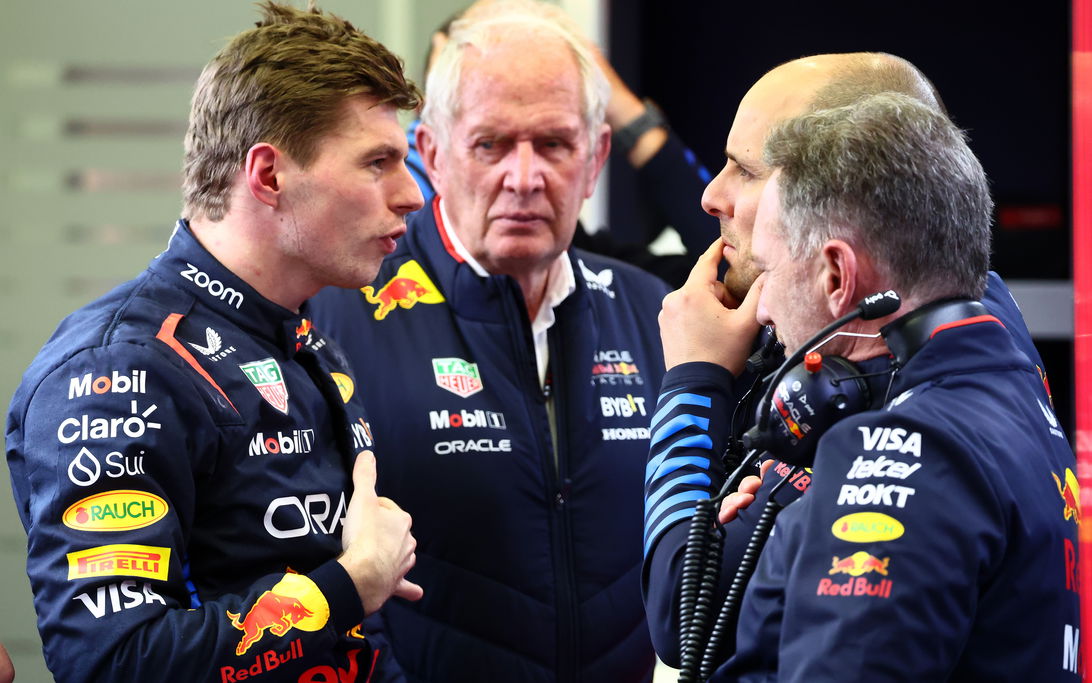
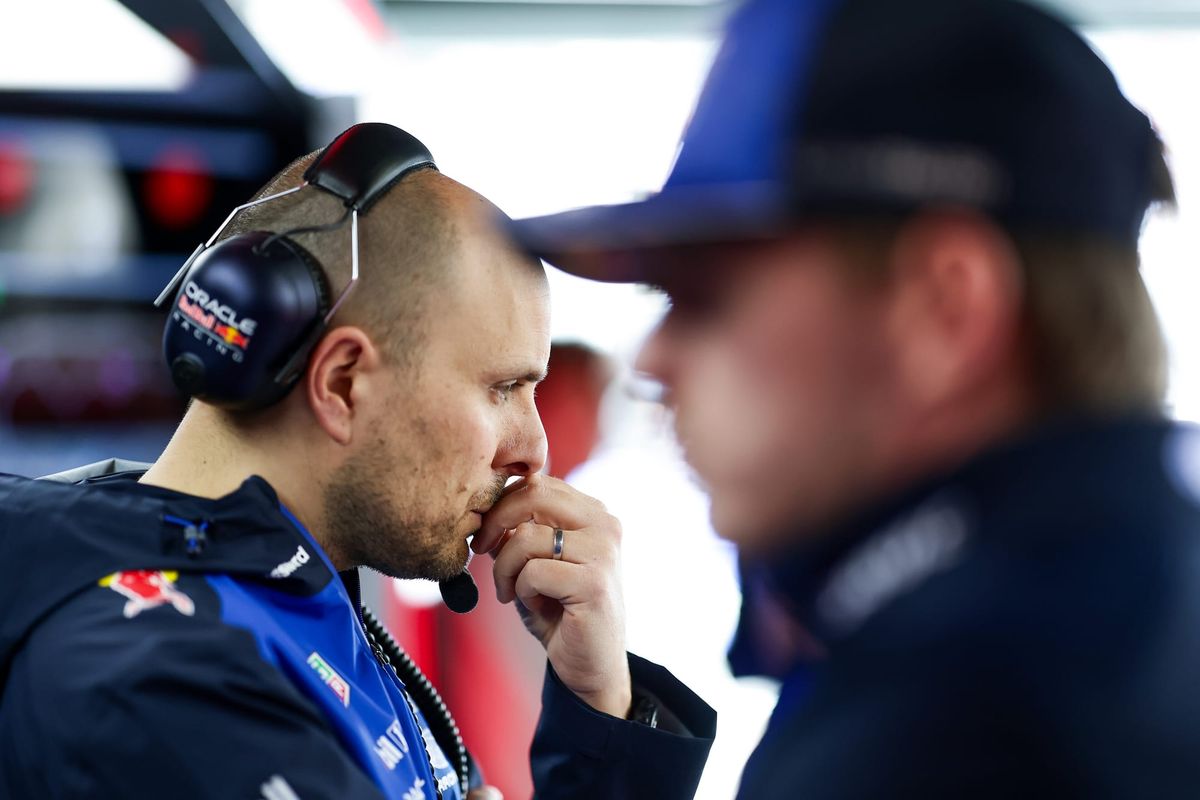
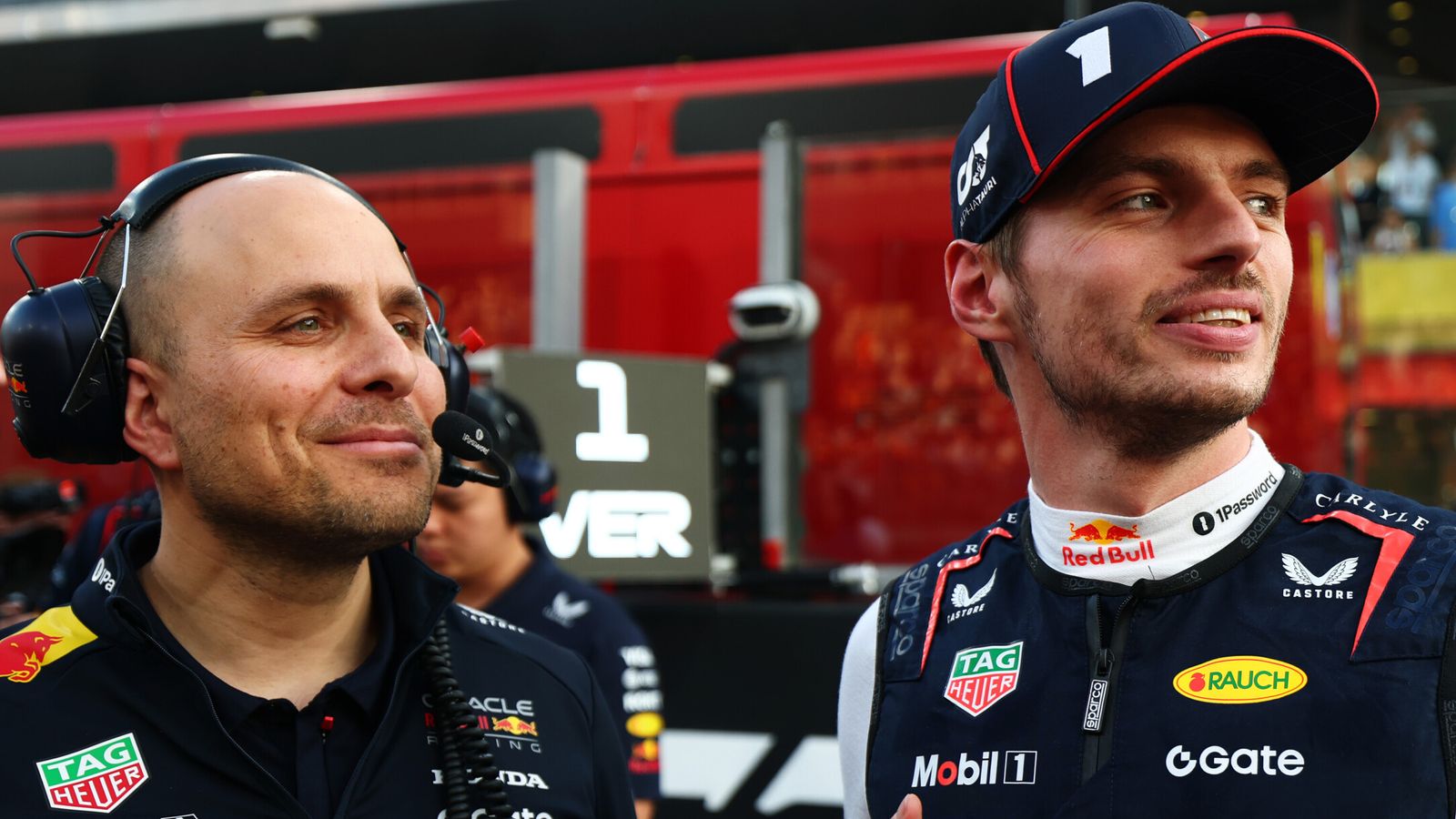
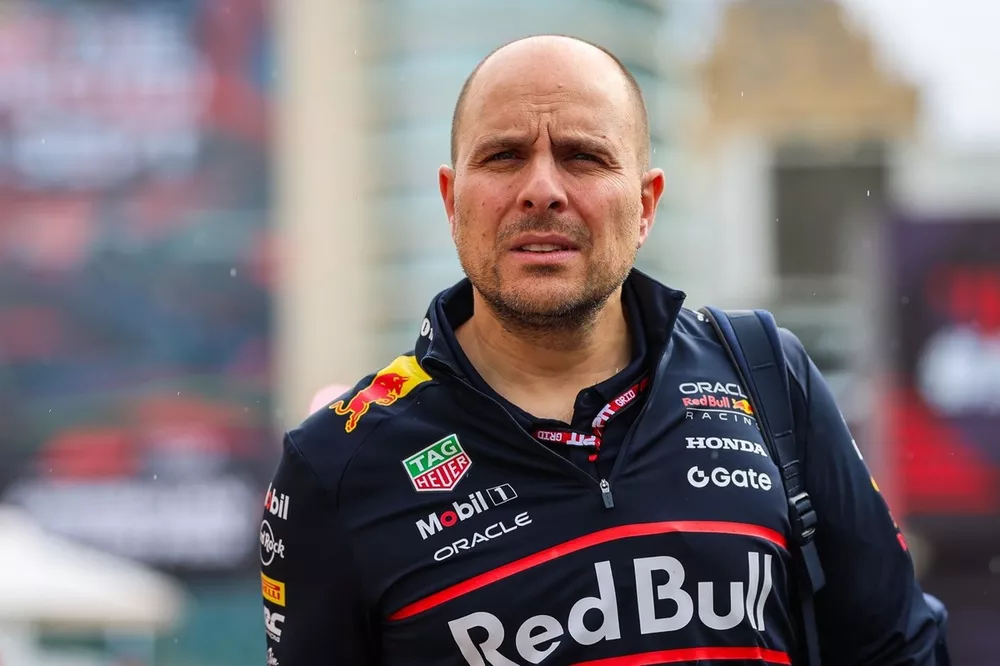
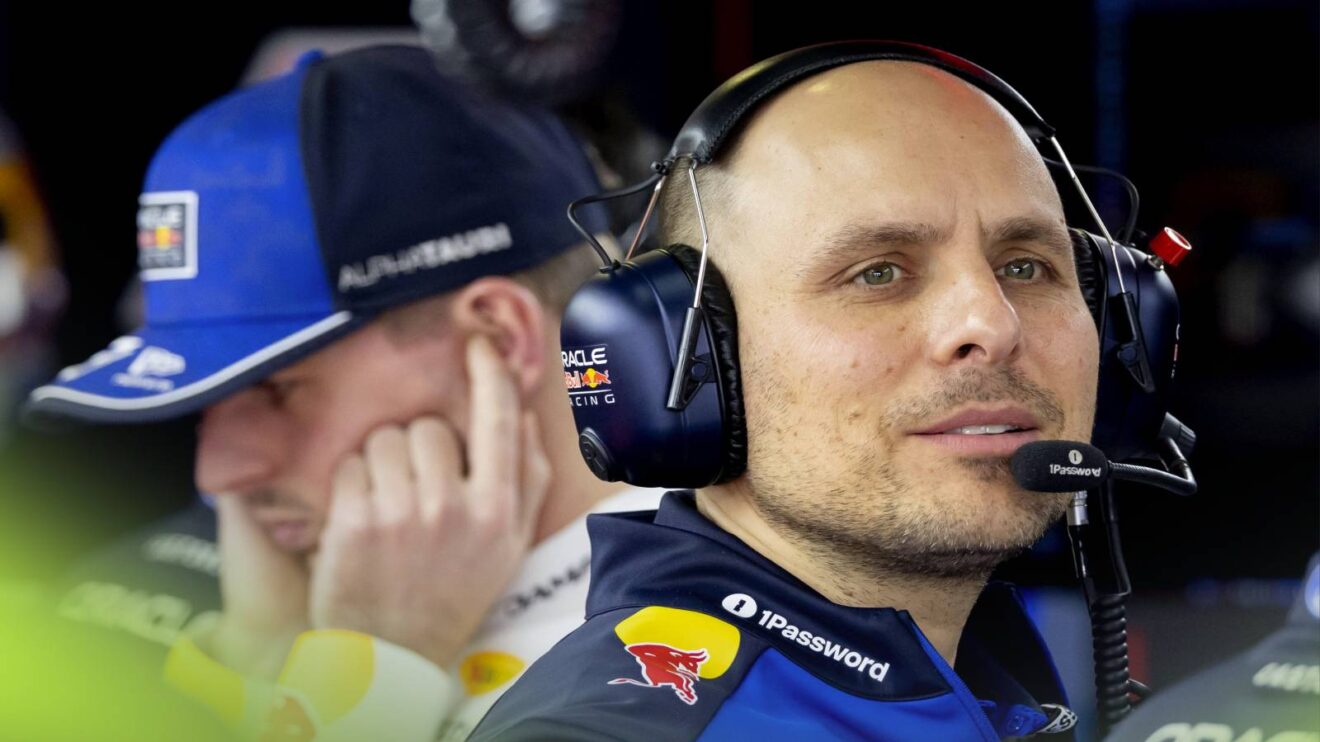
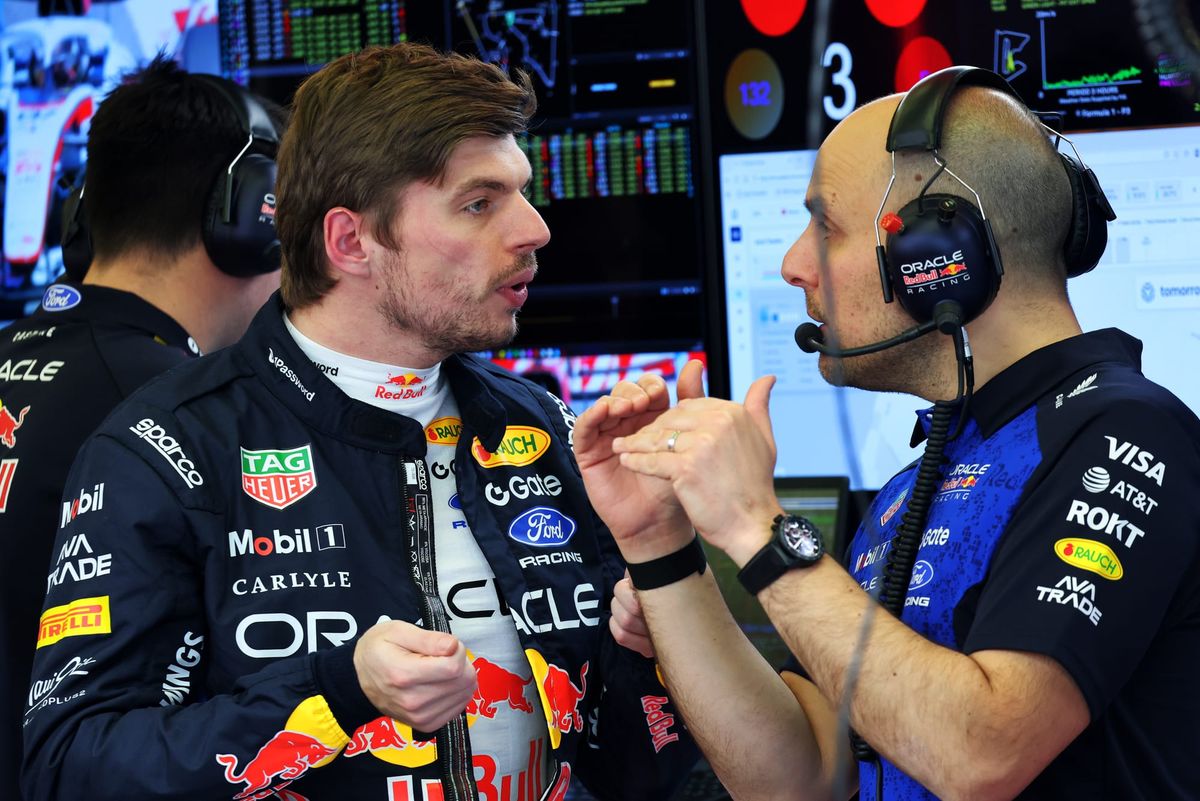
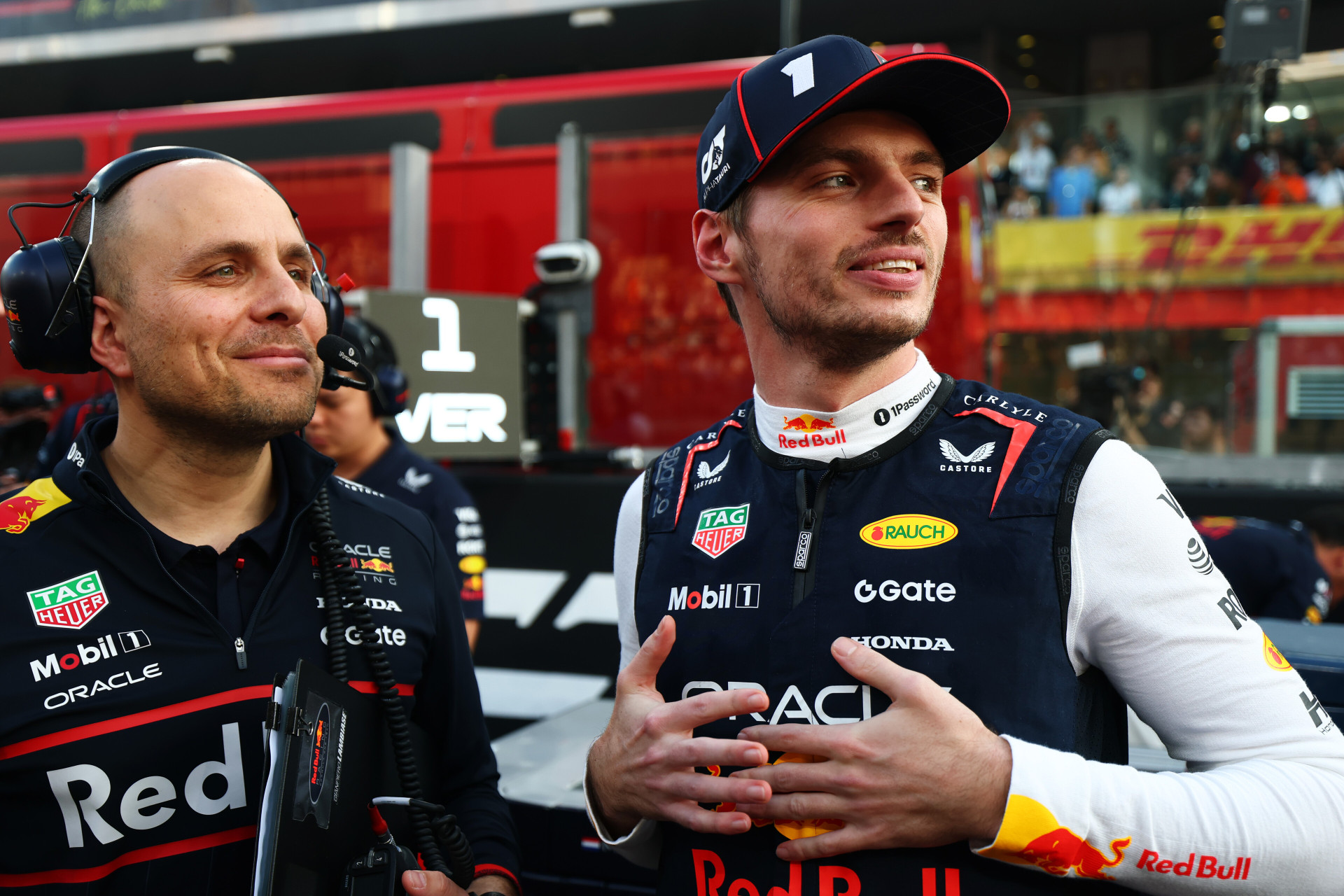
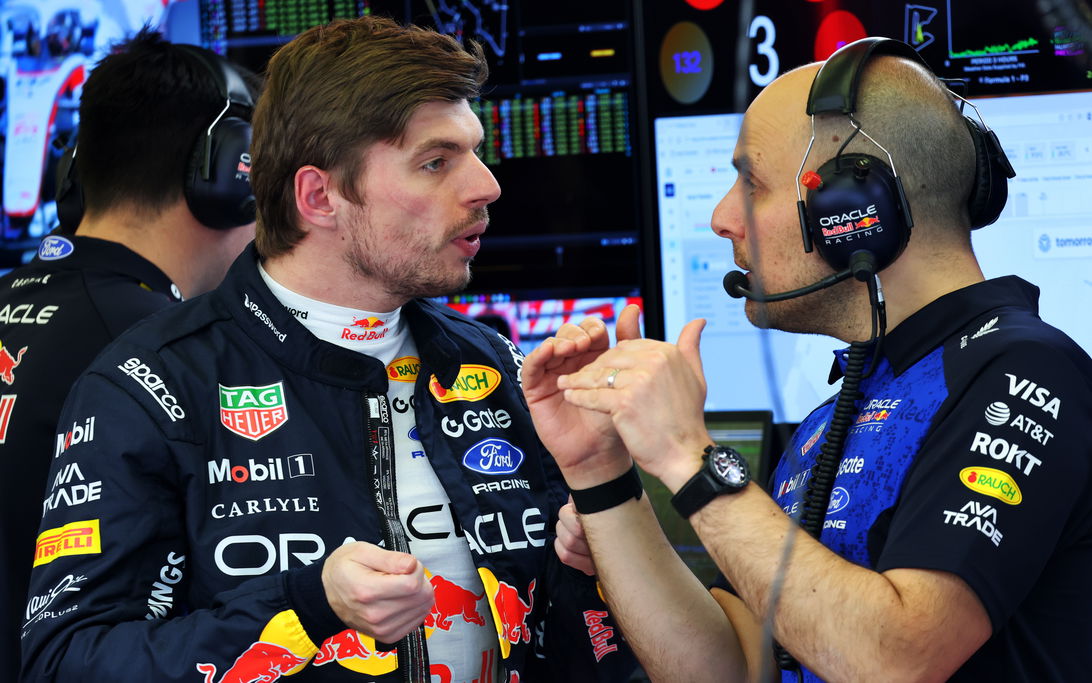
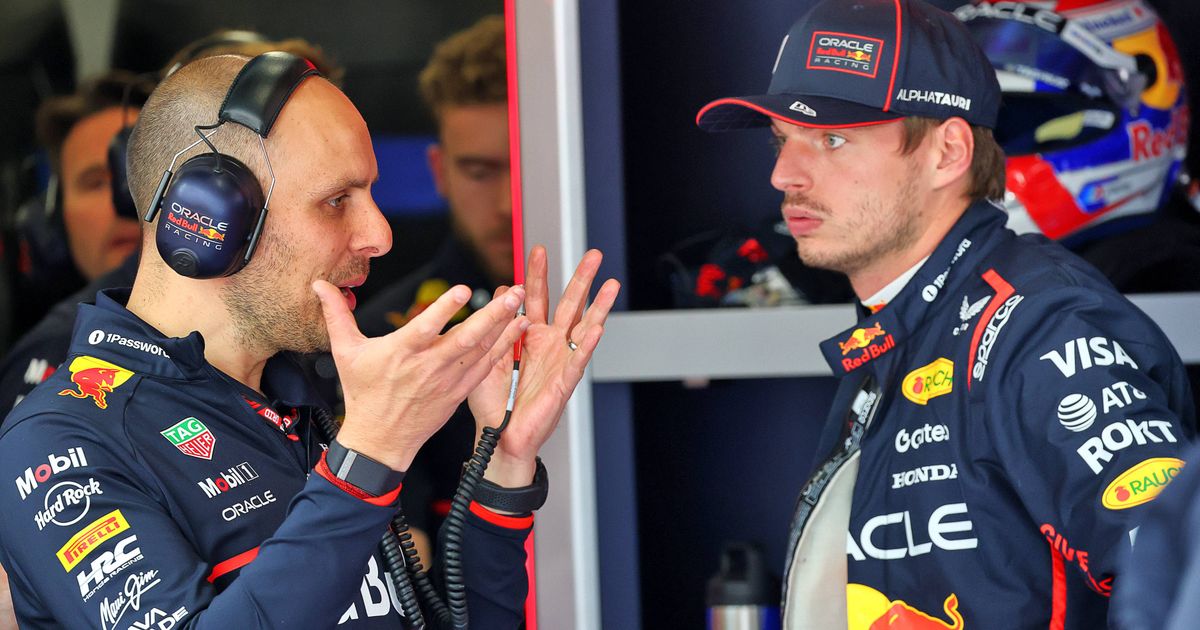
Gianpiero Lambiase, Max Verstappen's race engineer and Red Bull's head of racing, will join McLaren in 2028 in a major personnel shift. The move deals a blow to Red Bull's trackside operations and occurs amid speculation about Verstappen's own future with the team.
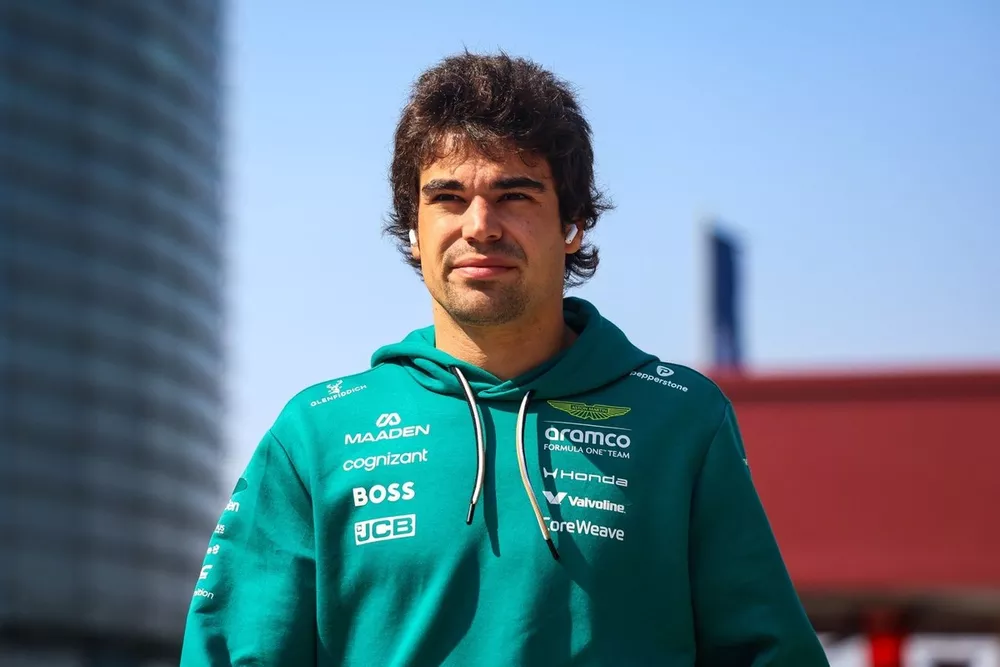
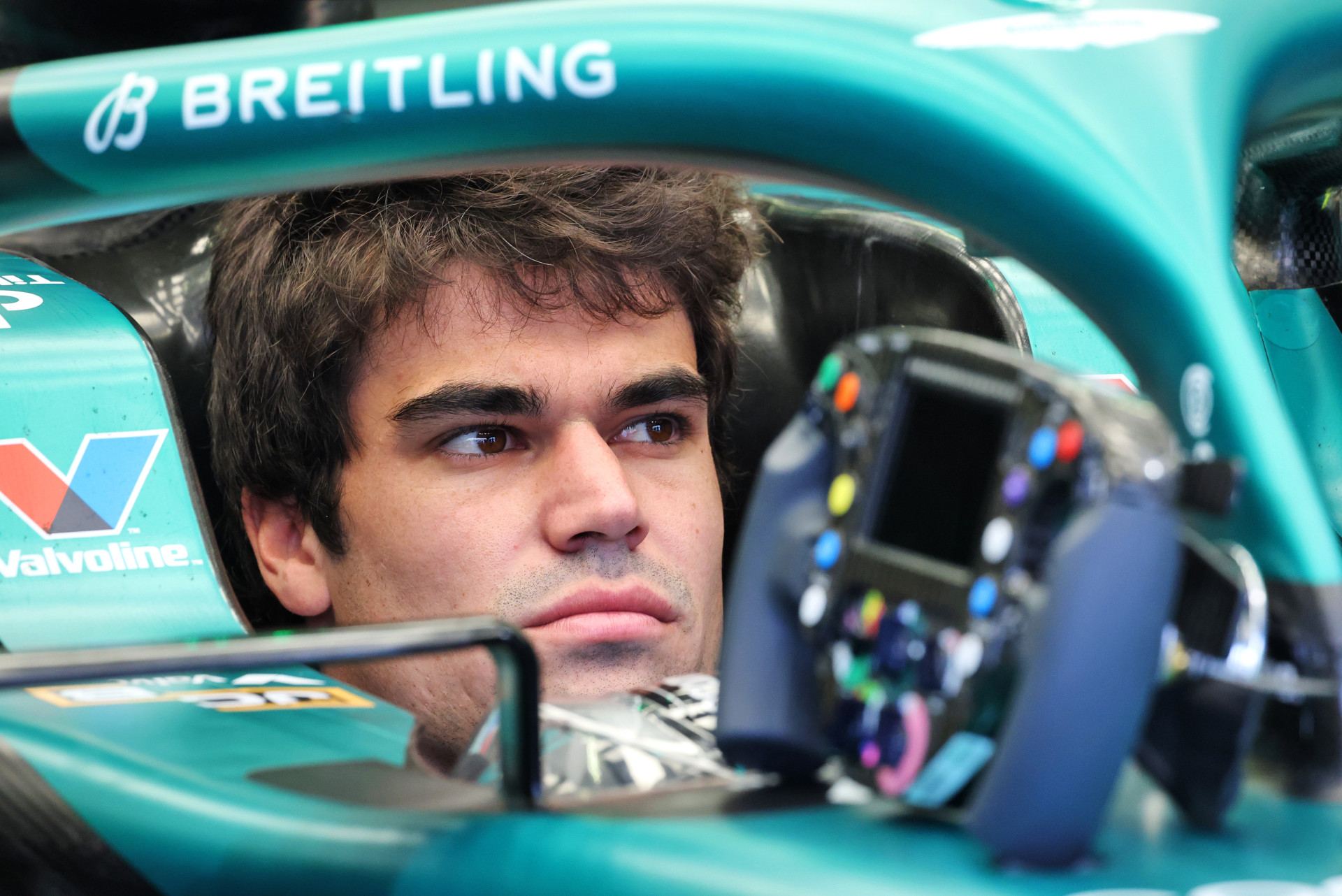
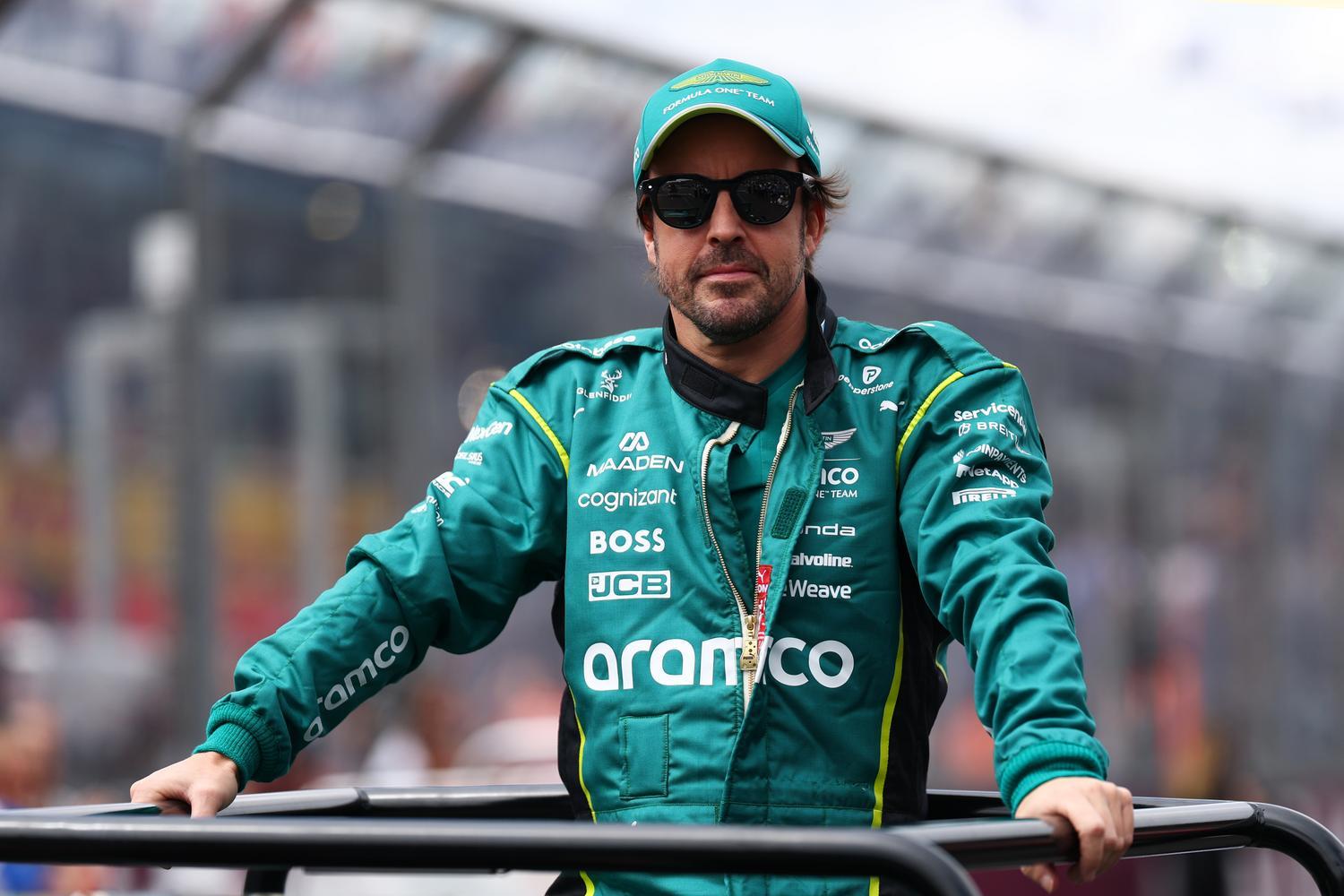
Lance Stroll will race in the GT World Challenge Europe this weekend, directly linking his decision to Aston Martin's winless and point-less start to the 2026 F1 season. He seeks a competitive change of pace and a realistic chance to fight for a win during the sport's extended break.
James Hinchcliffe offers a nuanced take on Max Verstappen's critical radio messages, arguing they exaggerate Red Bull's actual problems. He suggests the team is familiar with Verstappen's emotive style and that his 100% driving effort, not his public frustration, is what truly matters internally as they work to recover form.
Red Bull’s veteran race engineer Gianpiero Lambiase, who helped Max Verstappen clinch four championships, will leave at the end of 2027 for a multi‑million‑pound role at McLaren, highlighting the British team’s ongoing poaching of Red Bull talent.
Max Verstappen's race engineer Gianpiero Lambiase, a central figure in all four of his world championships, is leaving Red Bull to join McLaren in 2028. This move severs one of F1's most critical driver-engineer bonds and deals another significant blow to Red Bull's technical leadership amid a series of high-profile departures.
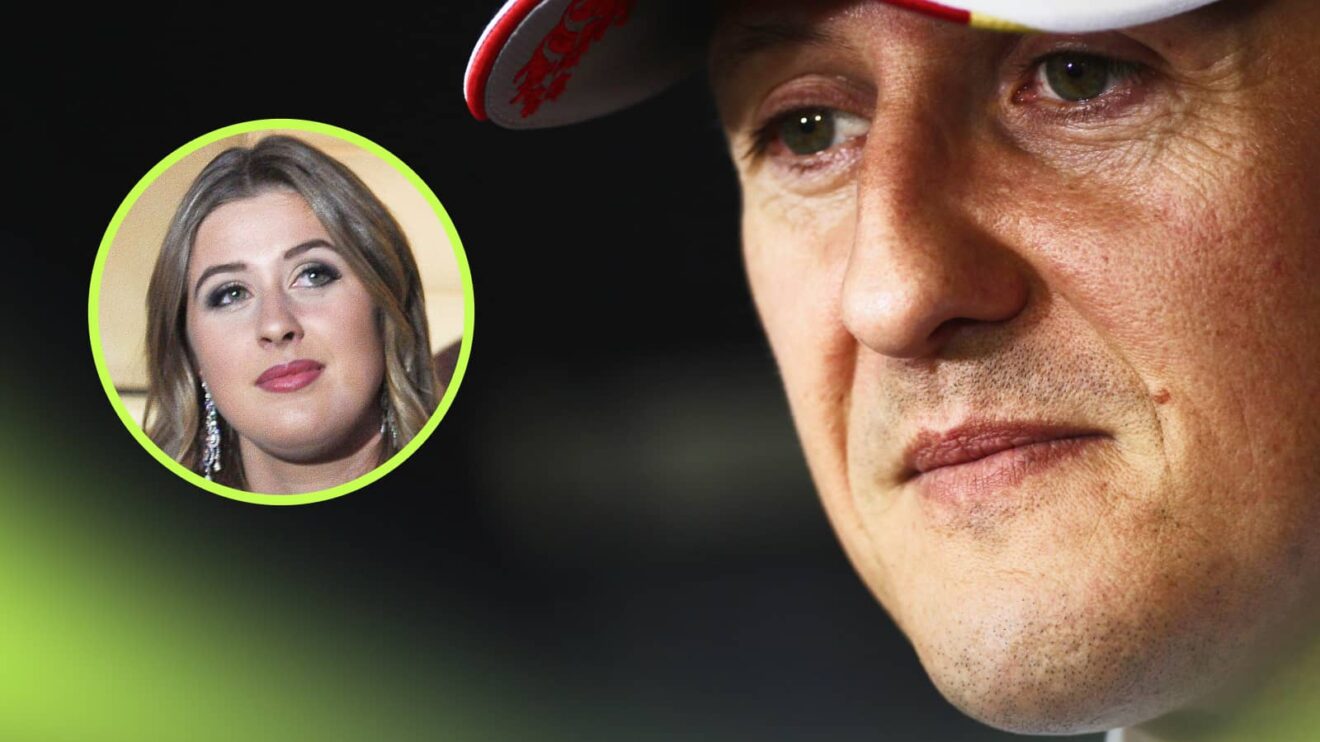
F1 headlines feature a Pirelli tyre test at the Nürburgring with Mercedes and McLaren, and an emotional documentary reveal from Gina Schumacher. Meanwhile, Max Verstappen receives a warning about his criticism, Charles Leclerc is honored in Monaco, and Daniel Ricciardo reflects on his Red Bull exit.
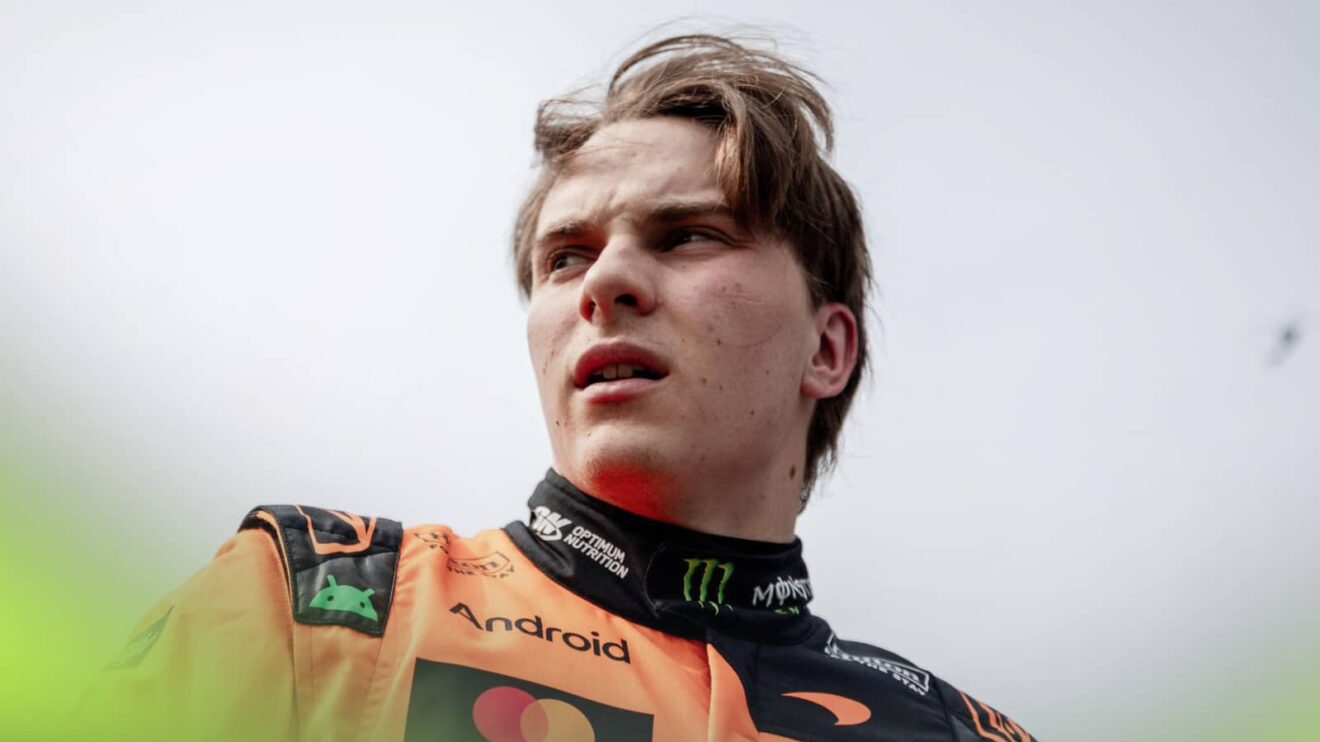
McLaren's Oscar Piastri attributes his growth in Formula 1 to staying true to his inherently calm and composed personality. He believes his authentic, understated demeanor is a strength directly connected to on-track performance, a view echoed by pundits who see his unflappable nature as a key asset for future championship success.
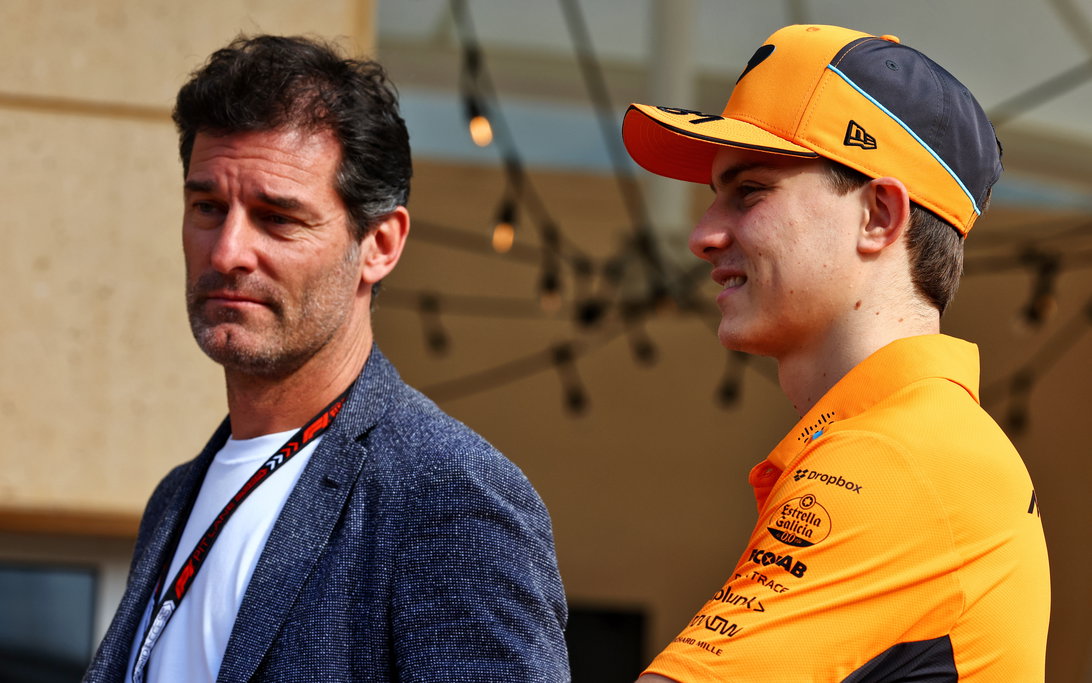
Oscar Piastri clarifies that manager Mark Webber's reduced presence at F1 races is a natural result of his own growing experience, not a fallout. Webber remains a key advisor, but Piastri now feels confident handling more technical and strategic discussions himself, marking a sign of his maturation as a Grand Prix driver.
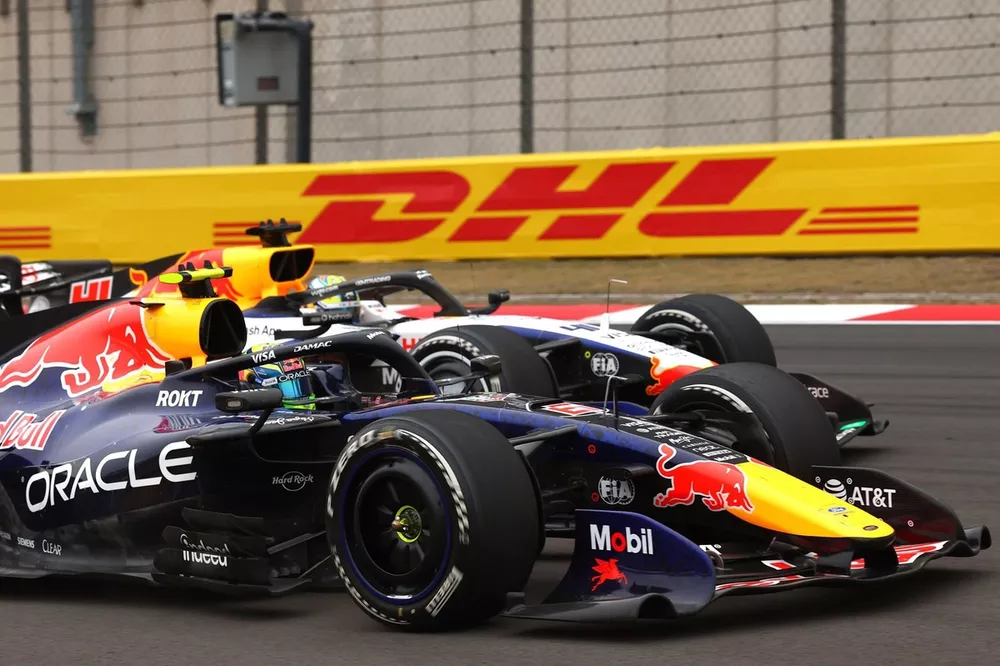
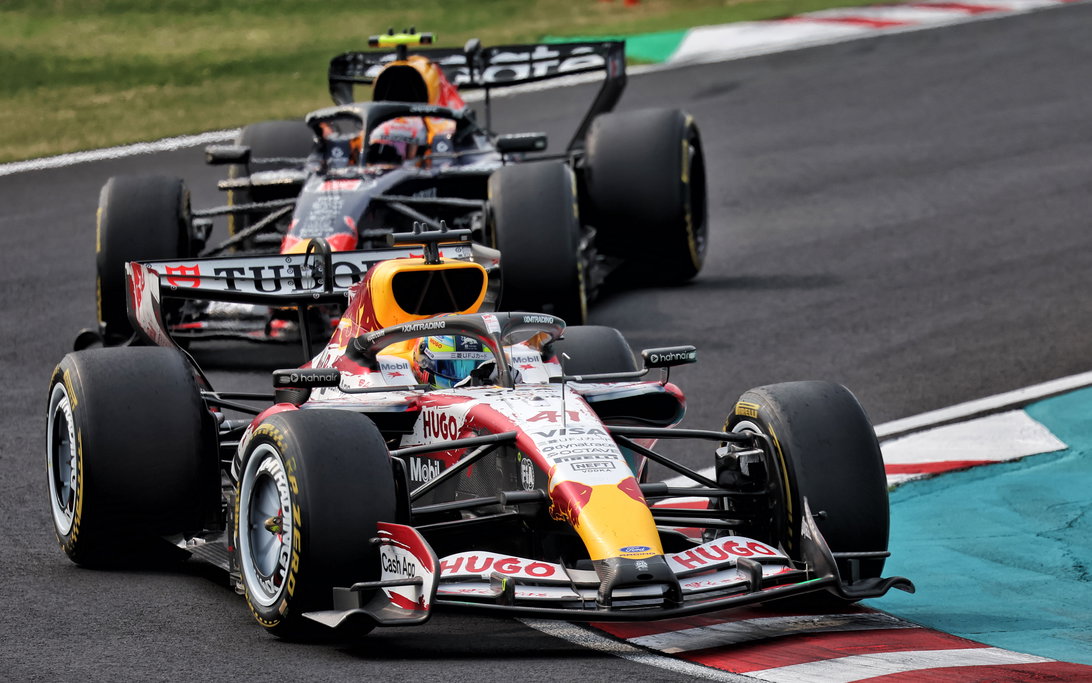
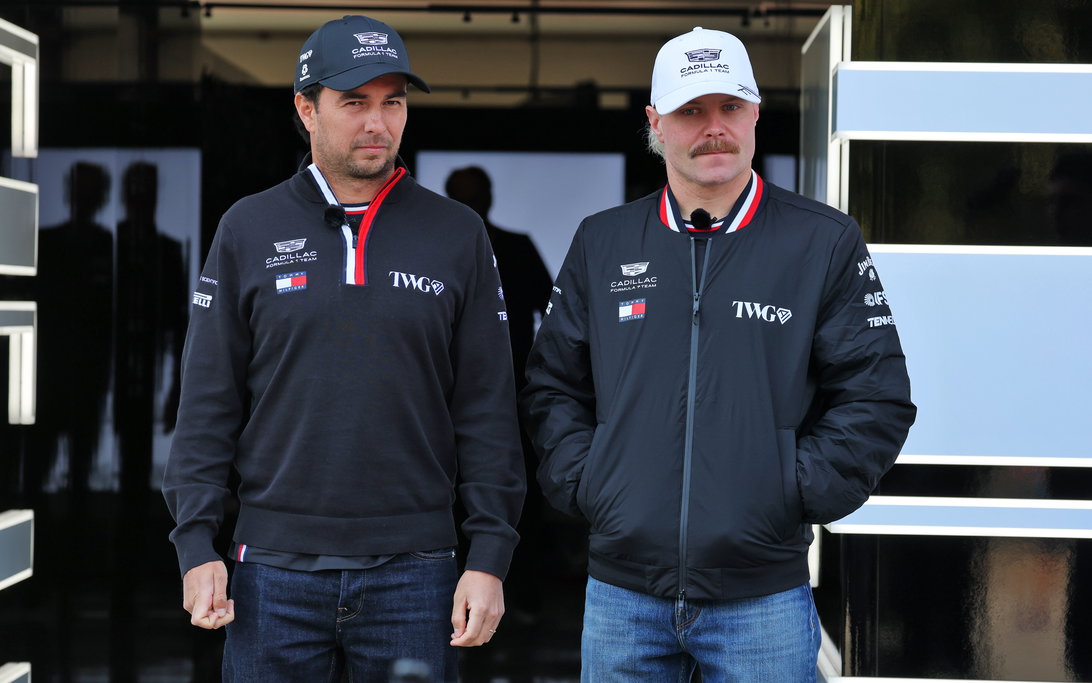
Cadillac team figure Mario Andretti says drivers Valtteri Bottas and Sergio Perez are "rusty" after a year away from F1. While their experience is an asset, Andretti notes they are cautiously relearning the complexities of a new car and power unit, with rear stability being a key issue.