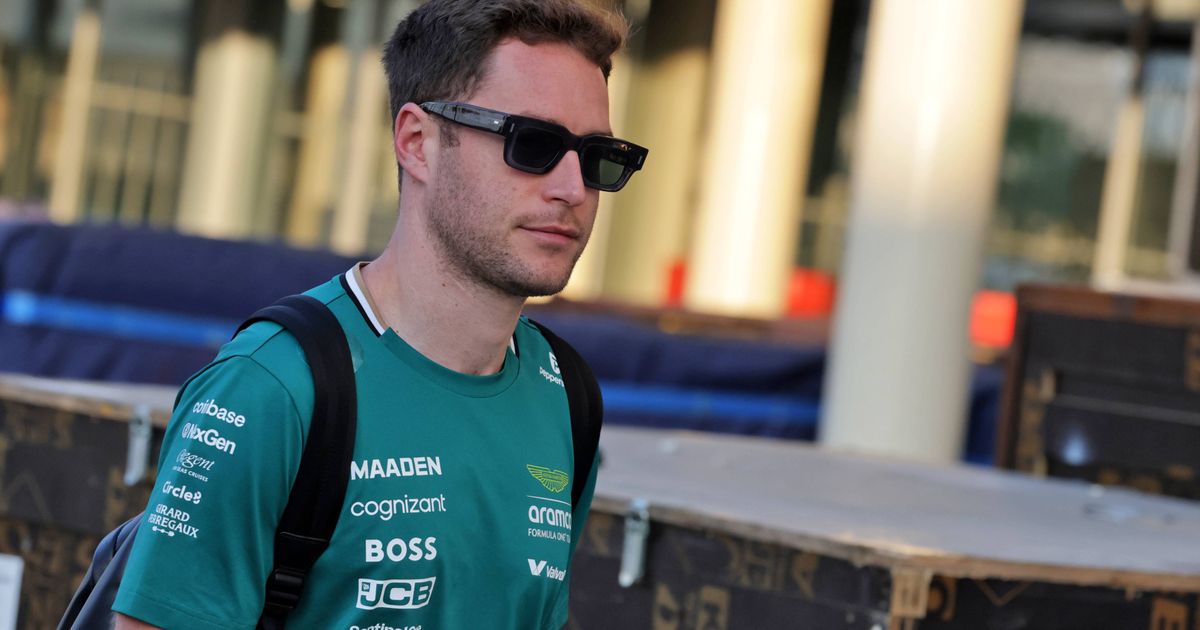
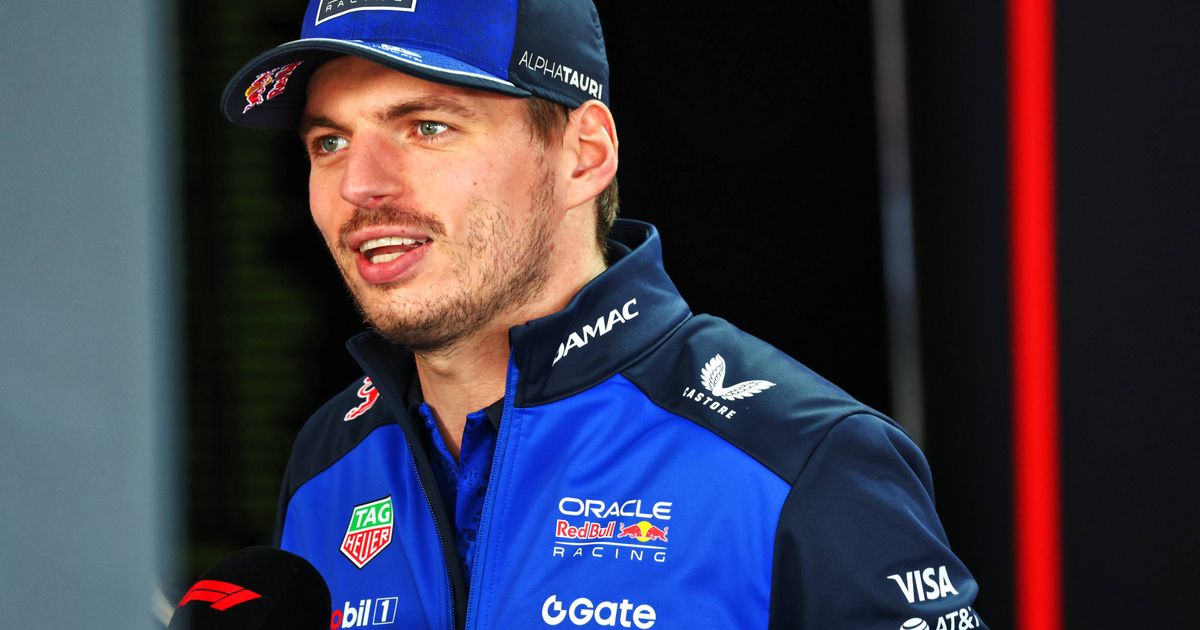
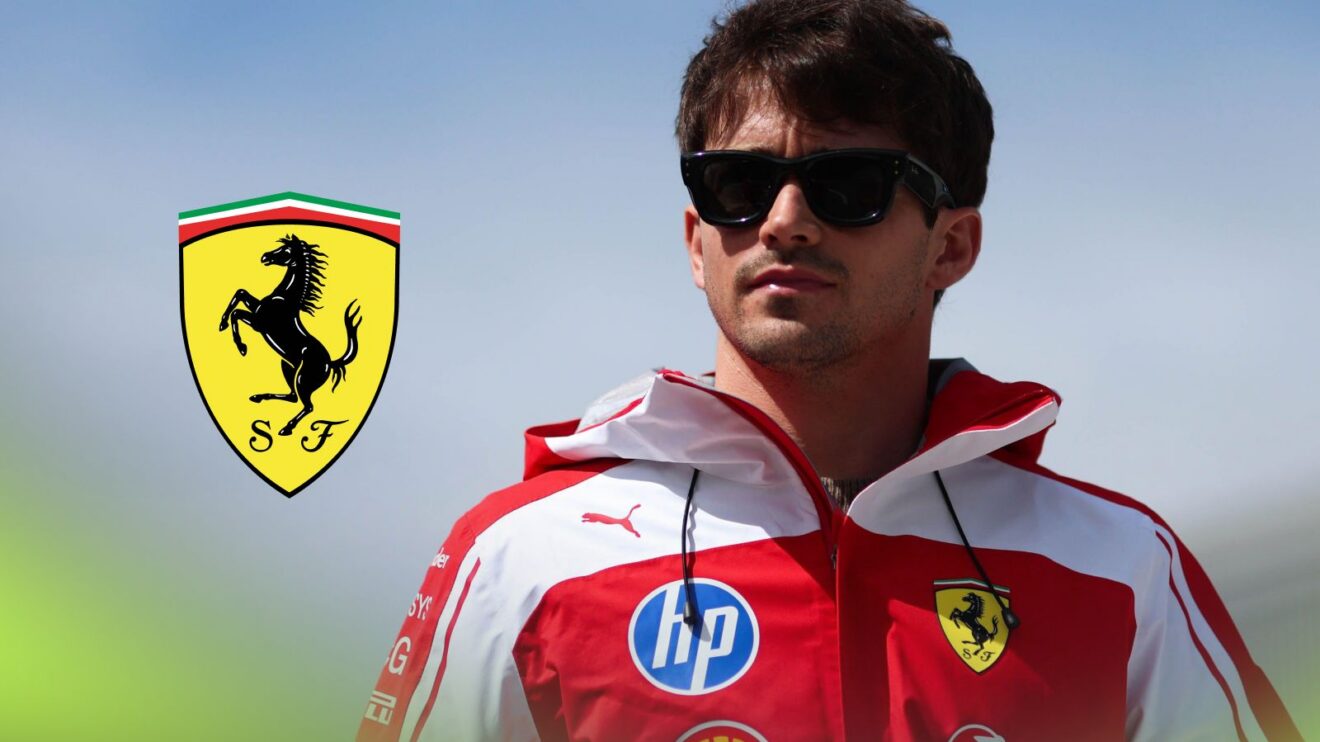
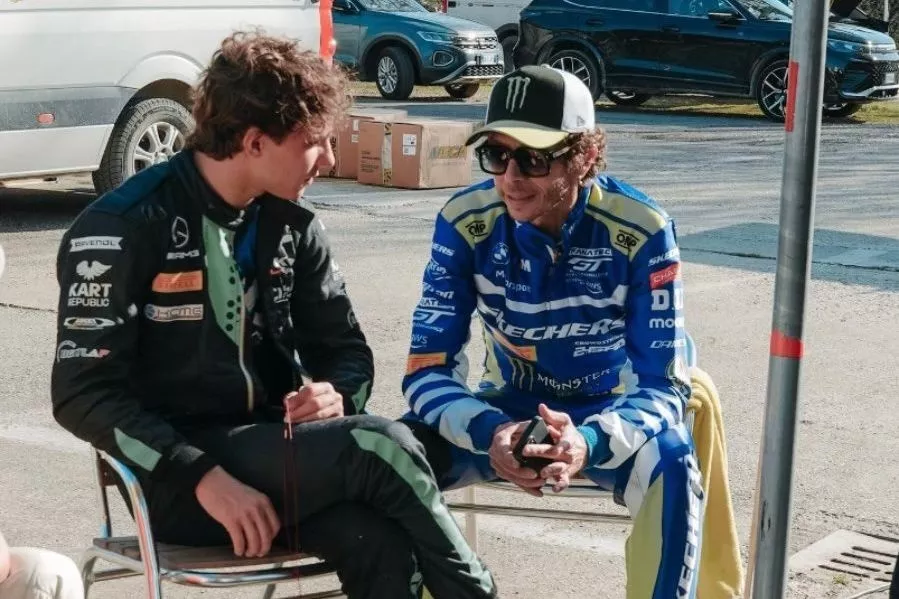
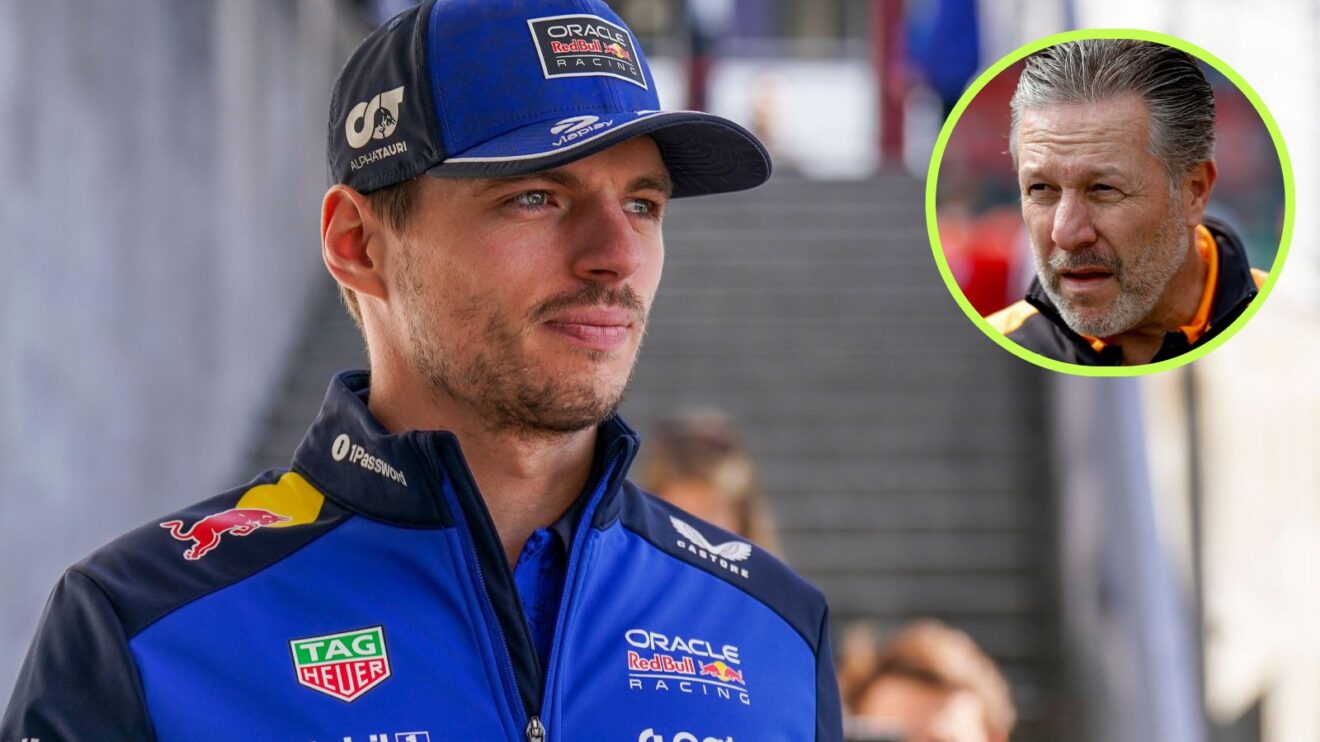
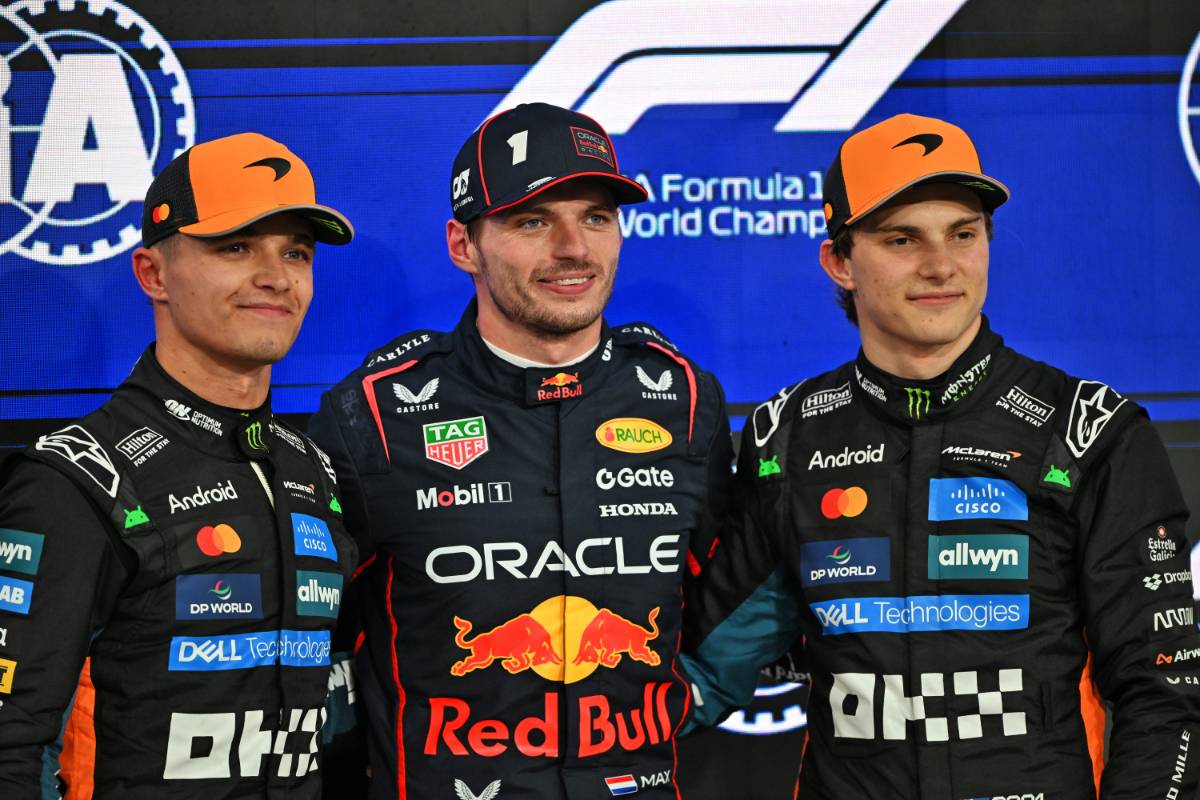
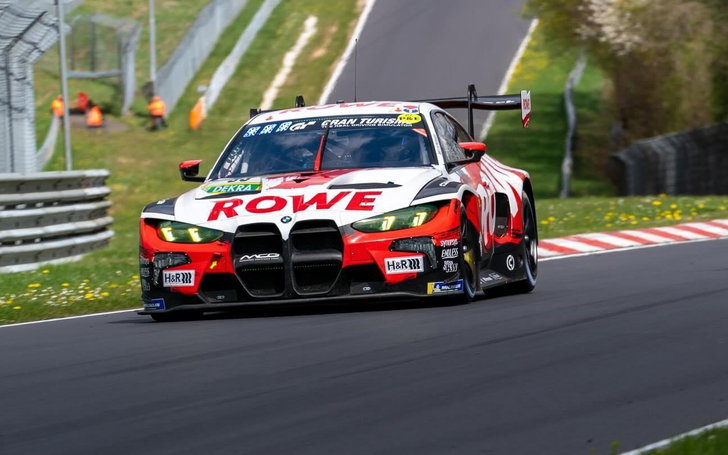
Stoffel Vandoorne aims to compete in GT racing's 24 Hours of Spa, inspired by Max Verstappen's example of racing across series. The Belgian, currently racing in WEC for Peugeot, sees value in driving different cars and believes the opportunity for drivers to explore multiple disciplines is a positive development for the sport.
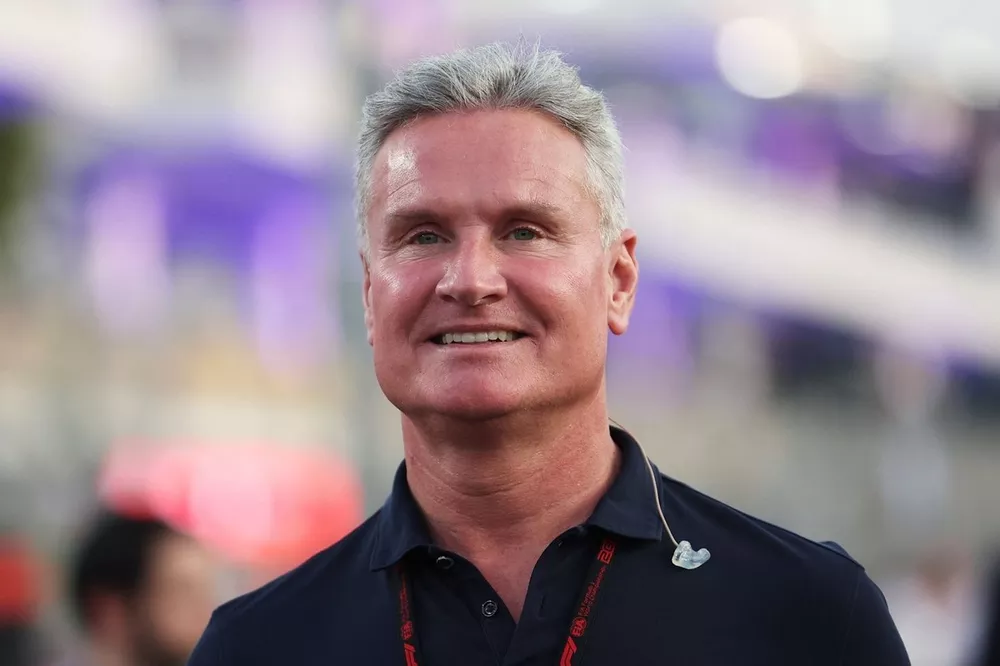
David Coulthard estimates an £8 million price tag to climb from karting to a Formula 1 seat, outlining the cost at each junior‑formula level and warning the sport risks losing talent without reforms.
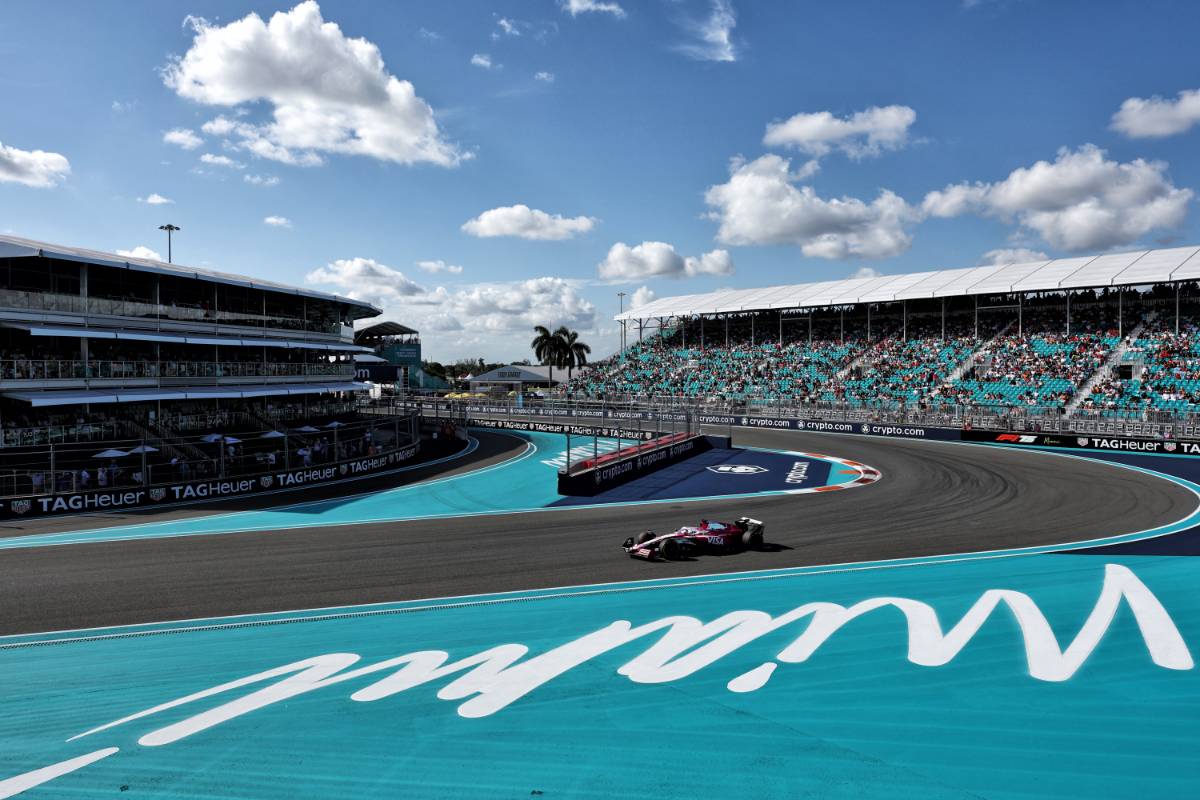
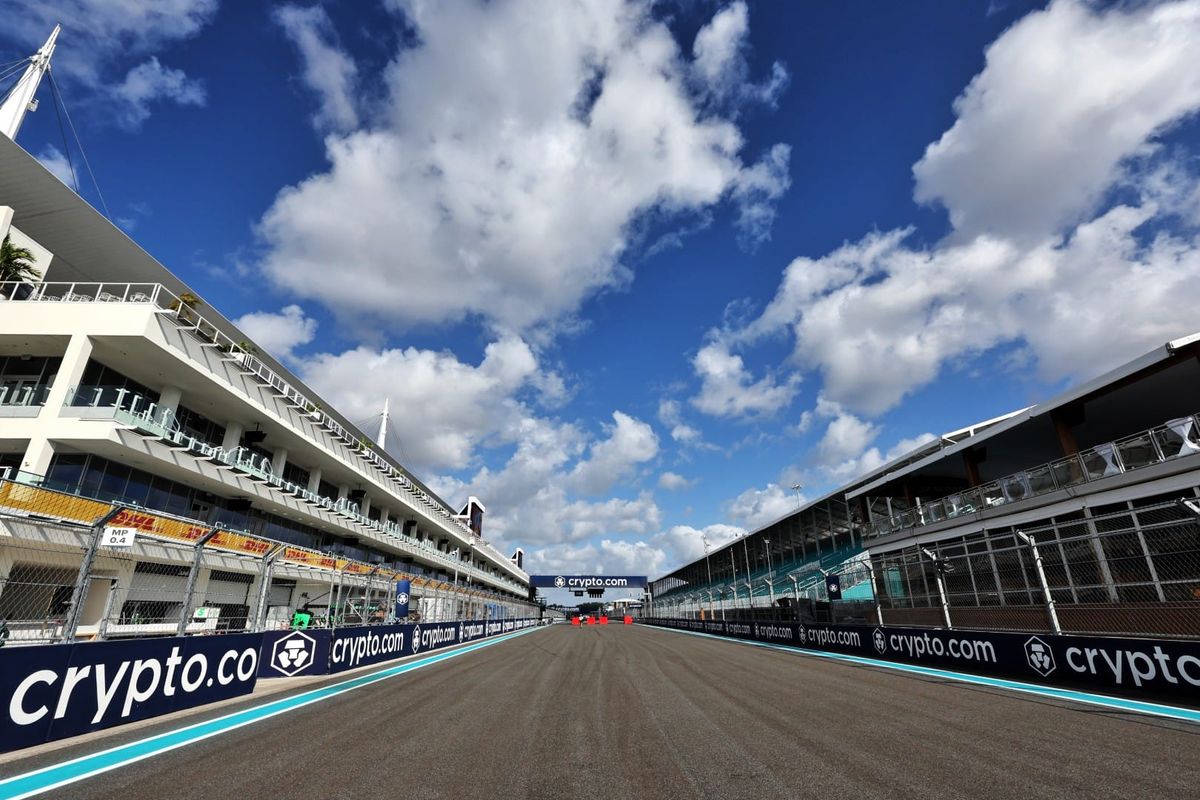
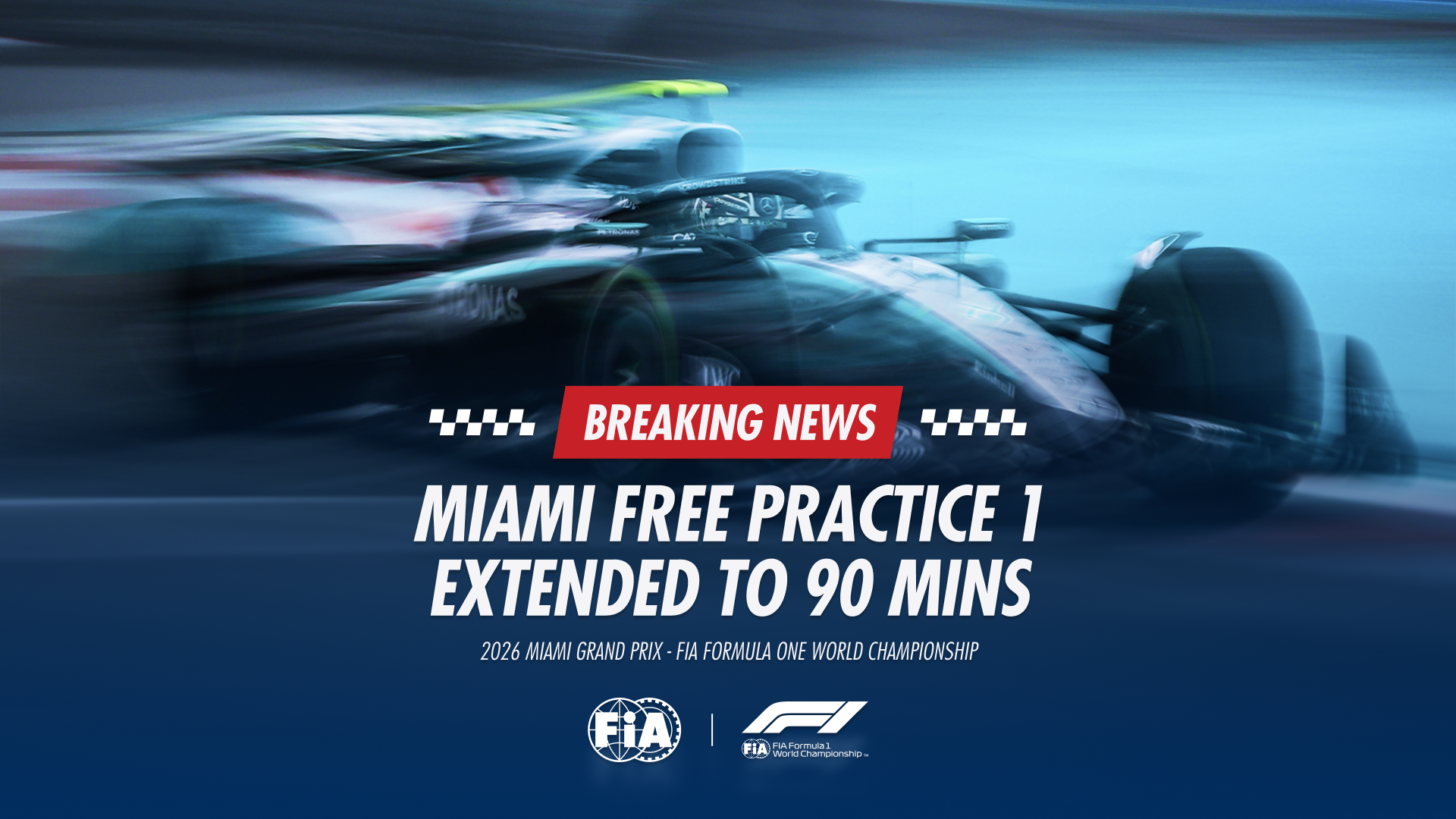
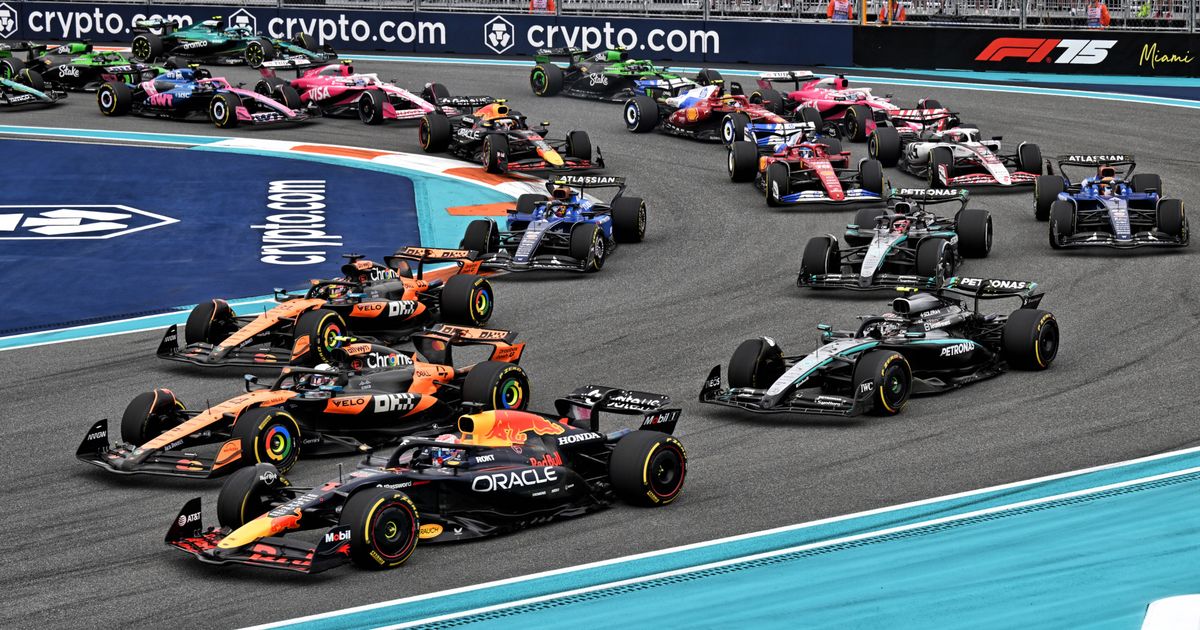
The FIA has lengthened Miami’s sole practice session to 90 minutes, citing a calendar gap after Bahrain and Saudi Arabia were cancelled, new rule tweaks slated for the race, and the sprint‑weekend format. An updated schedule details FP1, sprint qualifying, the sprint race, and Grand Prix timing.
Audi’s F1 squad and adidas have dropped a limited‑edition ‘Miami Collection’ featuring pastel pinks and blues inspired by the city’s sunset. The range – tees, hoodies, caps, and two shoe models – is now on sale ahead of the May 1‑3 Miami Grand Prix.
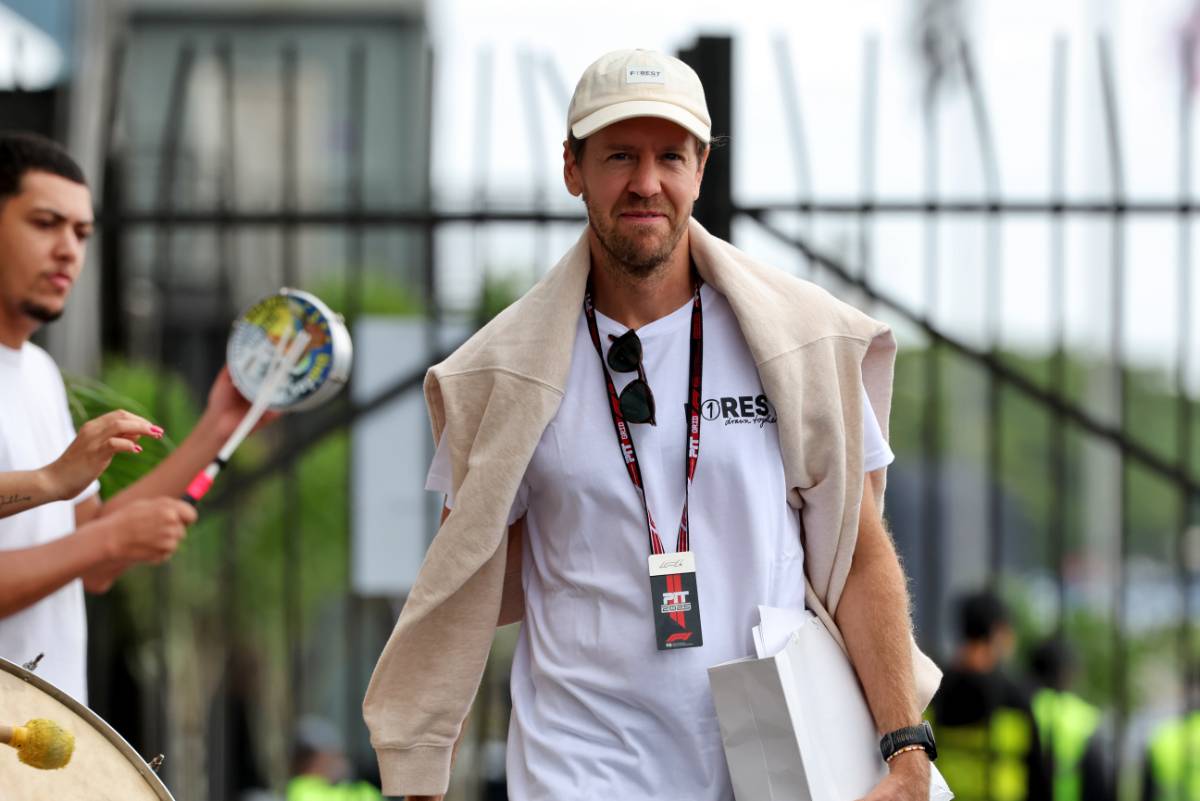
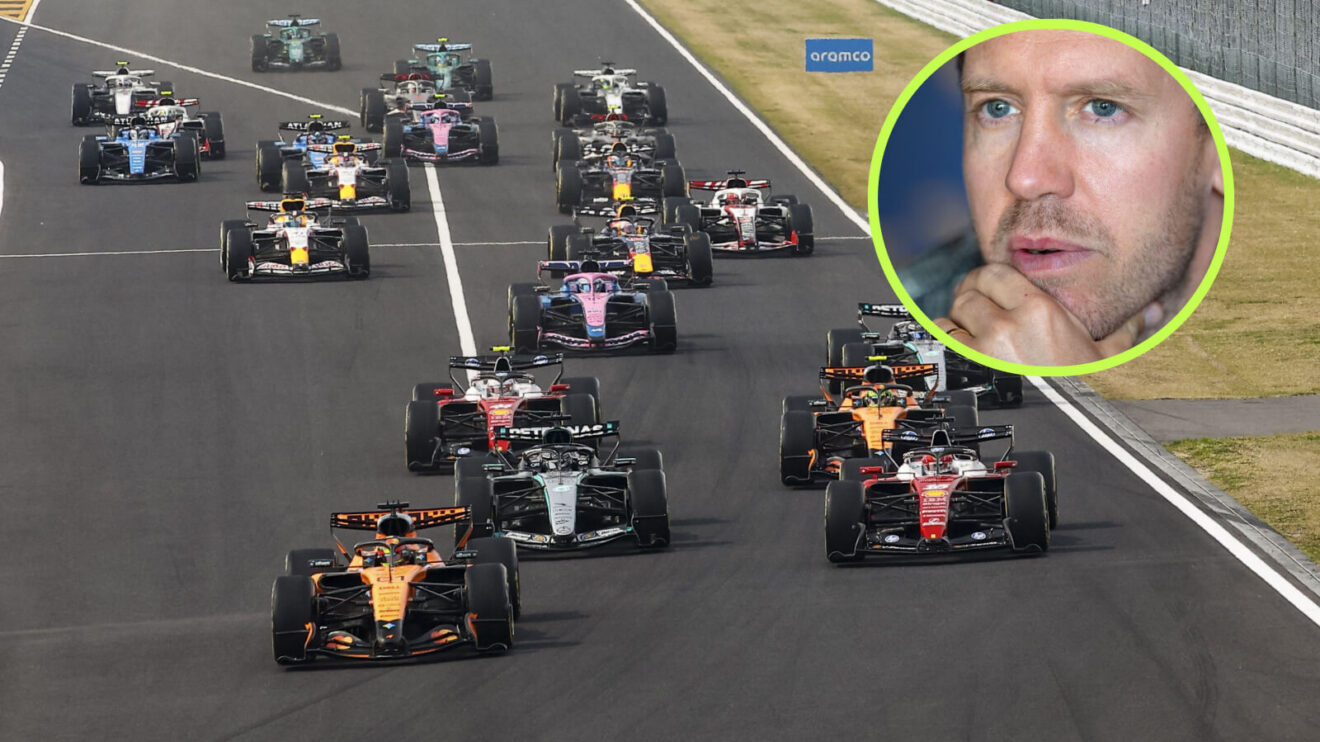
Sebastian Vettel cautions that Formula 1's impending 2026 regulations, focused on complex energy management, threaten to dilute the sport's essential character—the pure contest between driver and machine. He warns that if the new rules frustrate drivers and stifle adrenaline, they will also fail to excite the fans.
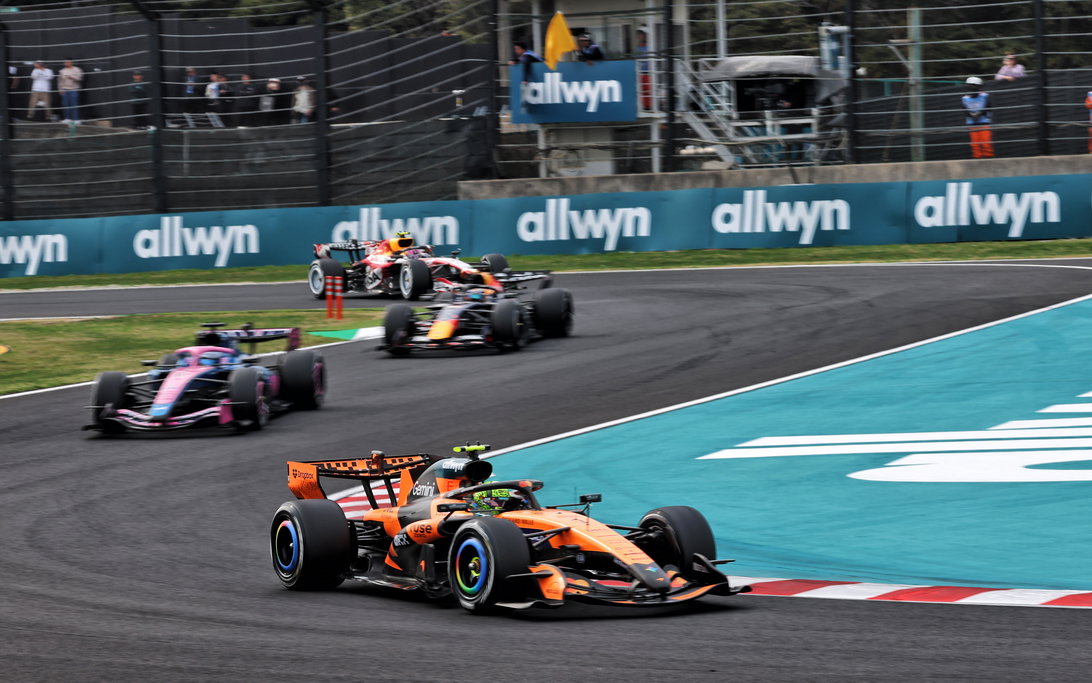
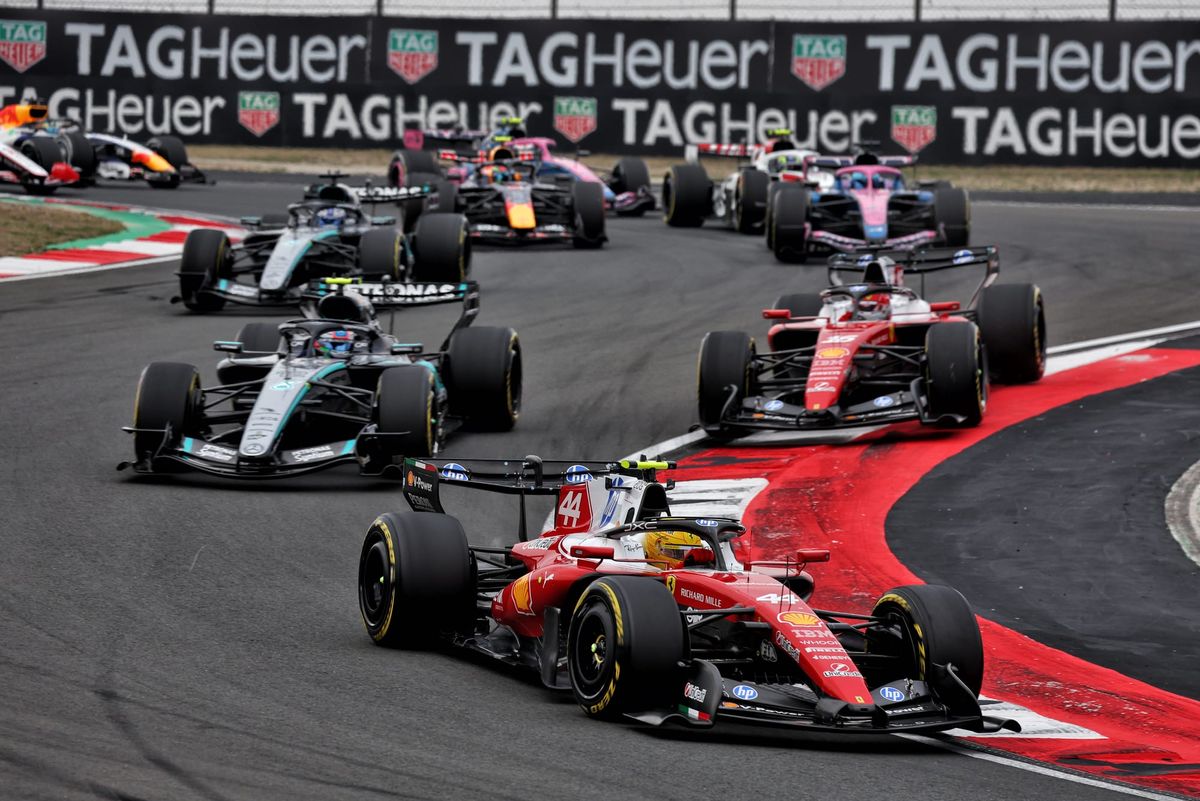
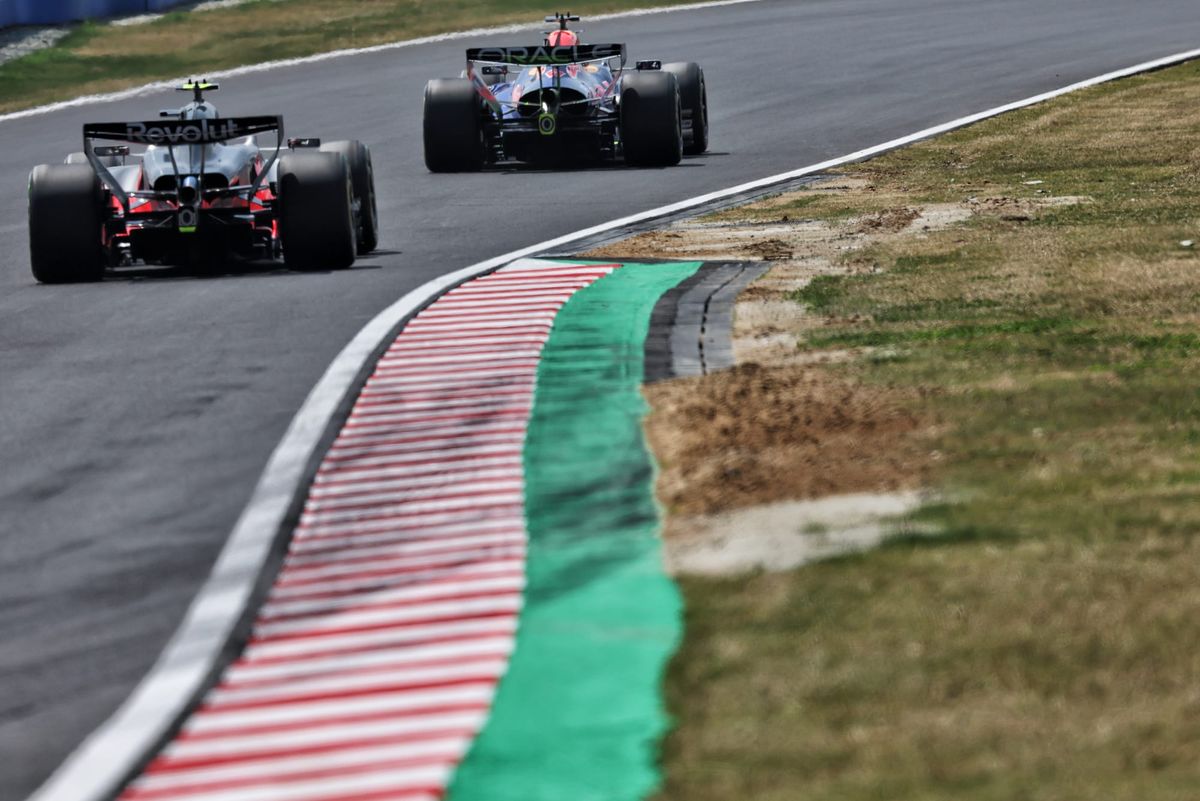
Former driver Anthony Davidson warns that the 2026 reduction of the boost button’s power—from 350 kW to 150 kW—could make overtaking more difficult, citing a Suzuka crash where a sudden 50 km/h speed gap caused a serious incident.
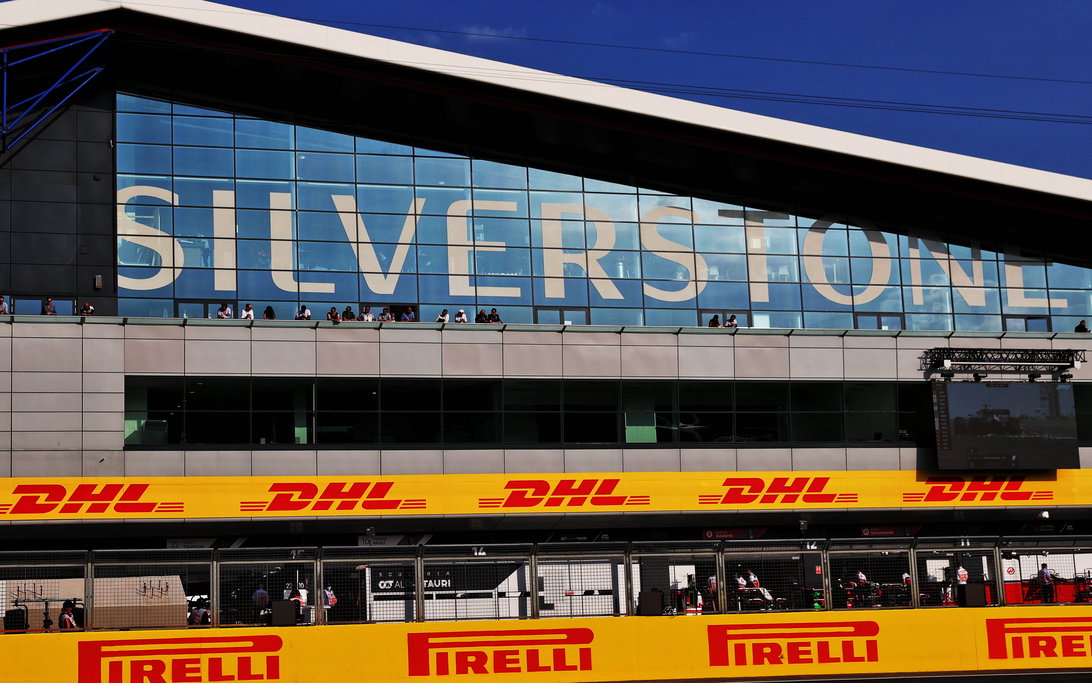
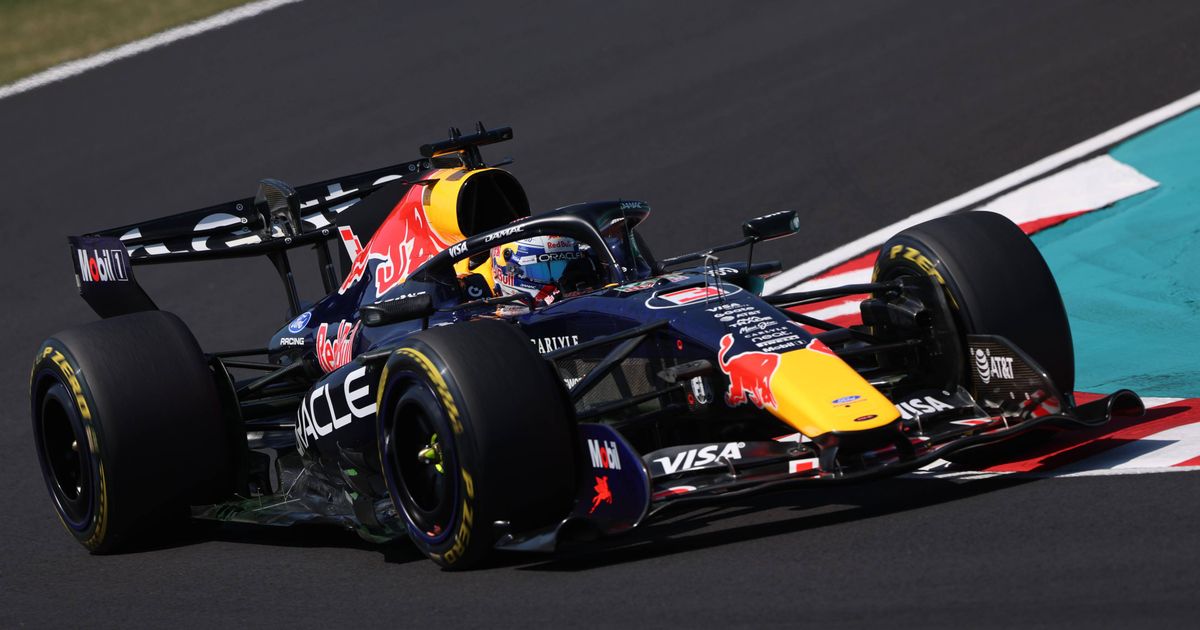
GPblog readers back Red Bull’s new RB22 upgrade, unveiled at Silverstone, believing it can erase a sluggish start and spark a four‑team battle in Miami despite trailing Mercedes, Ferrari and McLaren.
The FIA has lengthened Miami’s sole free‑practice to 90 minutes and moved earlier track times 30 minutes forward, giving teams data before the Sprint‑format race and aligning the weekend with 2026 regulation changes.
Formula E’s Gen4 car, unveiled at Paul Ricard, promises lap times 10 seconds faster than the Gen3 Evo. After initially dismissing the older model, Max Verstappen hailed the new machine as "cool," a signal that could draw F1 attention to the electric series.
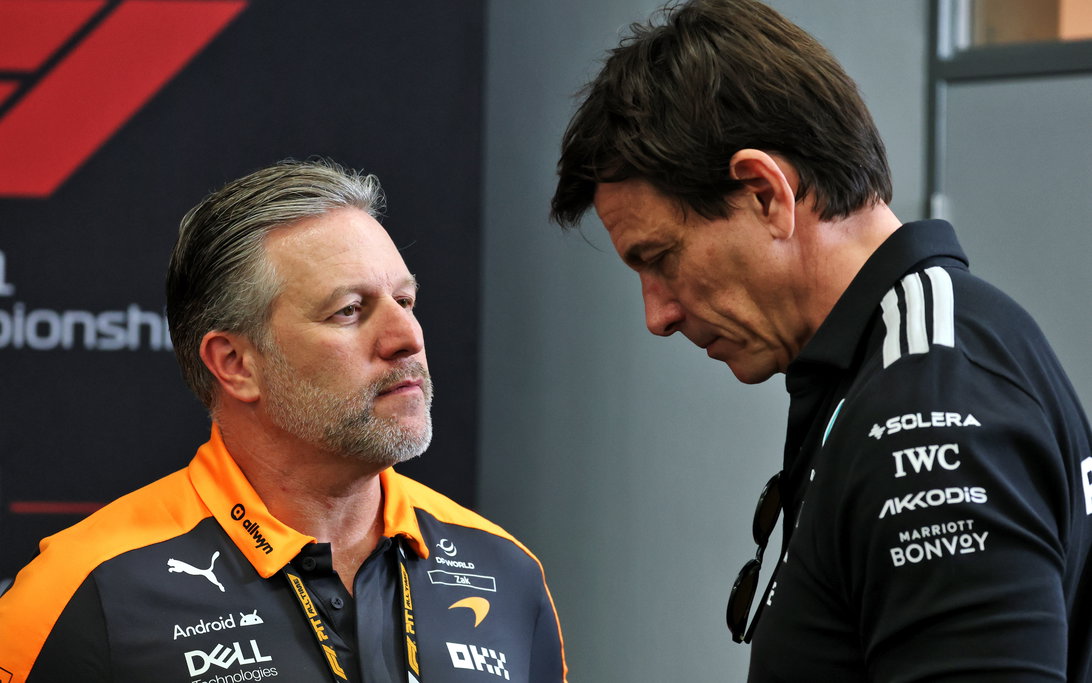
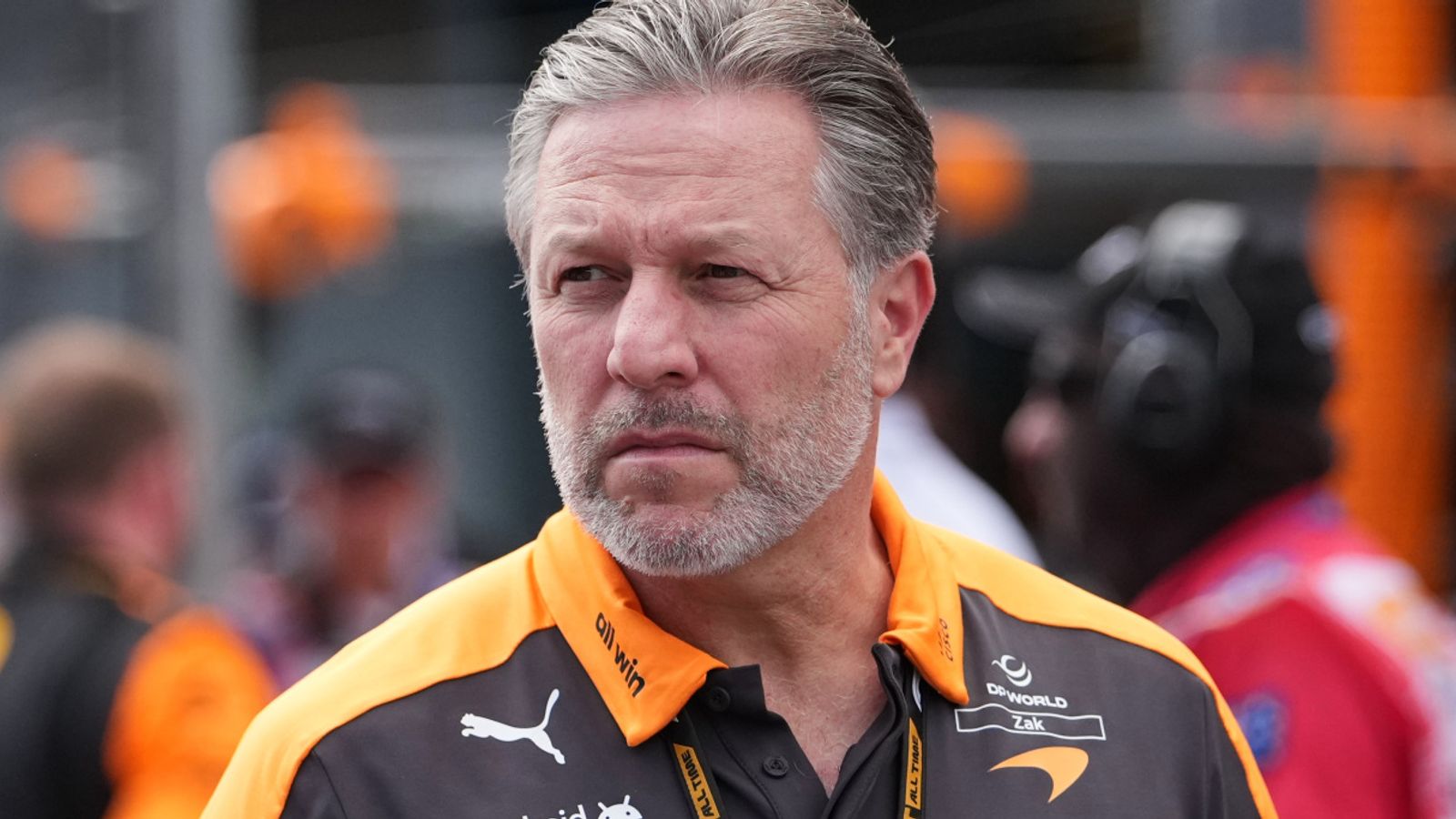
McLaren boss Zak Brown says co‑ownership of F1 teams threatens sport integrity, citing Mercedes’ potential Alpine stake and Red Bull’s Racing Bulls. He urges FIA oversight and warns against expanding the model.
McLaren boss Zak Brown warns Mercedes’ push for an Alpine stake could deepen “A‑B team” ties, threatening sporting integrity. He urges limits on cross‑team ownership, keeping all 11 teams independent.
Champion Sebastian Vettel backs the recent Miami rule changes, urging the sport to restore the adrenaline‑filled racing that drivers and fans crave, while praising the shift to sustainable fuel.