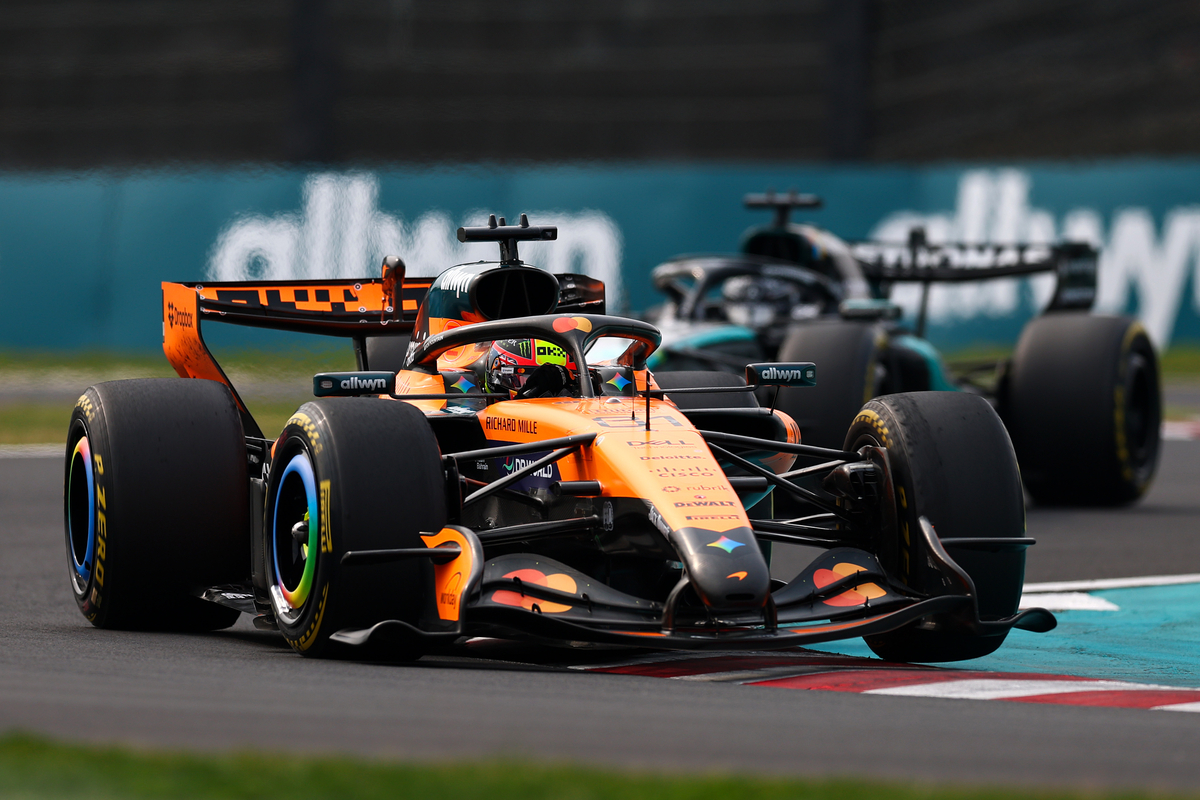
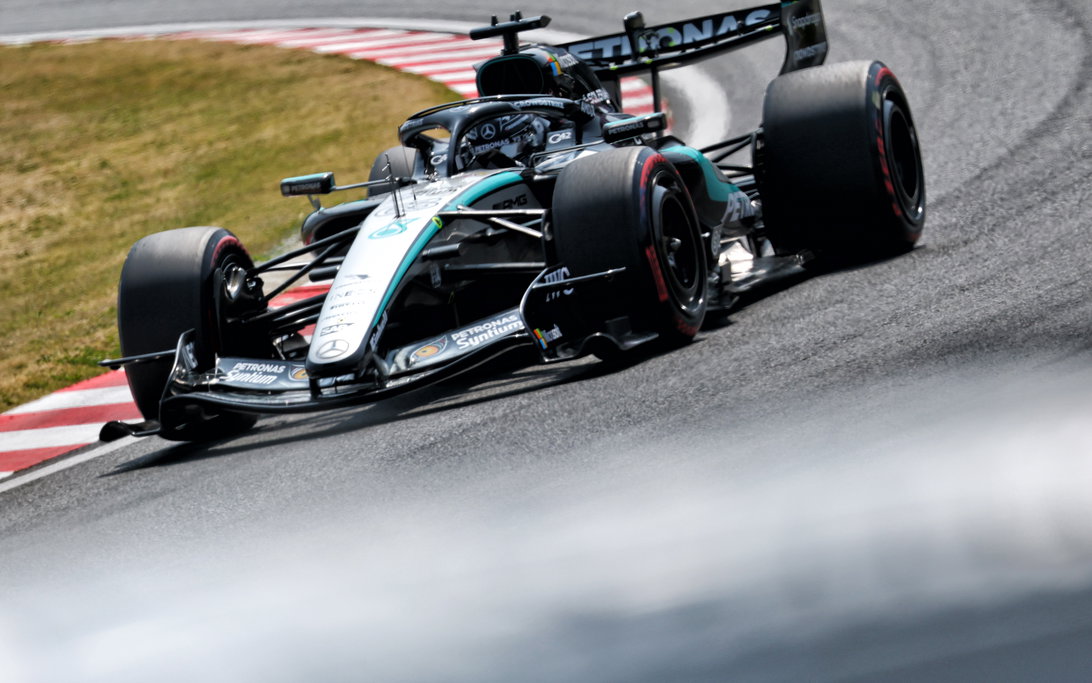
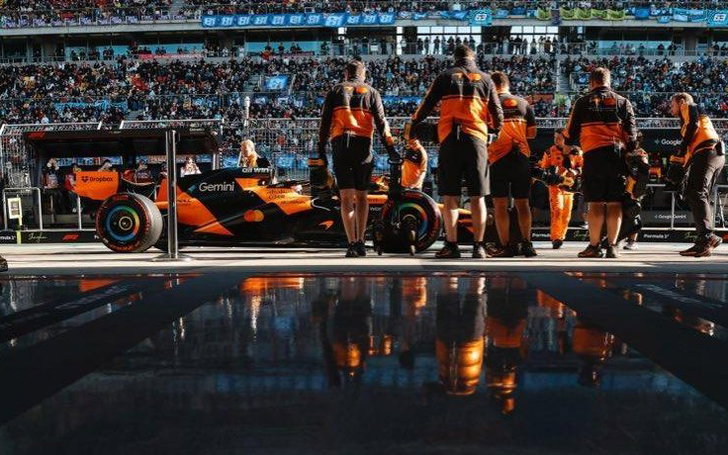
McLaren will debut a revised MCL40 at the Miami Grand Prix, aiming to recover from a double DNS in China and a rough start to 2026. The update targets aero gains to close the gap to front‑runners.
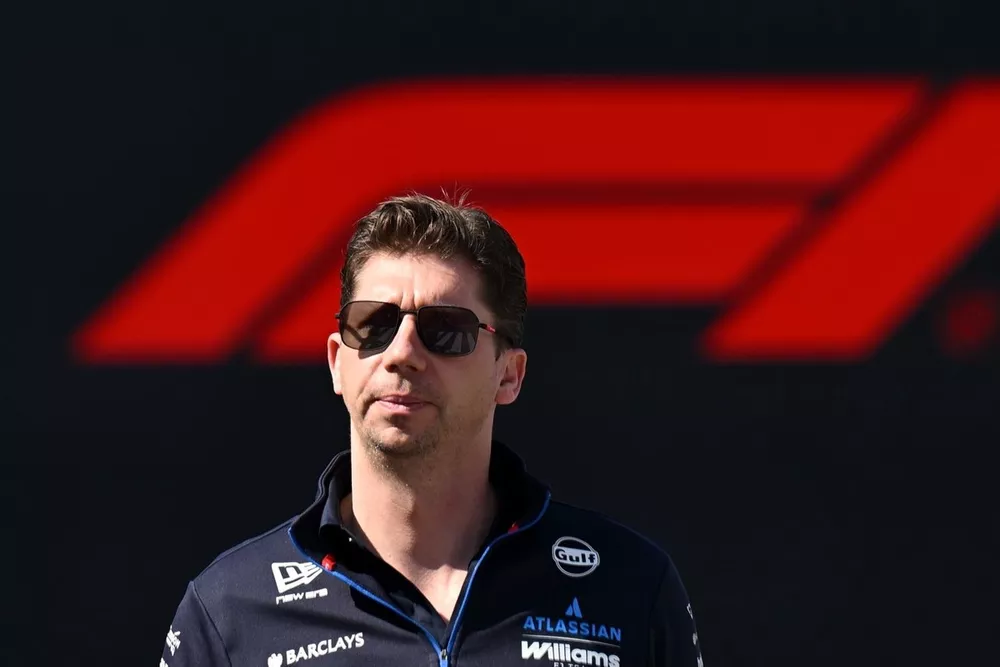
Williams F1 boss James Vowles has openly addressed the team's difficult start to the 2026 season, citing it as a test of their resilience. He detailed how the squad is using an unexpected five-week break to analyze data, push development—particularly on car weight—and prepare for the Miami GP, where they aim to show progress.
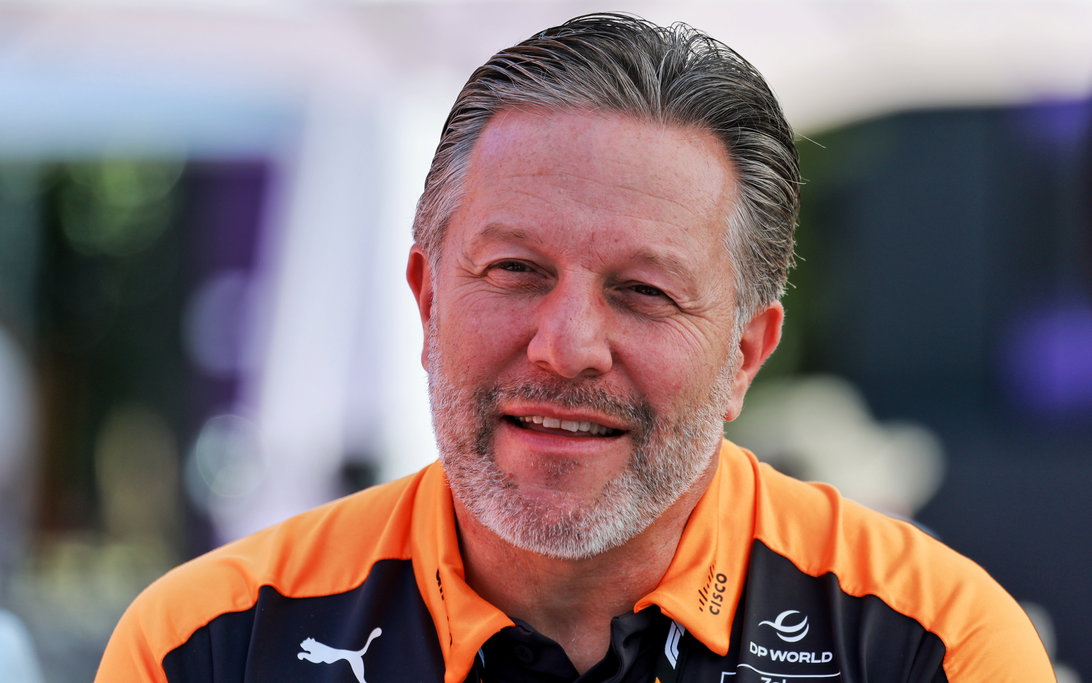
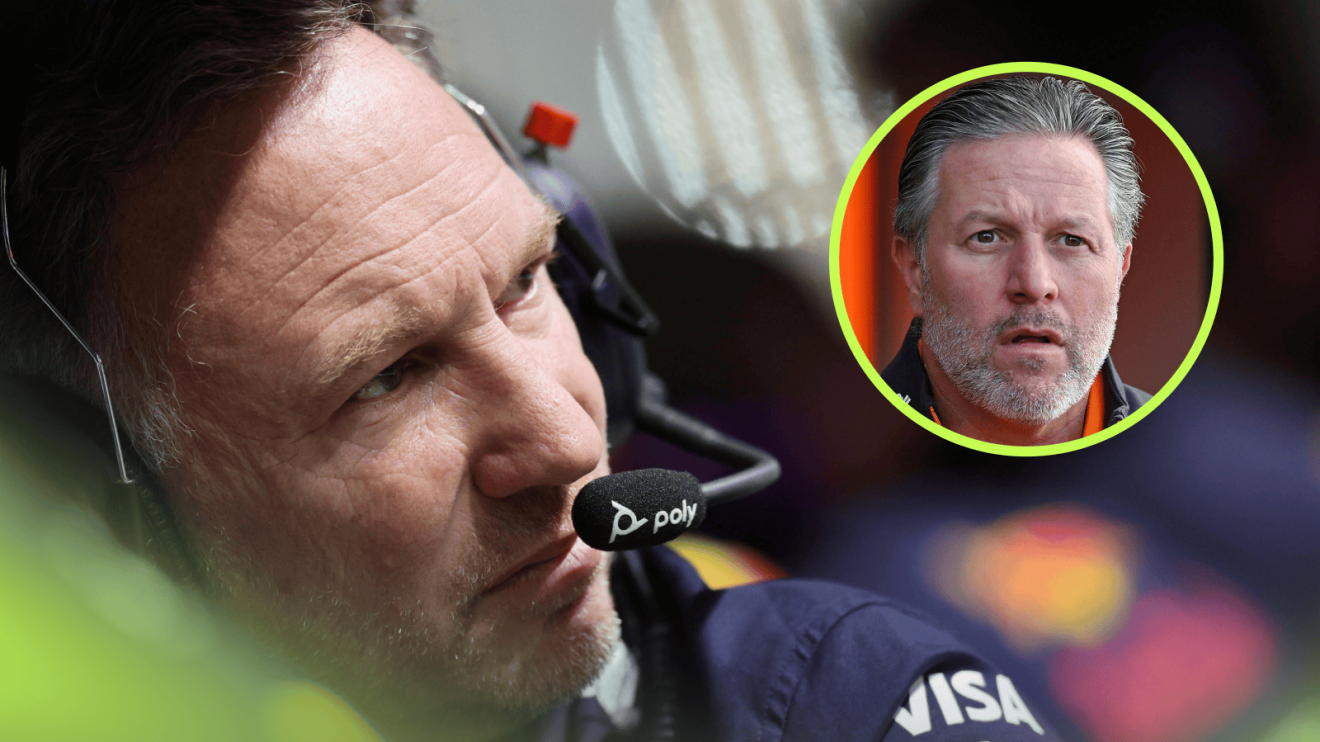
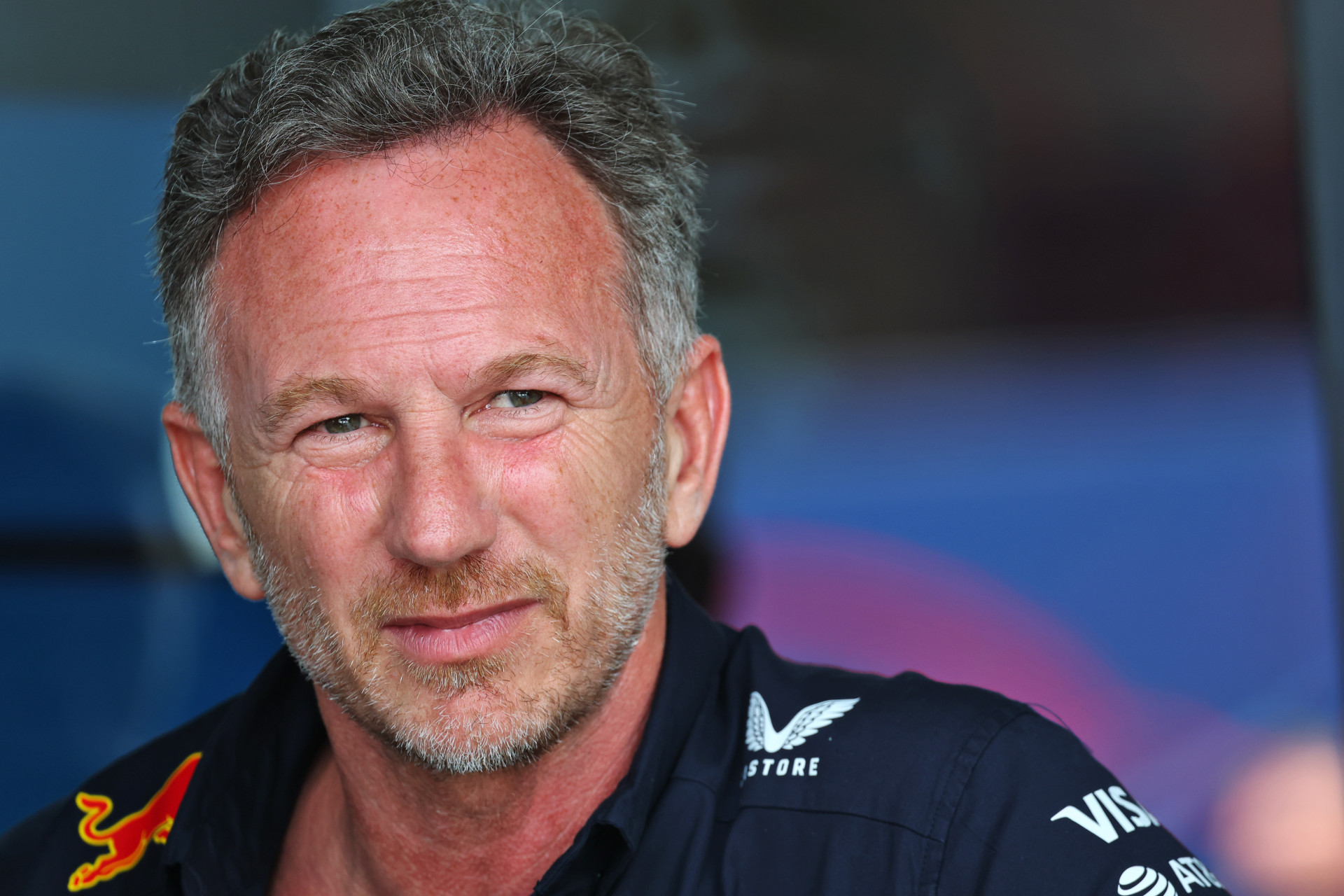
Former McLaren boss Zak Brown argues that F1 needs strong personalities like Christian Horner, praising his record and hinting at a possible 2026 comeback as Red Bull reshapes its leadership.
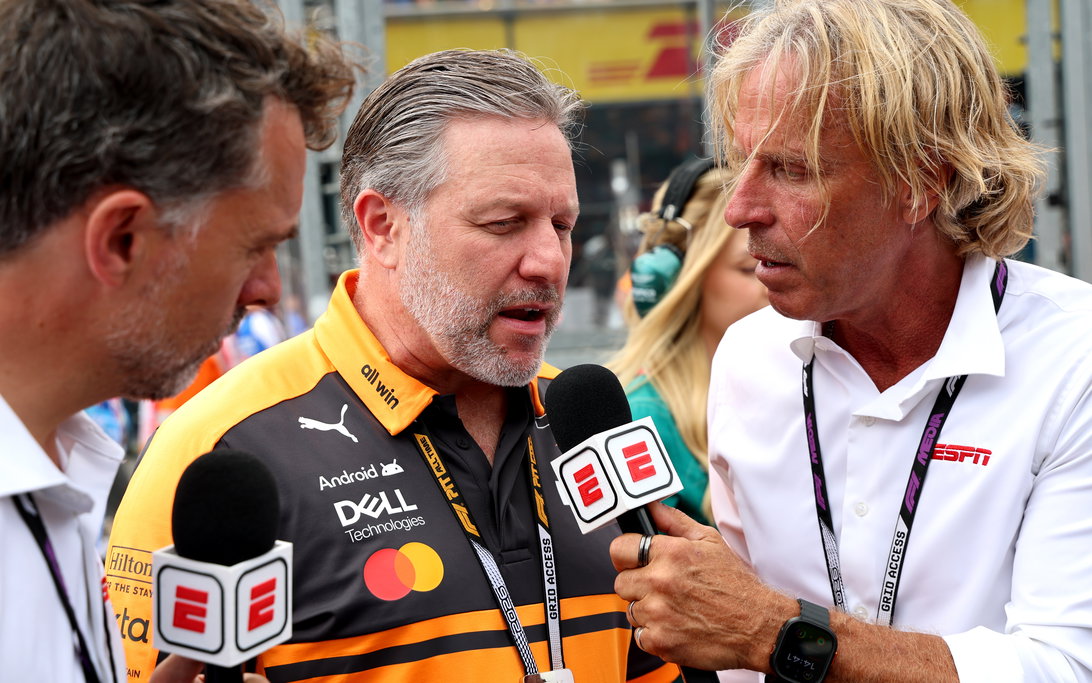
McLaren CEO Zak Brown warns Red Bull’s ownership of two F1 teams creates an A‑team/B‑team dynamic that threatens sporting fairness, skews the cost‑cap and could turn fans away, urging FIA action.
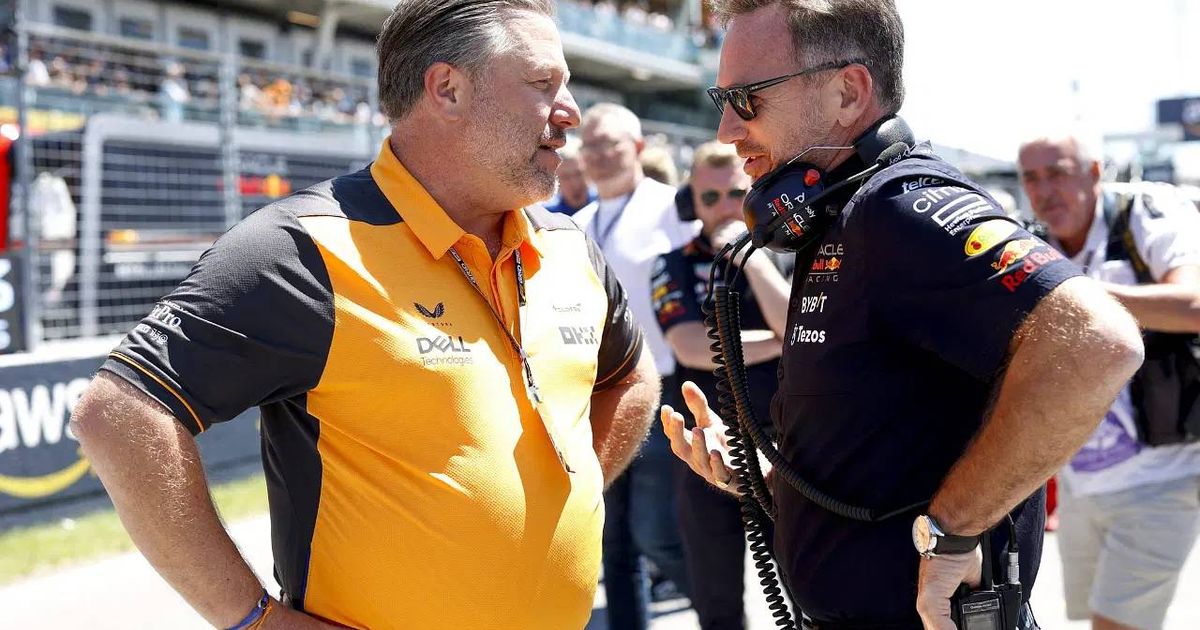
McLaren chief Zak Brown says F1 would benefit from Christian Horner’s return, but he’d prefer ten weak principals over the former Red Bull boss taking a standard team‑principal role. Horner is rumored to eye a stake in Alpine, not a conventional job.
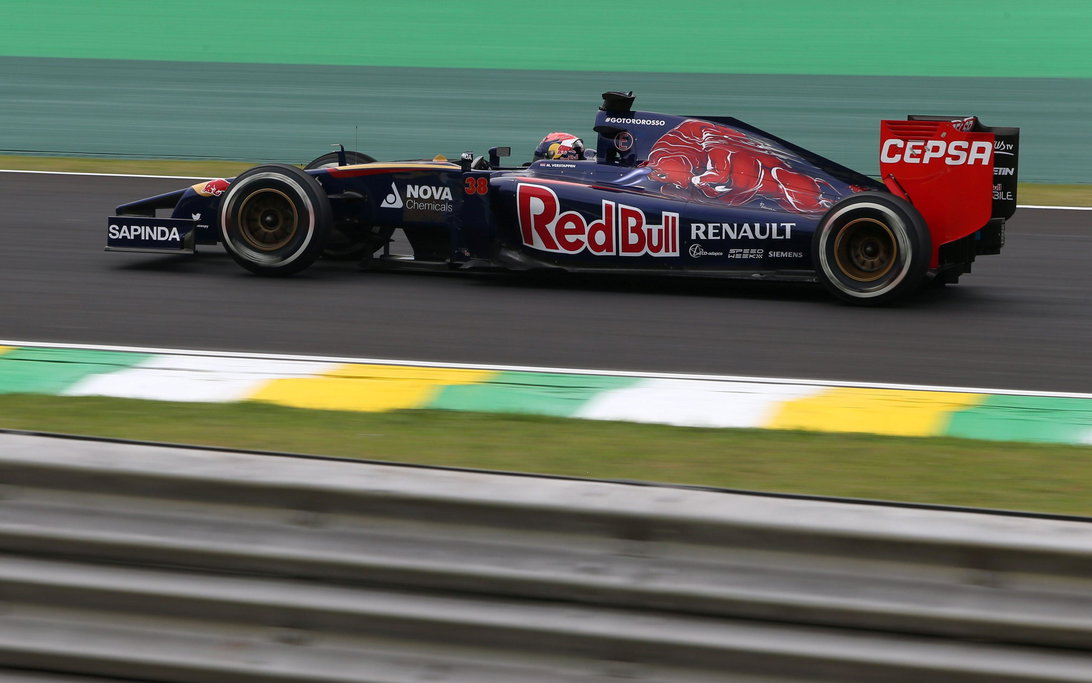
Max Verstappen’s manager recalled a 2014 FP1 weekend in São Paulo when a zero‑budget forced the team to share a single hotel room and use a baby crib as Max’s 'bed'. The anecdote highlights the humble, scrappy start of the future champion.
F1 has enacted mid-season technical changes for 2026 to improve qualifying and address safety. McLaren's Oscar Piastri views the tweaks, which limit energy harvesting and boost mode power, as a positive step but cautions that their full impact will vary by circuit and take time to assess.
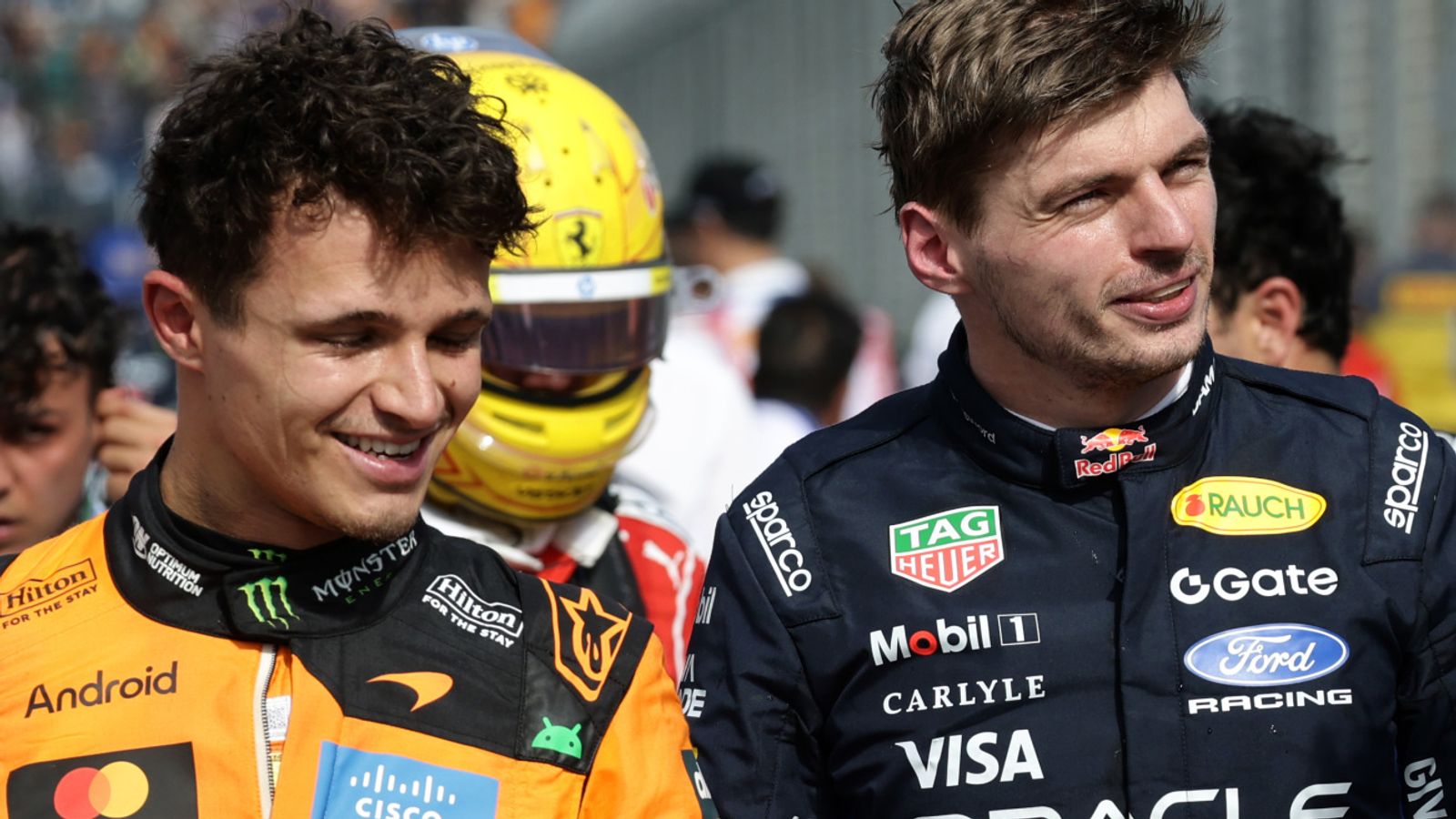
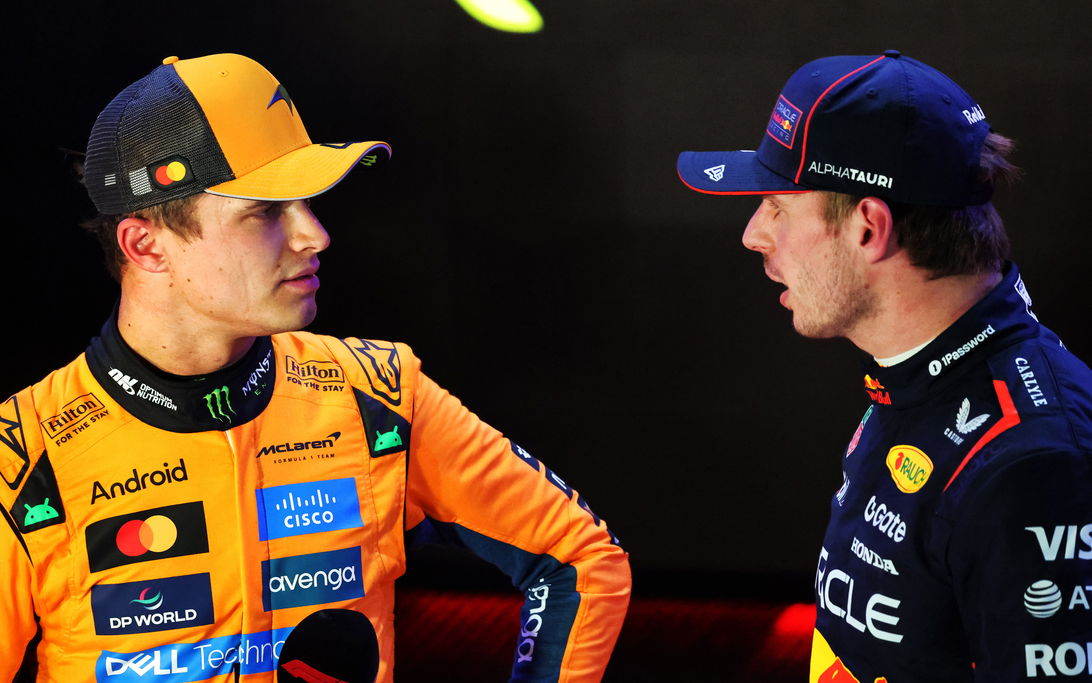
Lando Norris says Max Verstappen will likely stay beyond 2024, warning his exit would hurt F1. Oscar Piastri agrees, noting Verstappen sets the benchmark. They also discuss the 2026 hybrid cars and the move of Verstappen’s engineer to McLaren.
McLaren CEO Zak Brown warned that Mercedes’ plan to buy a 24% stake in Alpine would create an A‑team/B‑team link, threatening sport integrity, financial fairness and fan trust, and may prompt action.
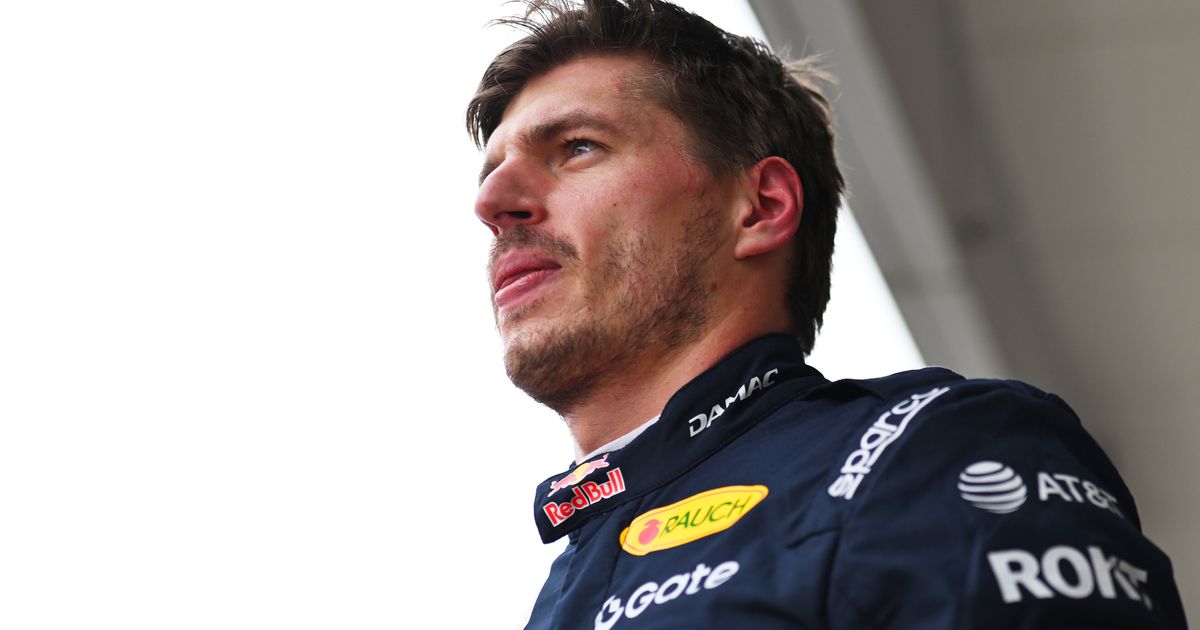
Lando Norris dismissed Max Verstappen’s quit hint, saying losing the four‑time champion would hurt F1. Though Verstappen has criticised the 50‑50 hybrid and sits ninth, he still aims for a fifth title.
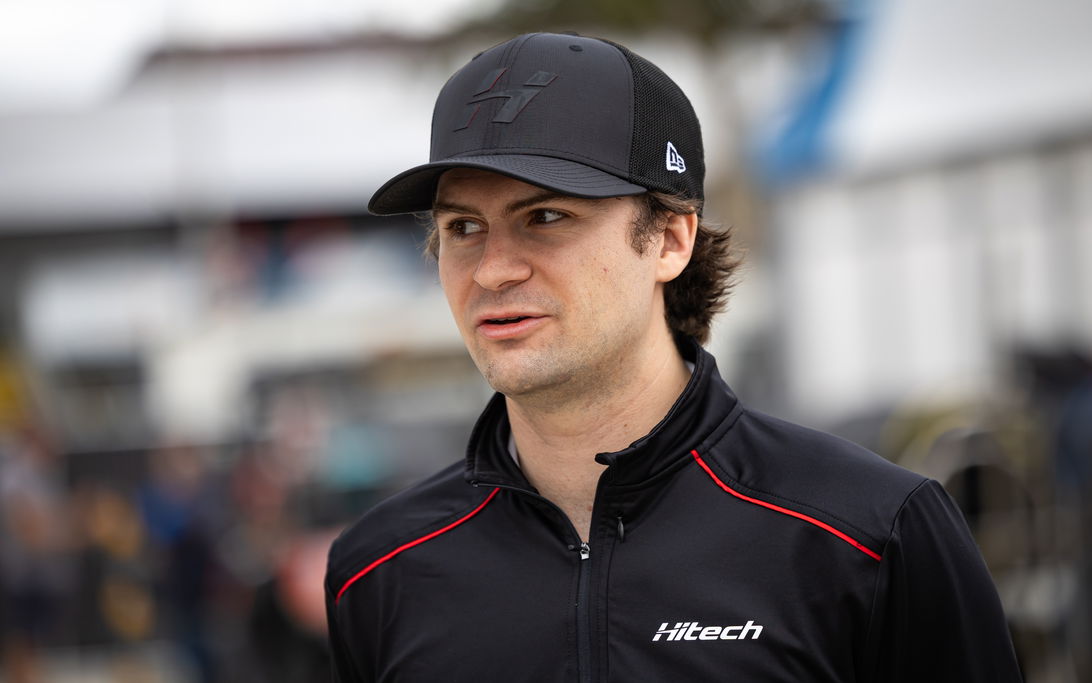
IndyCar Colton Herta says his AlphaTauri contract fell apart after being 8 points short of the FIA’s 40‑point super‑license and Helmut Marko’s odds swung from 80% to 40% before an exemption was denied.
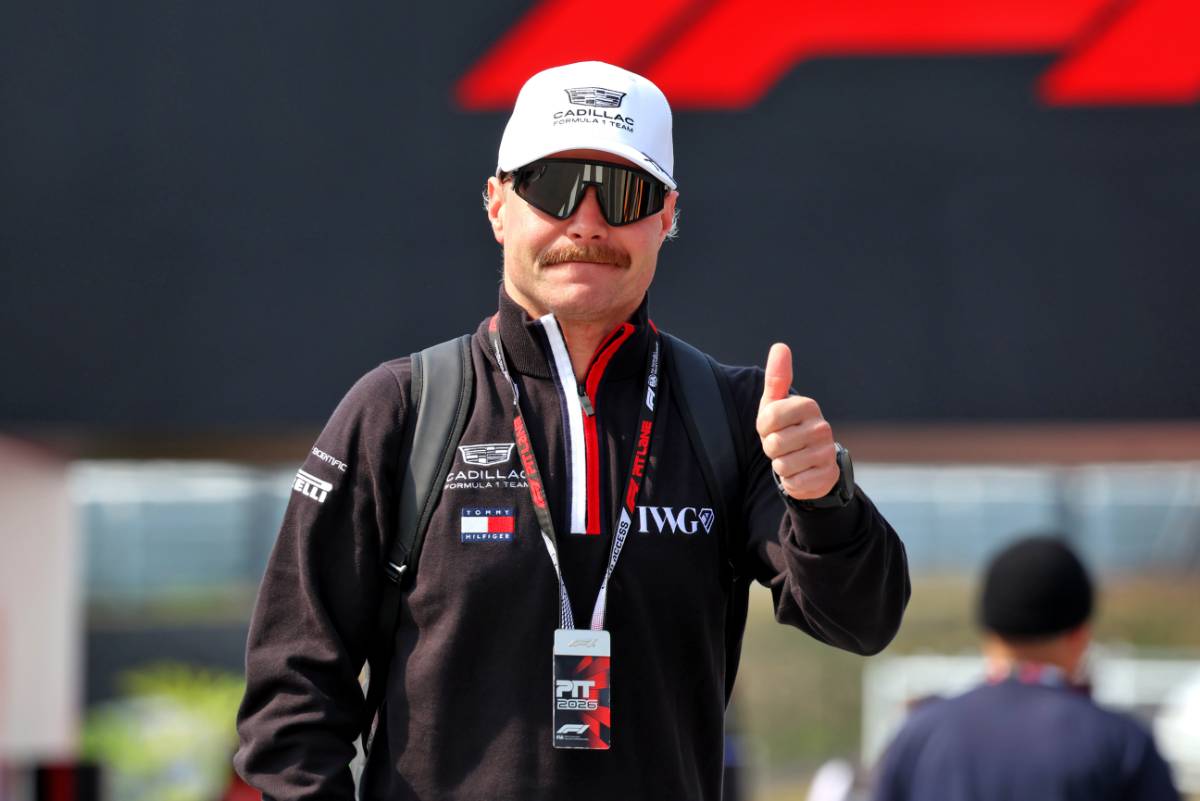
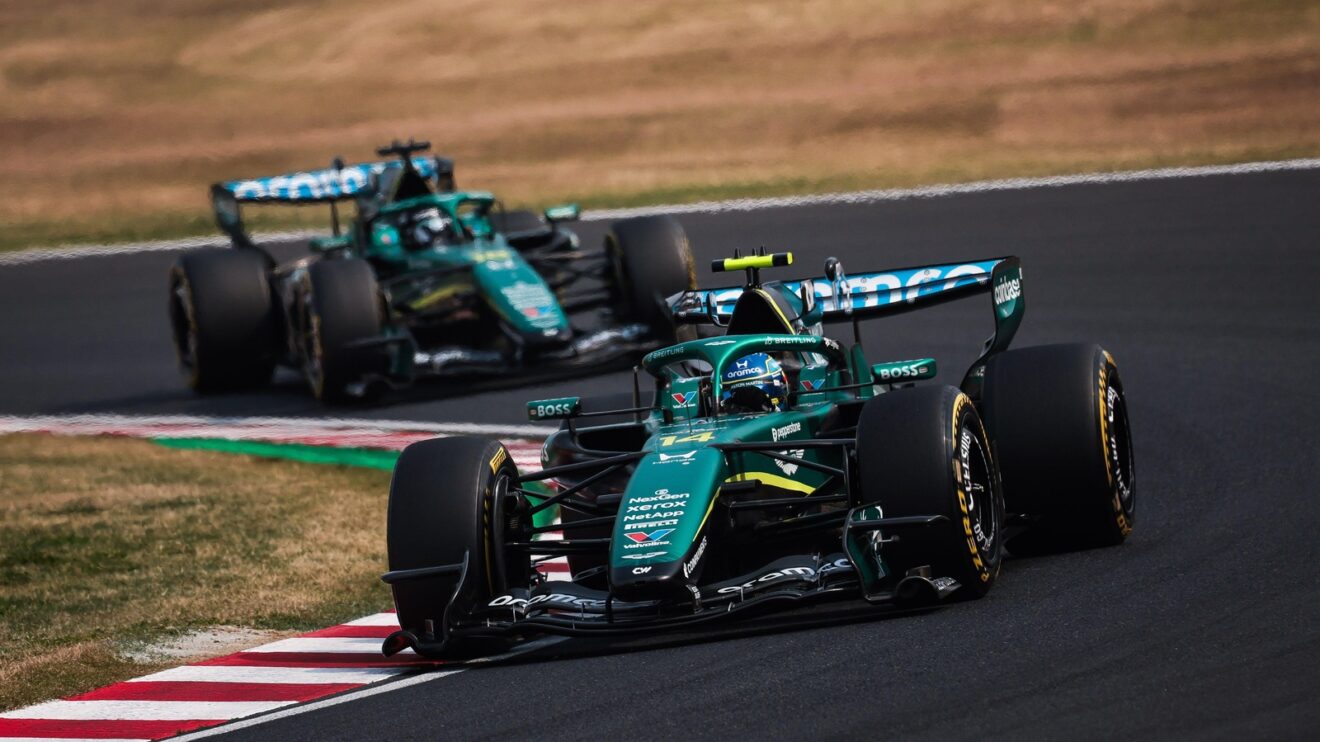
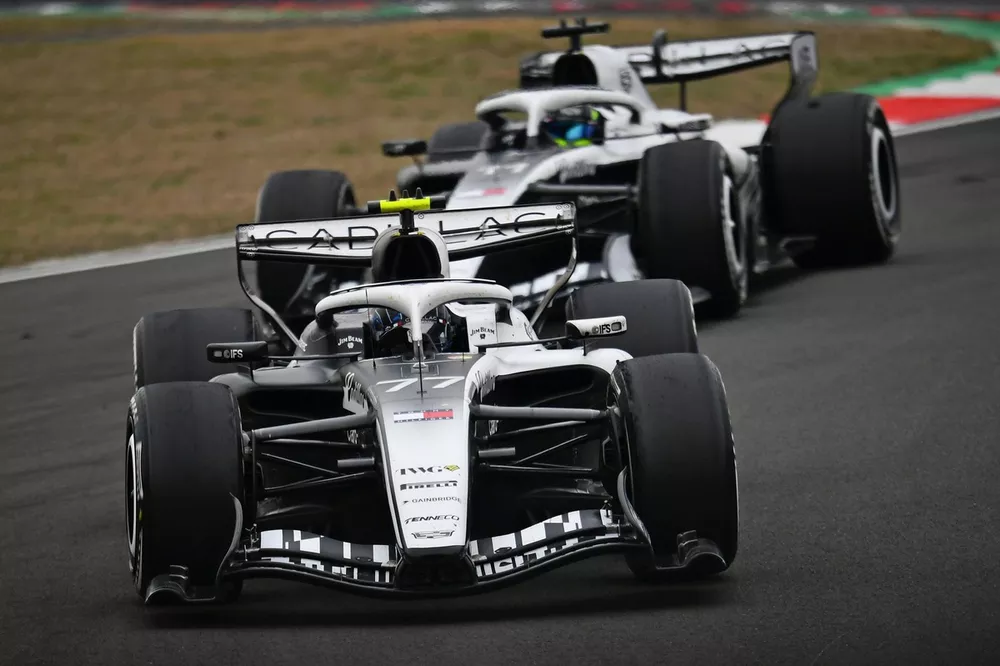
Cadillac’s debut F1 season with Perez and Bottas has yet to score points after three races, but lap‑time gains versus Aston Martin and a driver line‑up give hope as team eyes points before mid‑season.