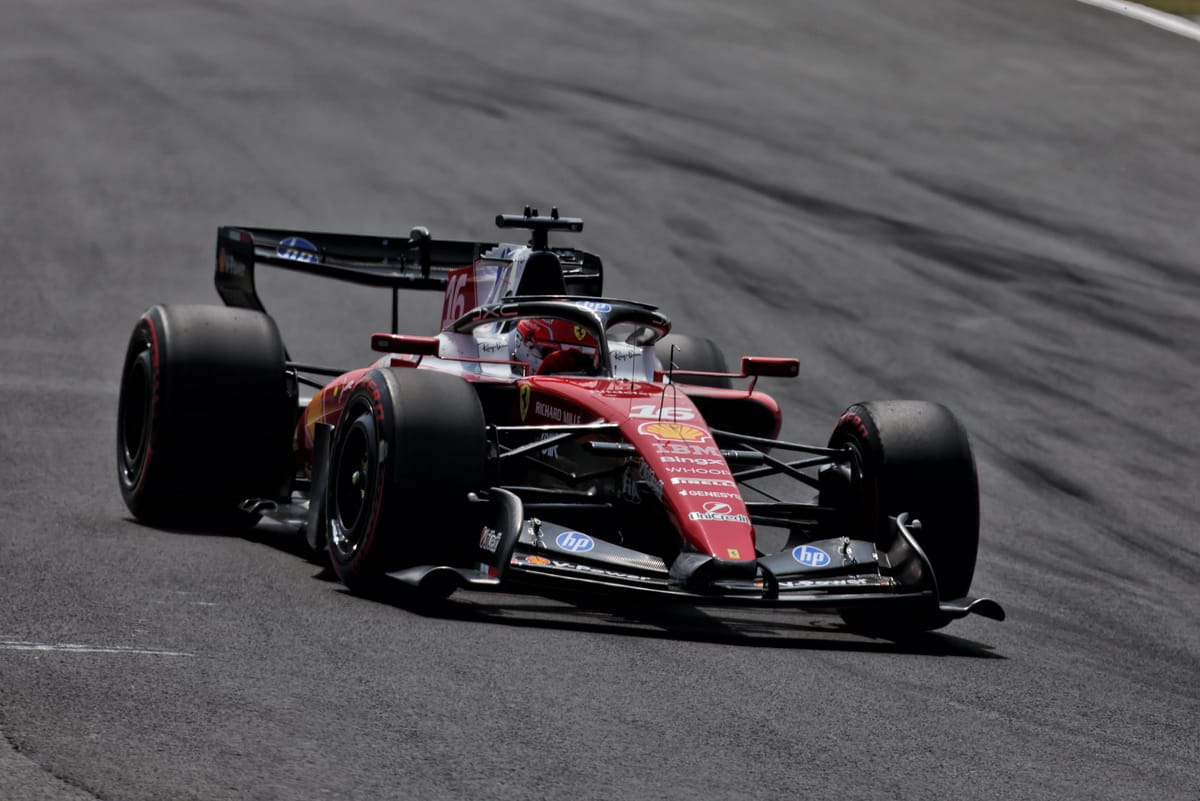
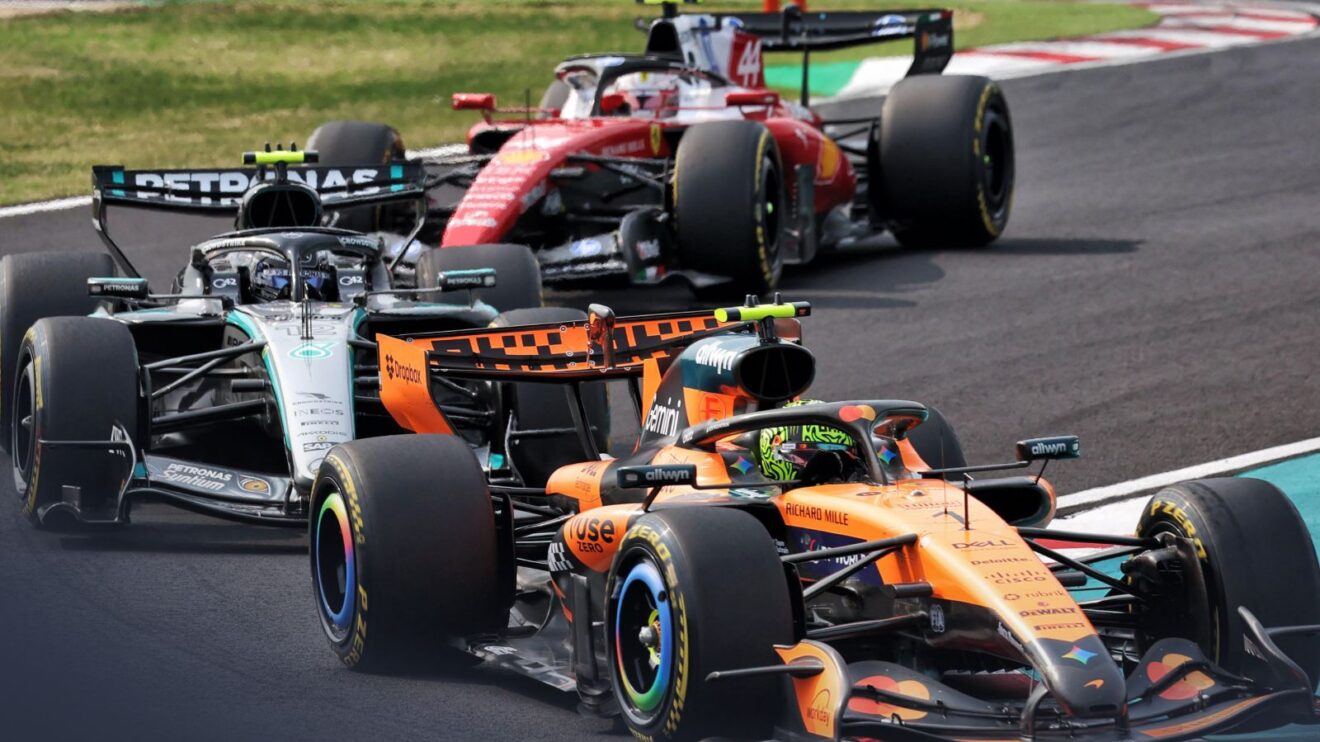
F1's new 2026 cars are under fire for being too heavy and difficult to drive, leading to an "exploding" drivers' WhatsApp group and emergency talks for rule changes. Meanwhile, Max Verstappen hints at retirement and Lance Stroll takes on a GT3 challenge, signaling a turbulent start to the new era.
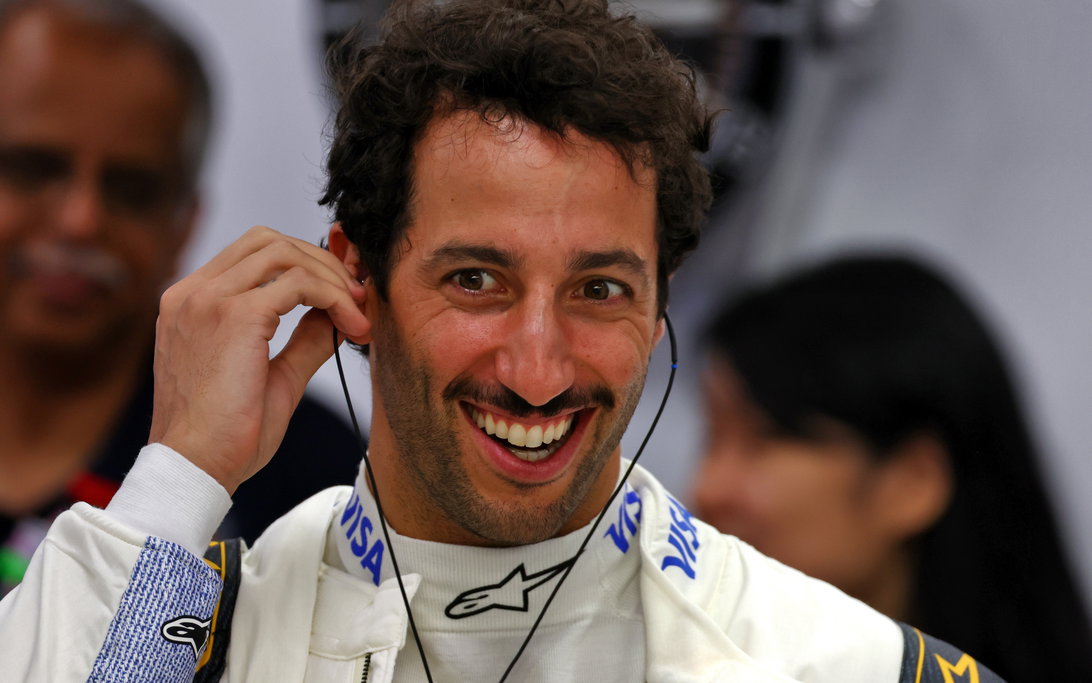
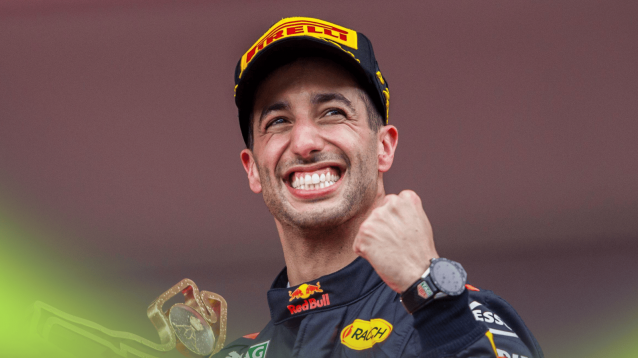
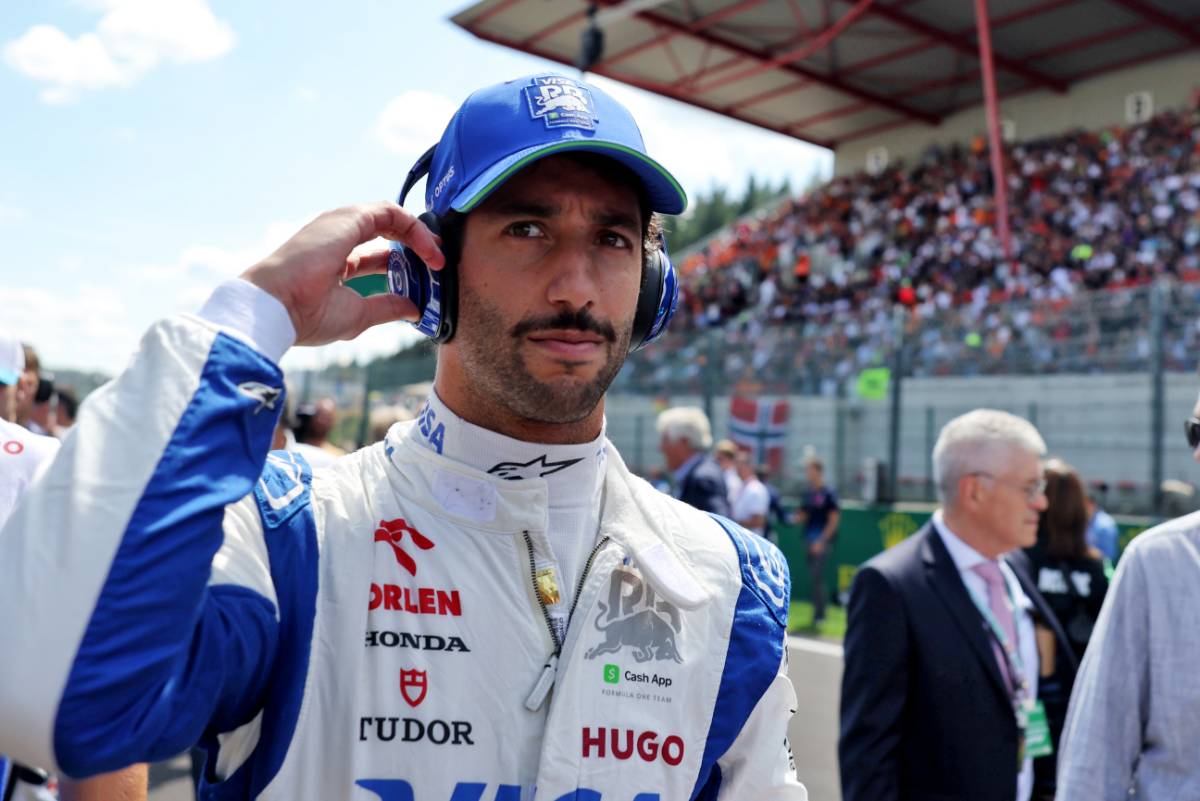
In a candid podcast interview, Daniel Ricciardo says he is thankful Red Bull ended his F1 contract, admitting exhaustion and a decline in performance made it hard for him to quit. The eight-time race winner reflected on being let go twice and acknowledged he could no longer perform at the level of veterans like Fernando Alonso.
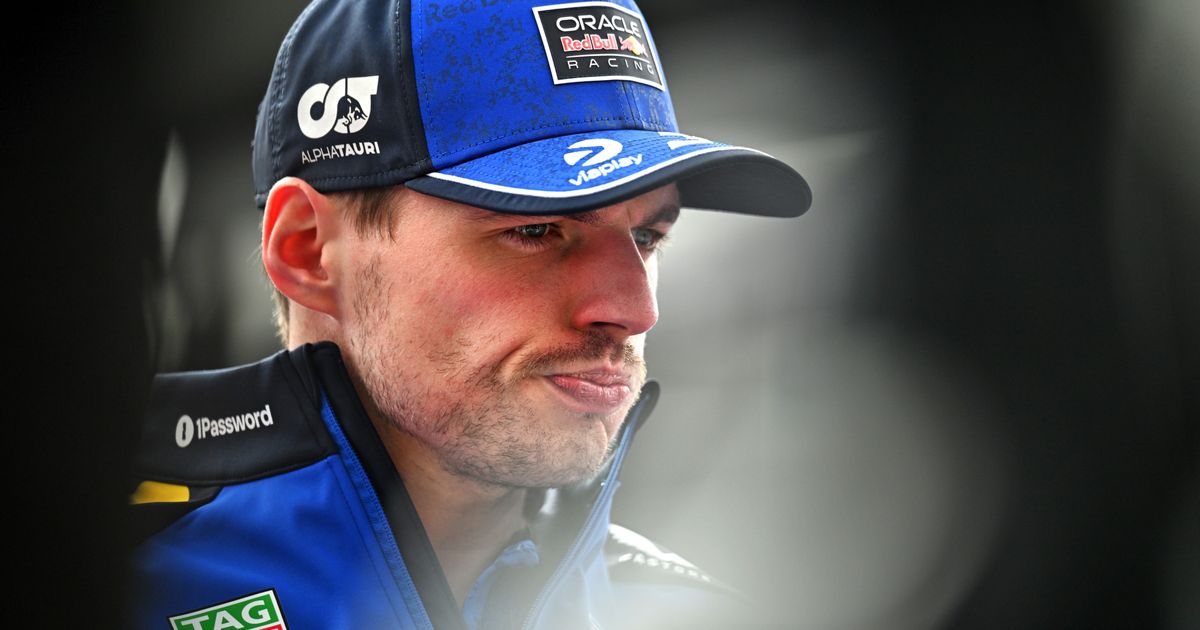
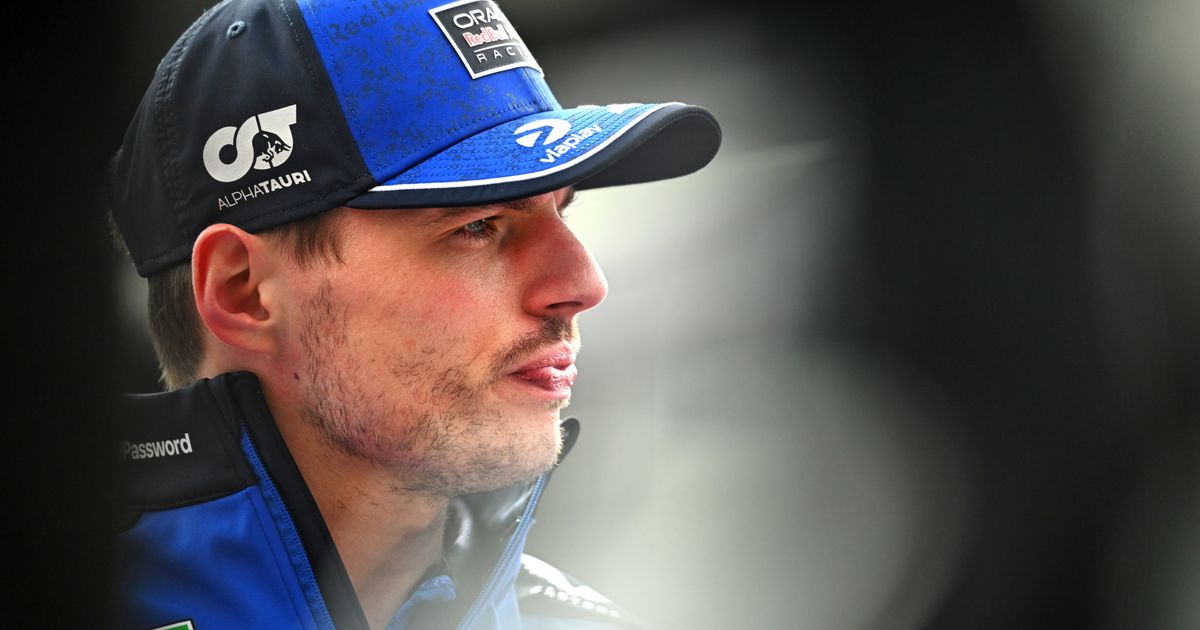
Amid a poor start to the 2026 season, Max Verstappen has escalated his criticism of F1's new regulations, mocking the 'Mario Kart'-style racing during a personal livestream. His public frustration, combined with Red Bull's lack of pace, has led to serious questions about his motivation and even hints at a possible early retirement from the sport.
Daniel Ricciardo says he is ultimately thankful Red Bull made the decision to end his F1 career, admitting the emotional exhaustion from his performance struggles made a clear external call a relief. The Australian driver reflected on the slow realization of his declining fire and the mental toll of his final seasons.
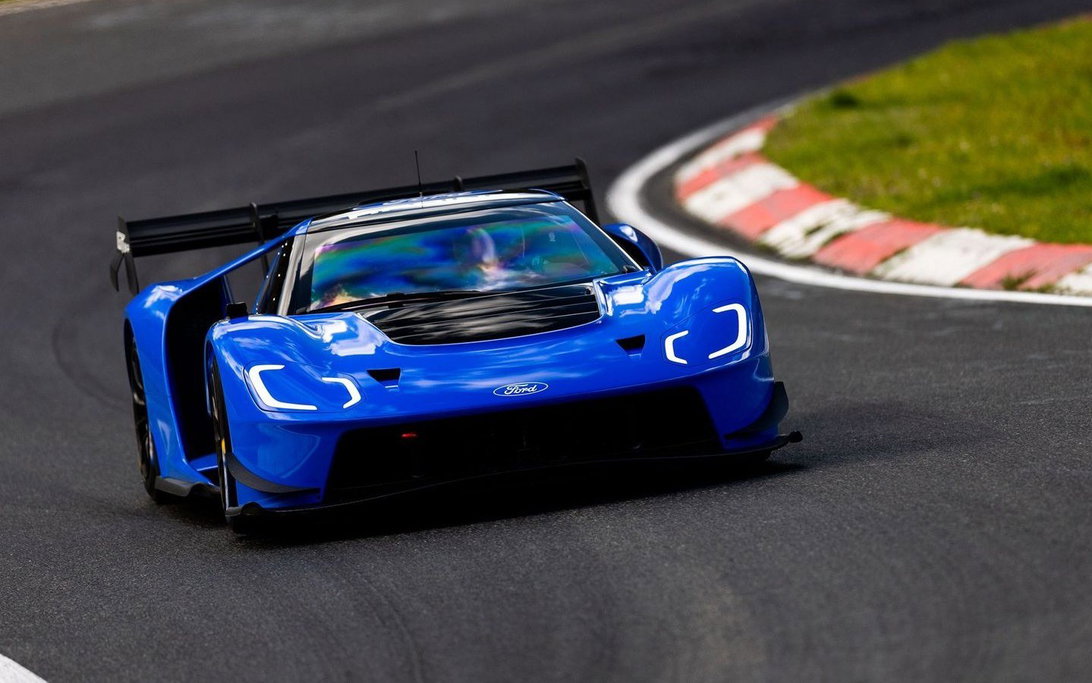
Ford's GT Mk IV has set a new overall production car lap record at the Nürburgring Nordschleife with a time of 6:15.977, breaking the previous record by over 13 seconds. The car also claimed the records for fastest internal combustion engine vehicle and fastest American production car on the iconic German circuit.
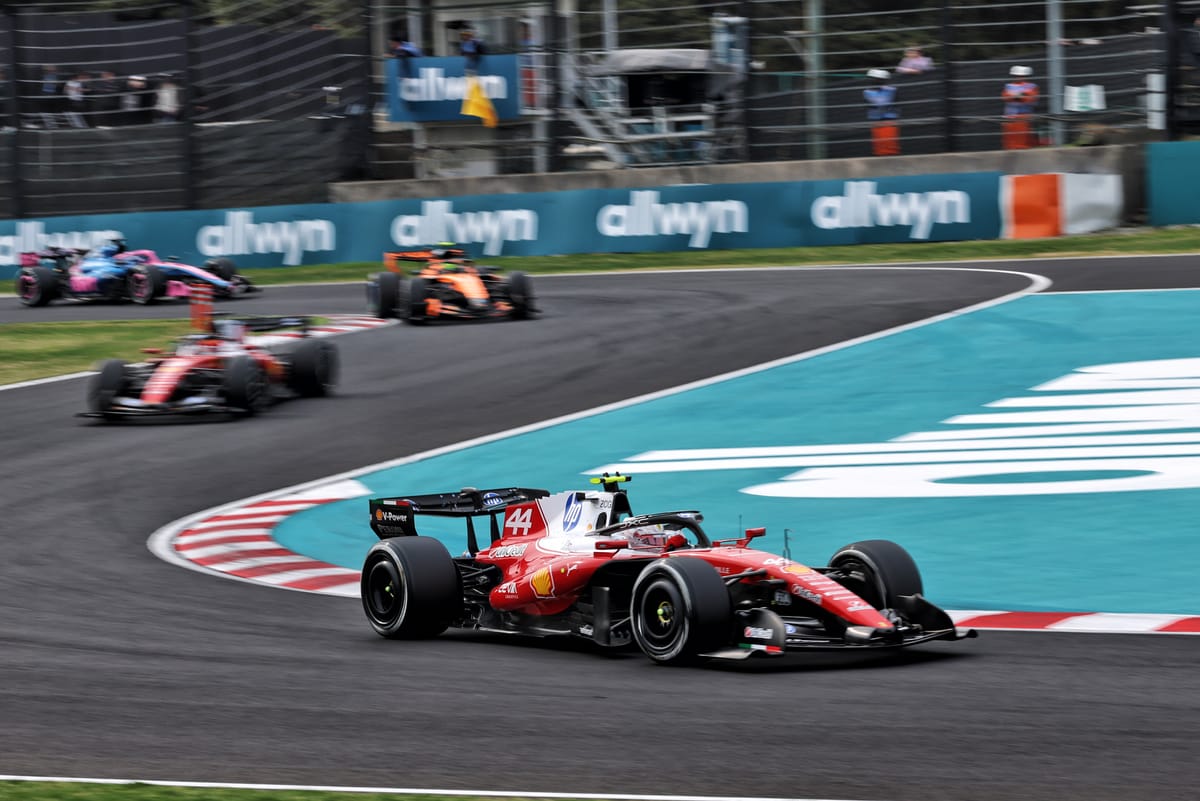
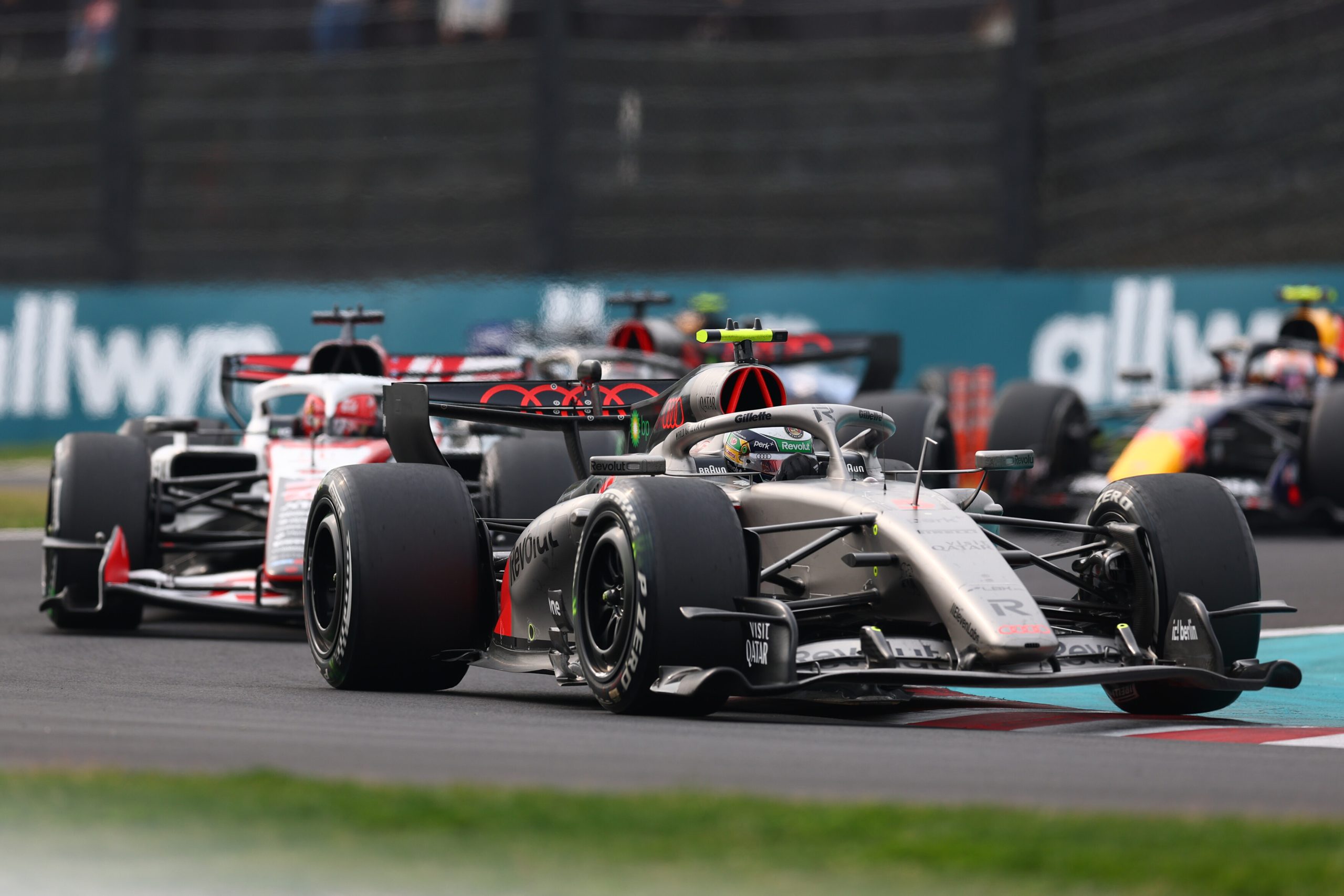
Audi’s debut F1 campaign stumbled at Suzuka as Hulkenberg and Bortoleto lost several places off the line, and the team now admits its weak starts can’t be solved soon. Team principal Mattia Binotto points to power‑unit development lag and a 2030 championship plan as the framework for patient improvement.
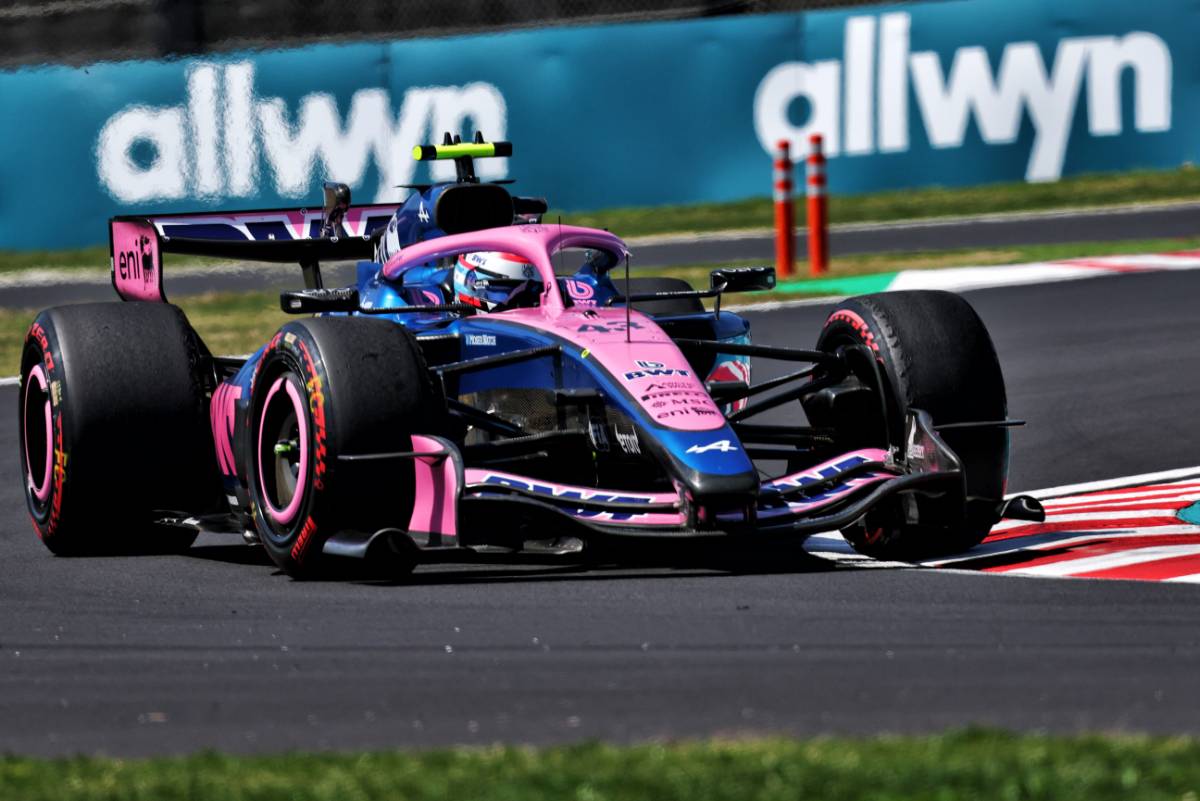
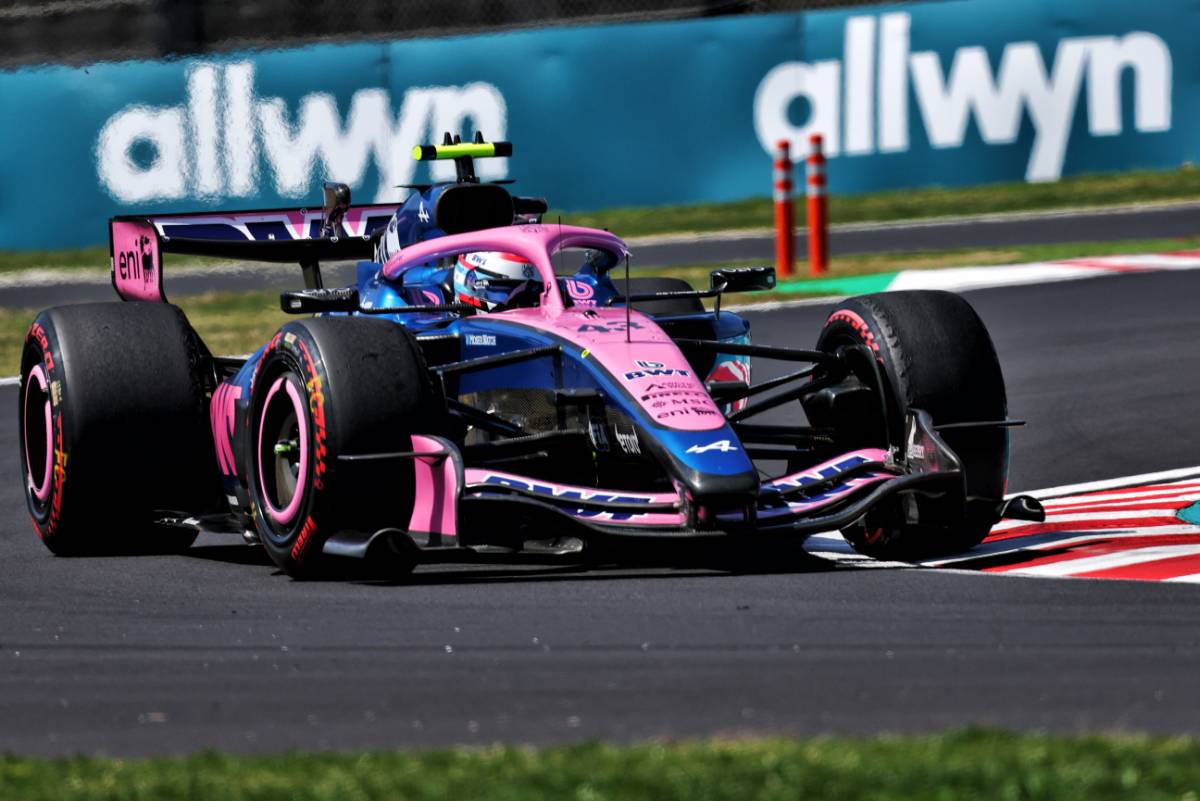
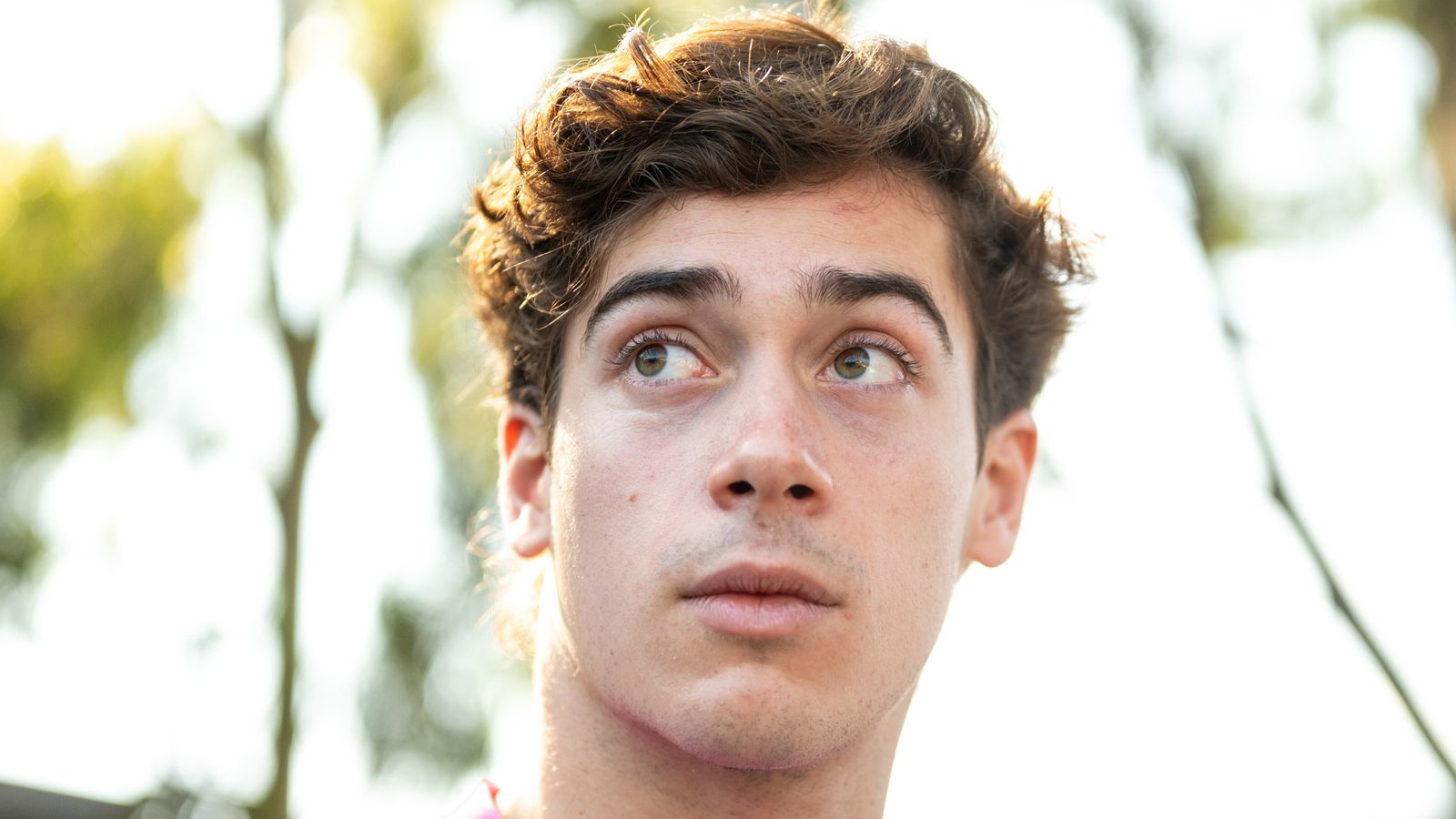
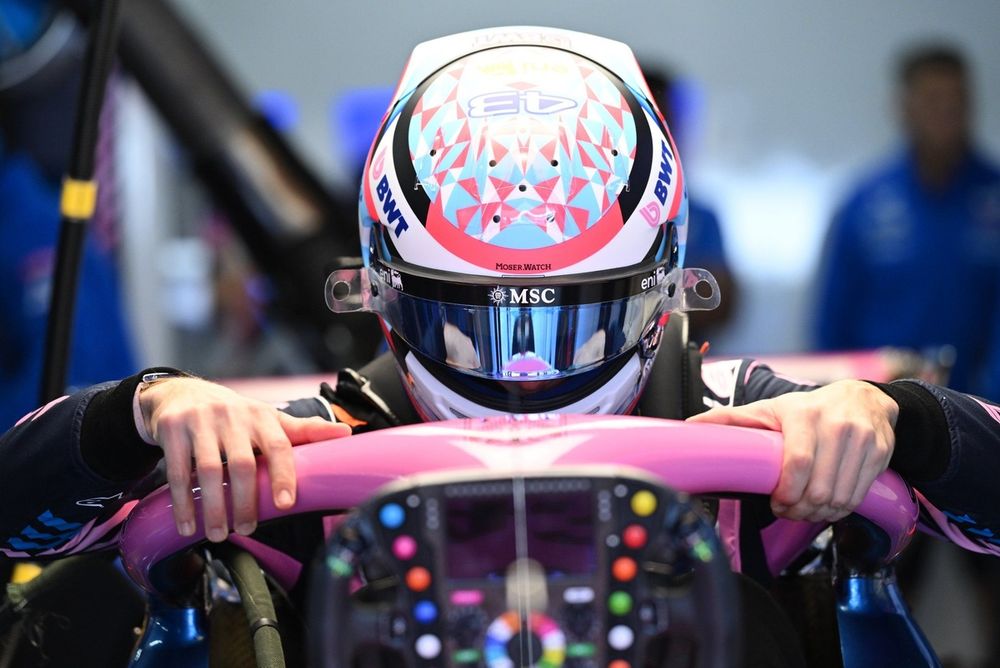
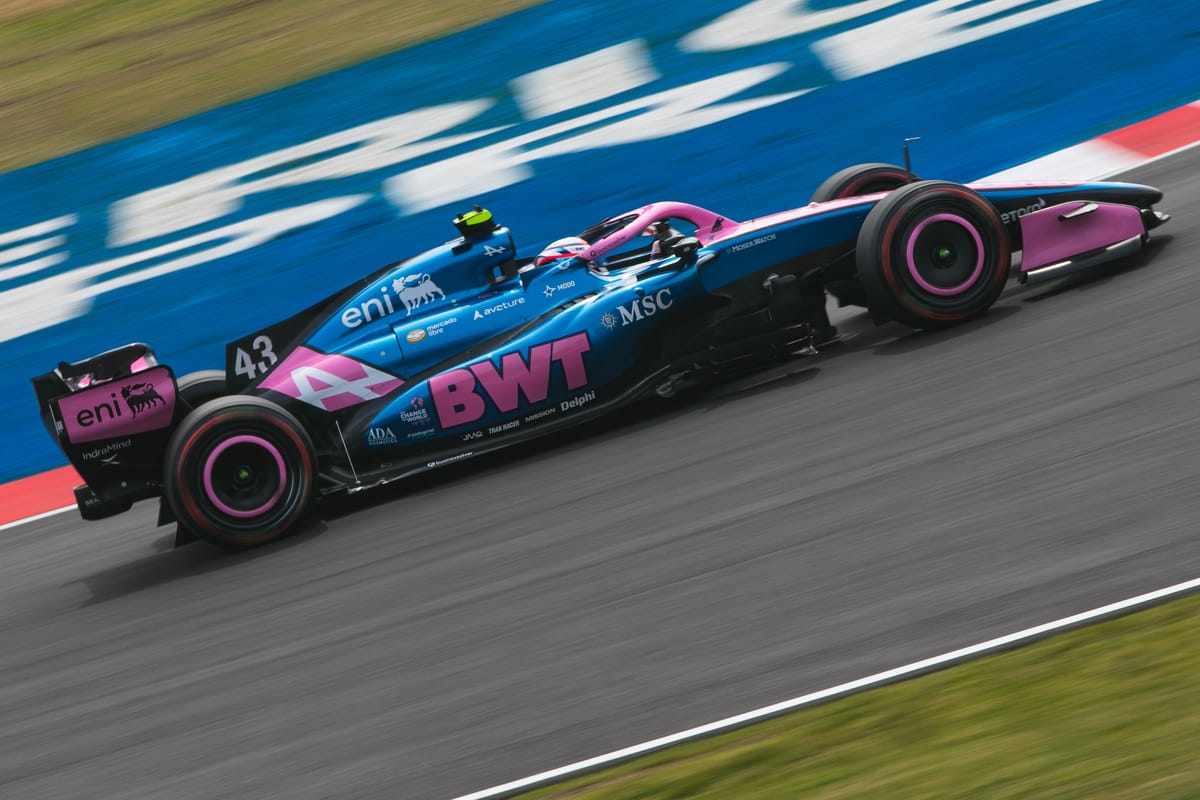
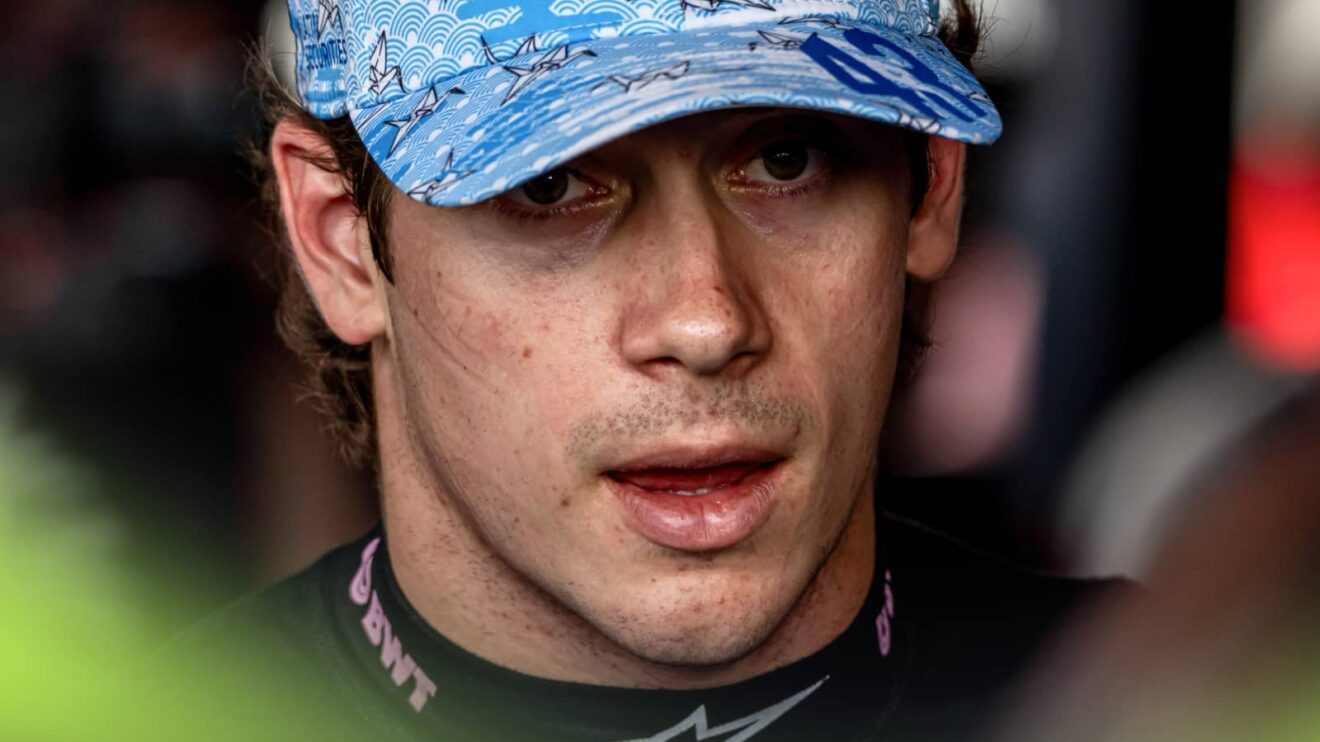
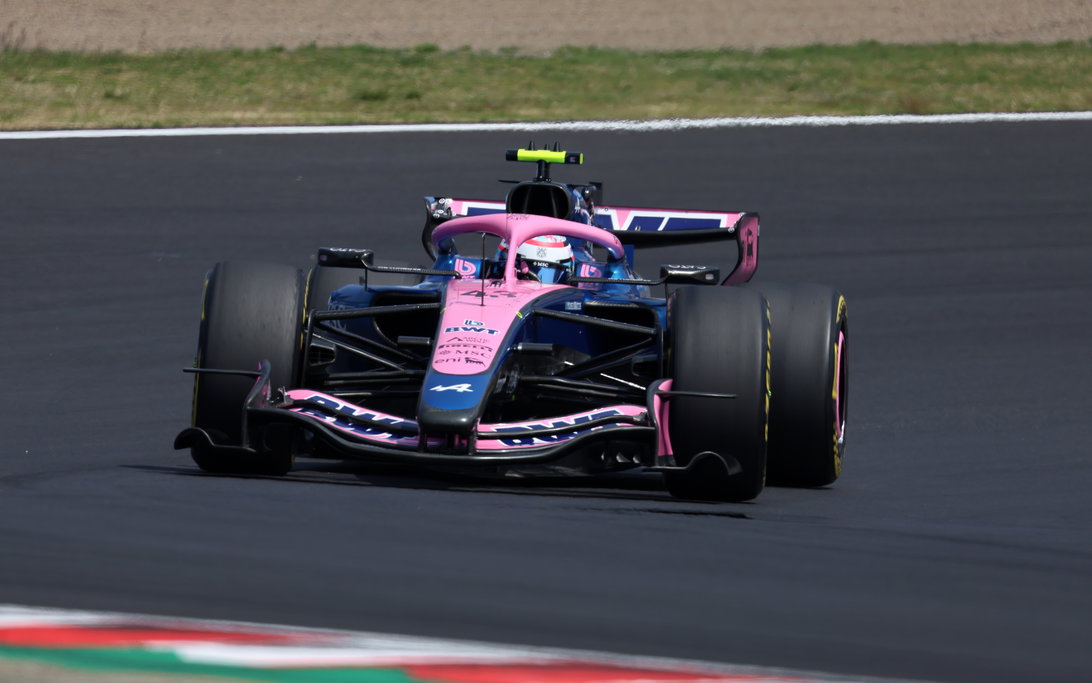
Alpine has released a detailed open letter condemning the social media abuse aimed at Franco Colapinto after his Japanese GP crash and firmly denying fan theories of internal sabotage. The team equated the hate to previous abuse received by Esteban Ocon and called for respectful debate, while clarifying both drivers receive equal equipment and support.
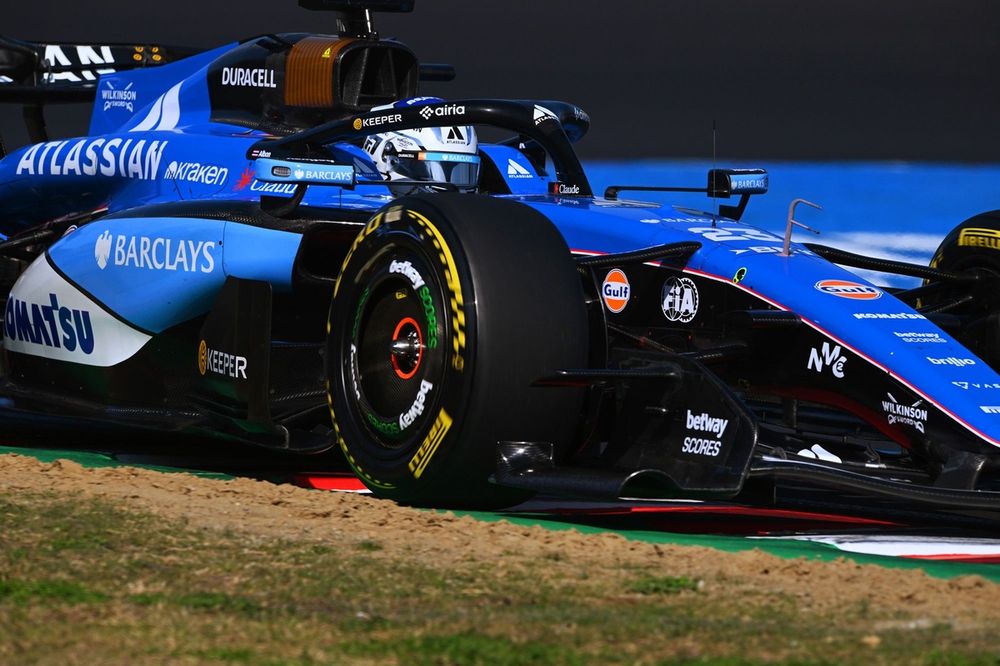
Williams turned the final laps of the Japanese GP into a live aerodynamic lab, repeatedly pitting Alex Albon to adjust his front wing and collect data. This extreme test session aimed to solve the car's persistent lack of front-end grip and validate development models during a period where scoring points was impossible.
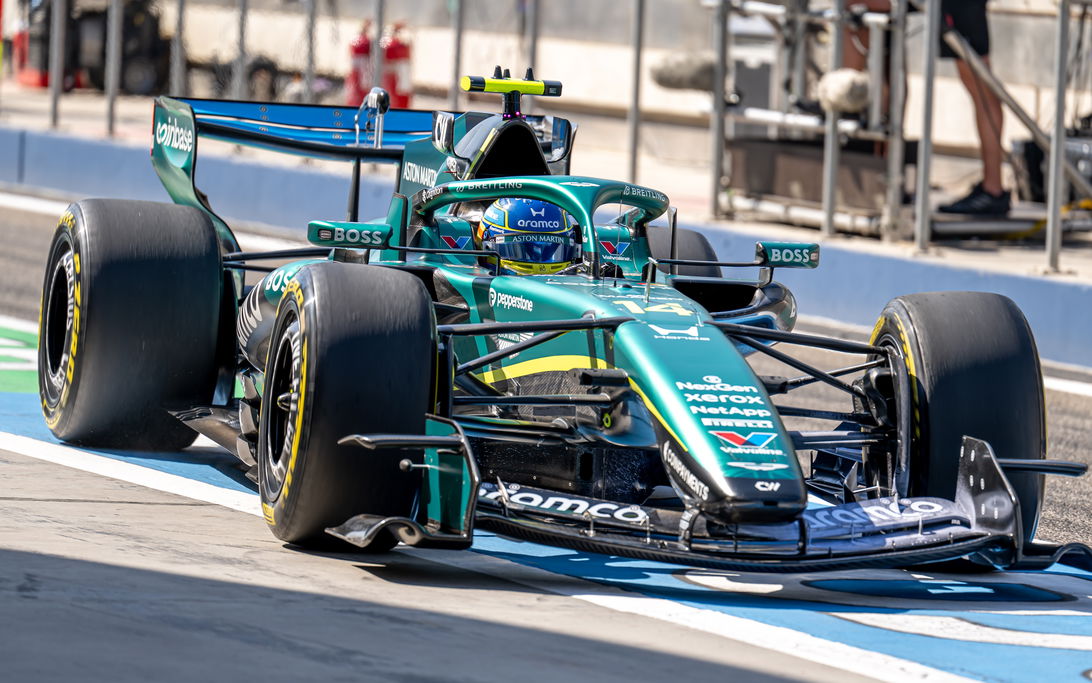
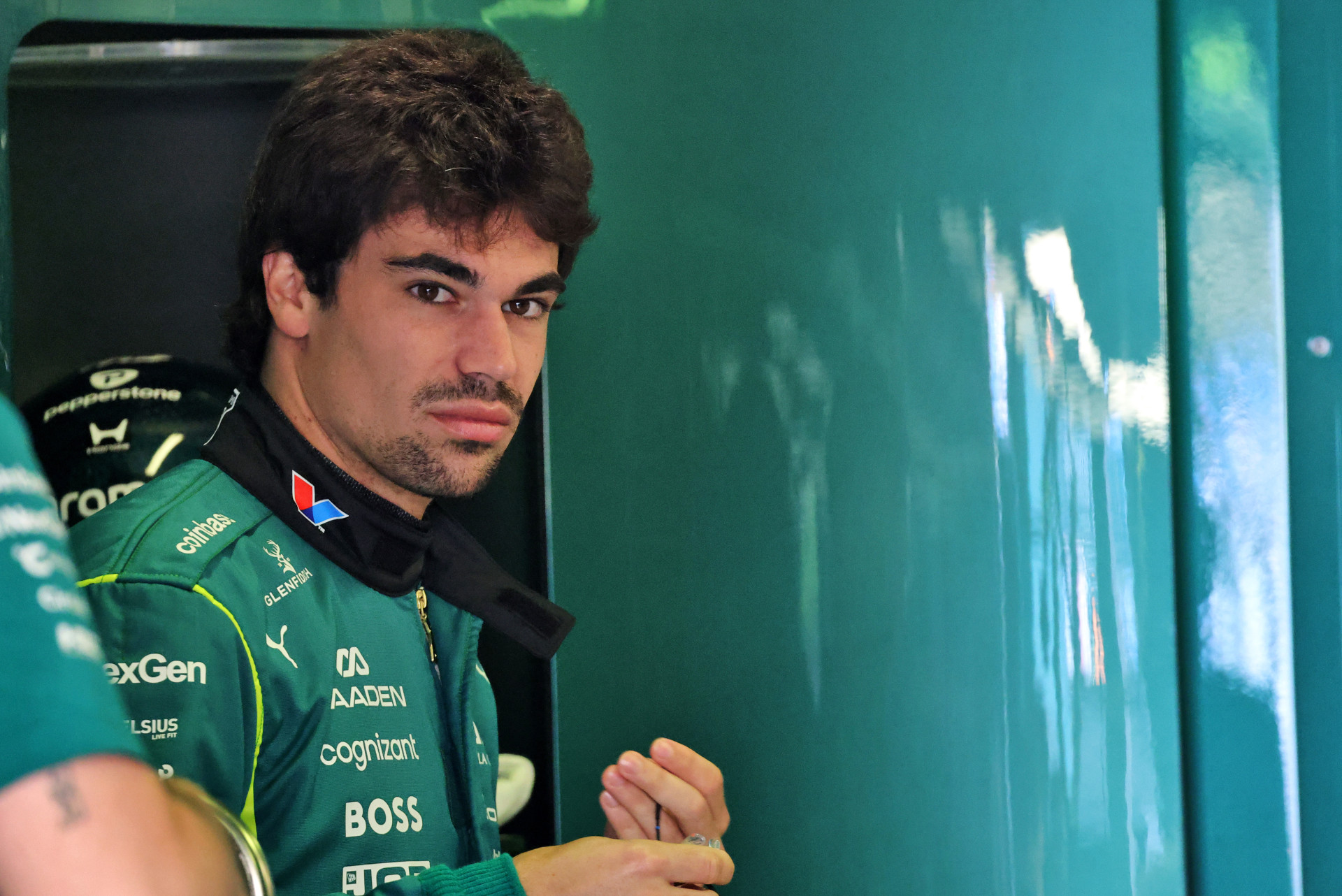
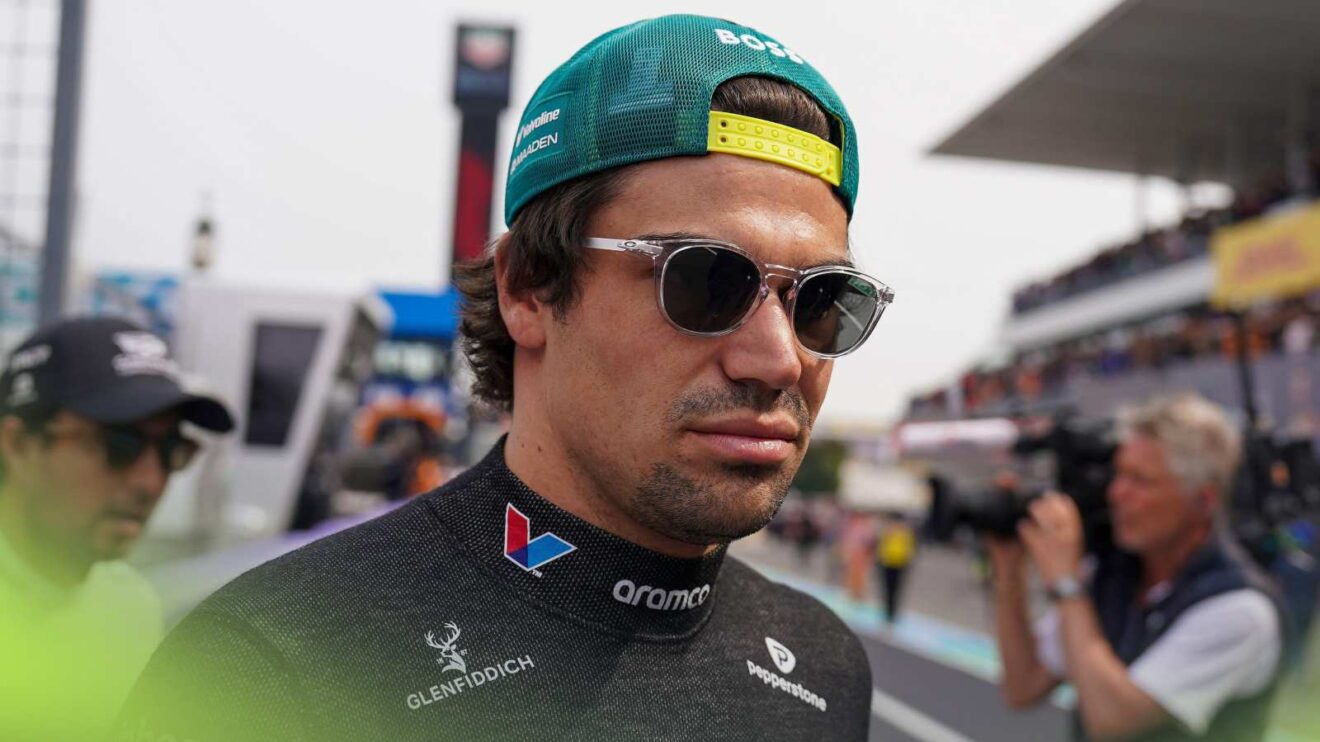
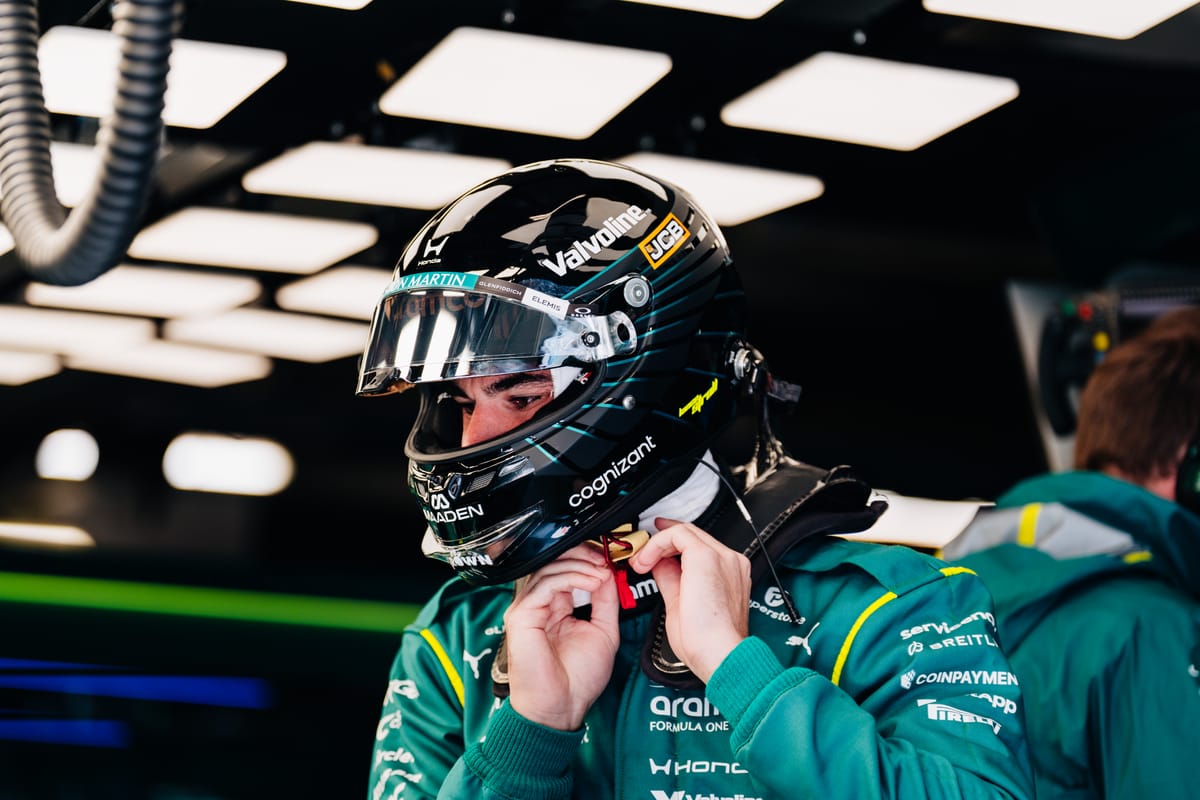
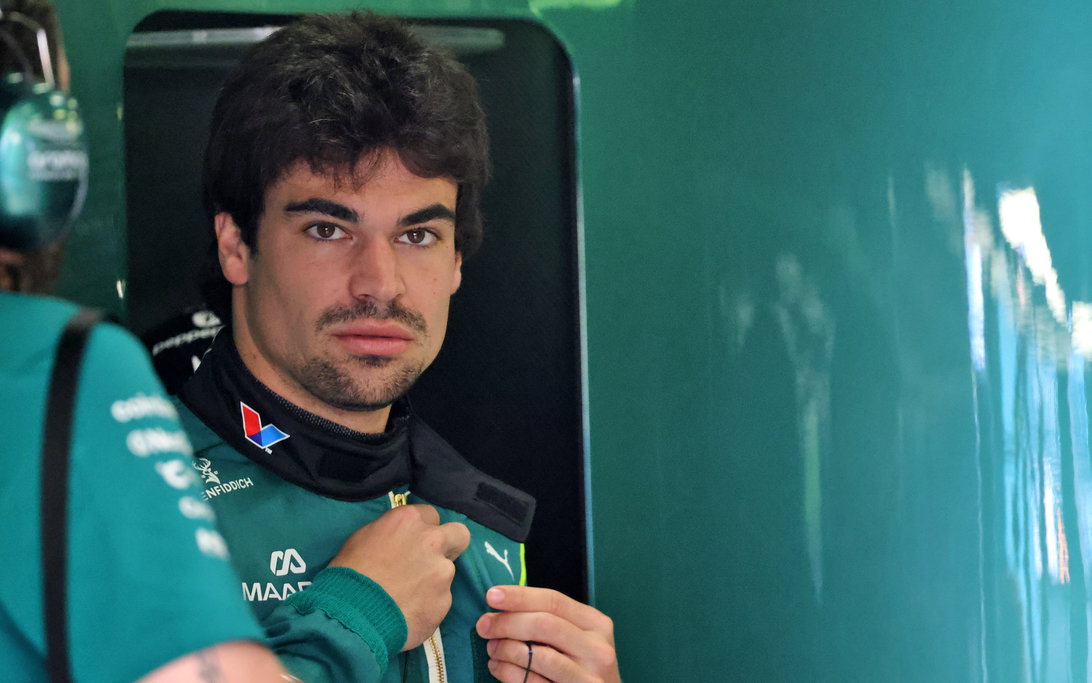
Aston Martin F1 driver Lance Stroll will make a surprise debut in GT3 racing at the GT World Challenge Europe opener in France. He joins Comtoyou Racing during a five-week break in the F1 calendar, seeking track time after a challenging start to his 2026 season. This continues a trend of F1 drivers exploring other premier racing series.
Alpine has released a forceful open letter denying social media claims it is sabotaging Franco Colapinto's car, explaining a China GP parts difference was due to a gearbox fault. The team also condemned the online abuse hurled at drivers after recent crashes, reaffirming its commitment to equal treatment for both its drivers.
The Alpine F1 team has publicly condemned a wave of online abuse targeting drivers, including death threats, and forcefully denied fan theories alleging the team is sabotaging rookie Franco Colapinto's car. The statement reaffirms equal treatment for both drivers and calls for a more respectful fan culture.
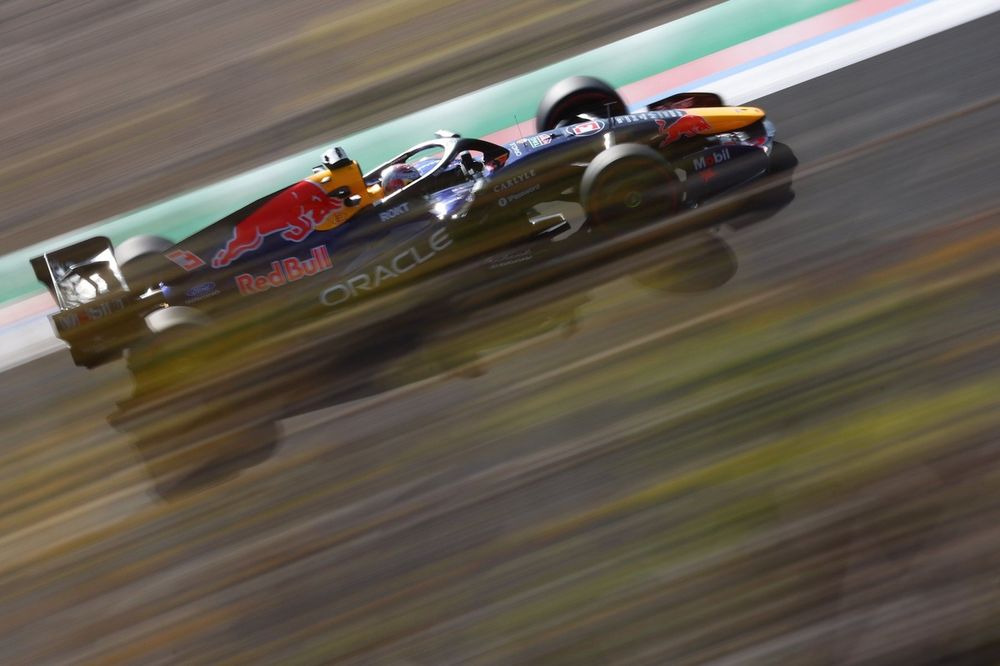
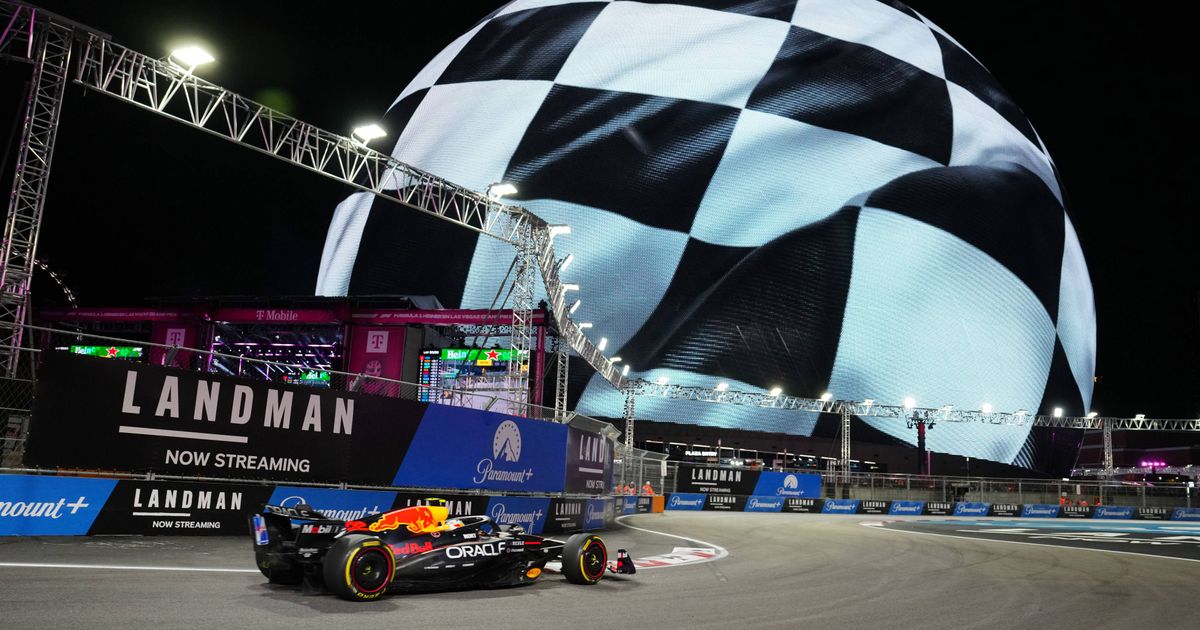
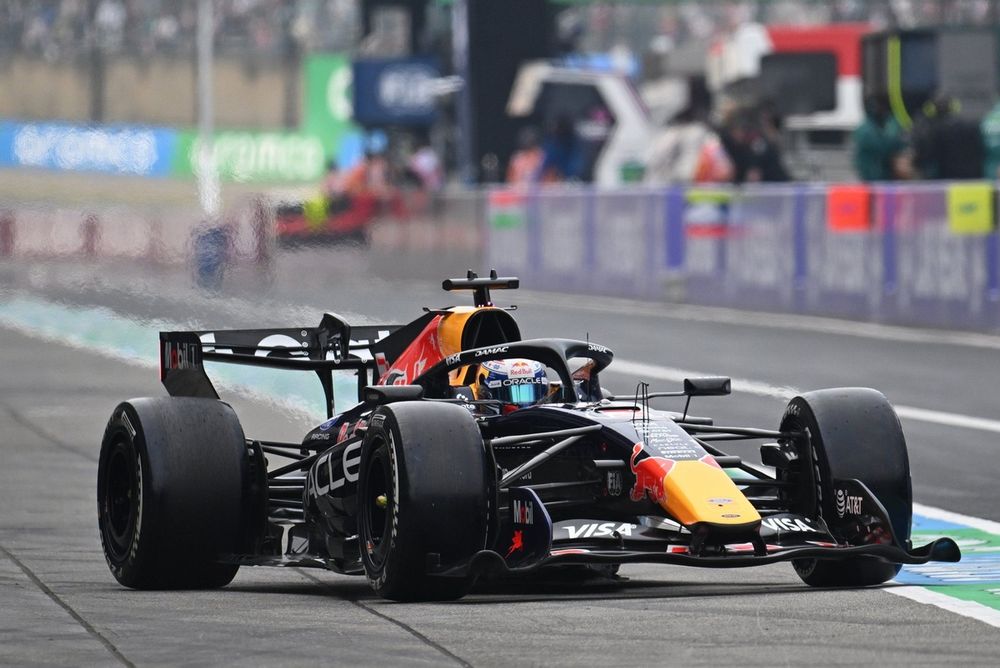
Red Bull Team Principal Laurent Mekies concedes that the team's relentless focus on winning the 2025 championship with Max Verstappen has negatively impacted the development of its 2026 car. The strategic choice to develop the old car until late last season has left the new RB22 uncompetitive, currently sitting as the fourth-fastest team. While defending the decision as vital for team morale and learning, Mekies admits Red Bull is now "paying the price" but believes the team's fighting spirit can engineer another recovery.