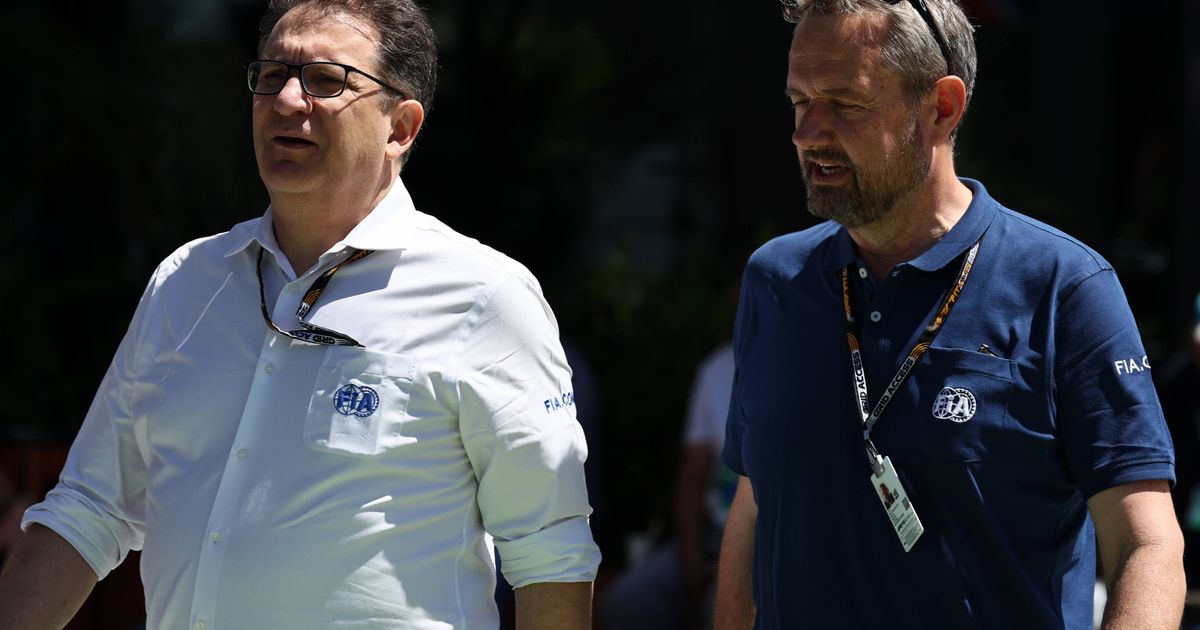
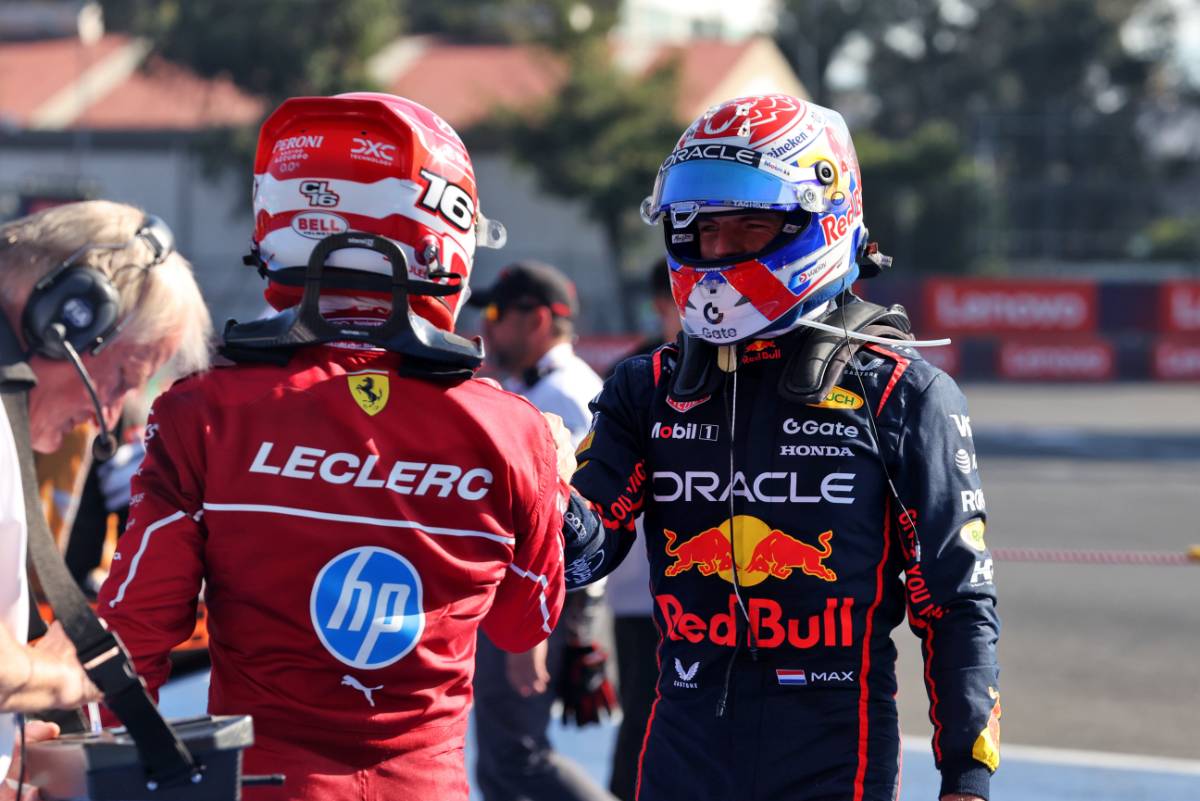
FIA chief Nikolas Tombazis said drivers spoke with one voice urging a more exciting qualifying and fast safety fixes. The body approved rule tweaks on April 20, to be trialled from Miami GP.
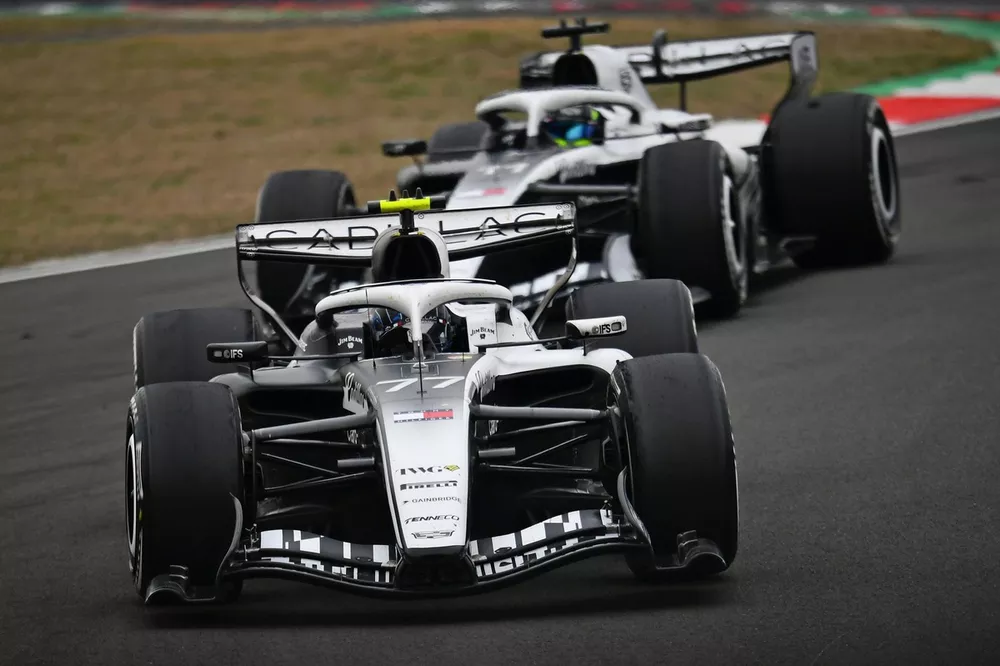
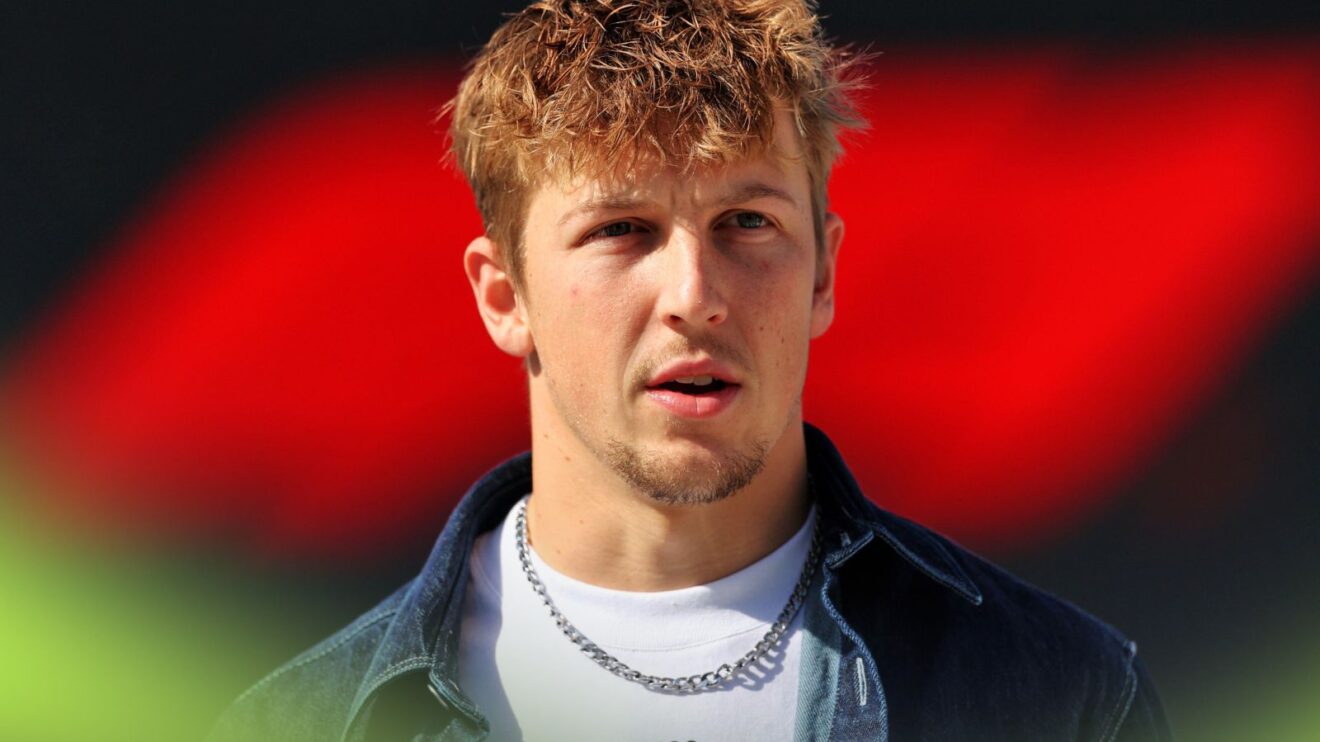
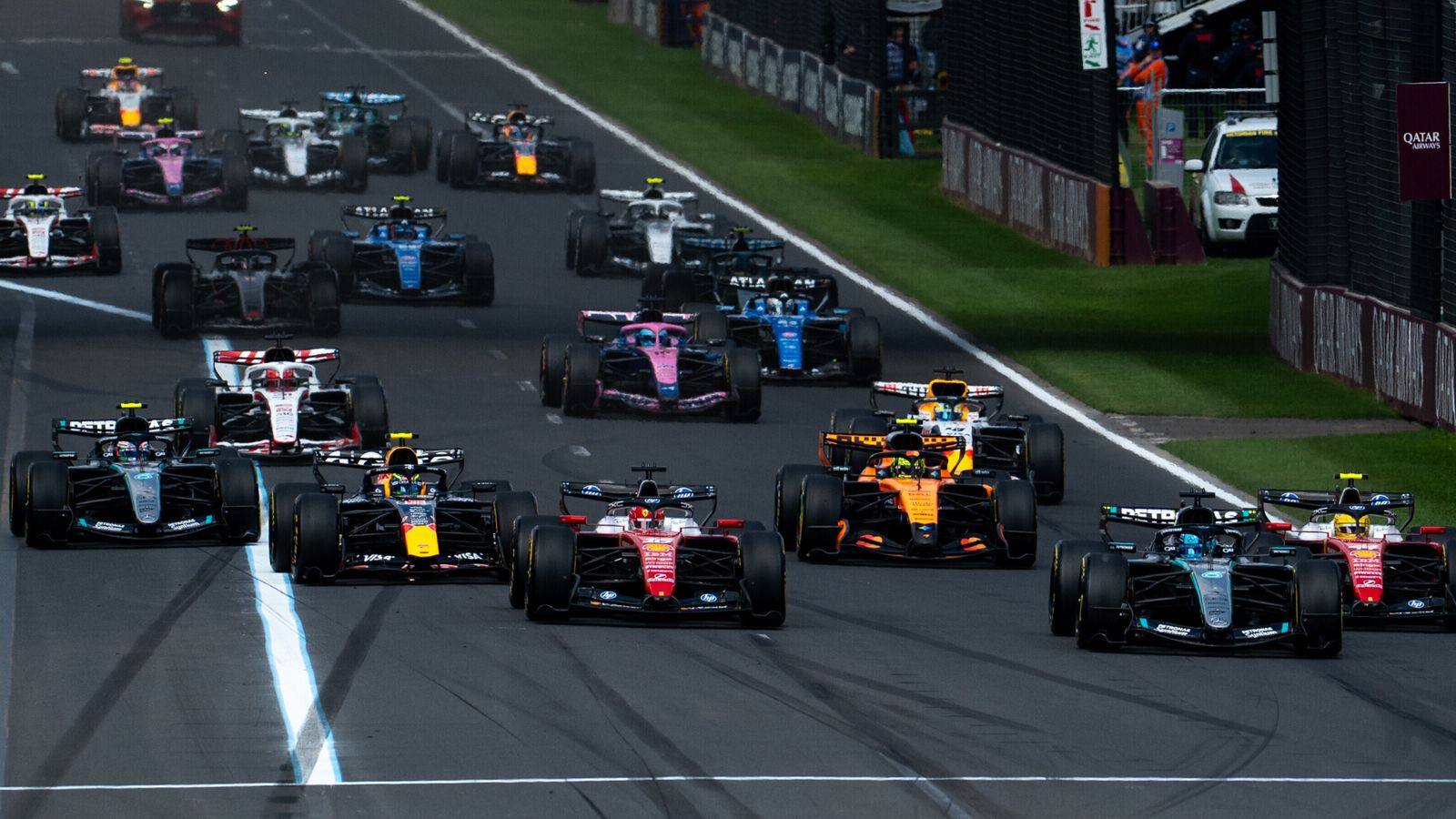
Racing Bulls rookie Liam Lawson says the 2026 qualifying overhaul – lower recharge limits, higher power peaks and new energy windows – forces drivers to rewire their brain, turning each lap into a strategic energy puzzle.
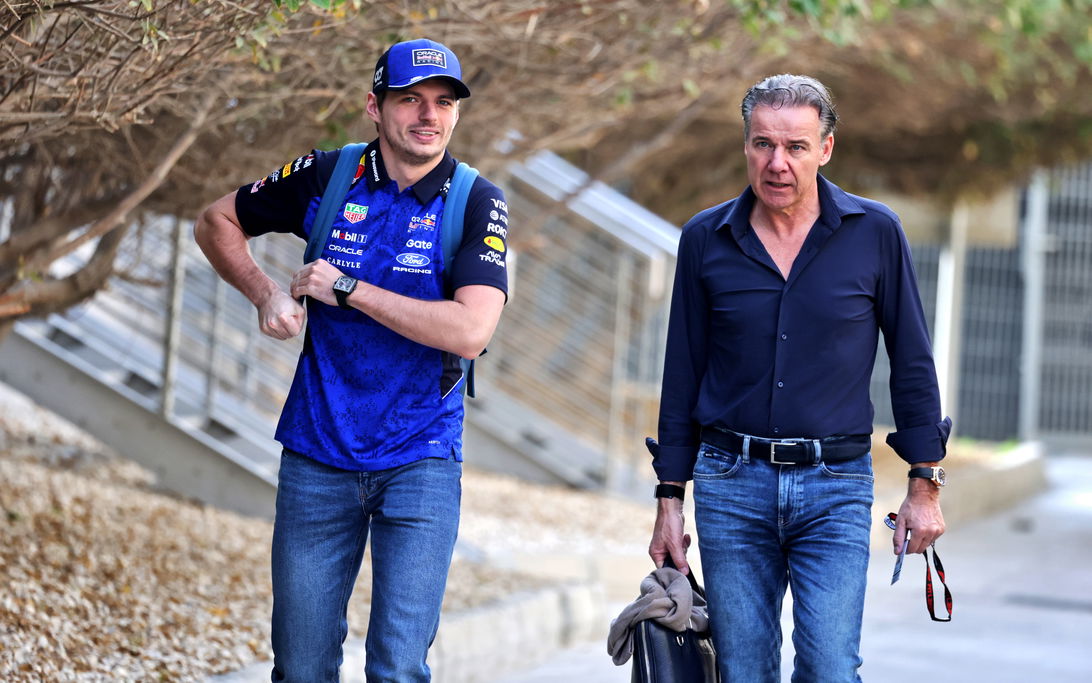
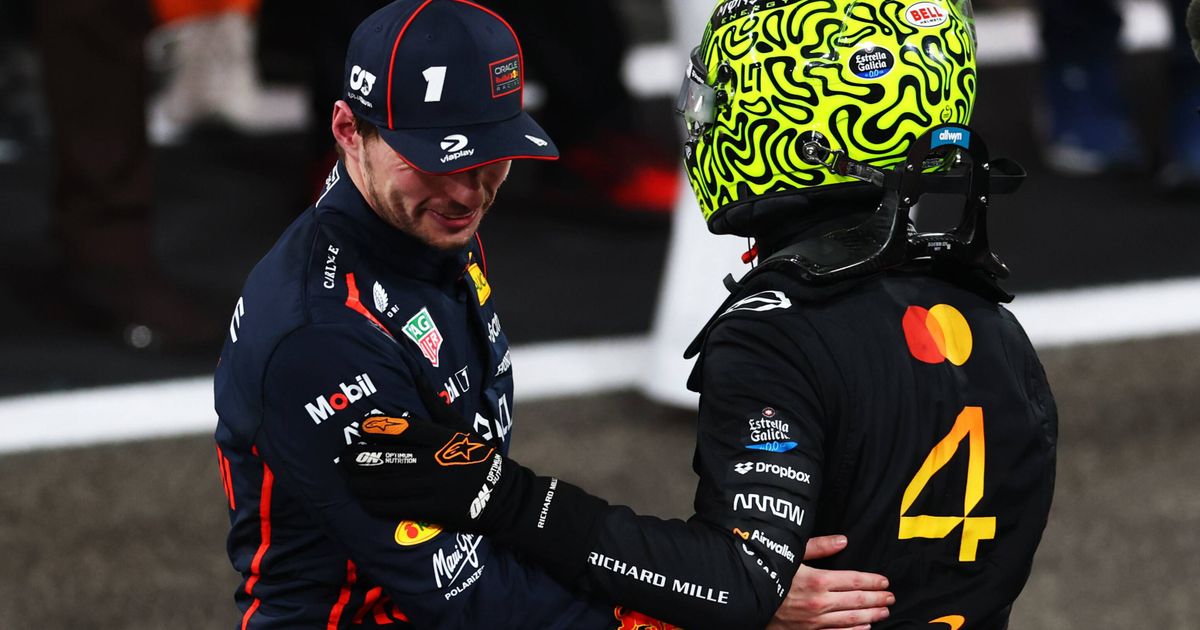
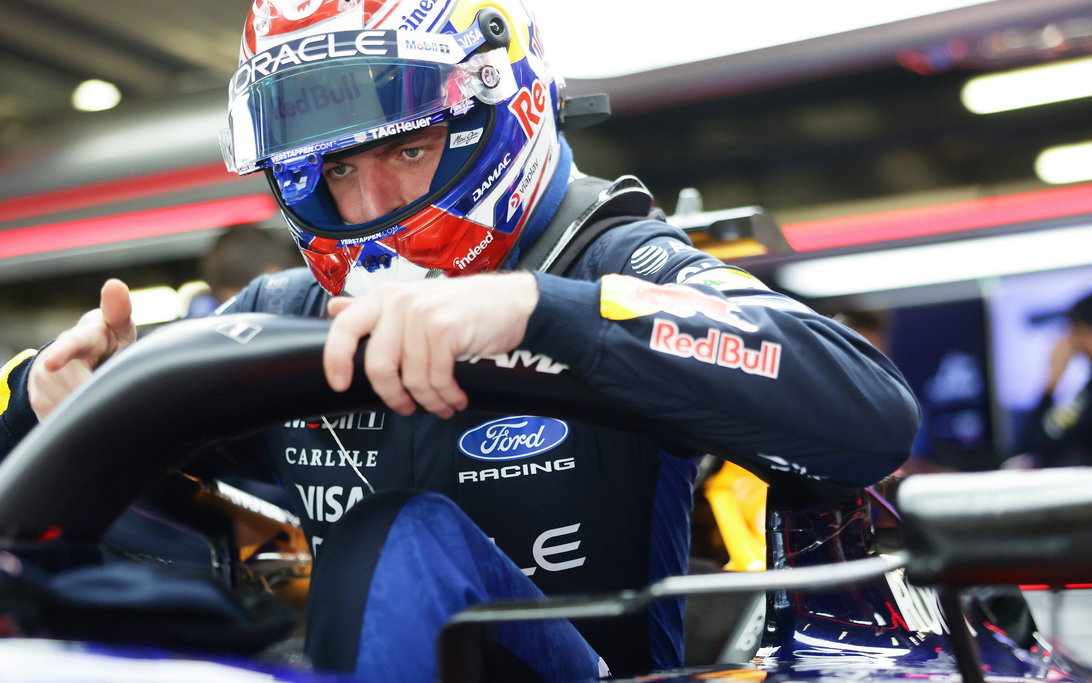
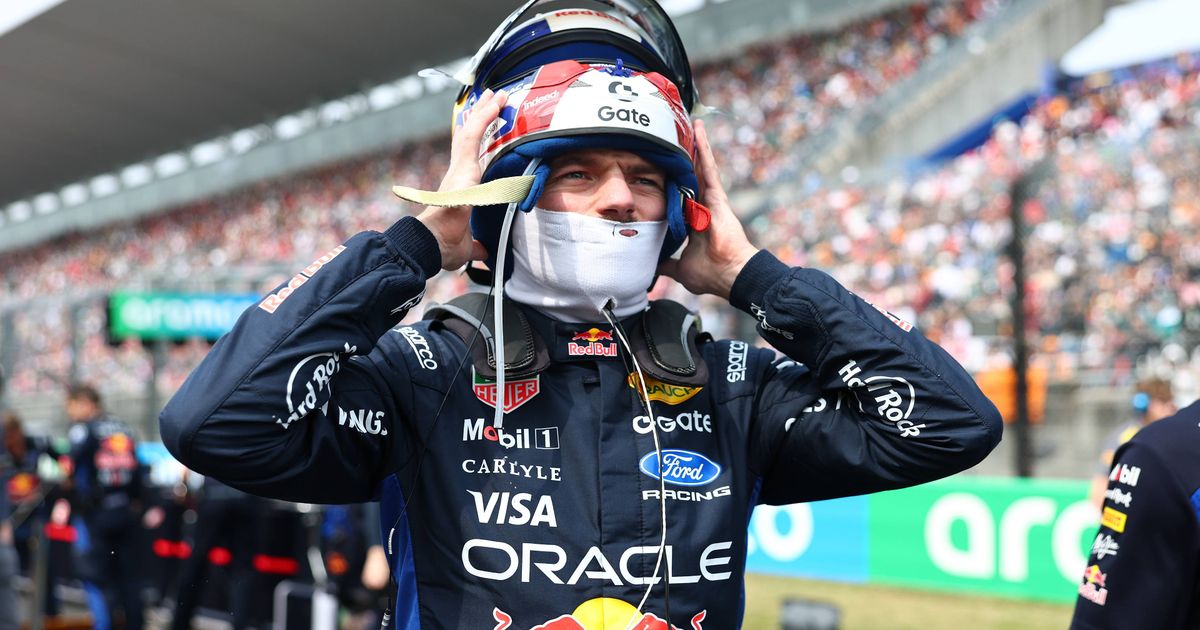
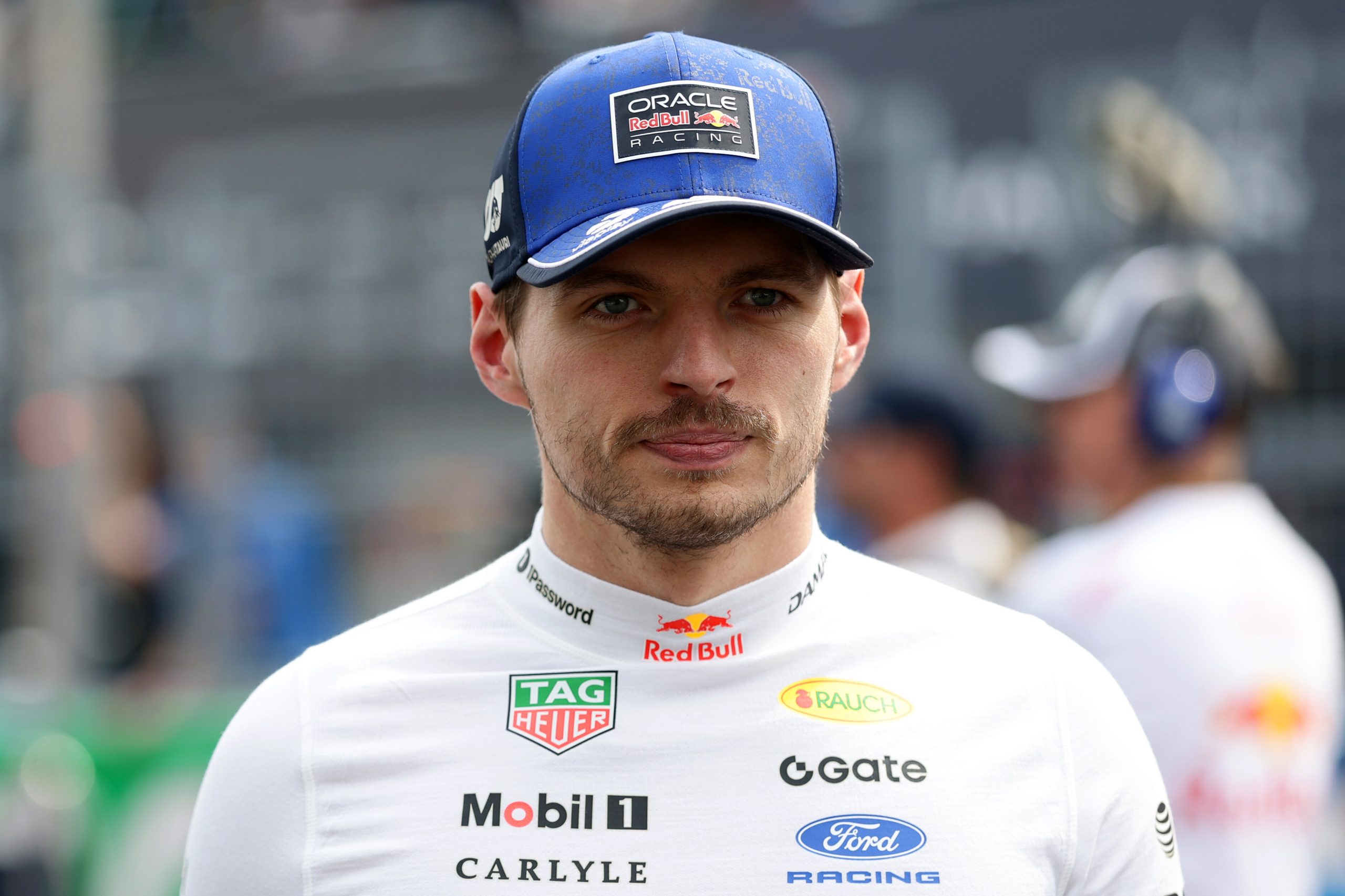
Red Bull champion Max Verstappen’s manager Raymond Vermeulen says driver is still the “sweet little guy” who signed his first F1 contract in 2014, noting that trust and a family bond fuel his success.
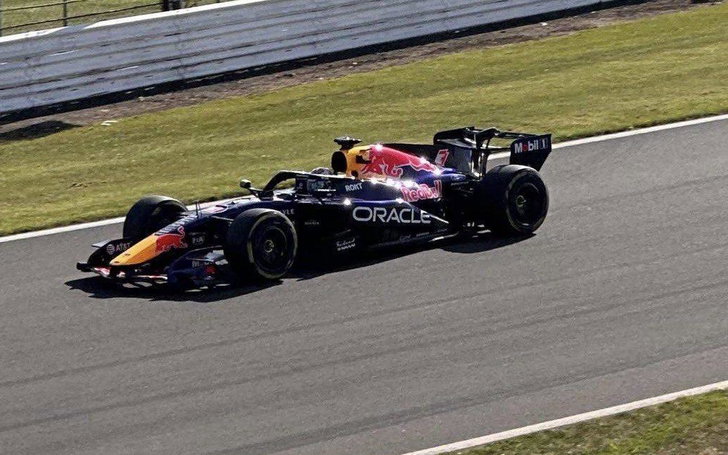
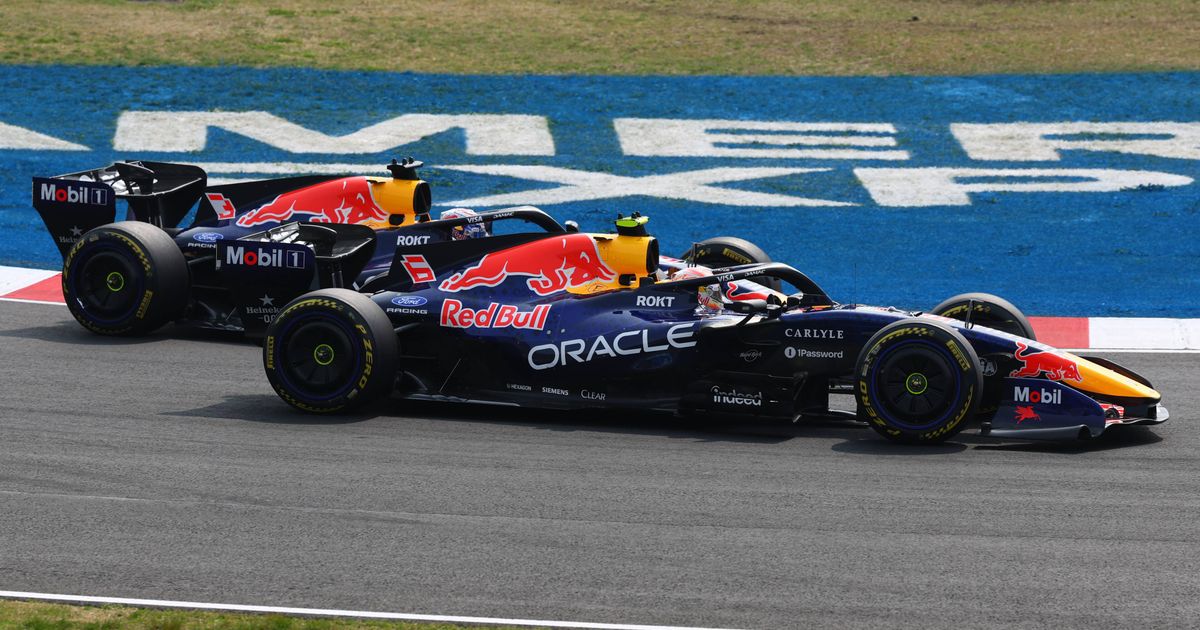
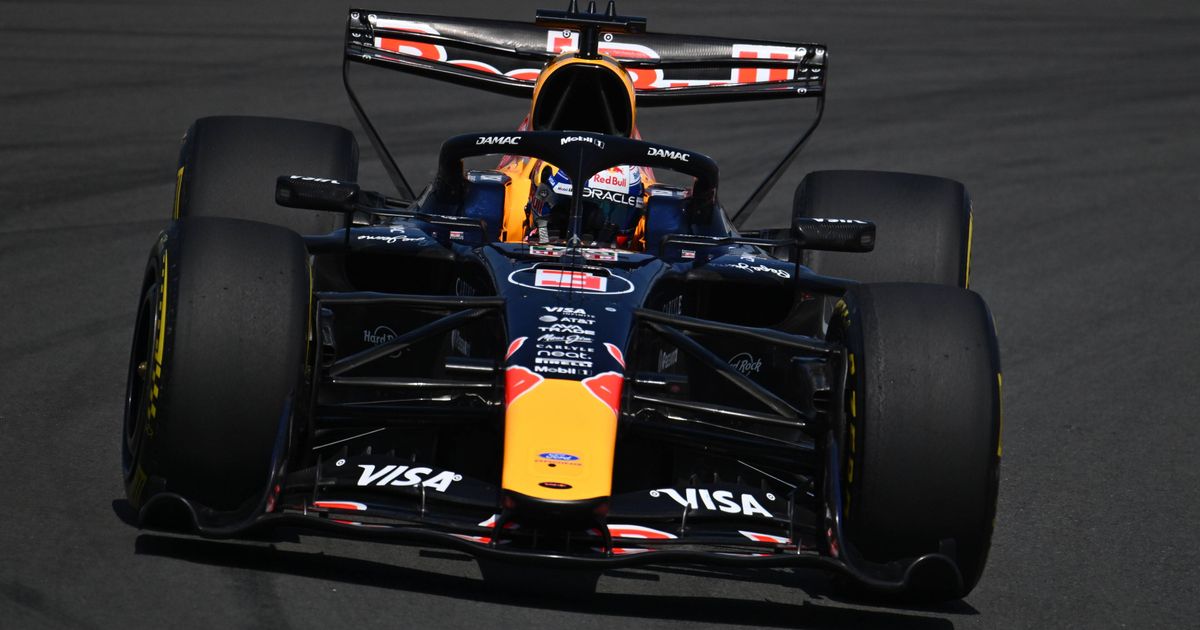
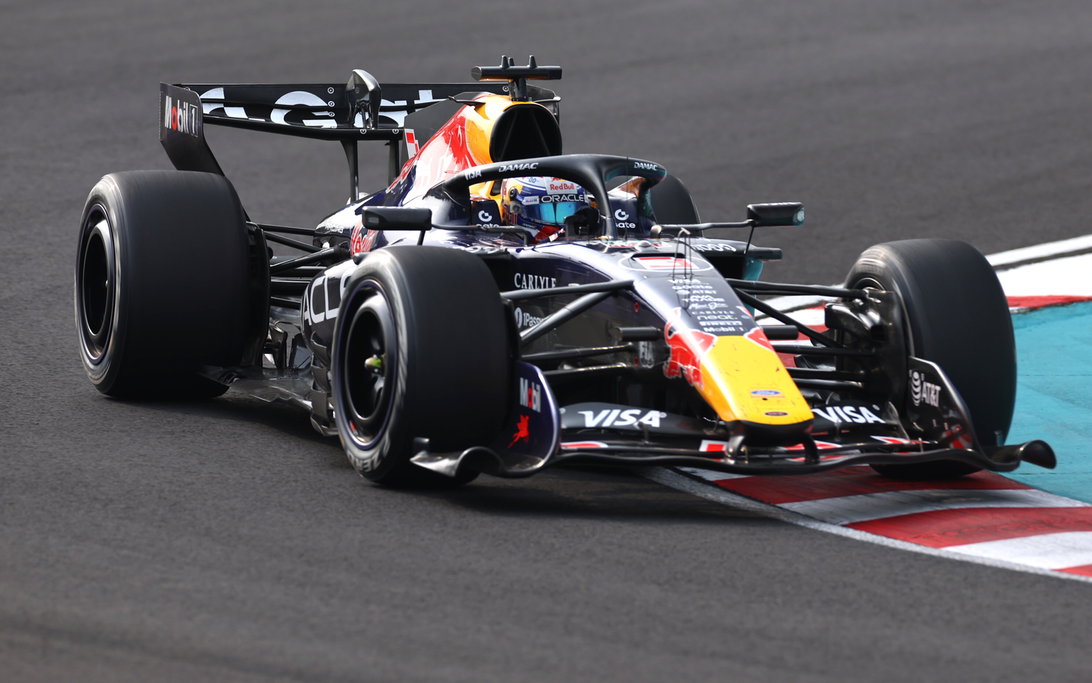
Red Bull’s RB22 appears altered after a Silverstone test, with new front‑wing endplates, a kinked side‑pod profile and a re‑engineered rear wing, aiming for improved performance at the Miami Grand Prix.
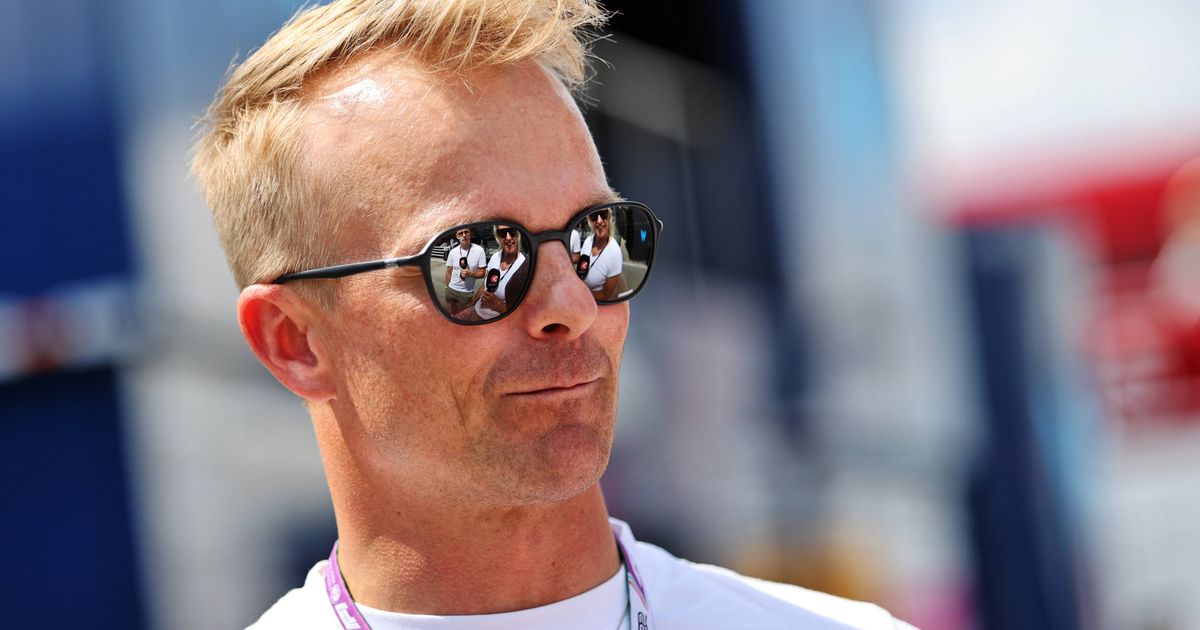
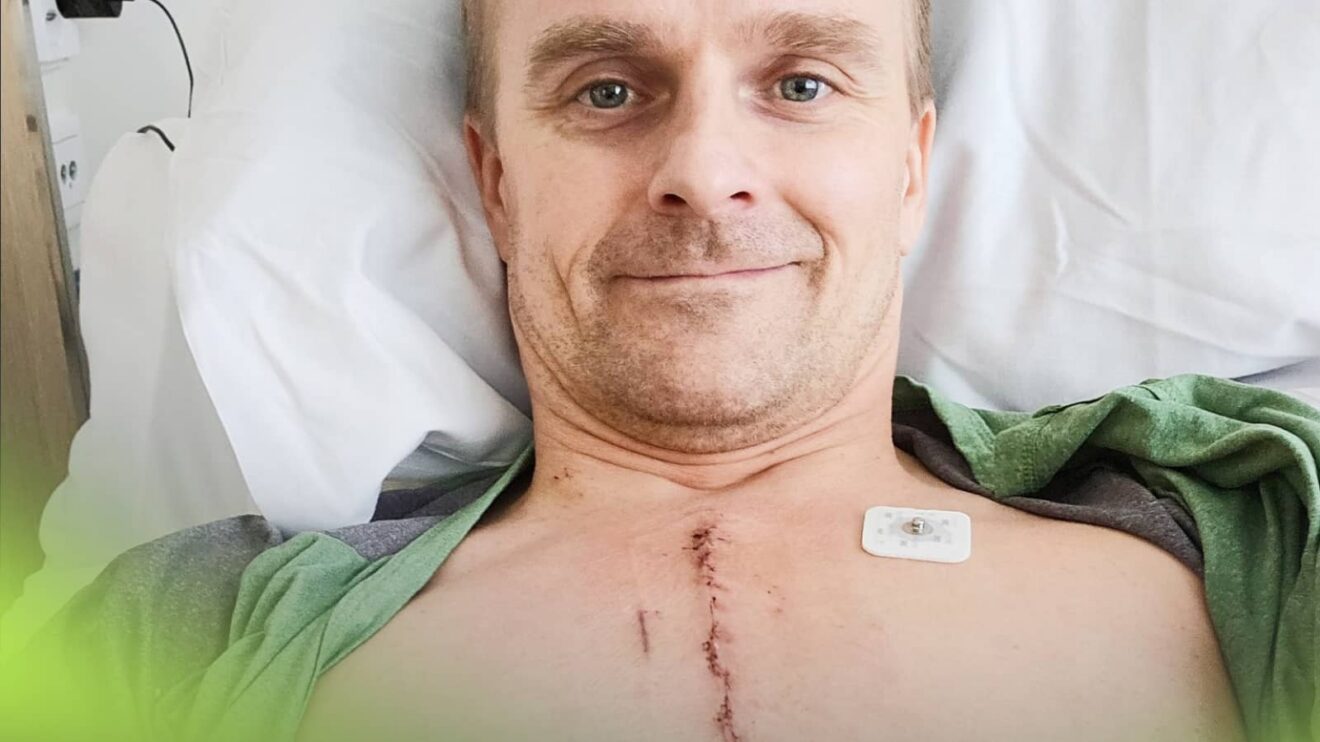
Heikki Kovalainen, ex‑F1 driver, marks two years since open‑heart surgery for an aortic aneurysm, shows his fading scar, thanks the medical team and says he now lives without limits.
Former F1 driver David Coulthard explains that Max Verstappen’s Red Bull contract uniquely permits him to compete in GT racing, a privilege few drivers enjoy, citing his own contractual limits.
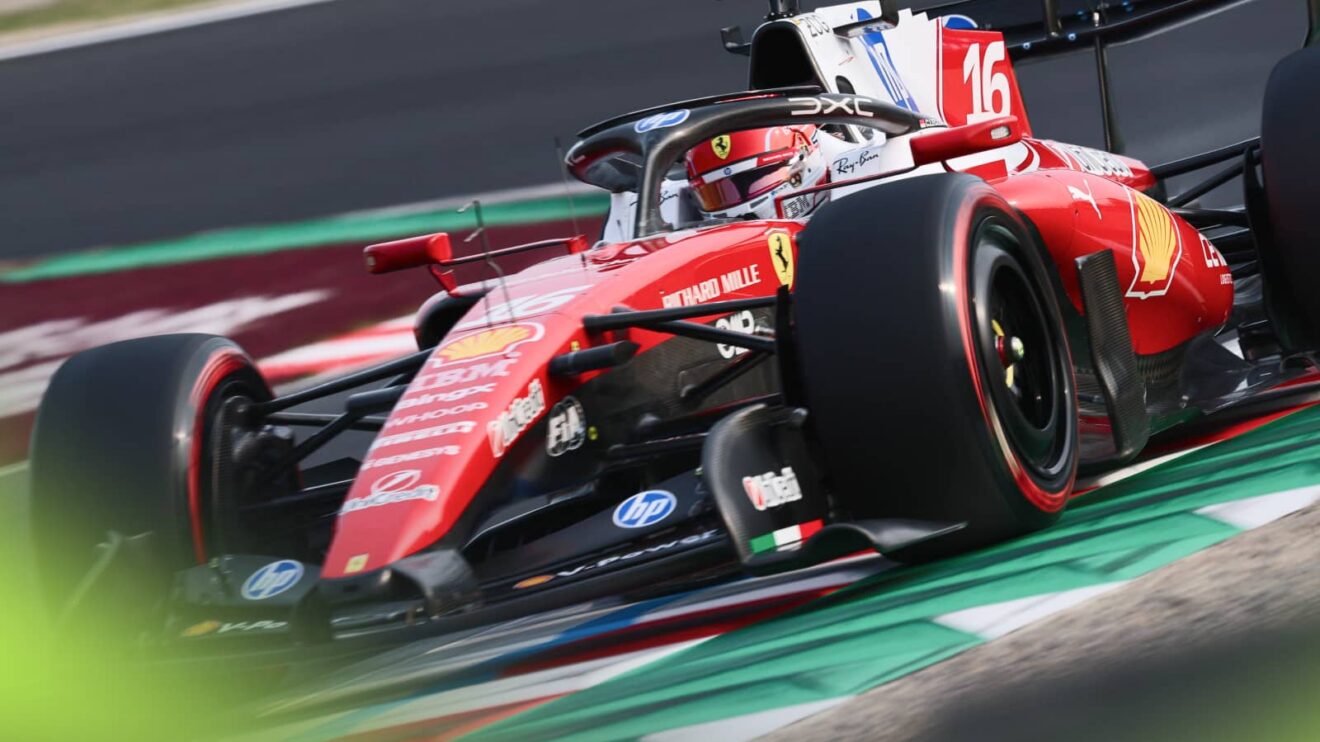
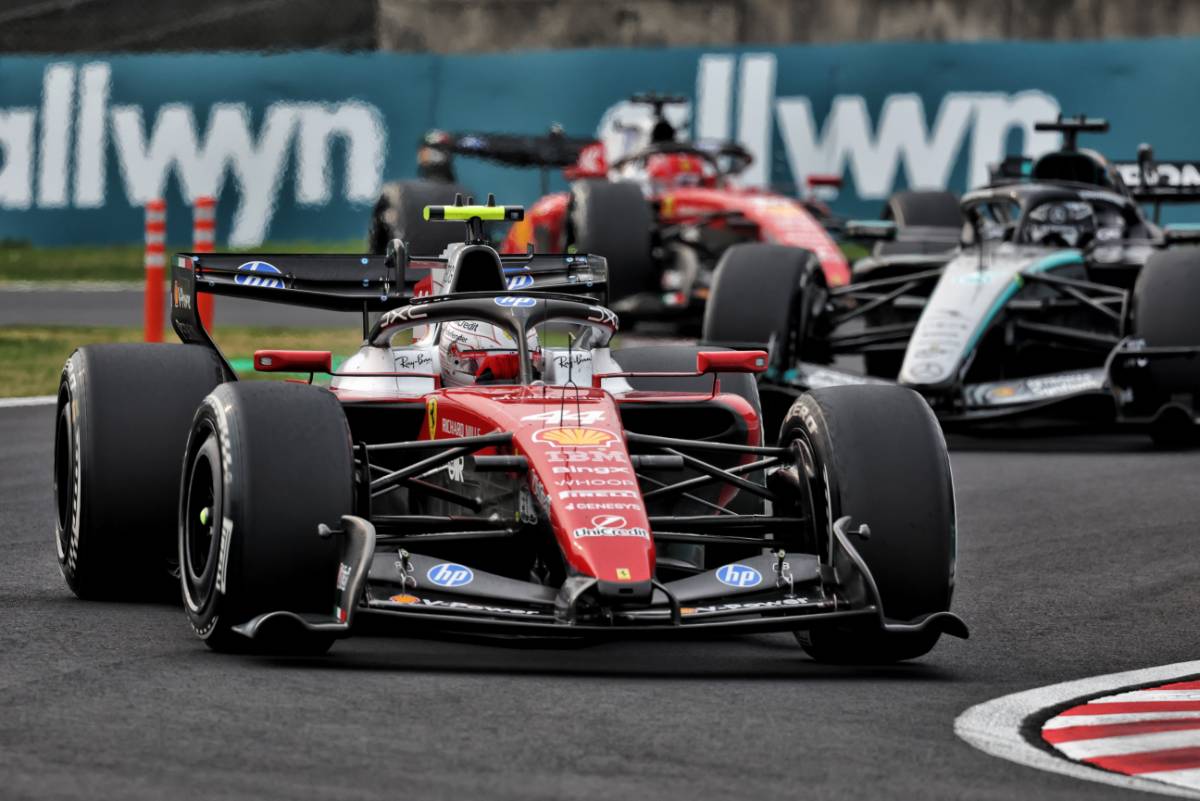
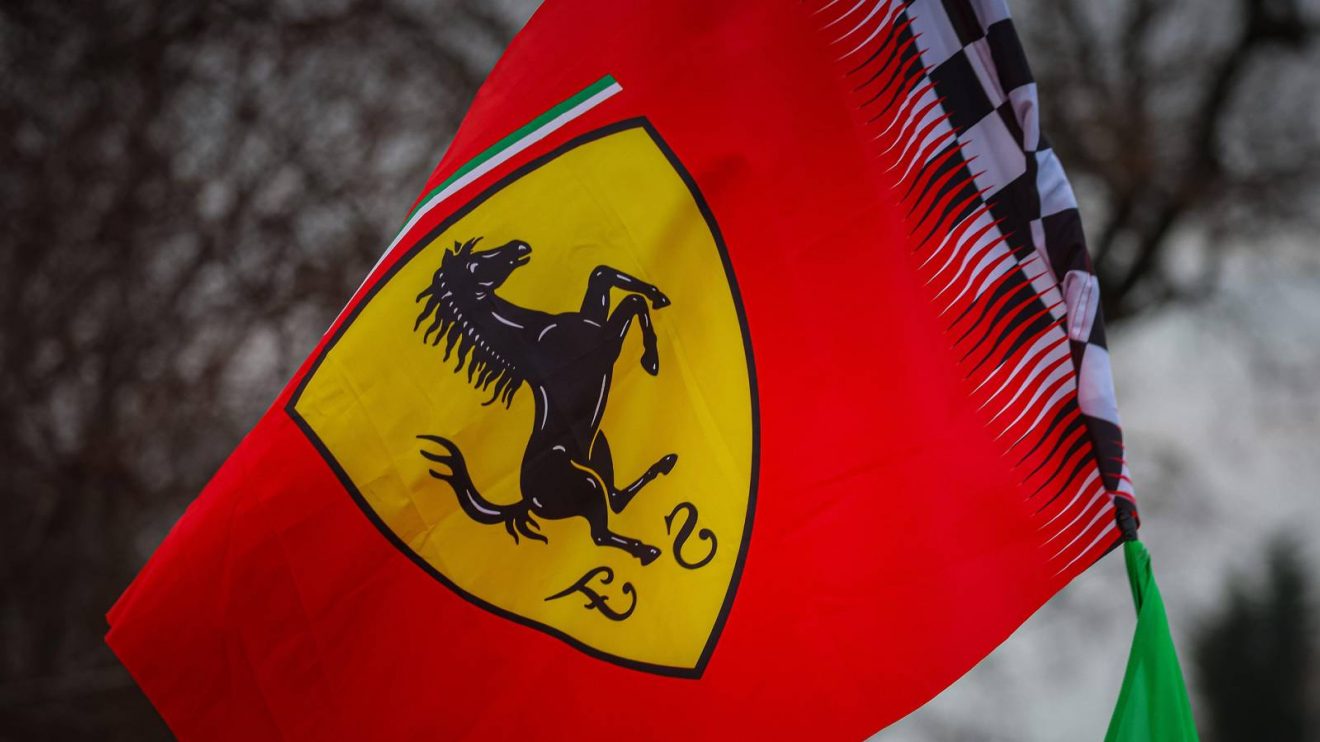
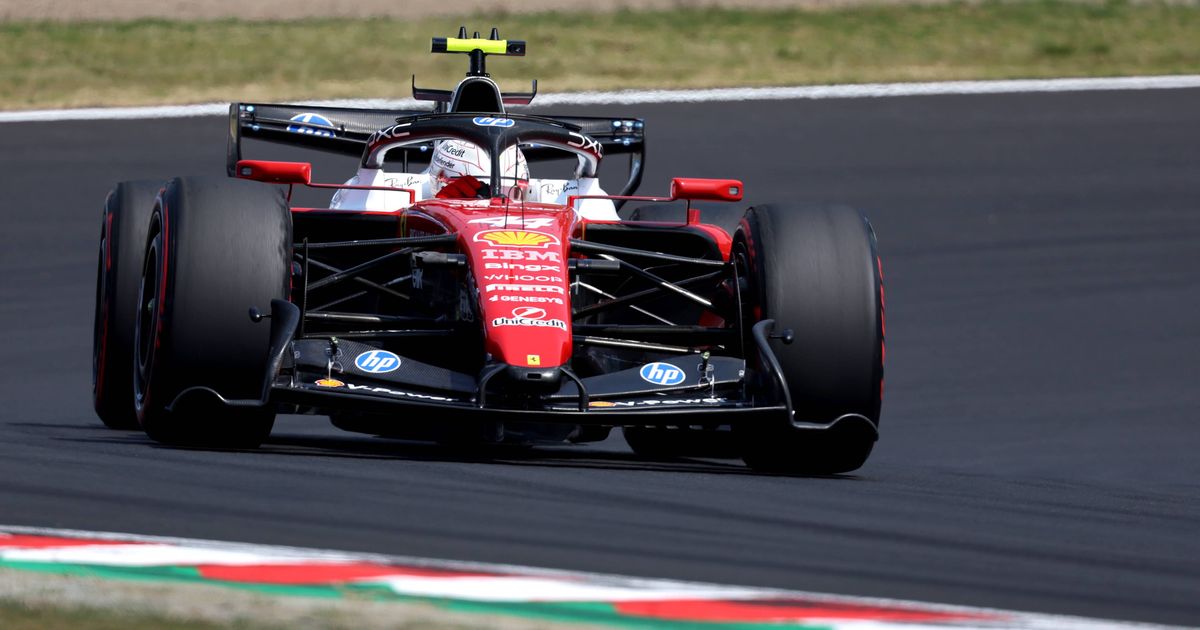
Red Bull and Ferrari used filming days at Silverstone and Monza to test major car upgrades on the RB22 and SF-26, featuring new aerodynamic components like revised sidepods, rear wings, and halo fins, as both teams urgently seek to improve their disappointing early-season results.
Former McLaren F1 driver Heikki Kovalainen has shared an update on the second anniversary of his open heart surgery, posting images that show his chest scar has healed dramatically. The Finnish driver, who won the 2008 Hungarian GP, underwent the life-saving procedure for an aortic aneurysm discovered in a routine check-up and has since made a full recovery, earning public support from F1 peers like Martin Brundle.
Chassis director Loic Serra says the five‑week F1 pause won’t alter the Scuderia’s upgrade schedule. Ferrari will stick to its development plan, with the Miami upgrade presented as an incremental step.
Jean Alesi defended Fred Vasseur’s leadership at Ferrari and said the team already has the right boss. McLaren rejected rumors that Andrea Stella might jump to Ferrari, confirming he will stay through 2028.
Former champion Jenson Button says Max Verstappen won’t opt for a sabbatical; if his passion fades he’ll quit F1 outright. Verstappen’s recent Suzuka comments about the sport’s direction and family time fuel speculation of a possible early exit.
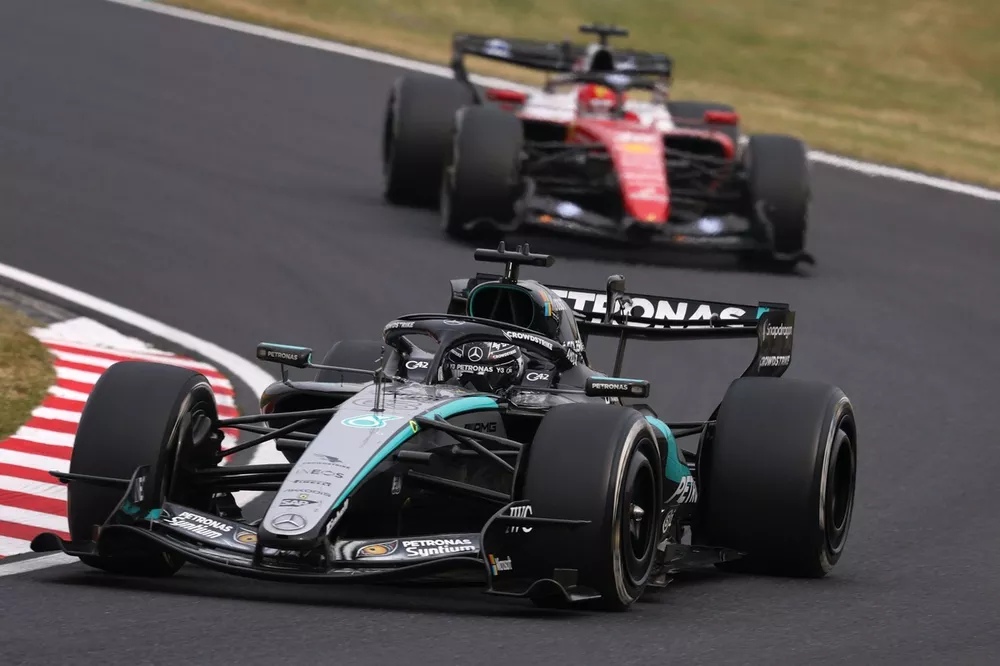
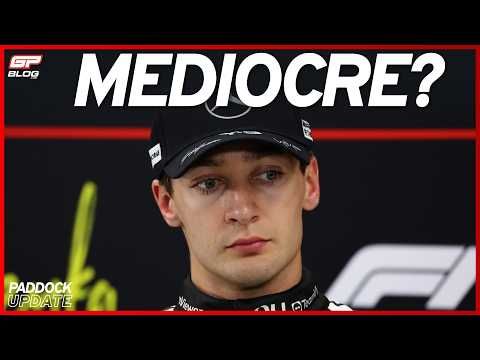
GPblog’s F1 Paddock Update debates if George Russell’s racecraft and marketability can match the star power of Hamilton and Verstappen, as a points dip fuels criticism and doubts over his chances.