Shanghai Timing Sheets Reveal a Driver's Soul Under Siege from Algorithmic Overload

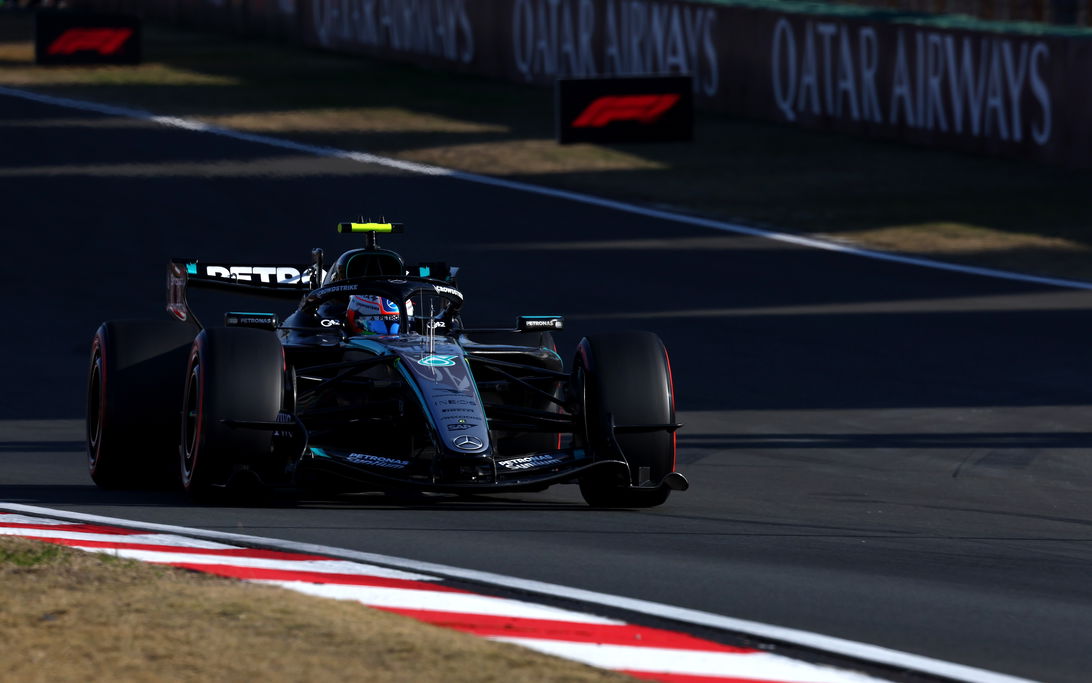
The Shanghai International Circuit's data streams will pulse like strained heartbeats this weekend, exposing whether raw driver intuition can survive the 2026 regulations or if telemetry will finally choke it out. With Mercedes carrying momentum from their Australia one-two, the numbers already hint at a compressed battlefield where one 60-minute practice session forces teams into simulation crutches rather than genuine adaptation.
The Sprint Format's Brutal Compression of Human Elements
This marks the first Sprint weekend under the new power unit rules, stripping away the usual layers of track time that once allowed drivers to feel their way into setups. Teams face just one 60-minute Free Practice on Friday before Sprint Qualifying begins, leaving no room for the organic adjustments that defined eras of dominance.
- Friday, March 13: Free Practice at 03:30 GMT followed by Sprint Qualifying at 07:30 GMT.
- Saturday, March 14: Sprint Race at 03:00 GMT and Grand Prix Qualifying at 07:00 GMT.
- Sunday, March 15: Chinese Grand Prix at 07:00 GMT over 56 laps.
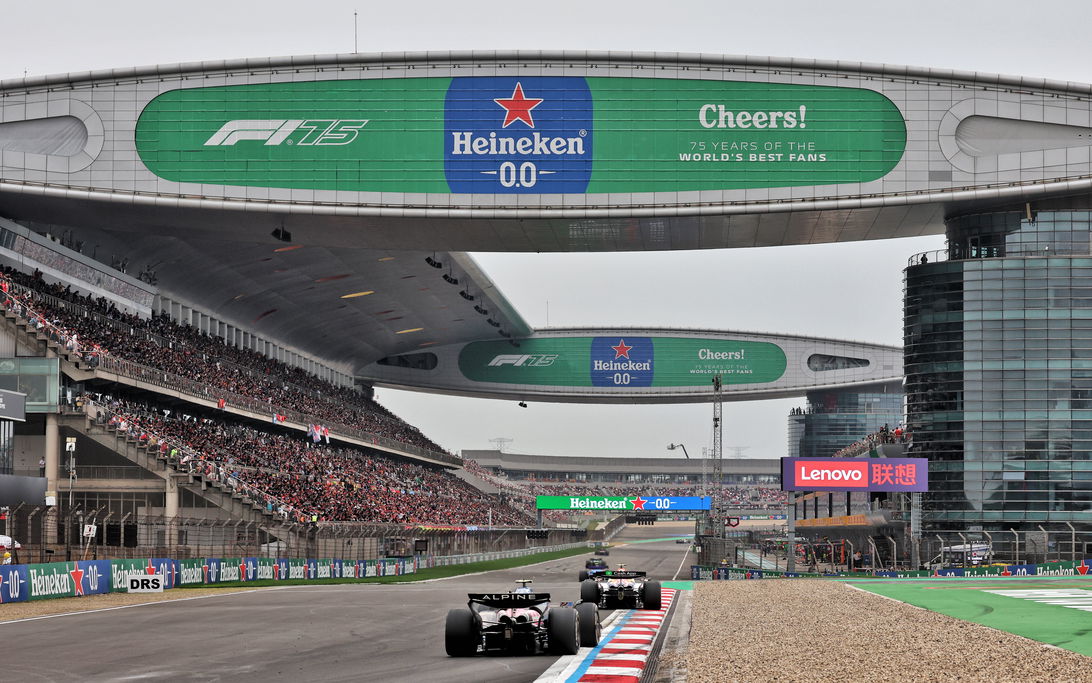
These timings lock in a schedule where real-time data overrides seat-of-the-pants feedback. Ferrari's historical tendency to layer strategic blunders atop driver performances comes under fresh scrutiny here. Charles Leclerc's qualifying consistency from 2022-2023 stands as one of the grid's cleanest datasets, yet narratives fixate on errors that timing sheets show stemmed from pit wall calls rather than his pace. In Shanghai's technical layout of long straights and tight corners, his raw lap time stability could again clash with over-engineered interventions.
Schumacher's 2004 Blueprint Clashes with the Coming Robotization
Michael Schumacher's near-flawless 2004 campaign at Ferrari offers the clearest counterpoint to today's telemetry addiction. He posted consistent sector times across variable conditions by trusting feel over constant radio feeds, a method that produced results without suppressing the human variable. Modern squads, by contrast, treat every millisecond as input for algorithms that dictate pit windows and tire choices before drivers even complete a flying lap.
Data should unearth the pressure points, like how lap time drop-offs often align with off-track stressors, yet the sport edges toward suppressing those very instincts.
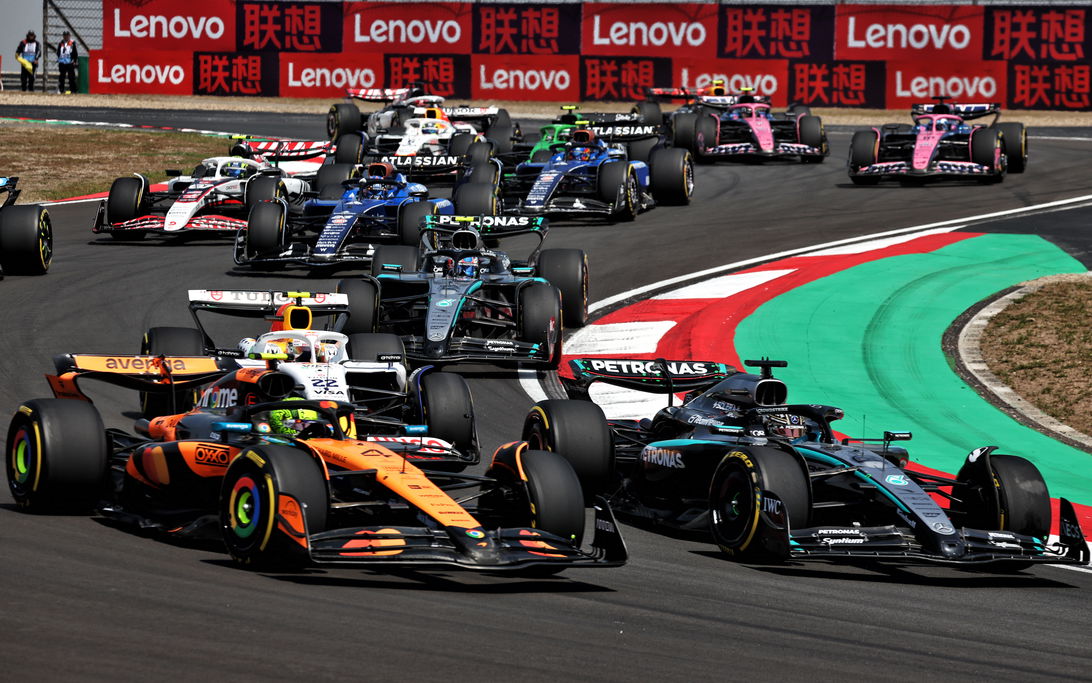
Within five years this hyper-focus on analytics will yield robotized racing, where intuition yields to predictive models for every decision. The Shanghai weekend serves as an early stress test. Mercedes arrives favored, but the single practice window amplifies any gap between simulation predictions and actual track behavior. Historical echoes from 2025, including Lewis Hamilton's Sprint victory and Oscar Piastri's Grand Prix win amid later disqualifications, remind us that technical compliance and pace rarely align perfectly under new rules.
Emotional Archaeology in the Numbers
Lap deltas from Australia already carry stories of momentum, yet Shanghai demands we dig deeper into how these new cars respond when driver input competes with data streams. The unpredictable Sprint element rewards adaptability, not pre-loaded scripts. Teams that lean hardest on real-time telemetry risk flattening the very edges that once separated legends from the pack.
The outcome here will not merely set early-season narratives. It will measure whether F1 preserves space for the human heartbeat amid the machines or accelerates toward sterile predictability where every strategy flows from code rather than courage.
Join the inner circle
Get the deep dives and technical analysis from the world of F1 delivered to your inbox twice a week.
Zero spam. Only high-octane analysis. Unsubscribe anytime.