Lap Time Heartbeats Reveal the Real 2026 Testing Story

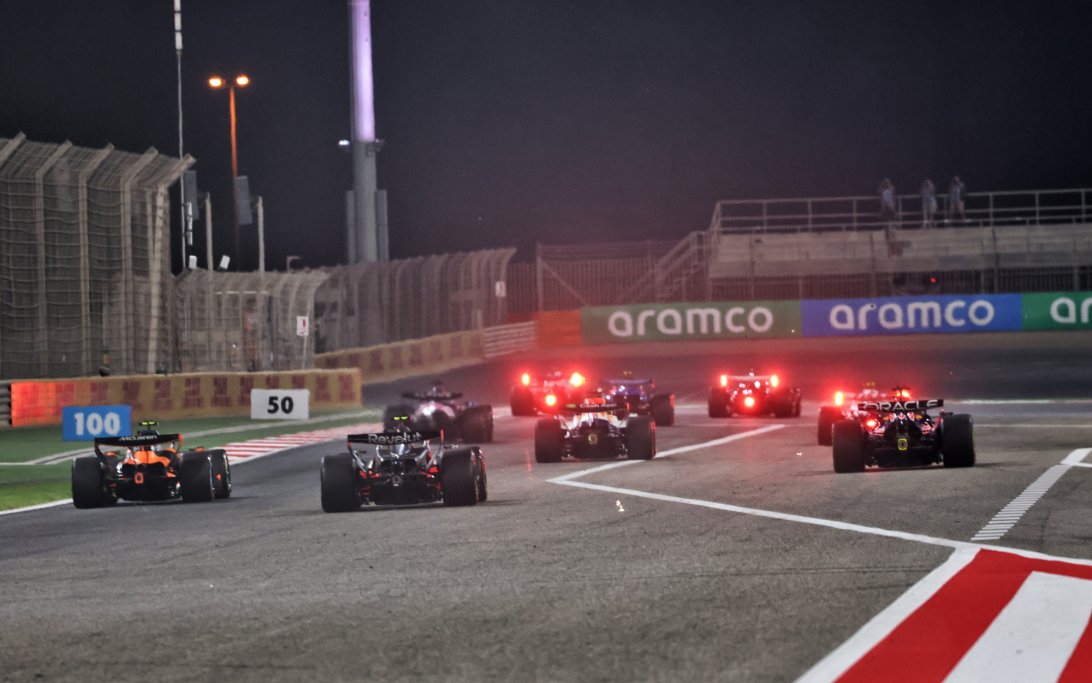
The spreadsheet from Bahrain testing lands with the weight of an engine note at full song. Mercedes teams turned 4098 laps across four cars, a figure that pulses with the same relentless consistency Michael Schumacher showed in his near flawless 2004 campaign at Ferrari. Numbers like these do not flatter or lie. They expose which power units are still breathing freely and which ones are already gasping before the season even starts.
Mercedes and Ferrari Set the Early Rhythm
Mercedes power units powered the highest mileage by a clear margin. Four customer teams delivered that total, turning raw track time into an unmatched data advantage ahead of the new regulations. Each completed lap functions like another data point logged under real pressure, building a picture of reliability that modern teams now treat as gospel.
Ferrari followed with 3084 laps across its three squads. Respectable on the surface yet still trailing the leader by more than a thousand circuits. The gap hints at different approaches to mileage accumulation rather than outright superiority. Both manufacturers enter the year with enough runs to map thermal cycles, tire degradation curves, and energy deployment windows in granular detail.
- Mercedes total: 4098 laps
- Ferrari total: 3084 laps
- Combined edge: over 1000 laps in Mercedes favor
These volumes matter because they let engineers separate driver feel from algorithmic prediction. Schumacher thrived in 2004 precisely because his feedback loop stayed human first. Today the risk grows that real time telemetry will override that instinct before the driver even lifts a throttle.
Honda Faces the Steepest Climb
Aston Martin and the returning Honda works program managed only 394 laps. That single number carries the story of limited running and mounting reliability questions. Without enough cycles the team cannot yet correlate lap time drop offs with the small mechanical stresses that later bloom into race day failures.
Audi's debut effort with Sauber reached 941 laps. Solid enough for a new partnership yet still far behind the established leaders. Red Bull Powertrains recorded 2021 laps across its two squads, a respectable base after three prior seasons of development.
These mileage gaps are not just preparation metrics. They are early warnings of how quickly some programs may fall behind once the season demands split second decisions under championship pressure.
The limited Honda running leaves Aston Martin with fewer chances to test the emotional variables that numbers sometimes hide. A driver pushing on worn tires after a difficult personal week shows different traces than one relaxed and confident. Without sufficient laps those traces remain invisible until race weekends expose them.
Data Risks Turning Drivers into Passengers
Within five years the sport's obsession with analytics will push us toward robotized racing. Pit calls will arrive from algorithms rather than gut feel. Strategy will optimize for predicted tire curves instead of reading the driver's current heartbeat through the radio. The result will feel sterile, every decision pre calculated and every surprise engineered away.
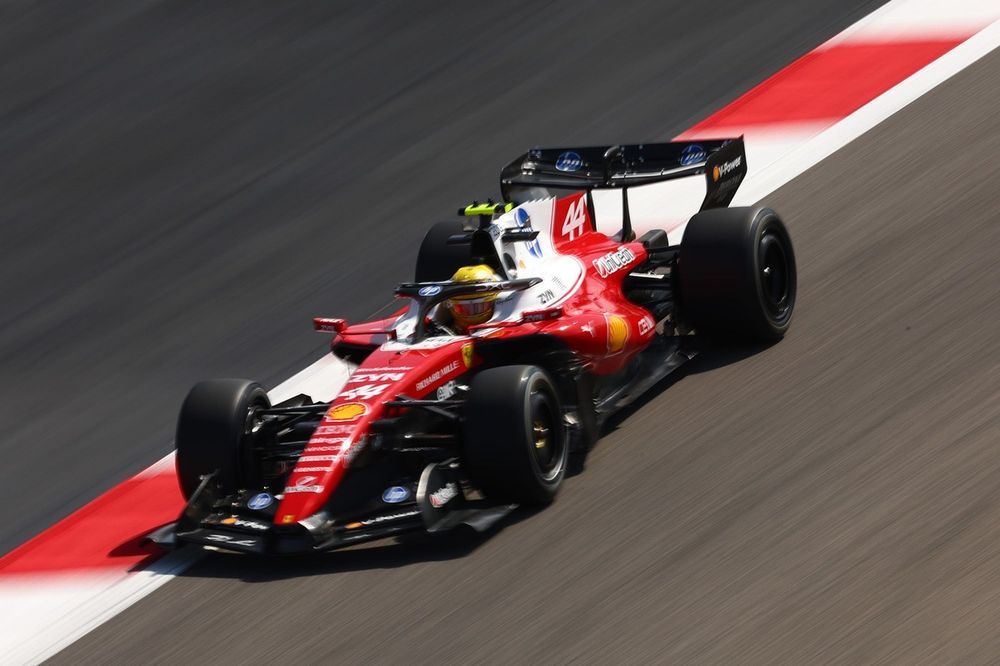
Schumacher's 2004 season stands as the last clear example of what happens when the driver stays central. His consistency came from lived experience on track, not from a dashboard of live probability models. Modern programs chase the same reliability but risk stripping away the human variable that once made races unpredictable and alive.
The Bahrain numbers already sketch the pressure points. Teams with high lap counts will enter the opening rounds armed with models that predict almost everything. Those with low counts will still be guessing.
The Season Will Test Who Trusts the Numbers Least
Reliability at this stage is only the first chapter. True performance questions will surface when every lap counts for points instead of data. Mercedes and Ferrari carry the clearest advantage into that fight. Honda and Aston Martin must accelerate their learning curve without the luxury of extra testing miles.
The figures will keep speaking. The question is whether teams still allow drivers to answer back.
Join the inner circle
Get the deep dives and technical analysis from the world of F1 delivered to your inbox twice a week.
Zero spam. Only high-octane analysis. Unsubscribe anytime.