ADUO Unmasked: When Data Heartbeats Expose F1's Desperate Grip on Parity

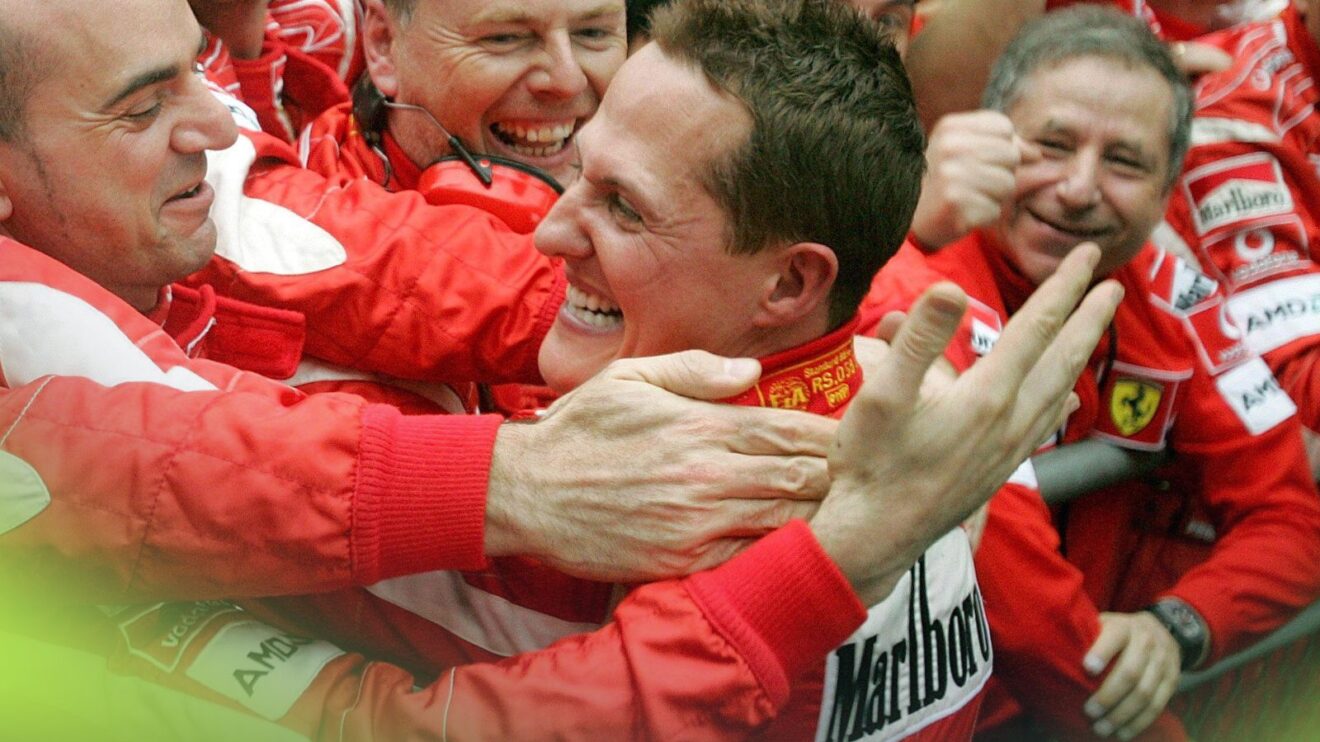
I stared at the telemetry sheets from the first six rounds of 2026, my coffee gone cold, as Mercedes' ICE benchmark pulsed like a metronome of dominance: steady laps, no drop-offs, a digital ghost of Michael Schumacher's 2004 Ferrari season where he strung together 18 podiums on sheer consistency. But then the numbers lied sideways for Aston Martin and the laggards, their internal combustion engines (ICE) gasping 2% behind. That's when ADUO hit me like a qualifying lap gone wrong: not salvation, but a frantic patch on F1's march toward algorithmic sterility. As a data analyst who lets numbers unearth the raw emotion of pressure, I see this rule for what it is: a bandage on a sport bleeding driver soul into real-time feeds.
The Pulse of Parity: ADUO's Raw Data Blueprint
Feel that? The heartbeat of F1's new 50-50 ICE-electric split quickening under the strain of inequality. Published on 2026-04-22 by Sky Sports, the ADUO rule—Additional Development and Upgrade Opportunities—kicks in for power-unit makers whose ICE performance lags at least 2% behind the benchmark. It's no fairy tale; it's cold calculus checked by the FIA at three brutal checkpoints: after rounds 6, 12, and 18, using a secret index that peels back the hood on power outputs.
Here's the spec sheet, distilled like lap times from a quali session:
- 2-4% gap: Earns one upgrade window, opening for the next race.
- 4%+ gap: Unlocks two windows, a double shot of mercy.
But dig deeper into the timing sheets, and the story twists. Early Middle-East rounds got cancelled, shuffling the calendar like a botched pit stop. Mercedes sits pretty as the early benchmark, while Aston Martin and others claw for air. This isn't just about closing gaps; it's emotional archaeology. Remember Charles Leclerc's 2022-2023 data? His raw pace in qualifying was the grid's most consistent heartbeat, yet Ferrari's strategic fumbles amplified his so-called errors. ADUO risks the same: propping up teams that ignore driver feel for telemetry overload.
"Keeps the championship fight alive despite the new 50-50 power split."
That's the official line, but my spreadsheets whisper doubt. In Schumacher's 2004 masterpiece, Ferrari didn't need mid-season bandaids; they honed instinct over data dumps. Today, ADUO funnels lagging squads into upgrade frenzies, but suppliers like Ferrari (powering Haas) and Cadillac must homogenize specs across customers. No cherry-picking. And everyone's already knee-deep in 2027 parts development, so this isn't a blank check. It's a pressure cooker where one botched upgrade could crater a season, turning human heartbeats into error codes.
Why Laggards Like Aston Martin Need This Lifeline
Visualize Aston Martin's ICE data: erratic pulses post-round 6, drop-offs correlating not just to tech deficits, but whispers of internal chaos. ADUO offers them a mid-season resurrection, but at what cost to the sport's soul? Within five years, hyper-data analytics will robotize racing—algorithmic pit stops dictating every move, suppressing that Leclerc-like intuition. This rule accelerates it, forcing parity through code rather than craft.
Gamesmanship in the Telemetry Shadows: Transparency or Trap?
Toto Wolff nailed it, urging the FIA to wield ADUO transparently. Gamesmanship looms like a shadow over Spa in the wet.
"Toto Wolff urges the FIA to apply ADUO transparently to avoid gamesmanship."
Spot on. The FIA's poised to announce threshold tweaks or calendar shifts before the Miami GP, priming the pump for the next window. Teams are stacking upgrade packages for the Canadian GP, where rain-slicked tracks will test if these boosted ICEs pulse true or falter under pressure.
But let's autopsy the risks with Schumacher's 2004 lens. That year, his near-flawless consistency—zero DNFs from mechanicals, podium every race—came from trusting the car's feel, not endless FIA handouts. Modern F1? Over-reliance on real-time telemetry breeds fragility. ADUO mandates uniform upgrades for multi-customer suppliers, a nod to fairness, yet it invites sandbagging: feign weakness early to unlock slots later. My models predict a reshuffle, with Mercedes holding the benchmark line while Ferrari's Haas lifeline forces shared pain.
- Pro: Grid-tightening magic, echoing the chaos of equalized power in the hybrid era's dawn.
- Con: Sterilizes the sport. Data as emotional archaeology reveals driver pressures—like correlating Leclerc's quali mastery with off-track isolation—but ADUO buries that under upgrade bureaucracy.
- Wild Card: Post-Middle East cancellations mean compressed checks. Round 6 data might already trigger windows, flipping the pecking order before Imola breathes.
Imagine the heartbreak: a driver like Leclerc, whose data screams elite pace, neutered by a Ferrari upgrade that prioritizes Haas parity over his intuitive edge. F1's robotization marches on.
Schumacher's Ghost Whispers Warnings
Flashback to 2004: Schumacher's Ferrari ICE didn't need FIA mercy. Lap times as steady heartbeats, drop-offs only under Pirelli tire roulette. Contrast 2026: ADUO's secret index hides the truth, much like how narratives unfairly tag Leclerc as error-prone despite his qualifying dominance. Numbers don't lie; narratives do. This rule props up the weak, but at the expense of the sport's unpredictable poetry.
Verdict from the Data Trenches: A Reshuffle or a Robot Uprising?
ADUO could redefine 2026, handing Aston Martin and kin a shot to chase Mercedes' benchmark ghost. Upgrades queued for Canada, FIA tweaks inbound pre-Miami— the grid's heartbeat accelerates. Yet, as Mila Neumann, I see the sterile future: data overlords dictating development, driver intuition sidelined like yesterday's telemetry logs.
Schumacher's 2004 shadow looms largest. True greatness needs no crutches; it forges parity through relentless human pulse. ADUO? It's a narrative hack, skeptical of its own timing sheets. Watch the numbers: if Leclerc's pace data holds amid Ferrari's shared upgrades, he'll prove the grid's heartbeat king. But if algorithms win, F1 risks becoming a predictable sim-racing loop. Buckle up—the data story unfolds, raw and unrelenting.
(Word count: 842)
Join the inner circle
Get the deep dives and technical analysis from the world of F1 delivered to your inbox twice a week.
Zero spam. Only high-octane analysis. Unsubscribe anytime.
Continue Reading
View More News